Welcome to OncoDaily Weekly, your all-in-one roundup of this week’s oncology news, policy shifts, scientific advances, leadership moves and insightful stories from January 5 to 11.
This week in oncology was marked by power, perspective, and momentum – from the publication of OncoDaily’s 100 Most Influential CEOs in Oncology, to leadership voices calling for action over intention, to practice-shaping data emerging from ASCO GI 2026.
As regulatory frameworks continue to shift, artificial intelligence accelerates drug discovery, and global oncology conversations move decisively toward implementation, the stories of the week point to a field that is no longer asking what is possible, but what gets done.
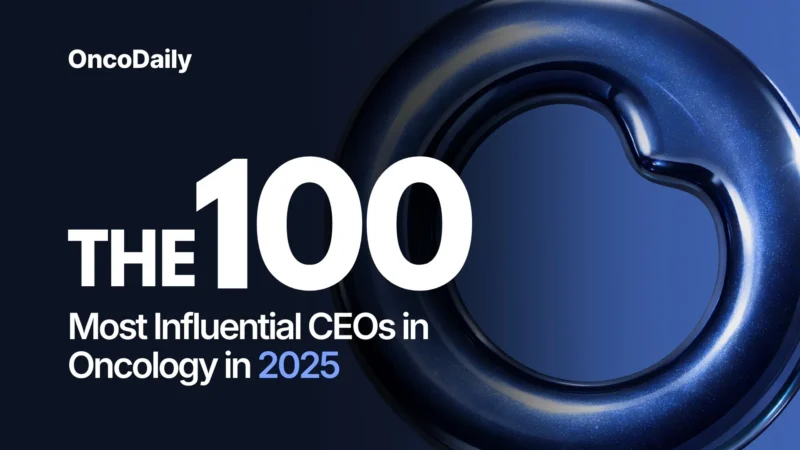
The 100 Most Influential CEOs in Oncology in 2025 is Out
OncoDaily published “The 100 Most Influential CEOs in Oncology in 2025″, a full spectrum look at the executives whose decisions shaped what got funded, scaled, approved, and delivered across cancer centers, societies, global oncology organizations and pharma.
Building directly on a milestone from last month OncoDaily’s “100 Most Influential People in Oncology in 2025,” released in December 2025, which mapped the individuals steering oncology’s scientific, clinical, and policy direction, 100 Influential CEOs in 2025 sets a new mark for upcoming special categories.
OncoDaily Magazine: January Cover Story Is Live
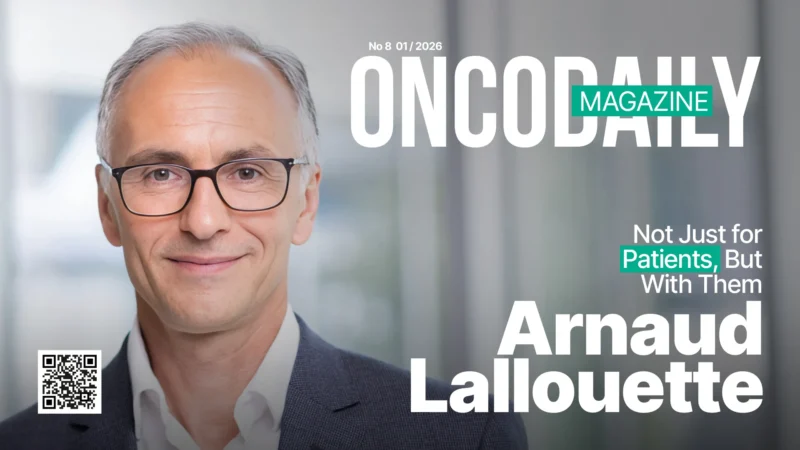
OncoDaily Magazine released its January cover story featuring Dr. Arnaud Lallouette (Servier) – a conversation centered on scaling innovation without losing the patient. His most actionable line is also the simplest:
“…Innovation only has value if it reaches patients at the right time, in the right way – and at a scale that makes a real difference…
…Listen to them. Work with them. Patients are the real experts of their disease.”
That theme – community, partnership, and execution – flows directly into this week’s next headline from the Editor-in-Chief of OncoDaily, Dr Gevorg Tamamyan.
From Editorial to Action: “Just Get Things Done”
Prof. Tamamyan argued that healthcare does not fail from lack of plans – it fails in the gap between intention and delivery. The piece builds on the story of how pediatric oncology service was founded in Armenia directly pushing for execution-focused leadership in global cancer systems, where delays are measured in outcomes, not timelines.
“…10 years ago, when I returned home to Armenia, I had a clear purpose: to make pediatric oncology the strongest and fastest-developing field of medicine in the country. I was met with advice from every direction. Some of it was well-intentioned, some of it cautious to the point of paralysis. Questions ranged from the strategic to the abstract: Where will you put the toxic waste? My answer was simple: I don’t have toxic waste yet. I have children with cancer who cannot wait…
…Leadership is not about producing more documents. It is about shortening the distance between decision and delivery. In healthcare, and in global health governance especially, the most powerful words are not “we plan to” or “we aim to.”
They are simply: Just get things done.”
ASCO GI 2026
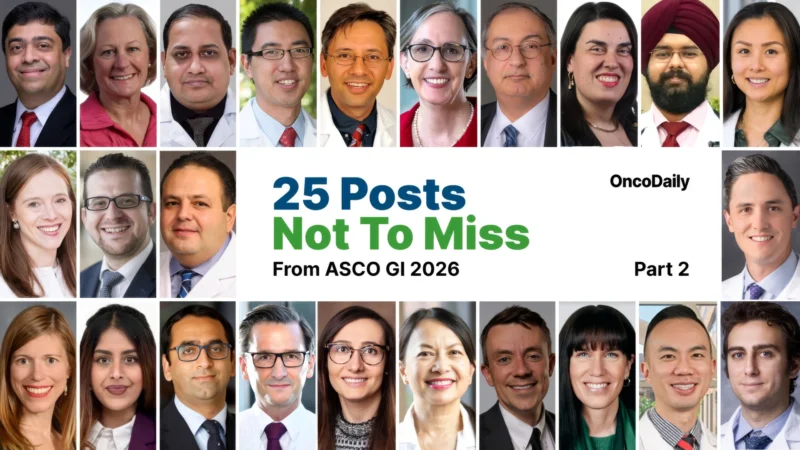
ASCO GI 2026 was last week, and OncoDaily’s coverage captured both sides of the conference: attendee-selected highlights and the scientific content that changes practice. Our “Not to Miss” posts curated the highest-signal sessions across GI malignancies in a fast-scan format designed for immediate clinical relevance.
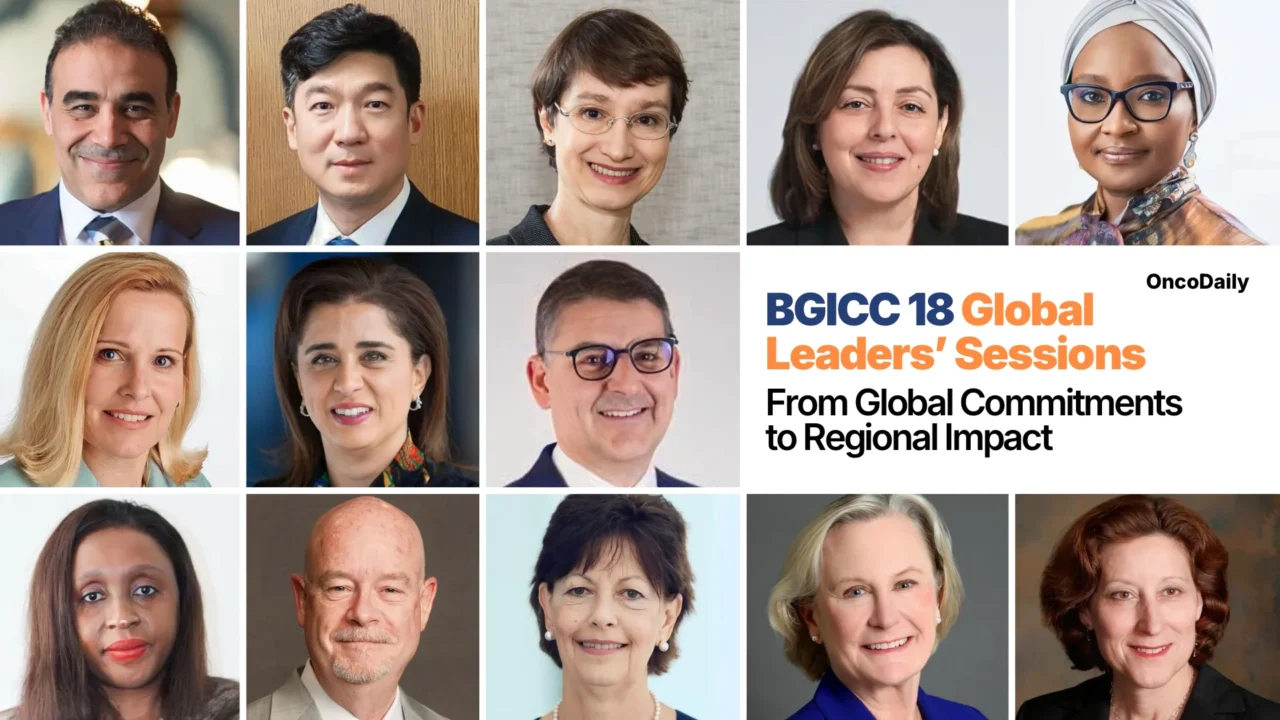
With ASCO GI 2026 now concluded, OncoDaily’s focus turns to the upcoming The 18th Breast, Gynecological & Immuno-Oncology International Cancer Conference (BGICC), which we will be covering in partnership with the congress. The sneak-peak into the event has already begun with special highlights to sessions with global changemakers.
Regulation: The FDA’s Digital-Health Pivot
The FDA signaled a clearer boundary for digital health: two new guidance documents clarify when software and digital tools fall outside FDA device oversight, while preserving stricter pathways for products that make clinical claims or carry higher risk.
In parallel, FDA Commissioner Makary framed a second move as deregulation of low-risk wearables: the agency is “unlocking” general-wellness wearables that had been tied up in regulatory burden—positioning this as modernization rather than reduced safety.
Dietary Guidelines 2025–2030: OncoDaily broke down the newly released U.S. Dietary Guidelines and what they signal for prevention-focused health policy – particularly relevant to cancer risk reduction as diet guidance is translated into public programs and clinical counseling.
Global Oncology and Public Health
The recent conversation in OncoDaily TV during the “Global Health Dialogues with Princess Dina” featuring Denise Lacombe, the CEO of EORTC, reflected on global cancer leadership and the urgent need to transform commitment into measurable action – particularly in LMICs where access disparities remain stark. They highlighted the importance of cross-sector partnerships, data-driven national cancer control plans, and sustained investment in early detection and treatment infrastructure to ensure that advances in science translate into equitable outcomes for patients everywhere.
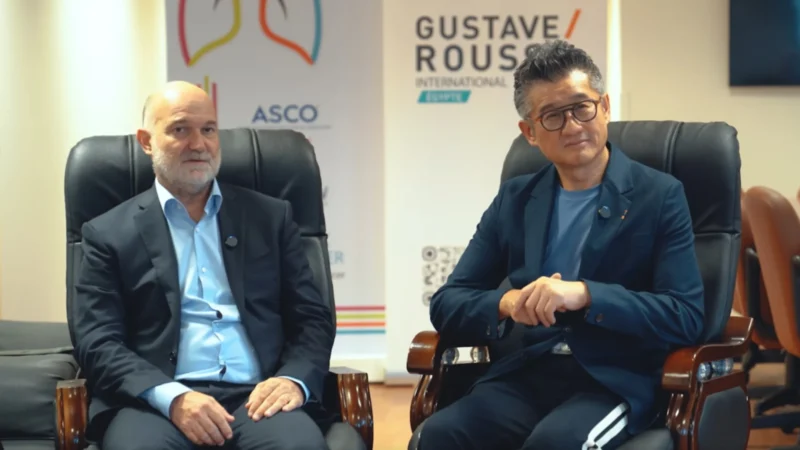
Gustave Roussy International – Egypt (supported by ASCO): Gustave Roussy emphasized international collaboration – linking Europe, Asia, and the Middle East – to expand global oncology exchange and bring world-tier expertise into new settings.
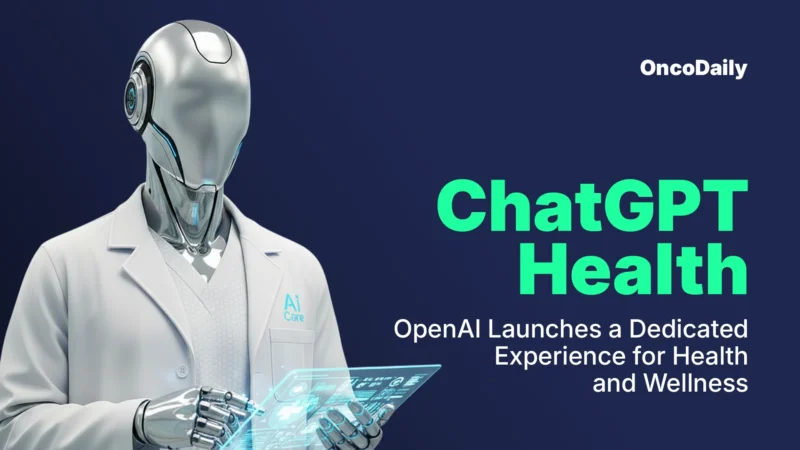
OpenAI announced a dedicated “ChatGPT Health” experience intended to support health and wellness conversations (positioned as support—not replacement—of clinical care), reflecting how consumer-facing AI is moving toward more structured health use cases.
Clinical Evidence and Research Signals
Several research updates this week were incremental.
HER2-positive mGEA at ASCO GI: HERIZON-GEA-01 was highlighted as a zanidatamab-based strategy in HER2+ metastatic gastroesophageal adenocarcinoma, reinforcing how HER2 blockade in GEA is evolving beyond single-agent trastuzumab-era assumptions.
ctDNA after rectal cancer surgery: The Japanese GALAXY analysis in stage II–III rectal cancer treated with upfront surgery showed postoperative ctDNA can sharply stratify recurrence risk and may identify who benefits from adjuvant chemotherapy – one of the cleanest “MRD-to-decision” datasets in rectal cancer to date.
Colon cancer immunotherapy as a turning point: Myriam Chalabi revisited the NICHE story in a Nature Medicine “Turning Points” essay – highlighting how neoadjuvant immunotherapy produced pathologic responses in both dMMR and some pMMR early-stage colon cancers and helped shift what was considered possible in colon ICI.
mCRPC: radioligand + dual checkpoint blockade: The phase 2 EVOLUTION trial suggested that adding dual immunotherapy to Lu-177–PSMA may modestly improve disease control in a disease state known for immunotherapy resistance—an important signal, even if incremental, for combination strategies in mCRPC.
Industry Deals, Pipelines, and Appointments
This week’s industry story was a mix of pipeline-building and leadership moves:
AI drug discovery at scale: Insilico Medicine and Servier announced an AI oncology discovery partnership worth up to $888M, with Servier taking downstream development and commercialization once candidates are identified through Insilico’s Pharma.AI platform.
Amgen strengthens AML pipeline: Amgen announced it will acquire UK-based Dark Blue Therapeutics, adding an investigational AML small molecule to its oncology portfolio.
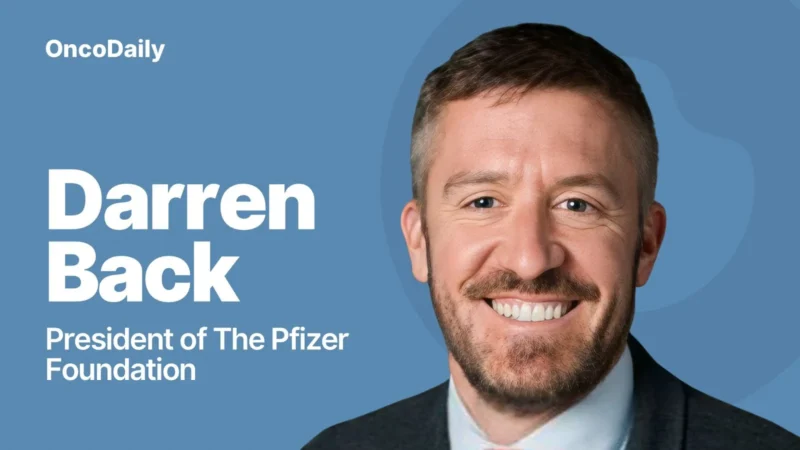
Darren Back was appointed President of The Pfizer Foundation; Pegah Jafarinasabian started as Executive Medical Director at AbbVie; Anita Vasu joined AstraZeneca as VP, Oncology R&D Strategy; and Rhys Gallagher became Oncology Medical Director (UK) at GSK.
History Corner: Oncology’s Long Memory
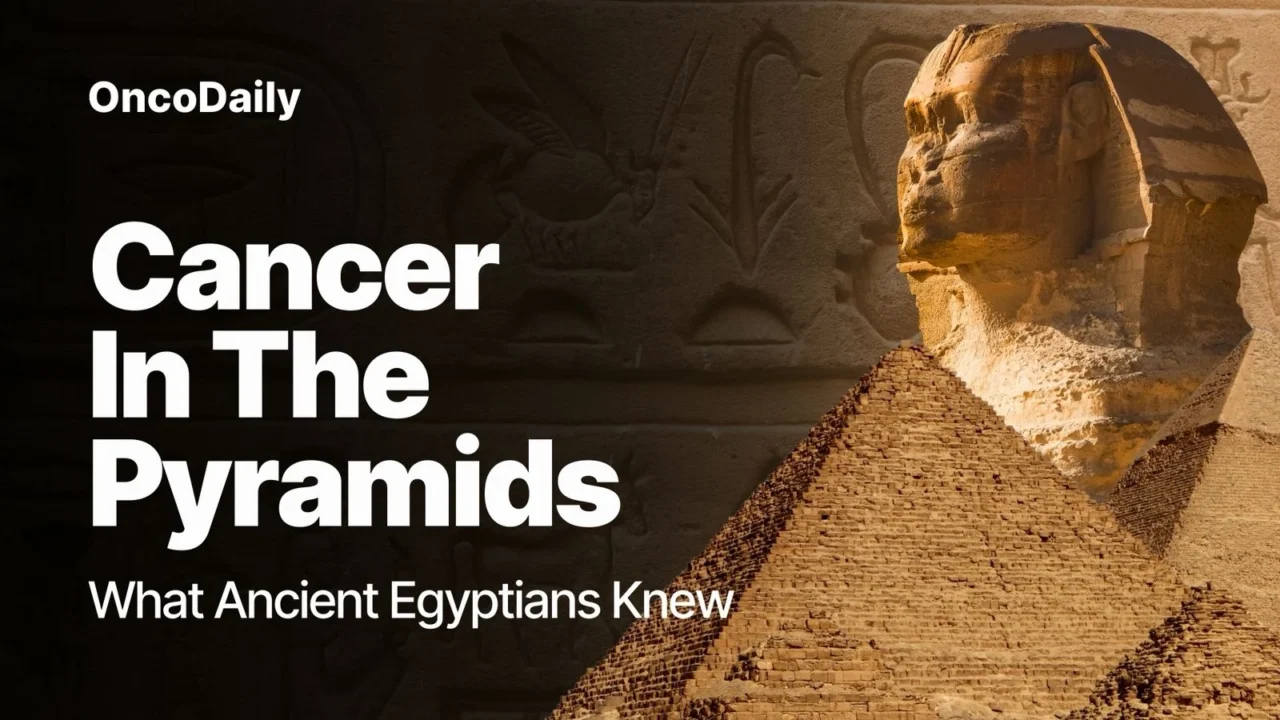
OncoLibrary published a deep historical synthesis on the oldest evidence of cancer, combining CT imaging of mummies and ancient medical texts (including the Edwin Smith Papyrus) to show that advanced malignancy – and early forms of clinical triage – were recognized in Ancient Egypt thousands of years ago.
Closing the Week: Call for Papers – OncoDaily Medical Journal
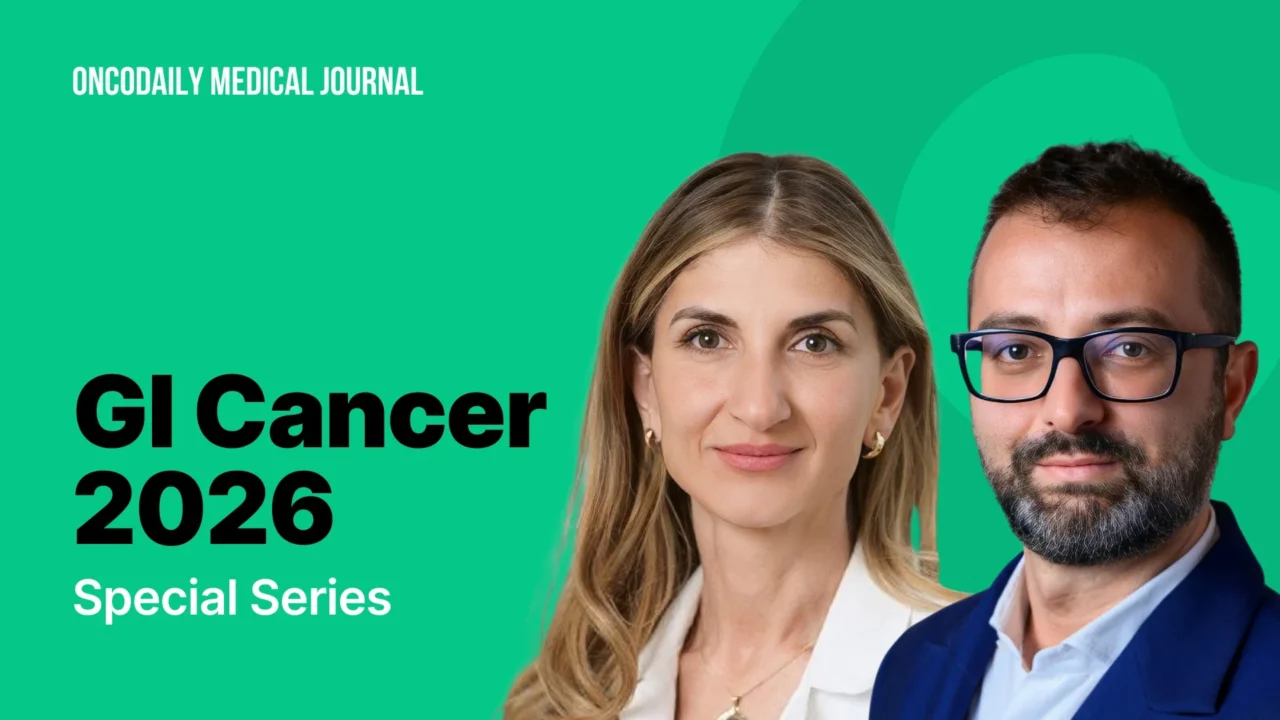
We close with OncoDaily Medical Journal’s 2026 Special Series on Gastrointestinal Oncology, inviting submissions spanning prevention, early detection, treatment, survivorship, and health-system strengthening, with rolling publication throughout the year.
Stay tuned as we continue to follow the most recent developments in oncology.
Written by Elen Baloyan, MD, Managing Editor of OncoDaily