U.S. Food and Drug Administration (FDA) Commissioner Dr. Martin A. Makary said the agency is moving to reduce regulatory friction for general wellness wearables, writing on X: “We’re cutting red tape on wearables for general wellness.”
The message was amplified by Robert F. Kennedy, Jr., Secretary of the U.S. Department of Health and Human Services (HHS), who reposted Makary’s statement and added:
“The FDA is unlocking wearable devices for general wellness that have, for too long, been tied up in red tape. Wearables can help everyday Americans proactively take charge of their health, helping them steer clear of expensive interventions and chronic disease… ”
Makary’s post pointed viewers to a video attached to the thread, framing the change as part of a broader effort to modernize oversight of lower-risk digital tools.
What “General Wellness” Means in FDA Terms
In FDA policy, “general wellness products” typically include low-risk software and devices that promote healthy living such as activity tracking, sleep support, fitness coaching, and other lifestyle-oriented features so long as they do not claim to diagnose, treat, cure, or prevent disease. This distinction matters because wellness claims can place a product outside traditional medical-device scrutiny, while disease-related claims can trigger device regulation.
That framework is grounded in federal law and long-standing FDA policy. The FDA’s updated “General Wellness: Policy for Low Risk Devices” guidance reiterates that certain software functions intended to maintain or encourage a healthy lifestyle unrelated to disease diagnosis or treatment are not considered medical devices under specific statutory provisions.
What Changed: Updated Guidance and Clearer Regulatory Boundaries
The “cutting red tape” message aligns with the FDA’s newly issued guidance (January 2026) clarifying its approach to low-risk wellness products. U.S. Food and Drug Administration In parallel coverage, Reuters reported that the FDA intends to limit regulation of health and fitness wearables and lifestyle-focused software, emphasizing that tools are generally exempt when they make general health claims rather than medical claims.
Legal and industry analysts note that the updated policy is also aimed at keeping pace with rapid innovation especially where sensors and software increasingly estimate physiologic parameters while drawing a bright line between wellness insights and clinical-grade medical claims.
The Broader Theme: Streamlining Evidence Pathways and Review Burden
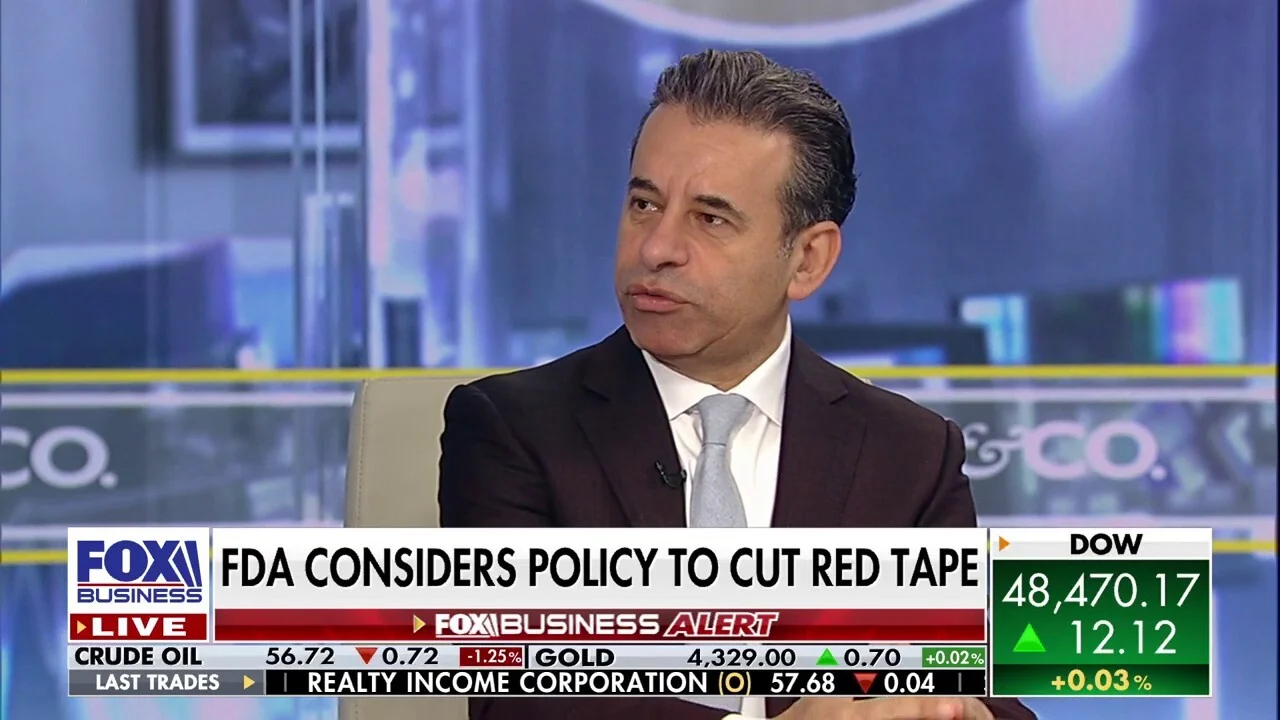
Makary’s comments on wearables arrive amid a wider FDA push also championed publicly by the commissioner toward reducing procedural barriers in other areas of regulation.
In the interview transcript provided, Makary described a plan to modernize FDA review by allowing sponsors to submit real-world data more freely in applications, arguing that prior requirements were so burdensome that real-world evidence was underused. He emphasized that FDA reviewers would still evaluate data quality, but that sponsors should be able to submit real-world experience without impractical constraints.
That direction mirrors an FDA press announcement from December 2025 stating the agency removed a key limitation affecting real-world evidence submissions particularly by addressing expectations around patient-level identifiable data for certain device submissions and indicating it may consider related updates for drugs and biologics.
For oncology, where registries and real-world datasets are central to post-market learning and comparative effectiveness, the operational impact could be significant especially if future drug/biologic guidance similarly reduces avoidable friction while maintaining evidentiary rigor.
Written by Nare Hovhannisyan, MD