Welcome to OncoDaily Weekly, your all-in-one roundup of this week’s oncology news, policy shifts, scientific advances, leadership moves and insightful stories from January 12 to 18.
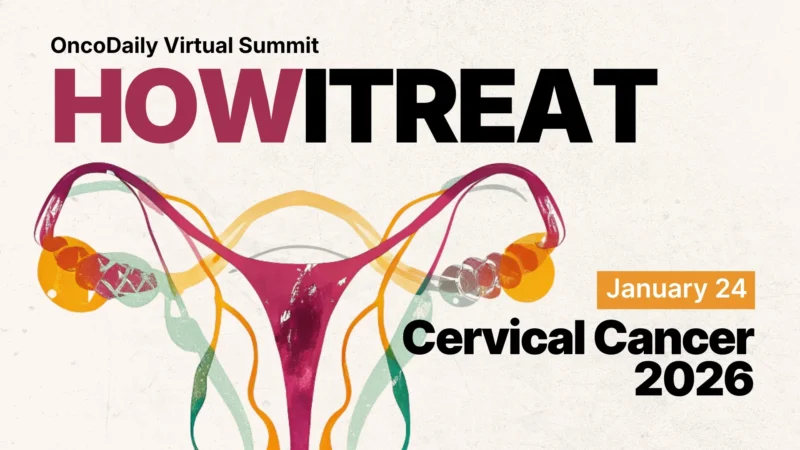
“How I Treat Cervical Cancer in 2026”: OncoDaily’s Special Focus
OncoDaily announced the “How I Treat Cervical Cancer in 2026” – evidence-based summit built to cover the entire cervical cancer pathway, from screening and imaging to stage-specific treatment and real-world implementation. The program includes dedicated speeches on immunotherapy, ADCs, targeted therapies, and biomarkers beyond PD-L1, featuring Global Voices on regional disparities in access and outcomes.
The Week’s Defining Report: ACS Cancer Statistics 2026
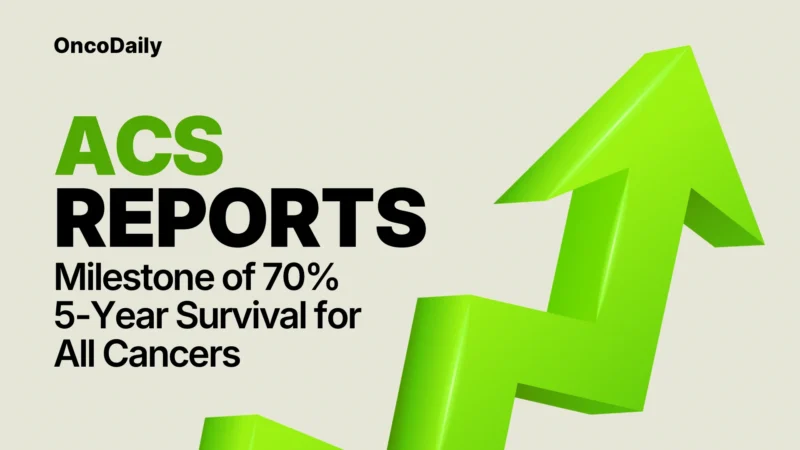
The American Cancer Society released Cancer Statistics, 2026, reporting that U.S. five-year relative survival for all cancers combined reached 70% for the first time (patients diagnosed 2015–2021). The report also highlighted outsized survival gains in historically lethal cancers since the mid-1990s—myeloma (32%→62%), liver (7%→22%), and lung (15%→28%)—while warning that funding and access threats could slow or reverse progress.
Trial Update: A New CLDN18.2 Strategy in Metastatic Pancreatic Cancer
The TWINPEAK study reported early efficacy for spevatamig (anti-CLDN18.2/CD47 bispecific) plus gemcitabine and nab-paclitaxel as first-line therapy in CLDN18.2-positive metastatic PDAC, with a design intended to reduce the classic CLDN18.2 GI toxicity and CD47 hematologic toxicity trade-offs. It is a notable signal in a setting where no immunotherapy/biologic has yet been approved first-line for metastatic PDAC.
Regulation and Access: Cross-Border Oncology Moves
Saudi Arabia’s SFDA approved Anktiva for bladder and lung cancer, marking a major international regulatory expansion beyond its U.S. NMIBC CIS indication and highlighting divergent regulatory risk tolerance across jurisdictions. The story also captured the ongoing tension between broad clinical claims and confirmatory evidence expectations.
France expanded reimbursed compassionate access for botensilimab/balstilimab to include ovarian cancer and soft-tissue sarcomas, signaling how national access pathways can move faster than traditional approvals when payers and regulators decide unmet need is urgent.
The FDA also granted Orphan Drug Designation to gotistobart for squamous NSCLC, strengthening the development pathway and incentives for a drug being advanced in a high-mortality thoracic subtype.
Health Systems Leadership: When the Minister Still Sees Patients
In a World Health Voices dialogue, Dr. Gevorg Tamamyan interviewed Dr. Hosams Abu Meri, Latvia’s Minister of Health – also a practicing gastroenterologist – on why staying close to patients improves policymaking. The discussion covered Latvia’s priorities including workforce shortages, digital transformation, medication pricing reforms, tobacco/alcohol policy, screening programs, and strengthening EU-wide oncology cooperation.
Events & Global Biotech Diplomacy: USA–Saudi Biotech Alliance
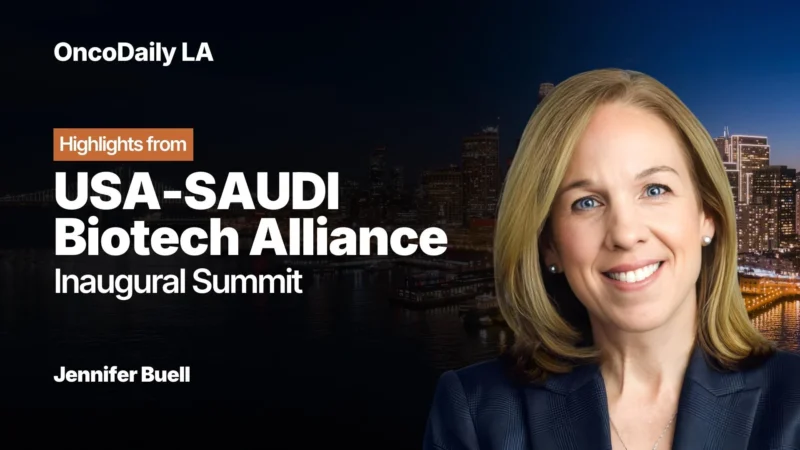
At the USA-Saudi Biotech Alliance Inaugural Summit in San Francisco (held alongside the J.P. Morgan Healthcare Conference), NantWorks and ImmunityBio convened U.S. and Saudi leaders around “Immunotherapy 2.0” and healthcare resilience – explicitly shifting the conversation from vision statements to execution (AI-enabled manufacturing, aligned regulatory frameworks, and scalable deployment).
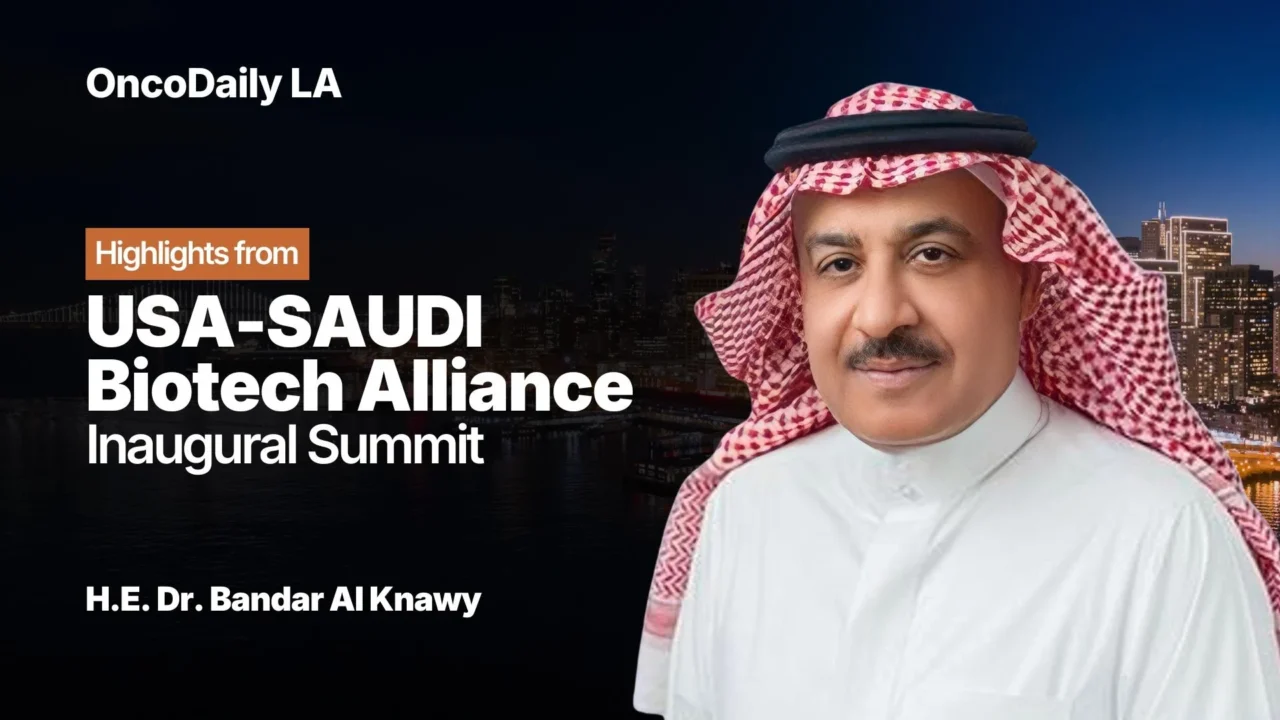
Speeches highlighted Saudi Arabia’s biotechnology strategy as a targets-driven roadmap tied to Vision 2030 and 2050, positioning biotech as both a health priority and an economic growth engine.
Tech, AI, and the New Biology Stack
NVIDIA and Eli Lilly announced a $1B AI co-innovation lab focused on reinventing drug discovery workflows, a high-signal indicator of how compute is being positioned as core R&D infrastructure.

A new explainer described how remote therapeutic monitoring (RTM) is being operationalized in oncology through a done-for-you model, aiming to translate symptom tracking into reimbursable, scalable longitudinal care.
Tempus reported $1.27B revenue in 2025 (83% growth), pointing to continued commercial acceleration of AI-enabled diagnostics and data businesses in precision oncology.
AstraZeneca’s acquisition of Modella AI was framed as a biomarker-first move – treating predictive biology as the key asset, not just a molecule pipeline.
Financial Times flagged that Merck could pursue a ~$30B deal for Revolution Medicines, a headline that – if it progresses – would become another benchmark of how aggressively large pharma is chasing next-generation targeted oncology platforms and de-risked pipelines.
People, Programs, and Recognition
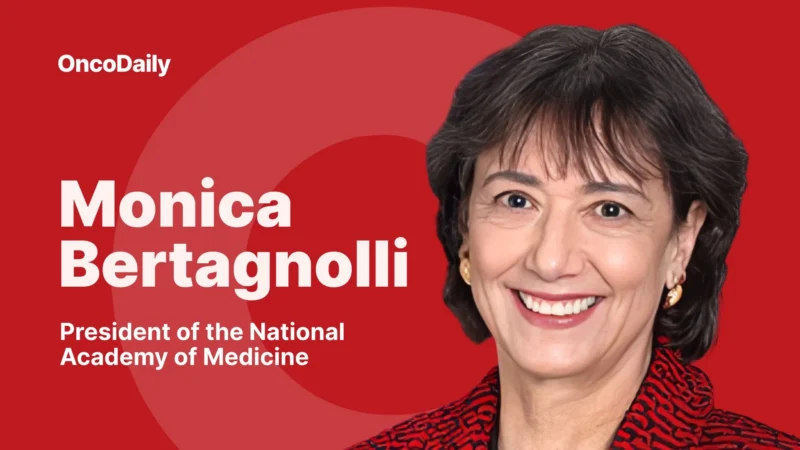
Monica Bertagnolli was appointed President of the National Academy of Medicine, upon which she wrote on her LinkedIn:
Created in 1863 by Congress at the request of President Abraham Lincoln, the National Academies have contributed science-based guidance to the nation and the world throughout 160+ years of dramatic technological and societal changes…
I will be spending the next 6 months working with current NAM President Victor Dzau to ensure the greatest impact from the critical work he has championed. I also look forward to hearing advice from all who have a stake in NAM’s work. Going forward, how can this talented organization best deploy its resources and human capital to achieve better health for all?
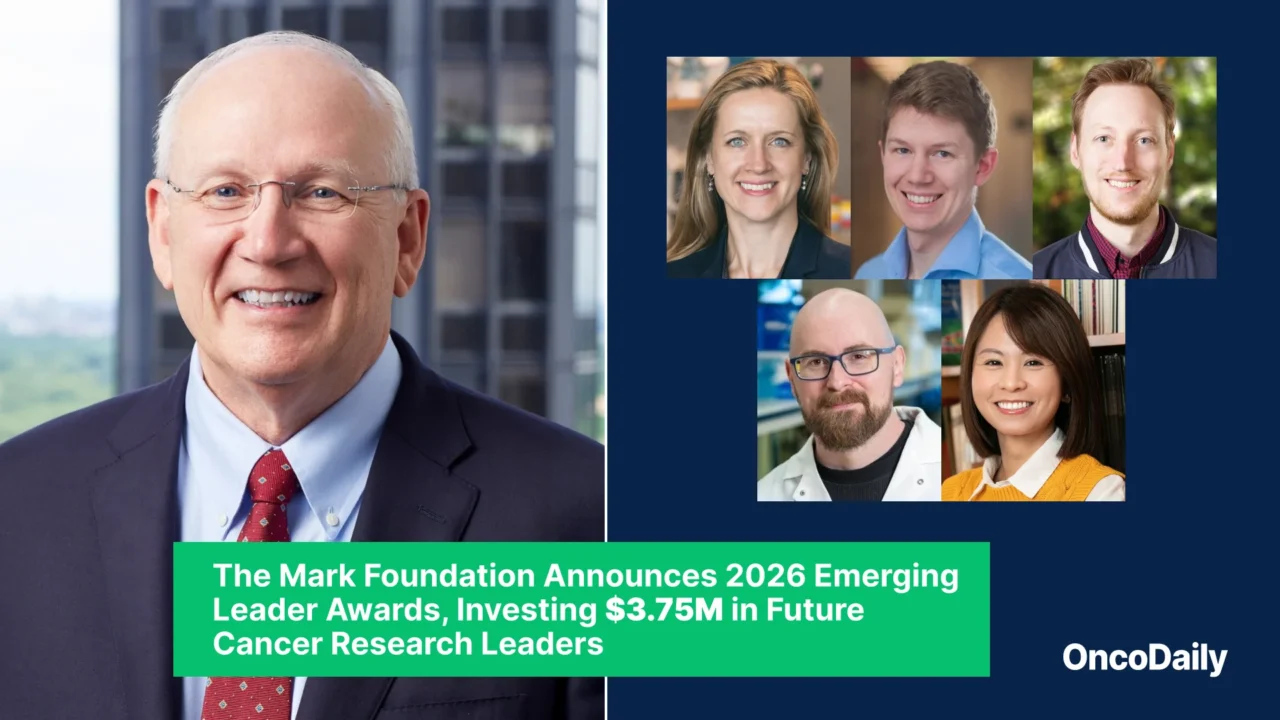
The Mark Foundation for Cancer Research announced its 2026 Emerging Leader Awards, investment in high-potential investigators and pipeline-building for the next generation of cancer research leadership.
And on the global calendar, UICC announced that IARC will host its 60th anniversary scientific conference in Lyon, a milestone meeting likely to draw attention to prevention science, surveillance, and global cancer control priorities.
BGICC is set to begin this week, Jan 22-23, in Egypt, with promising developments featuring world renowned oncologists and healthcare leaders, which will be covered by OncoDaily on-site.
ODMJ Special Series: Call For Papers
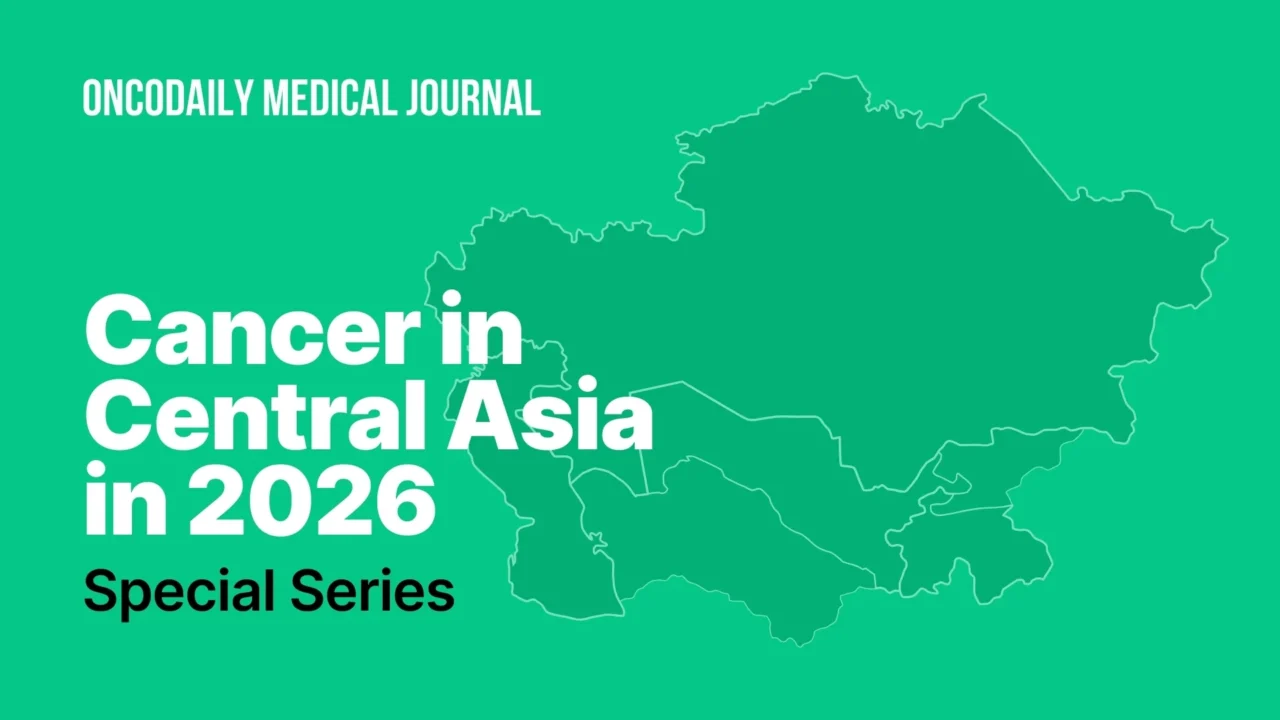
OncoDaily Medical Journal announced call for papers for a special series focused on Cancer in Central Asia, led by two internationally recognized leaders in the field: Dilyara Kaidarova, President of Kazakhstan Cancer Society, and Djamila Polatova, General Director of The Center of Pediatric Hematology, Oncology and Clinical Immunology of Uzbekistan.
A reminder that earlier this month ODMJ announced call for paper for colorectal cancer series as well.
OncoDaily Magazine: Cover Stories Now Live – Full Issue Coming Soon
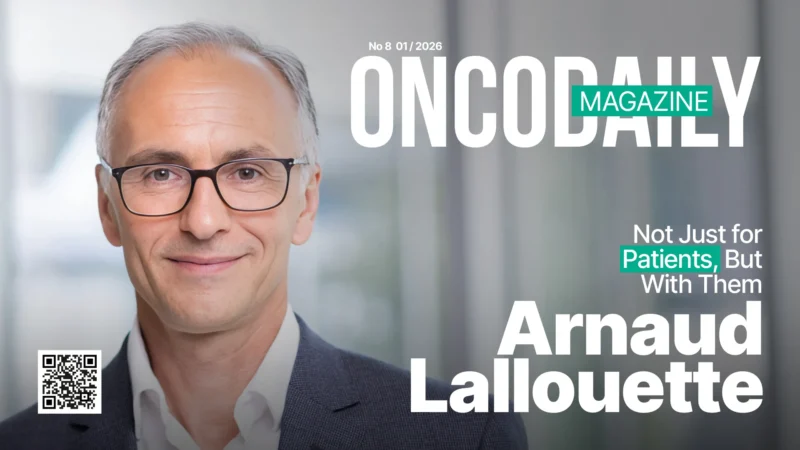
We close the week with OncoDaily Magazine, where two features anchored January’s editorial focus on leadership that translates science into impact. In the cover story with Dr. Arnaud Lallouette (Servier), the central message is execution with patients – not just for them – emphasizing that innovation only matters when it reaches people at scale.
In Jeffrey Bluestone’s feature – “Kick-Ass Science, Collaborate Like Hell, Make a Difference” – the emphasis is on the operating principles behind discovery: rigorous science, relentless collaboration, and a translational mindset that keeps patient benefit as the endpoint.
Stay tuned as the full magazine issue is set to publish in January featuring exclusive content on what 2025 sets for OncoDaily in 2026.