





This report marks the 75th year American Cancer Society researchers have analyzed and disseminated cancer data to help improve public health.
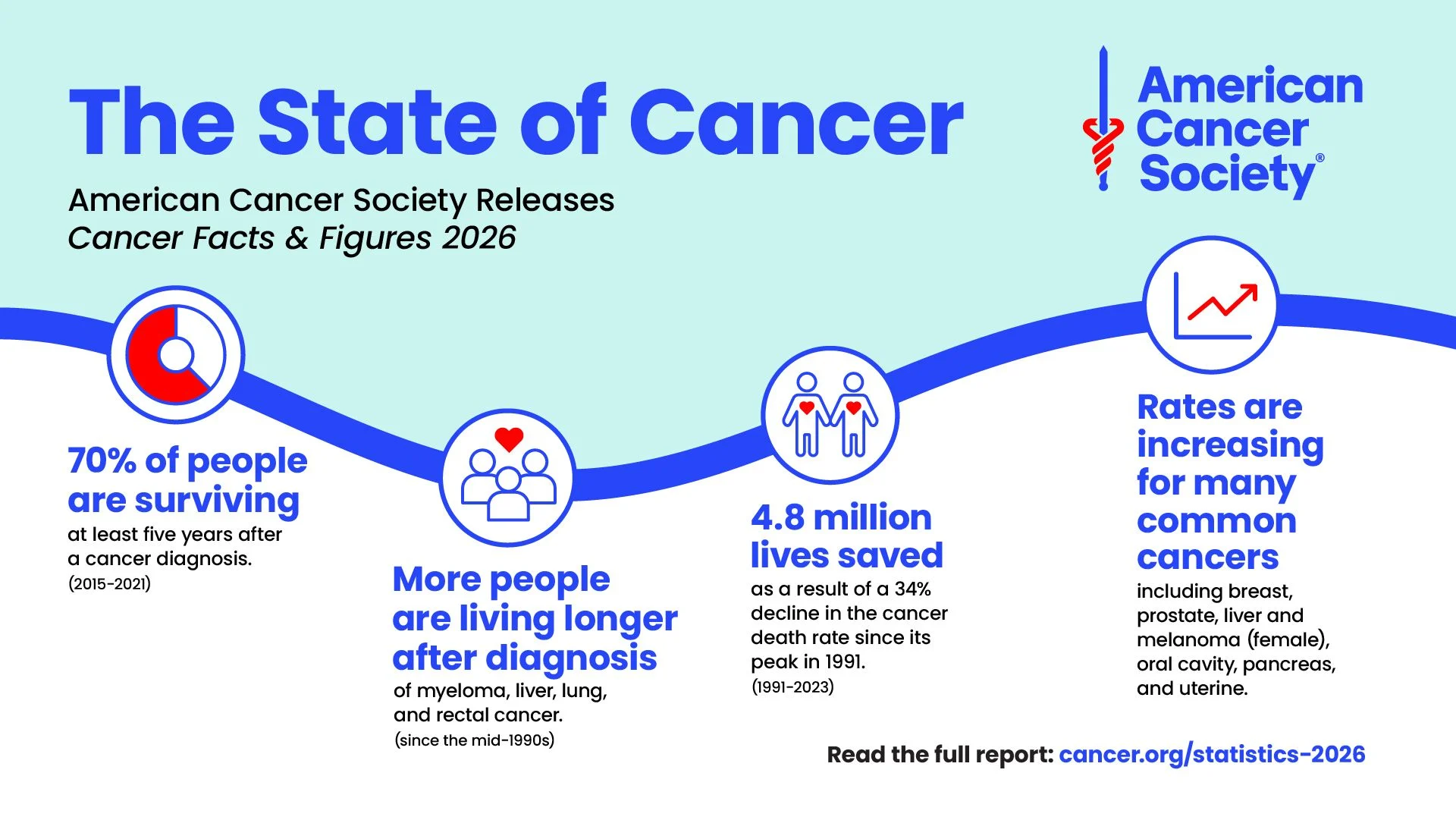
The American Cancer Society (ACS) today released Cancer Statistics, 2026, the organization’s annual report on cancer facts and trends. The new findings show, for the first time, the five-year relative survival rate for all cancers combined reached 70% for people diagnosed during 2015-2021 in the United States. Survival gains since the mid-1990s are especially notable for people diagnosed with more fatal cancers, such as myeloma (from 32% to 62%), liver cancer (7% to 22%), and lung cancer (15% to 28%). These important findings are published today in CA: A Cancer Journal for Clinicians, the flagship journal of ACS, alongside its consumer-friendly companion, Cancer Facts & Figures 2026, available on cancer.org.
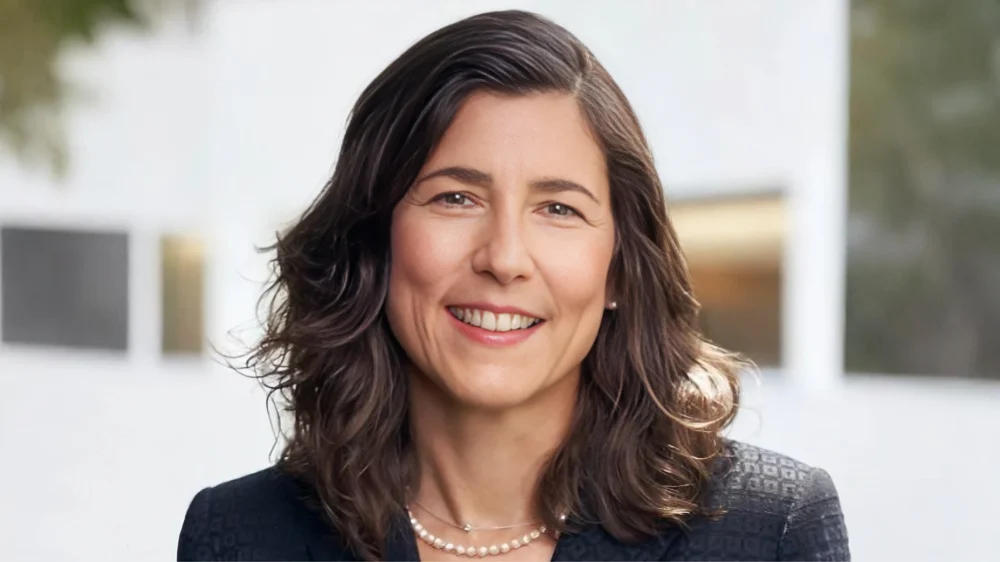
Rebecca Siegel, senior scientific director, surveillance research at the American Cancer Society and lead author of the report, said:
“Seven in 10 people now survive their cancer five years or more, up from only half in the mid-70s. This stunning victory is largely the result of decades of cancer research that provided clinicians with the tools to treat the disease more effectively, turning many cancers from a death sentence into a chronic disease.”
Since its first publication in 1951, the annual ACS Cancer Statistics report has been the gold standard of cancer surveillance research in the U.S. ACS researchers analyze and disseminate data on cancer occurrence, including new cancer cases and deaths in the current year, to inform cancer control and improve public health. For this year’s study, ACS researchers compiled the most recent findings on population-based cancer occurrence and outcomes using data collected by central cancer registries (incidence through 2022) and the National Center for Health Statistics (mortality through 2023).
In 2026 in the U.S., approximately 2,114,850 new cancer diagnoses (5,800 each day) are projected to occur, and 626,140 people will die from the disease. Although the cancer mortality rate has continued to decline through 2023, dropping by a total of 34% since its peak in 1991 and averting 4.8 million cancer deaths, incidence continues to increase for many common cancers, including breast, prostate, liver (female), melanoma (female), oral cavity, pancreas, and uterine corpus (endometrial).
Shane Jacobson, CEO of the American Cancer Society and the American Cancer Society Cancer Action Network (ACS CAN), explained:
“For decades, the federal government has been the largest funder of cancer research, which has translated to longer lives for people with even the most fatal cancers. But now, threats to cancer research funding and significant impact to access to health insurance could reverse this progress and stall future breakthroughs. We can’t stop now. There is still much work to be done.”

Other highlights from the report include:
- Five-year survival has improved dramatically for distant-stage cancer since the mid-1990s, doubling for all cancers combined (from 17% to 35%), for melanoma (16% to 35%), and for rectal cancer (8% to 18%).
- Lung cancer will cause the most cancer deaths in 2026, more than second-ranking colorectal cancer and third-ranking pancreatic cancer combined.
- For the three in four people diagnosed with lung cancer at an advanced stage, five-year survival has increased since the mid-1990s from 20% to 37% for regional-stage disease and from 2% to 10% for distant-stage disease.
- Native American people have the highest cancer mortality, including death rates about two times those of White people for cancers of the kidney, liver, stomach, and uterine cervix.
Dr. Ahmedin Jemal, senior vice president, surveillance, prevention, and health services research at the American Cancer Society and senior author of the report, said:
“Lack of access to high-quality cancer care and socioeconomics continues to play a significant role in persistent racial disparities. Efforts need to be focused on these areas so successful targeted cancer control interventions can be more broadly and equitably applied to all populations.”

Meaningful change requires both equitable access and robust support for cancer research and increased support for cancer survivors.
Dr. William Dahut, chief scientific officer at the American Cancer Society, explained:
“Oncology treatment goes far beyond the medical care used to manage or attempt to cure the disease. With survival rates increasing, this leads us to cancer survivorship, which means addressing the physical, emotional, and financial challenges these patients can face. We are encouraged by the number of resources to assist the millions of survivors, along with the caregivers and clinicians, but more strategies will be necessary to ensure everyone has the support needed to have not only more days, but better days.”

ACS has developed guidelines for cancer survivors. These guidelines and other information on managing health care as a cancer survivor can be found here.
Other ACS authors participating in this study include Tyler Kratzer, MPH, Dr. Nikita Wagle, and Dr. Hyuna Sung.
Additional ACS Resources:
- Cancer Statistics Report 2025
- Cancer Treatment and Survivorship Report 2025
- VOICES of Black Women Study
- Cancer Survivors Network
- CancerRisk360
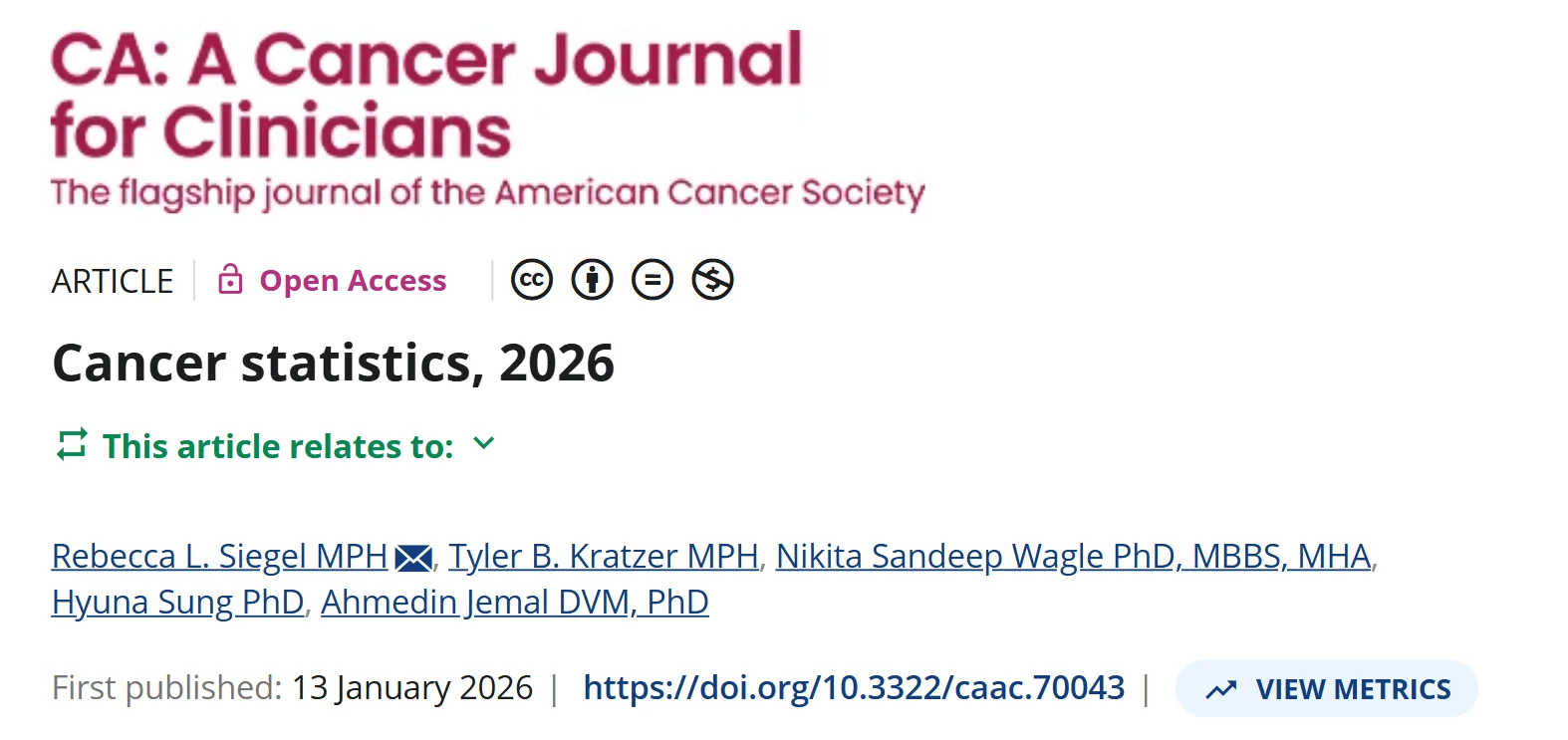
Title: Cancer statistics, 2026
Authors: Rebecca L. Siegel, Tyler B. Kratzer, Nikita Sandeep Wagle, Hyuna Sung, and Ahmedin Jemal.
You can read the Full Article in CA: A Cancer Journal for Clinicians.
Arif Kamal, Chief Patient Officer of the American Cancer Society and President of the American Academy of Hospice and Palliative Medicine, shared about the milestone on LinkedIn:
“Major news alert.
This morning, the American Cancer Society released our 75th annual Cancer Statistics report, authored by Rebecca Siegel, Tyler Kratzer, Nikita Wagle, Hyuna Sung, and Ahmedin Jemal.
The headline: For the first time, the five-year relative survival rate for all cancers combined reached 70%, with notable gains for people diagnosed with more fatal cancers, such as myeloma, liver cancer, and lung cancer. Compare that to a few decades ago, when the survival rate for all-comers was less than 50%.
So, what does this mean? America’s cancer story is transitioning from one of struggle – struggle to detect cancers early, struggle to find the right treatments, and struggle to support quality of life – to one of survivorship.
The advances we’re seeing, thanks to groundbreaking research and improvements in care, transform what it means to face a cancer diagnosis, offering more possibilities than ever before.
There are 18 million cancer survivors in the U.S. today and that number is growing around 500K new survivors per year. We must continue to intentionally support people living with the ongoing effects of cancer – physical, emotional, financial – ensuring survivorship becomes not just more days, but better days.”
Shane Jacobson also added:
“A milestone worth reflecting on: Today, 7 in 10 people in the U.S. survive cancer for five years or more. That’s progress built on research, early detection, and innovation – and on the resilience of patients and caregivers. But progress isn’t the finish line. Every statistic represents a life, and every life matters. Let’s keep pushing forward. Explore what the 75th anniversary of the American Cancer Society Cancer Statistics 2026 report means for patients, families, and communities.”
You can read more posts featuring the American Cancer Society on OncoDaily.