
Key takeaways
- 22 FDA approvals
- 19 distinct drugs
- 16 pharma companies
- 5 first-time approvals
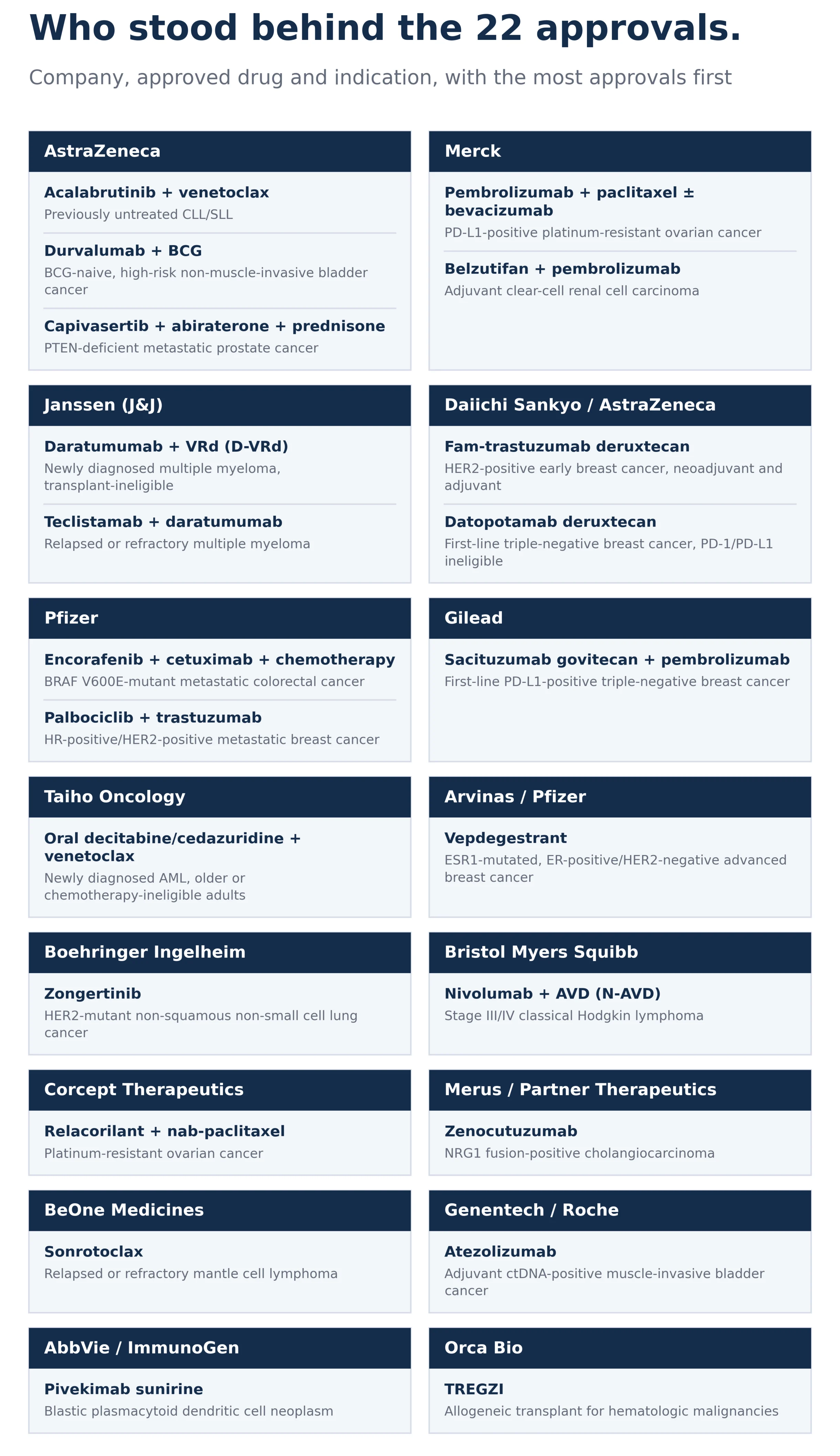
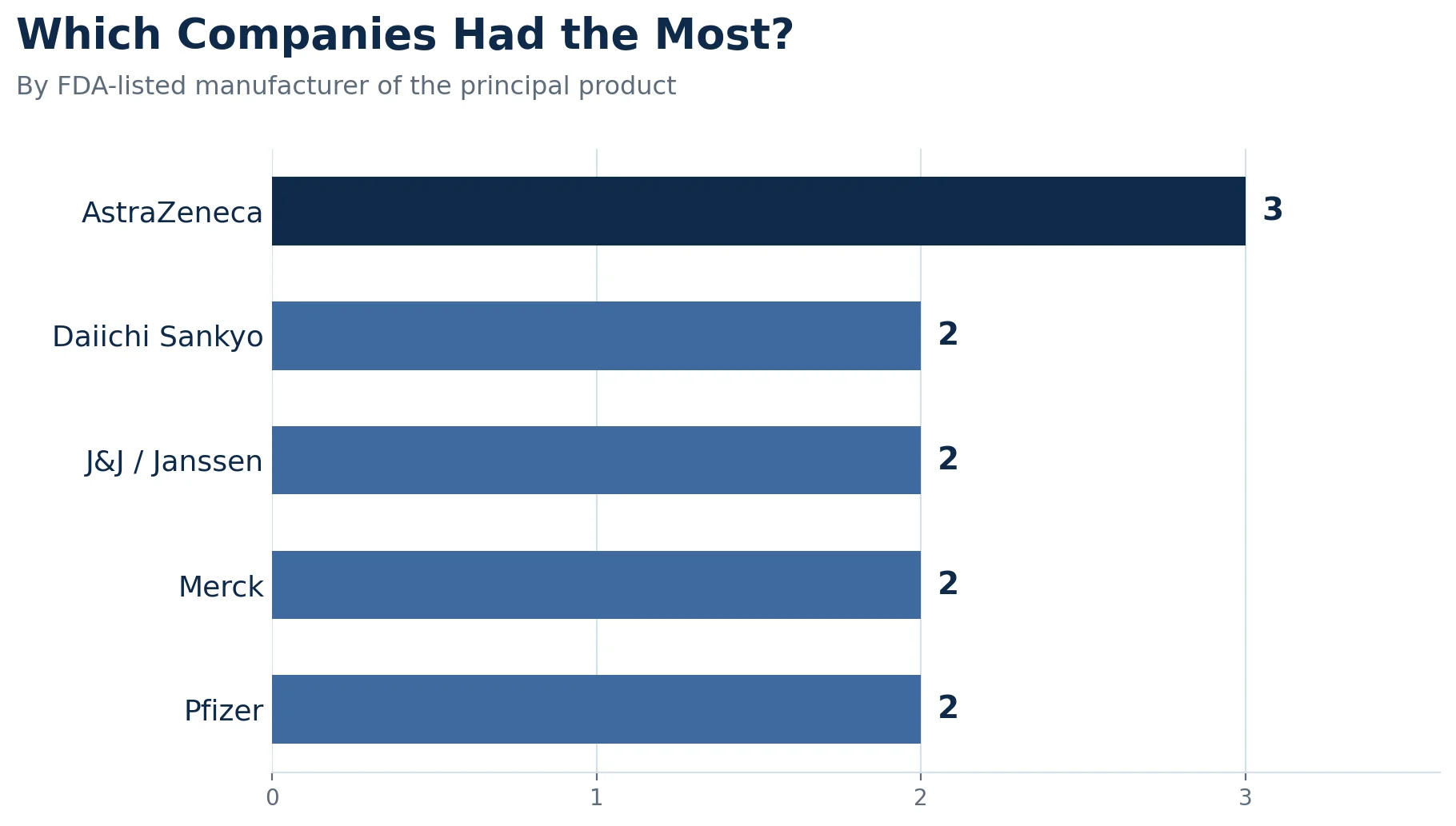
This article focuses on each oncology approval in the first half of 2026 and where they came from: which company built the drug, which one owns it now, and how a therapy approved a decade ago can still be making headlines today. AstraZeneca had the most approvals in the first half of 2026: three credited to it directly, plus two ADCs it co-developed with Daiichi Sankyo. Pembrolizumab was the most-used drug, part of three separate approvals. Five of the 22 approvals were first-time FDA approvals: relacorilant, vepdegestrant, sonrotoclax, pivekimab sunirine, and TREGZI. The rest were drugs already on the market, moving into new combinations or earlier lines.
Between January and June 2026, the U.S. Food and Drug Administration set twenty-two new oncology approvals spanning breast and ovarian cancers, chronic lymphocytic leukemia, colorectal cancer, bladder cancer, and several hematologic malignancies. Behind every one of these approvals sits a sponsor willing to bet years and hundreds of millions of dollars on a hypothesis, and a body of clinical evidence consistent enough to convince regulators that patients would be better off with the drug than without it.
This time, BIGR set to break down every approval into pieces to understand where they come from and what they bring to the table. Through a series of articles, we are going to highlight:
- the approved drugs and their origin
- clinical indication of the approval
- scientific and clinical minds behind it
- possible “traits” that lead to approvals
Methods
We searched the FDA website for oncology drug and biologic approvals made between January 1 and June 30, 2026, and extracted data on each approval’s trial name, approved drug name(s), approval date, approved indication(s), and responsible party. This search identified twenty-two approvals across distinct tumor types. In this article we set to answer:
What were the drugs behind these approvals, and which companies were behind the drugs?
Over the upcoming weeks, we’ll look at these same approvals from different angles – where they landed by cancer type, who led the trials behind them, and how industry sponsored research compared to academically led studies in shaping this period.
Pembrolizumab
PD-1 inhibitor · Label expansion · Merck
Pembrolizumab appeared in three FDA approval actions across three different cancers in the first half of 2026:
- Platinum-resistant ovarian cancer – pembrolizumab plus paclitaxel, with or without bevacizumab, for PD-L1-positive disease after one or two prior systemic regimens.
- Clear-cell renal cell carcinoma – belzutifan plus pembrolizumab as adjuvant treatment after nephrectomy, for patients at intermediate-high or high risk of recurrence.
- Triple-negative breast cancer – sacituzumab govitecan plus pembrolizumab, first-line, for unresectable locally advanced or metastatic PD-L1-positive disease.
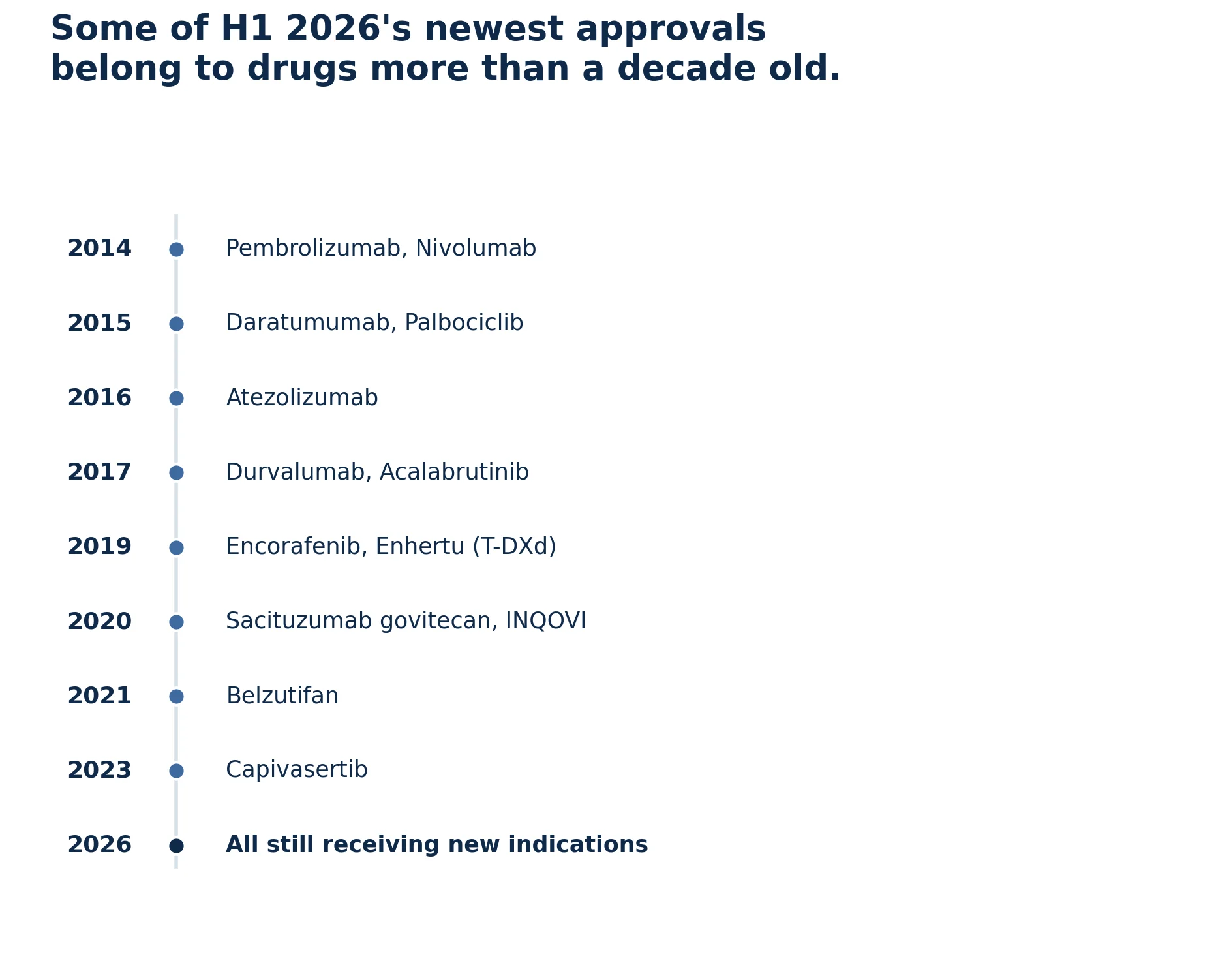
Pembrolizumab is a PD-1 inhibitor and one of the drugs that defined the modern immunotherapy era. The FDA first approved Keytruda in September 2014, initially for advanced melanoma. By getting more than 30 approved indications since then, pembrolizumab continues to widen its lead over every competing therapy.
Merck
Keytruda has become the central oncology franchise of Merck & Co.
The company’s strategy around pembrolizumab has progressively moved from establishing PD-1 inhibition across metastatic cancers to testing the drug in earlier stages of diseases, and in combination with targeted agents, chemotherapy and ADCs.
Merck was the FDA-listed company behind two of the 22 principal approval records in our dataset: the ovarian cancer pembrolizumab approval and the belzutifan-pembrolizumab RCC approval. Additionally, it was involved as the immunotherapy partner in the Gilead-led TNBC approval.
Daratumumab
CD38-directed antibody · Earlier-line expansion · Janssen
Daratumumab appeared in two approval records, both in multiple myeloma but at opposite ends of the treatment pathway. Together, these two approvals mean daratumumab-based regimens now anchor treatment for multiple myeloma patients at both ends of the disease spectrum:
- Newly diagnosed multiple myeloma: daratumumab and hyaluronidase-fihj plus bortezomib, lenalidomide and dexamethasone – D-VRd – for patients ineligible for autologous stem-cell transplantation.
- Relapsed or refractory multiple myeloma: teclistamab plus daratumumab after at least one prior line including a proteasome inhibitor and an immunomodulatory drug.
Daratumumab is a CD38-directed monoclonal antibody. The FDA first approved Darzalex in 2015 for heavily pretreated multiple myeloma. More than a decade later, it has moved from that late-line position into a backbone used throughout the myeloma treatment pathway.
Both approvals this year were from trials conducted by Janssen Research & Development.
Johnson & Johnson
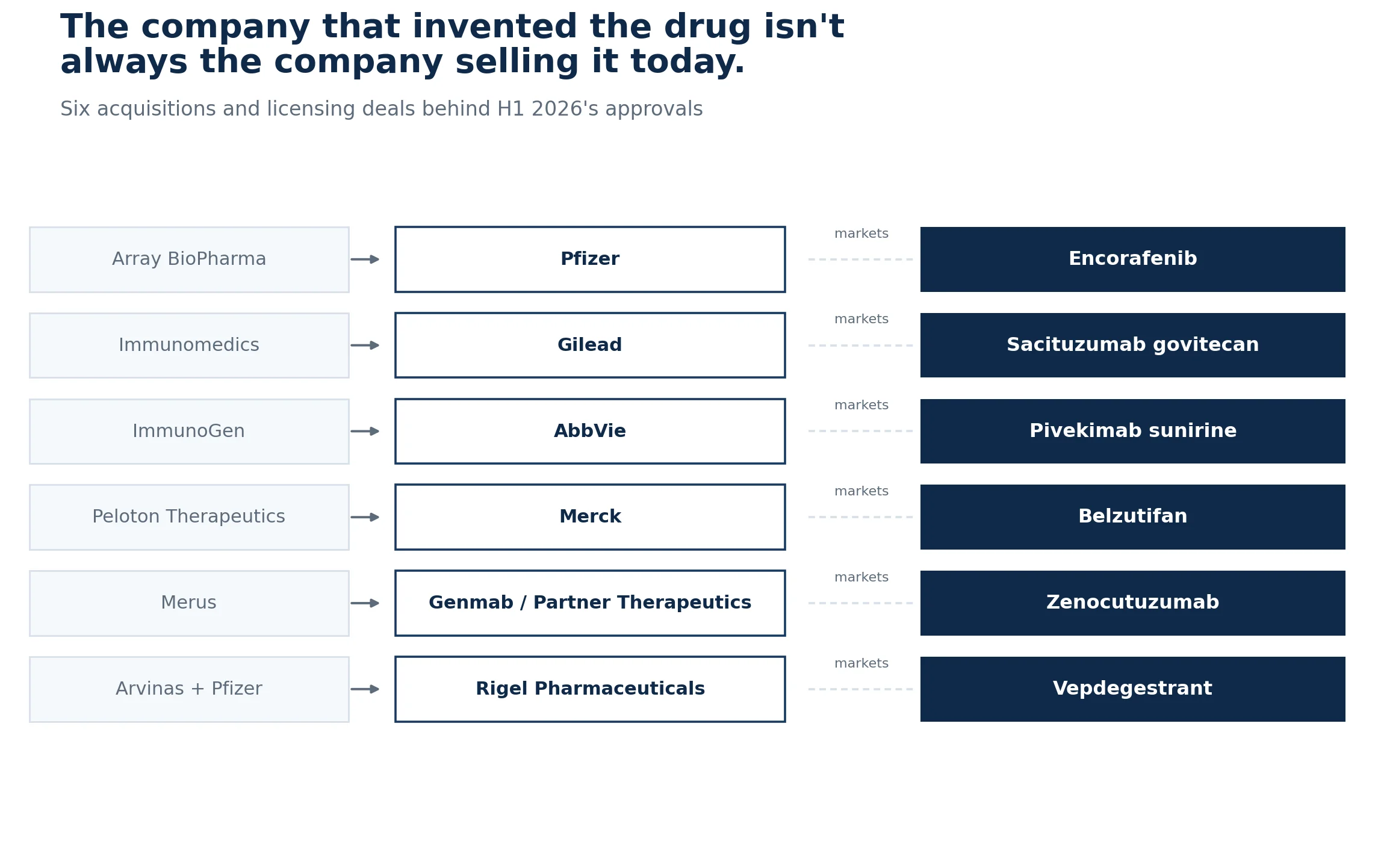
Daratumumab was discovered by Genmab, not Janssen. Janssen entered a worldwide licensing agreement with Genmab in 2012 and has led its development and commercialization since. Darzalex is now one of J&J’s major hematology assets.
Venetoclax
BCL2 inhibitor · New combination · Acerta Pharma · Taiho Oncology
Venetoclax provides another example of an established drug reappearing through new combinations. It featured in two of the approvals:
- Previously untreated CLL/SLL: acalabrutinib plus venetoclax. This is the first all-oral, fixed-duration BTK-inhibitor-plus-BCL2-inhibitor combination approved as frontline therapy for CLL, giving patients a chemotherapy-free path that doesn’t require indefinite treatment.
- Newly diagnosed AML in older or intensive-chemotherapy-ineligible adults: oral decitabine/cedazuridine plus venetoclax.
Even though venetoclax was not the drug around which either FDA announcement was primarily organized, it served as the common partner connecting two separate approvals led by different companies.
AbbVie / Genentech
Venetoclax is marketed through the AbbVie – Genentech/Roche collaboration. Neither 2026 record was credited to AbbVie as the principal company, one centered on AstraZeneca’s acalabrutinib, the other on Taiho’s decitabine/cedazuridine.
The same drug can sit inside multiple companies’ approval strategies. Venetoclax appeared in new regimens built around both AstraZeneca’s acalabrutinib and Taiho/Astex’s decitabine/cedazuridine, credited to neither company in the manufacturer tally.
Encorafenib
BRAF inhibitor · Earlier line expansion · Pfizer
Encorafenib moved earlier in BRAF V600E-mutant colorectal cancer:
- Metastatic BRAF V600E-mutant colorectal cancer: encorafenib plus cetuximab and fluorouracil-based chemotherapy.
The February 2026 action converted the earlier accelerated approval in this setting to traditional approval. Encorafenib itself first reached the FDA in 2018, when the encorafenib-binimetinib combination was approved for BRAF V600-mutant melanoma.
Pfizer / Array BioPharma
Braftovi came to Pfizer through its 2019 acquisition of Array BioPharma. Array had developed and commercialized the Braftovi-Mektovi franchise before becoming part of Pfizer.
The acquisition gave Pfizer an established precision-oncology franchise built around BRAF and MEK inhibition. The 2026 colorectal cancer expansion shows the longer arc of that deal: rather than remaining confined to melanoma, encorafenib has become part of Pfizer’s strategy in molecularly defined gastrointestinal cancer as well.
Zongertinib
HER2-selective TKI · Label expansion · Boehringer Ingelheim
Zongertinib had one of the fastest label expansions of the period:
- Unresectable or metastatic non-squamous NSCLC: expanded treatment for tumors carrying HER2 tyrosine-kinase-domain activating mutations.
Zongertinib had only received its first accelerated FDA approval in August 2025, initially for previously treated HER2-mutant NSCLC. Zongertinib is a HER2-selective tyrosine kinase inhibitor and represents the continued fragmentation of lung cancer into increasingly specific molecular subsets.
Boehringer Ingelheim
Zongertinib was developed internally by Boehringer Ingelheim rather than entering the portfolio through a major biotech acquisition.
That is notable in a list where many oncology assets changed hands before reaching the FDA. Zongertinib instead emerged directly from Boehringer’s own oncology research, adding HER2-mutant lung cancer to a pipeline increasingly focused on genetically defined tumors and targeted treatment.
Nivolumab
PD-1 inhibitor · First line expansion · BMS
Nivolumab received one major new frontline approval:
- Previously untreated stage III or IV classical Hodgkin lymphoma: nivolumab plus doxorubicin, vinblastine and dacarbazine – N-AVD – for adults and patients aged 12 years and older.
Like pembrolizumab, nivolumab belongs to the first generation of PD-1 inhibitors that reshaped oncology. Opdivo received its first FDA approval in December 2014 and has since expanded across many malignancies. The pivotal SWOG S1826 trial was conducted through the cooperative-group system rather than being simply another conventional industry-sponsored registration trial.
Bristol Myers Squibb
The Hodgkin lymphoma approval is an unusual chapter in the franchise because the pivotal trial was sponsored through the NCI-supported cooperative-group system rather than by BMS itself. Commercial ownership of the drug and ownership of the evidence-generating trial therefore sit on different sides of the approval.
Relacorilant
Selective glucocorticoid-receptor antagonist · First FDA approval · Corcept Therapeutics
Relacorilant represented a genuinely new drug entry:
- Platinum-resistant ovarian, fallopian tube or primary peritoneal cancer: relacorilant plus nab-paclitaxel after one to three prior systemic regimens, including prior bevacizumab.
Relacorilant is a selective glucocorticoid-receptor antagonist. Its March 2026 approval was its first FDA approval and introduced a mechanism very different from the checkpoint inhibitors, ADCs and conventional targeted agents dominating much of the period.
Corcept Therapeutics
Relacorilant was developed by Corcept Therapeutics, a company that has spent more than 25 years working almost entirely around one biological axis: cortisol and the glucocorticoid receptor. Corcept says that work has produced more than 1,000 proprietary cortisol modulators. Its first commercial success came in endocrinology with Korlym, approved for Cushing syndrome in 2012.
The 2026 approval was Corcept’s first move into commercial oncology and the first FDA approval of a selective glucocorticoid receptor antagonist. Rather than building an oncology portfolio around familiar kinase or immune targets, Corcept is testing whether manipulating stress-hormone signaling can change tumor behavior and treatment sensitivity – a strategy it is now studying beyond ovarian cancer as well.
Vepdegestrant
Oral PROTAC estrogen-receptor degrader · First FDA approval · First PROTAC · Arvinas · Pfizer
Vepdegestrant brought another new drug class into oncology:
- ER-positive/HER2-negative, ESR1-mutated advanced or metastatic breast cancer: following progression after at least one line of endocrine therapy.
Vepdegestrant is the first PROTAC, a targeted protein degrader class that had been in development for over a decade, ever cleared by the FDA for any indication. The agency approved it on May 1, 2026, ahead of its assigned June 5 review deadline.
Arvinas
Vepdegestrant came from Arvinas, the biotechnology company built around targeted protein degradation. Its PROTAC platform is designed to remove disease-driving proteins rather than simply block their activity. Pfizer joined the program in 2021 through a global development and commercialization partnership.
The corporate story changed almost immediately after approval. On May 12, 2026 Arvinas and Pfizer licensed exclusive global development, manufacturing and commercialization rights to Rigel Pharmaceuticals. That makes vepdegestrant an unusual case in this list: the drug validated the technology on which Arvinas was founded, but its commercial future moved to another company almost as soon as it reached the market.
Zenocutuzumab
HER2×HER3 bispecific antibody · Label expansion · Merus · Partner Therapeutics
Zenocutuzumab expanded into another NRG1 fusion-driven malignancy:
- Advanced NRG1 fusion-positive cholangiocarcinoma: after progression on or following prior systemic therapy.
The HER2×HER3 bispecific antibody had first been approved in December 2024 for NRG1 fusion-positive NSCLC and pancreatic adenocarcinoma. The 2026 cholangiocarcinoma approval therefore extended the same biological strategy across a third cancer type.
Merus and Partner Therapeutics
Zenocutuzumab was developed by Merus using its Biclonics bispecific-antibody platform. Partner Therapeutics entered the story later: in December 2024, Merus licensed Partner exclusive rights to commercialize Bizengri for NRG1 fusion-positive cancers in the United States. The split is therefore fairly clean – Merus built and clinically developed the molecule, while Partner took over its U.S. commercial role.
Sonrotoclax
BCL2 inhibitor · First FDA approval · BeOne Medicines
Sonrotoclax entered the U.S. market with:
- Relapsed or refractory mantle cell lymphoma: after at least two prior systemic therapies including a BTK inhibitor.
The May 2026 accelerated approval introduced another BCL2 inhibitor into hematologic oncology. Beqalzi entered a field in which BCL2 inhibition was already well established, but not yet in this particular heavily pretreated MCL population.
BeOne Medicines
Sonrotoclax was developed internally by BeOne Medicines, the company known as BeiGene until its 2025 rebranding and redomiciliation to Switzerland. The name changed, but hematologic oncology remained central to the business: BeOne had already built a major B-cell malignancy franchise around the BTK inhibitor zanubrutinib before bringing sonrotoclax forward as its next-generation BCL2 inhibitor.
Atezolizumab
PD-L1 inhibitor · New Diagnostic Strategy · Genentech · Roche
Atezolizumab gained a biomarker-driven adjuvant indication:
- Muscle-invasive bladder cancer: adjuvant atezolizumab after cystectomy in patients with detectable ctDNA molecular residual disease.
The approval is notable because ctDNA is not merely being measured as an exploratory endpoint. It determines which postoperative patients receive therapy.
Atezolizumab itself has been part of oncology since 2016, but its 2026 approval pairs an established checkpoint inhibitor with a much newer concept: molecular residual disease-guided treatment selection.
Genentech / Roche
Atezolizumab was developed by Genentech, which has been part of the Roche Group since 2009. By 2026, atezolizumab was already a mature checkpoint-inhibitor franchise, with indications across several tumor types rather than a new product trying to establish itself. What makes the 2026 approval different is the diagnostic strategy around the drug. Genentech paired an established immunotherapy with postoperative ctDNA testing to determine who should receive treatment after cystectomy.
Fam-Trastuzumab Deruxtecan
HER2-directed ADC · Early-stage expansion · Daiichi Sankyo · AstraZeneca
Fam-trastuzumab deruxtecan, or T-DXd, had one FDA approval action on May 15 – but that action contained two separate indications:
- Neoadjuvant HER2-positive stage II – III breast cancer: T-DXd followed by taxane, trastuzumab and pertuzumab.
- Adjuvant HER2-positive breast cancer: T-DXd for residual invasive disease after neoadjuvant trastuzumab- and taxane-based treatment.
Enhertu first received FDA approval in 2019 for previously treated metastatic HER2-positive breast cancer. The 2026 expansion moves T-DXd from advanced disease into the curative-intent neoadjuvant and adjuvant settings.
Daiichi Sankyo and AstraZeneca
Deruxtecan came out of Daiichi Sankyo’s ADC platform, with AstraZeneca joining through a global development and commercialization agreement in 2019. Daiichi Sankyo retained responsibility for manufacturing and supply, while the companies jointly built one of the largest clinical development programs around a single ADC.
The partnership has steadily pushed T-DXd beyond the setting in which it first made its name. What began as a treatment for advanced HER2-positive breast cancer has expanded across HER2-low disease, other HER2-driven tumors and now early breast cancer.
ADC competition is becoming a platform race.
Daiichi Sankyo and AstraZeneca entered H1 2026 with both HER2- and TROP2-directed deruxtecan ADCs receiving label expansions, the same underlying chemistry, aimed at two different targets.
Datopotamab Deruxtecan
TROP2-directed ADC · Label expansion · Daiichi Sankyo · AstraZeneca
A second Daiichi Sankyo ADC also expanded in 2026:
- First-line unresectable or metastatic TNBC: datopotamab deruxtecan for patients who are not candidates for PD-1/PD-L1 inhibitor therapy.
Datroway is a TROP2-directed ADC carrying a topoisomerase-I inhibitor payload. It first entered the U.S. market in January 2025 in HR-positive/HER2-negative advanced breast cancer.
Only about sixteen months later, it had moved into a first-line TNBC population.
Daiichi Sankyo and AstraZeneca
AstraZeneca and Daiichi Sankyo signed their global collaboration for datopotamab deruxtecan in 2020, a year after the Enhertu deal. Like T-DXd, the drug uses Daiichi Sankyo’s deruxtecan technology, but targets TROP2 rather than HER2.
Having both drugs on the 2026 approval list shows how broad that partnership has become. Enhertu is being pushed deeper into HER2-driven disease, while Datroway gives the companies a route into TROP2-expressing tumors, including triple-negative breast cancer. The strategy is no longer centered on one successful ADC; it is becoming a multi-target ADC portfolio built around the same underlying drug-development platform.
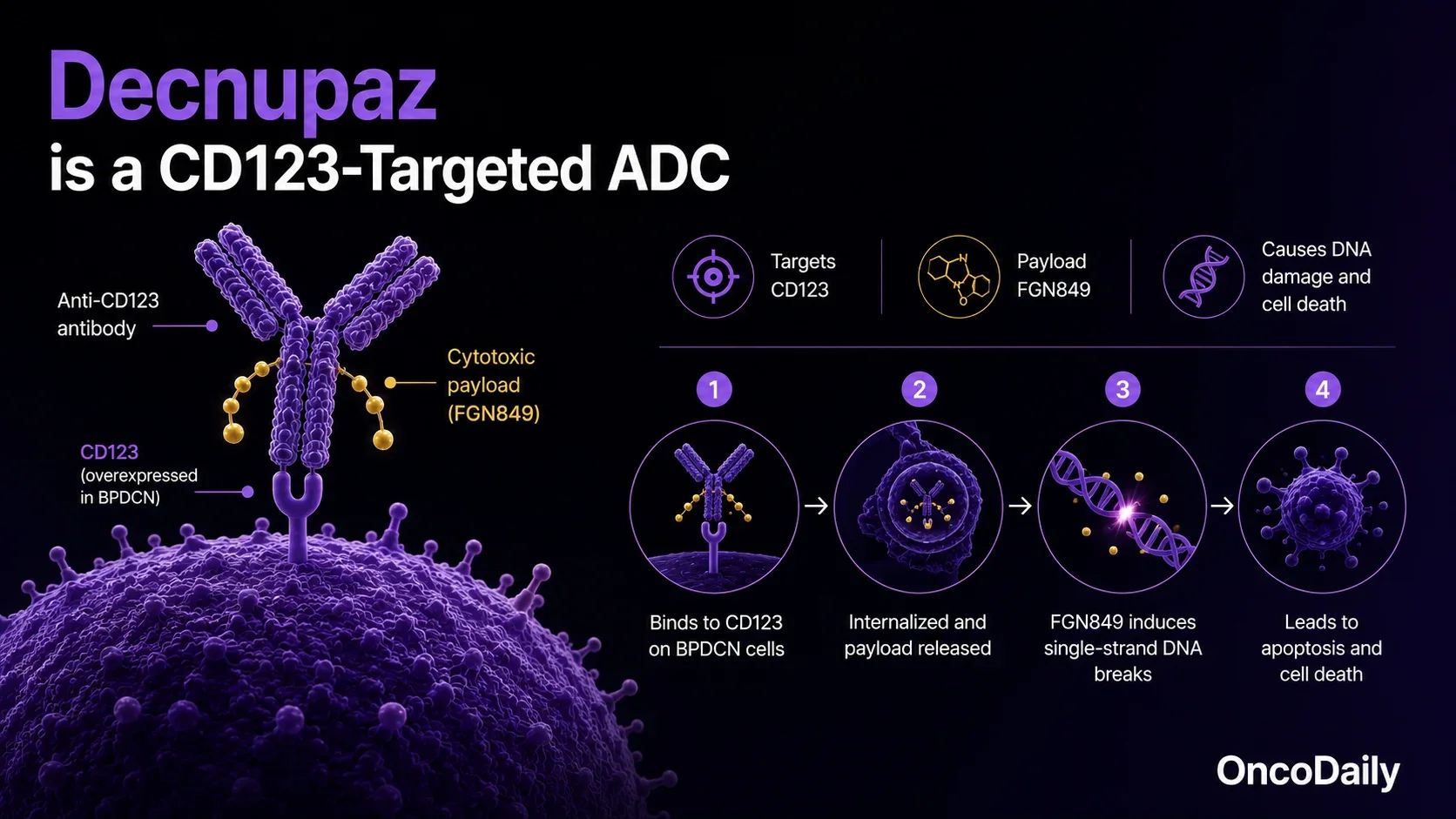
Pivekimab Sunirine
CD123-directed ADC · First FDA approval · AbbVie · ImmunoGen
Pivekimab sunirine entered one of the rarest hematologic malignancies:
- Blastic plasmacytoid dendritic cell neoplasm: pivekimab sunirine for adults with BPDCN.
Decnupaz is a CD123-directed antibody-drug conjugate carrying an alkylating payload. The May 2026 action was the drug’s first FDA approval.
AbbVie / ImmunoGen
Pivekimab sunirine originated at ImmunoGen, one of the companies that helped establish antibody-drug conjugates as a therapeutic platform. AbbVie acquired ImmunoGen in 2024, bringing its ADC pipeline – including pivekimab – into AbbVie’s oncology business.
Durvalumab
PD-L1 inhibitor · Earlier-line expansion · AstraZeneca
Durvalumab moved into another bladder-cancer setting:
- BCG-naïve high-risk non-muscle-invasive bladder cancer: durvalumab plus BCG.
Imfinzi first entered the FDA landscape in 2017. By 2026, it had developed into a broad immunotherapy platform spanning lung, hepatobiliary, gastrointestinal and genitourinary cancers.
AstraZeneca
Durvalumab sits on a different branch of AstraZeneca’s oncology portfolio. While the company has expanded aggressively into ADCs and targeted drugs, Imfinzi remains its major in-house immunotherapy franchise, with development spanning lung, liver, biliary tract, gastrointestinal and genitourinary cancers.
The bladder approval also brings the drug back close to where its regulatory story began: durvalumab’s first FDA approval in 2017 was in advanced urothelial carcinoma. Nearly a decade later, AstraZeneca is taking the same PD-L1 antibody into a much earlier bladder-cancer setting, combining it with BCG in patients with high-risk non-muscle-invasive disease. The molecule stayed the same; its place in the disease course moved dramatically.

Capivasertib
AKT inhibitor · New indication · AstraZeneca
Capivasertib crossed from breast cancer into prostate cancer:
- PTEN-deficient metastatic androgen pathway modulation-naïve or -sensitive prostate cancer: capivasertib plus abiraterone and prednisone.
Capivasertib is an AKT inhibitor. Truqap first received FDA approval in November 2023 in biomarker-selected HR-positive/HER2-negative advanced breast cancer. Its 2026 prostate-cancer indication extends the same PI3K/AKT pathway biology into another hormonally driven malignancy, this time selecting patients by PTEN deficiency.
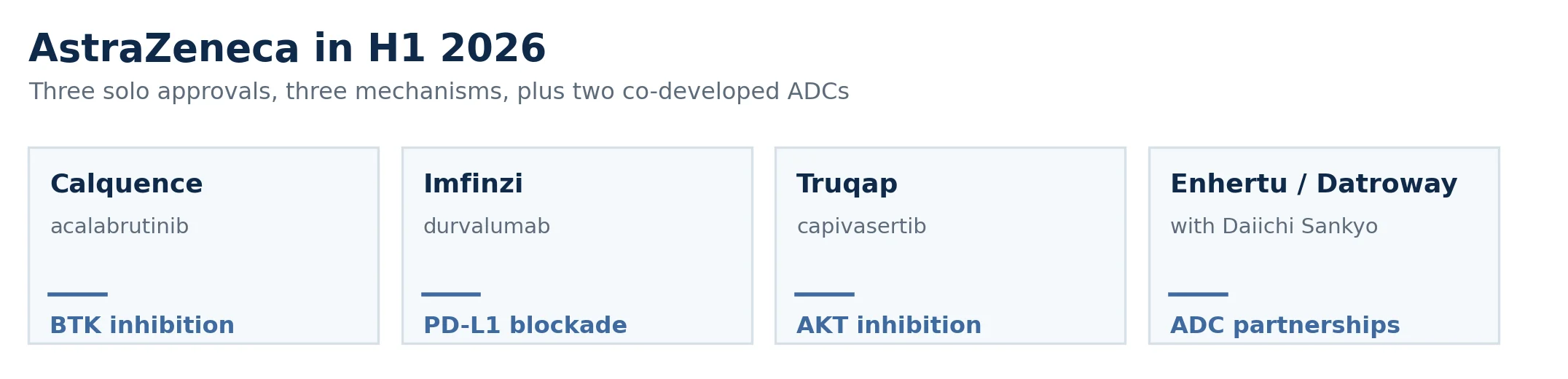
AstraZeneca
Capivasertib highlights another side of AstraZeneca’s strategy: building around biologically selected targeted therapy, rather than immunotherapy or ADCs. Truqap entered the market in breast cancer through alterations in the PI3K/AKT pathway; its prostate indication extends that same pathway into a different hormone-driven malignancy, this time using PTEN deficiency to select patients.
Taken together with acalabrutinib and durvalumab, the approval also shows the breadth of AstraZeneca’s first-half activity. Its three principal products in the dataset came from three different classes – BTK inhibition, PD-L1 blockade and AKT inhibition – before even counting its development partnerships with Daiichi Sankyo on Enhertu and Datroway. The company’s H1 presence was therefore broad in mechanism as well as in number.
Palbociclib
CDK4/6 inhibitor · New indication · Pfizer
Palbociclib entered a setting outside the disease phenotype with which it had historically been most closely associated:
- HR-positive/HER2-positive locally advanced or metastatic breast cancer: palbociclib plus trastuzumab, with or without pertuzumab, and endocrine therapy as maintenance after induction therapy.
Ibrance became the first FDA-approved CDK4/6 inhibitor in 2015, establishing the class in HR-positive/HER2-negative advanced breast cancer. The 2026 approval moves CDK4/6 inhibition across the HER2 boundary and into HR-positive/HER2-positive disease.
Pfizer
Ibrance is a very different Pfizer story from encorafenib. Palbociclib was developed within Pfizer and in 2015 became the first FDA-approved CDK4/6 inhibitor, helping establish a drug class that would reshape HR-positive metastatic breast cancer.
The 2026 approval is notable because it stretches that original franchise into HER2-positive disease after more than a decade largely associated with HER2-negative tumors. Pfizer reported that Ibrance had already been prescribed to more than 773,000 patients by the time the PATINA results were presented. The new indication therefore does not launch a new franchise; it extends the biological reach of one of the company’s longest-running breast-cancer drugs.
TREGZI
Allogeneic regulatory T-cell immunotherapy · First product for company · Orca Bio
The final approval of the six-month period was unlike any of the small molecules, antibodies or ADCs preceding it.
On June 30, the FDA approved:
- TREGZI: an allogeneic regulatory T-cell-based immunotherapy containing hematopoietic stem/progenitor cells and T cells for use in matched-donor hematopoietic stem-cell transplantation with myeloablative conditioning in adults with hematologic malignancies.
TREGZI is not a conventional anticancer drug and should not be described simply as an alternative to transplantation. It is part of the transplantation procedure itself, designed to provide hematopoietic and immune reconstitution while improving chronic GVHD-free survival.

Orca Bio
TREGZI is the first FDA-approved product from Orca Bio, a company built specifically around high-precision cell therapy for allogeneic transplantation. Its approach separates and precisely controls donor-cell populations rather than infusing the broader cellular mixture used in conventional graft processing.
That makes the June approval particularly consequential for the company. The company describes TREGZI as the first precision-engineered cell therapy approved for allogeneic transplantation, and the product now gives a relatively young biotechnology company a commercial position in a field usually dominated by transplant centers and complex hospital-based care rather than conventional oncology drug delivery.
Who Led 2026?
AstraZeneca is credited with 3 approvals by manufacturer, but sponsored 4 pivotal trials once its co-developed Daiichi Sankyo ADCs are counted. Twenty of the twenty-two trials behind this dataset were industry-sponsored; only two, an NCI cooperative-group study and an Alliance Foundation Trials study, weren’t.
On the drug side, rather than any single new molecule dominating headlines, it was existing platform drugs finding new combinations that recurred most often. Daratumumab-based regimens and pembrolizumab-based regimens each appeared in two separate approvals during the period.
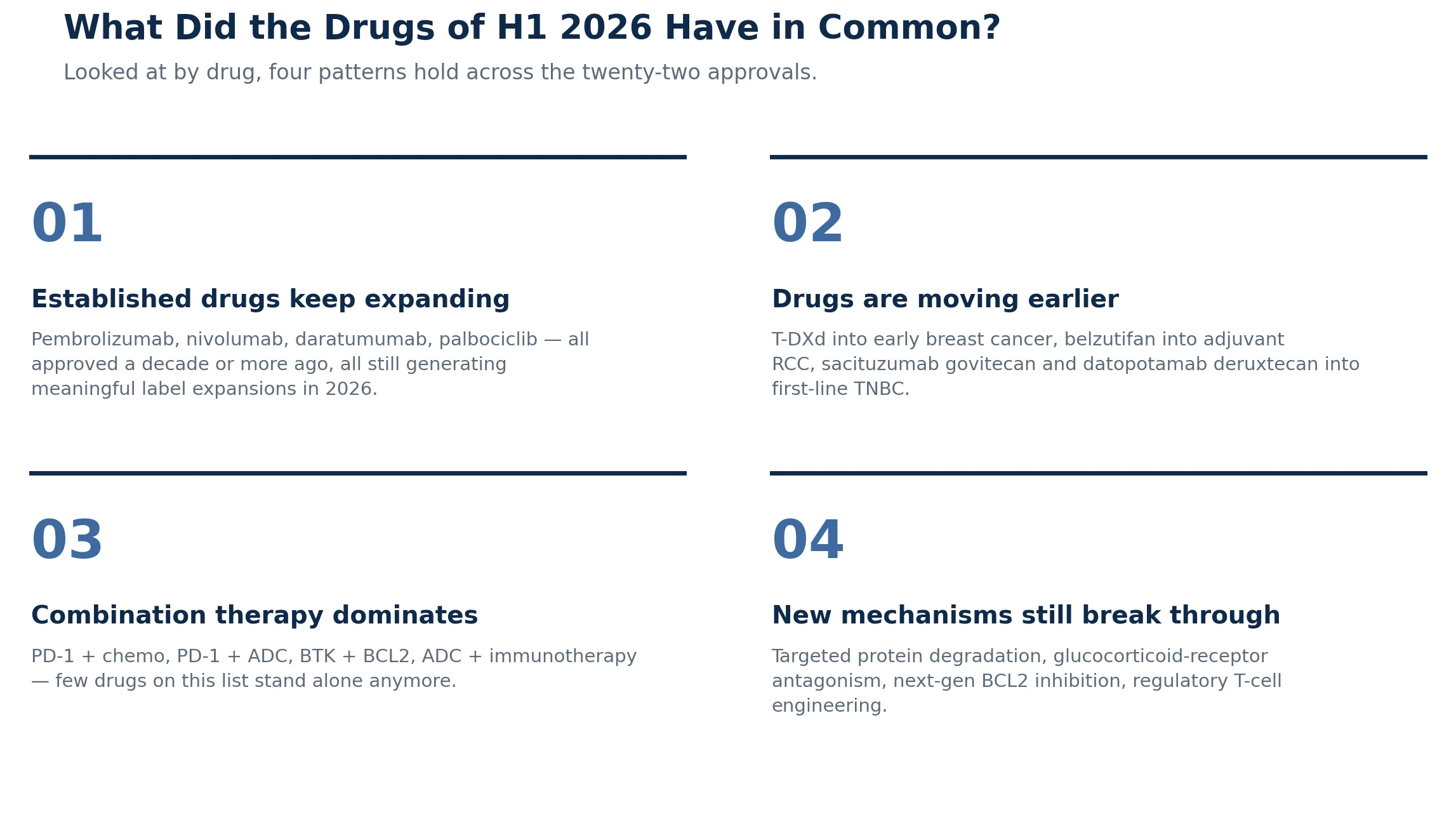
The first half of 2026 shows how single-agent monotherapy is becoming an exception rather than the rule. As drugs like daratumumab and pembrolizumab push deeper into early-stage lines, the future of oncology lies in strategic pairings of ADCs with checkpoint inhibitors or oral degraders with targeted backbones.
About BIGR
This study was conducted by the Boston Institute for Global Rankings (BIGR) – an academic initiative dedicated to transparent, data-driven evaluation of excellence in universities, medical centers, and healthcare professionals worldwide. With a focus on performance, impact, and innovation, BIGR aims to create meaningful global benchmarks for the future.
Think BIGR