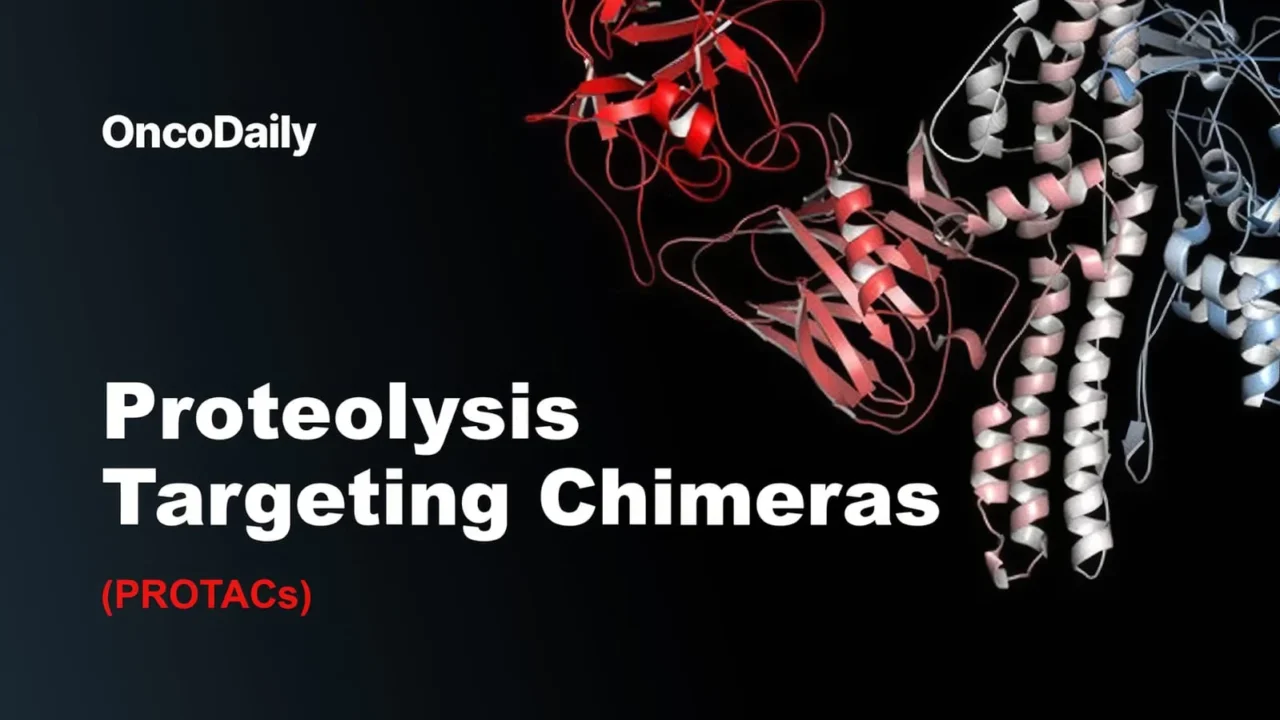
Cancer often grows because certain proteins inside cells stop following the rules. These proteins send constant signals telling the cell to divide, survive, and spread even when it shouldn’t. For many years, cancer treatments focused on blocking these harmful proteins. While this approach has helped many patients, it does not always work, especially when cancer cells become resistant or when the target protein cannot be blocked by existing drugs.
A new therapeutic strategy is now changing this approach. Instead of simply blocking cancer-causing proteins, scientists are learning how to remove them entirely. This strategy is based on proteolysis, the cell’s natural system for breaking down and recycling unwanted proteins. By using this built-in mechanism, researchers have developed a new class of molecules called Proteolysis Targeting Chimeras (PROTACs).
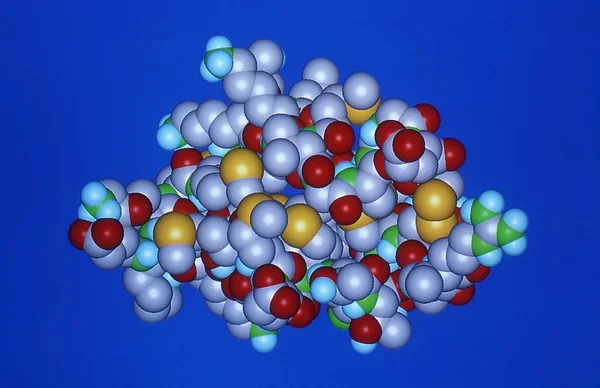
Photo: Depositphotos
In simple words, PROTACs act as molecular connectors that bring harmful proteins to the cell’s own degradation machinery, leading to their complete destruction. This innovative technology opens new possibilities for treating cancers that were once considered difficult or even impossible to target. In this article, we explore what PROTACs are, how they work, and why they represent a promising new direction in cancer therapy.
What Are PROTACs?
PROTACs, often described as hybrid chimeric molecules, have emerged as a promising strategy in cancer therapy due to their ability to selectively induce protein degradation rather than merely inhibit protein function.
These bifunctional molecules, known as proteolysis-targeting chimeras (PROTACs), act by simultaneously binding a protein of interest (POI) and recruiting an E3 ubiquitin ligase, thereby bringing both into close proximity.
Meyers, R. M. , Bryan J. G., McFarland J. M., et al. 2017. “Computational Correction of Copy Number Effect Improves Specificity of CRISPR–Cas9 Essentiality Screens in Cancer Cells.” Nature Genetics 49, no. 12: 1779–1784.
Structurally, PROTACs are heterobifunctional molecules composed of three key elements:
- ligand that binds the POI,
- ligand that recruits the E3 ubiquitin ligase,
- chemical linker connecting the two.
Upon formation of the ternary complex, PROTACs promote the transfer of ubiquitin molecules to lysine residues on the target protein, resulting in polyubiquitination. The polyubiquitinated POIs are subsequently recognized by the 26S proteasome, where ubiquitin chains are removed and the target proteins are efficiently degraded.
Cromm, P. M. , and Crews C. M.. 2017. “The Proteasome in Modern Drug Discovery: Second Life of a Highly Valuable Drug Target.” ACS Central Science 3, no. 8: 830–838.
How Do PROTACs Find Harmful Cancer Proteins?
PROTACs are rationally designed molecules that target specific cancer-causing proteins for elimination by hijacking the cell’s own protein-degradation machinery. Unlike traditional small-molecule drugs, which typically act by temporarily blocking the activity of a protein, PROTACs function by physically removing the target protein from the cell. They achieve this by simultaneously binding to a protein of interest and recruiting an E3 ubiquitin ligase, thereby bringing the two into close proximity. This induced interaction triggers the ubiquitin–proteasome system, a natural cellular pathway responsible for identifying and degrading unwanted proteins.
Once engaged, the harmful protein is tagged with multiple ubiquitin molecules, marking it for recognition by the 26S proteasome. The proteasome then deubiquitinates and degrades the target protein into small, non-toxic peptides, effectively eliminating its biological function. Because PROTACs act through degradation rather than inhibition, their effects can be more sustained, as the cell must synthesize new protein molecules to restore function.
Crucially, this strategy depends on high molecular specificity. PROTACs are carefully engineered to recognize unique structural features of the target protein, ensuring selective degradation of cancer-associated proteins while minimizing unintended effects on healthy cellular proteins. This precise targeting underlies the therapeutic promise of PROTACs and distinguishes them from conventional cancer therapies that often affect both diseased and normal cells. María Arenas-Moreira, Alberto Ocaña, Iván Bravo, Carlos Alonso-Moreno, PROTAC delivery systems: Innovative approaches for cancer treatment, Biomedicine & Pharmacotherapy, Volume 194, 2026, 118892, ISSN 0753-3322, https://doi.org/10.1016/j.biopha.2025.118892.
How Do They “Tag” These Proteins For Removal?
Once a PROTAC has bound both the target protein and an E3 ubiquitin ligase, it triggers a highly specific tagging process that marks the harmful protein for destruction. This process occurs through the ubiquitin proteasome system (UPS), a natural cellular pathway responsible for removing proteins that are damaged, misfolded, or otherwise unnecessary. PROTACs harness this system by bringing the target protein into close proximity with the recruited E3 ligase, which is the enzyme that ultimately transfers ubiquitin molecules onto the target.
Ubiquitination is carried out through a cascade of enzymatic steps involving three types of enzymes: E1 ubiquitin-activating enzymes, E2 ubiquitin-conjugating enzymes, and E3 ubiquitin ligases. The E3 ligase plays a key role in selective recognition — it binds both the ubiquitin-charged E2 enzyme and the target protein brought in by the PROTAC. This interaction enables the transfer of ubiquitin onto lysine residues on the surface of the target protein.
Through successive rounds of ubiquitin transfer, a polyubiquitin chain is built on the target protein. This chain serves as a molecular “tag” that signals the 26S proteasome, the cell’s protein-degrading machine, to recognize and process the tagged protein. Importantly, the PROTAC molecule itself is not consumed during ubiquitination: after tagging the protein, it can dissociate and engage other molecules of the same target. This catalytic mode of action allows a single PROTAC to direct the degradation of multiple copies of the harmful protein. Liu, Z., Hu, M., Yang, Y. et al. An overview of PROTACs: a promising drug discovery paradigm. Mol Biomed 3, 46 (2022). https://doi.org/10.1186/s43556-022-00112-0
You Can Also Read Exosome Based Cancer Therapy: The Future of Targeted Treatment by OncoDaily
Why Are PROTACs Different From Regular Cancer Drugs?
PROTACs represent a fundamentally new category of therapeutic agents because they eliminate disease-causing proteins rather than simply blocking their activity. Traditional small-molecule cancer drugs generally work by occupying the active site of a target protein to inhibit its function. This occupancy-driven approach requires the drug to remain bound continuously and often must be present at high concentrations to maintain therapeutic effect.
In contrast, PROTACs operate through an event-driven mechanism: after bringing a target protein into proximity with an E3 ubiquitin ligase, they initiate ubiquitination and proteasomal degradation of the entire protein. Because the PROTAC molecule is released and can be reused after each degradation event, it can catalytically destroy multiple copies of a target protein, meaning lower doses can achieve strong biological effects. This catalytic mode of action also helps PROTACs avoid some forms of drug resistance that arise when mutations alter a protein’s active site or when target proteins are overexpressed.
Furthermore, because PROTACs do not require a classical active site on the protein to bind and tag it for destruction, they can target proteins that traditional inhibitors cannot, including transcription factors and scaffolding proteins previously considered “undruggable.” Xiao, M.; Zhao, J.; Wang, Q.; Liu, J.; Ma, L. Recent Advances of Degradation Technologies Based on PROTAC Mechanism. Biomolecules 2022, 12, 1257. https://doi.org/10.3390/biom12091257
What Benefits Could PROTACs Bring To Cancer Patients?
PROTACs offer several important benefits over traditional cancer therapies because they remove disease-causing proteins from cells rather than just blocking their activity. One major advantage is that PROTACs act in a catalytic way after tagging a harmful protein for degradation, the PROTAC molecule is released and can be reused to target additional copies of the same protein. This means they can be effective at lower doses, which may reduce side effects for patients and improve safety compared with conventional drugs that must remain bound to their target to be effective.
By degrading the entire protein, PROTACs can also eliminate both enzymatic and non-enzymatic functions of a target, whereas traditional inhibitors often only block one function. This broader impact can be especially helpful when a protein has multiple roles in cancer growth and survival. Additionally, PROTACs have the potential to overcome drug resistance that often develops with traditional therapies because they remove the protein entirely rather than relying on continuous inhibition of its activity.
Another benefit is the ability of PROTACs to expand the range of treatable targets. Because they do not require an enzyme’s active site to bind, PROTACs can target proteins that were previously considered “undruggable,” such as certain transcription factors and scaffolding proteins involved in regulating cell growth.
Finally, the precise mechanism of protein degradation may allow for greater specificity and selectivity, helping to spare healthy cells while targeting cancer cells, which could translate into better efficacy with fewer off-target effects. Nalawansha DA, Crews CM. PROTACs: An Emerging Therapeutic Modality in Precision Medicine. Cell Chem Biol. 2020 Aug 20;27(8):998-1014. doi: 10.1016/j.chembiol.2020.07.020. Epub 2020 Aug 13. PMID: 32795419; PMCID: PMC9424844.
What Challenges Still Exist With PROTAC Treatments?
Although PROTACs represent an exciting new approach to cancer treatment, they are still a developing technology and come with several challenges. One of the main difficulties is that PROTAC molecules are larger and more complex than many traditional cancer drugs. Because of this, it can be harder for them to enter cells efficiently or be absorbed well when taken as pills.
Another challenge is how PROTACs behave inside the body over time. Scientists must carefully design them so they remain stable long enough to do their job, but not so long that they cause unwanted effects. Finding the right balance between effectiveness, safety, and proper dosing is still an active area of research. Békés M, Langley DR, Crews CM. PROTAC targeted protein degraders: the past is prologue. Nat Rev Drug Discov. 2022 Mar;21(3):181-200. doi: 10.1038/s41573-021-00371-6. Epub 2022 Jan 18. PMID: 35042991; PMCID: PMC8765495.
Selectivity is also important. PROTACs are designed to remove specific harmful proteins, but if they affect similar proteins in healthy cells, this could lead to side effects. Researchers are working to make PROTACs as precise as possible, so they target cancer cells while leaving normal cells largely unharmed.
Cancer cells may also adapt over time. In some cases, they can change the pathways that PROTACs rely on, making the treatment less effective. Understanding and overcoming these resistance mechanisms is an important step toward long-term success.
Finally, because PROTACs are complex molecules, producing them on a large scale and testing them thoroughly in patients takes time. While several PROTAC-based drugs are already being tested in clinical trials, more studies are needed to confirm their long-term safety and effectiveness. Cromm, P. M., & Crews, C. M. (2017).The proteasome in modern drug discovery: Second life of a highly valuable drug target. ACS Central Science, 3(8), 830–838.
Which Cancers Might PROTACs Help Treat?
PROTACs have the potential to treat a variety of cancers because they can target proteins that drive tumor growth and survival. Some of the most studied cancers include:
- Prostate Cancer: PROTACs can remove the androgen receptor (AR), a protein that fuels the growth of many prostate cancers, including forms that no longer respond to standard hormone therapies.
- Breast Cancer: By degrading the estrogen receptor (ER), PROTACs offer a new approach for hormone-dependent breast cancers, especially when tumors become resistant to traditional drugs.
- Blood Cancers: Proteins like BTK and IRAK4, which are important in certain leukemias and lymphomas, can be targeted and degraded by PROTACs, offering new options for patients with resistant blood cancers.
- Other Solid Tumors: PROTACs targeting proteins such as BRD4 or STAT3, which help cancer cells grow and avoid the immune system, are being studied in a wide range of solid tumors, including lung, liver, and colorectal cancers.
- Neurodegenerative Disease-Linked Proteins (Experimental): While not cancer, PROTACs are also being explored for removing tau protein in neurodegenerative disorders, showing the flexibility of this approach beyond oncology.
Because PROTACs work by degrading the harmful protein rather than just inhibiting it, they have the potential to overcome drug resistance and treat cancers that are difficult to manage with conventional therapies. Ongoing clinical trials are testing these molecules in patients, and early results show encouraging activity in prostate and breast cancers. Gao, H., Sun, X., & Rao, Y. (2020). PROTACs: Emerging targeted therapeutics in oncology. Trends in Pharmacological Sciences, 41(6), 432–446.
Are PROTAC Medicines Being Tested In Clinical Trials Now?
PROTAC medicines are already being tested in patients with certain types of cancer, and these clinical trials are helping scientists learn how safe and effective this new technology can be. PROTACs work in a completely different way from most cancer drugs. Instead of just blocking a harmful protein temporarily, they remove the entire protein from the cancer cell, which can stop the cancer from growing more effectively.
Two of the most advanced PROTAC drugs are ARV-110 and ARV-471. ARV-110 targets the androgen receptor in prostate cancer, which is a protein that helps the cancer grow. Early results from clinical trials show that ARV-110 can shrink tumors or slow their growth in patients whose cancers no longer respond to standard hormone therapies. ARV-471 works on the estrogen receptor in breast cancer. It has shown promise in helping patients whose tumors have become resistant to traditional hormone-blocking medicines.
One of the reasons scientists are excited about PROTACs is that they act like tiny cleanup crews inside the cell, removing harmful proteins completely. Because they are designed to target only the proteins that cause disease, they may cause fewer side effects than conventional drugs that affect many proteins at once. Additionally, PROTACs are reusable inside the body, meaning one molecule can remove multiple copies of the harmful protein, which can make treatment more efficient and powerful.
Clinical trials are ongoing to test PROTACs in more types of cancers, and researchers are carefully monitoring how well patients respond, what doses are safe, and what side effects might appear. While more research is needed before these medicines become widely available, the early results are very encouraging. PROTACs represent a new frontier in cancer treatment, offering hope for patients with cancers that have become resistant to standard therapies.
With careful design, advanced research, and real-world testing in clinical trials, PROTACs show that biotechnology can create precise, safe, and effective ways to fight cancer, giving patients and doctors new tools in the fight against disease. Burslem, G. M., & Crews, C. M. (2020). Proteolysis-targeting chimeras as therapeutics and tools for biological discovery. Cell, 181(1), 102–114.
You Can Also Read Synthetic Lethality in Oncology: Challenges, Trials & Future Therapies (2025 Update) by OncoDaily
What Does The Future Of PROTAC Cancer Therapy Look Like?
The future of PROTAC cancer therapy looks very bright. Scientists are continuing to explore these medicines because they offer a completely new way to fight cancer by removing the harmful proteins that help tumors grow, instead of just blocking them. This approach could work for many types of cancers, including ones that no longer respond to standard treatments.
Researchers are also designing PROTACs to be even more precise, targeting only the proteins that cause disease while leaving healthy cells untouched. This means future PROTAC medicines could be safer, with fewer side effects than many current cancer therapies.
Another exciting possibility is that PROTACs could be combined with other cancer treatments, like immunotherapy or chemotherapy, to create powerful treatment plans that attack cancer from multiple angles. Scientists are also exploring ways to use PROTACs for proteins that were previously considered “undruggable,” which could open doors to treating cancers that are currently very hard to manage.
Early clinical trials, like those testing ARV-110 for prostate cancer and ARV-471 for breast cancer, have already shown that PROTACs can work in real patients, giving hope to people with cancers resistant to traditional therapies. As research continues, more PROTAC medicines will enter clinical trials, and we may soon see these innovative treatments become part of standard cancer care.
In short, PROTACs represent a new era of precision medicine, offering hope that future cancer treatments will be more effective, safer, and able to help patients who have few other options. Mullard, A. (2021). Targeted protein degraders crowd into the clinic. Nature Reviews Drug Discovery, 20, 247–250.
Written by Anahit Mkrtchyan
FAQ
How do I know if PROTACs are right for me?
Your doctor can tell you if a PROTAC medicine might help based on your cancer type, previous treatments, and health. PROTACs are usually offered in clinical trials for patients who could benefit from them.
Can I get PROTAC treatment now?
Most PROTAC medicines are still in clinical trials, so they are not widely available yet. Your doctor can help you find a trial if you are eligible.
How is PROTAC medicine given?
PROTACs are usually taken as a pill, but some may be given in other ways depending on the trial. Your healthcare team will explain exactly how it will be given to you.
Can PROTACs be used with other cancer treatments?
Yes! Researchers are studying how PROTACs can be combined with other therapies like chemotherapy, hormone therapy, or immunotherapy to make treatment more effective.
Will PROTACs harm healthy cells?
PROTACs are designed to target only the harmful proteins in cancer cells, so healthy cells are mostly spared. This may help reduce side effects compared with traditional cancer drugs.
How soon might I see results?
Every patient is different. Some people may see changes in their tumor size or symptoms within weeks or months, while others may take longer. Your doctor will monitor your progress carefully.
Can cancer become resistant to PROTACs?
It’s possible, as with any treatment. But because PROTACs remove the harmful protein entirely, they may overcome some resistance that stops other drugs from working.
Do I need special tests before starting PROTACs?
Yes. Doctors may do tests to check your tumor type, protein levels, and overall health to make sure PROTAC treatment is safe and likely to help you.
How will doctors know if PROTACs are working?
Doctors use scans, blood tests, and other checks to see if the tumor is shrinking or the cancer is slowing down. They may adjust treatment if needed.
What happens if PROTAC treatment doesn’t work?
If PROTACs don’t work, your doctor will discuss other treatment options. Even if one treatment doesn’t help, there are usually multiple ways to manage cancer and keep you as healthy as possible.