Welcome to OncoDaily Weekly, your all-in-one roundup of this week’s oncology news, policy shifts, scientific advances, leadership moves and insightful stories from February 9-15.
This week oncology drug pricing negotiations moved forward. Regulatory approvals expanded options. Global leaders called for deeper reform. Scientists questioned dosing dogma. And culture intersected with cancer in unexpected ways – including a Nobel laureate publicly embracing Bad Bunny’s Super Bowl moment.
Global Policy & Systems: The Architecture of Cancer Care Is Shifting
Medicare Drug Pricing Debate Intensifies
The U.S. government moved forward with expanded Medicare drug price negotiations, including high-cost oncology agents. The policy aims to lower out-of-pocket costs for seniors, but raises concerns about downstream effects on pharmaceutical innovation and investment in cancer drug development. The central tension: affordability versus R&D sustainability.
US–India Drug Collaboration
A new strategic agreement between the United States and India aims to expand pharmaceutical manufacturing and supply chain resilience. This partnership is particularly relevant to oncology generics and biosimilars, potentially stabilizing global drug shortages while influencing pricing structures worldwide.
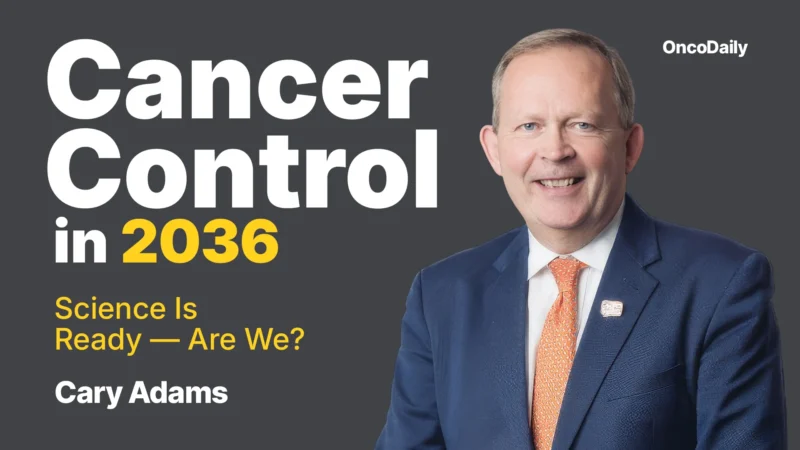
Cary Adams on Global Leadership
In a powerful reflection, Cary Adams, CEO of UICC, emphasized that cancer control progress requires political courage and sustained financing. The message underscored global solidarity and the urgency of coordinated action across governments and institutions.
EU–Latin America Health Cooperation
The European Union advanced collaboration with Latin American partners on health systems strengthening, digital transformation, and equitable access to care. Cancer control and pharmaceutical regulation were key focal points, reinforcing oncology as a central pillar in transcontinental health diplomacy.
National Cancer Control Plan Updates in England
A renewed emphasis on national cancer control planning highlighted England’s prevention, screening expansion, and survivorship infrastructure. The broader message: cancer policy is moving from reactive treatment models toward integrated, long-term system design.
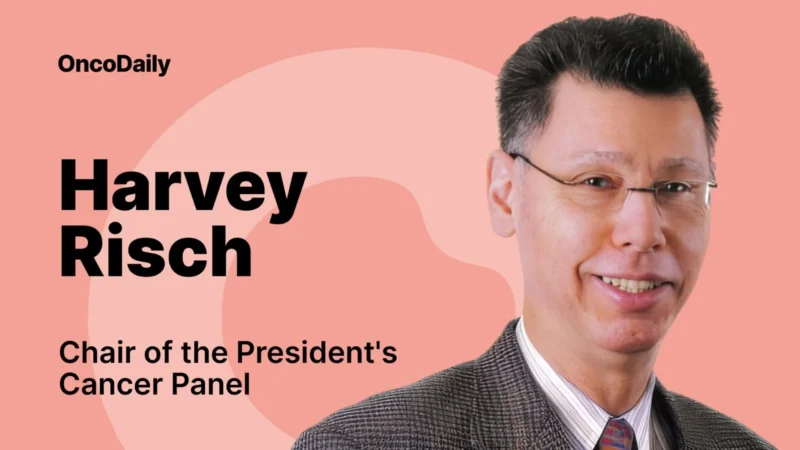
President’s Cancer Panel Welcomes Its’ New Leader
Harvey Risch, Professor Emeritus and Senior Research Scientist in Epidemiology at the Yale School of Public Health and Yale School of Medicine, was appointed as Chair of the President’s Cancer Panel.
FDA & Regulatory Milestones
FDA Approves Optune + Chemotherapy for Pancreatic Cancer
The U.S. Food and Drug Administration approved tumor-treating fields (Optune) combined with chemotherapy for pancreatic cancer — a notable expansion of device-based oncology treatment. This approval represents diversification of therapeutic modalities in one of the most aggressive malignancies.
FDA Expands Pembrolizumab Indications
Another FDA approval broadened the use of pembrolizumab in oncology, reinforcing the sustained dominance of immunotherapy across tumor types and lines of therapy.
Clinical Research & Scientific Breakthroughs
PATINA Trial: Palbociclib in Breast Cancer
The PATINA trial demonstrated meaningful improvements in progression-free survival with palbociclib in advanced hormone receptor–positive breast cancer.
Low-Dose Immunotherapy: Rethinking Dosing Paradigms
Emerging data suggests that lower-dose immunotherapy may preserve efficacy while reducing toxicity and cost. If validated broadly, this could transform both clinical protocols and access frameworks.
Chemo Brain: New Mechanistic Insights
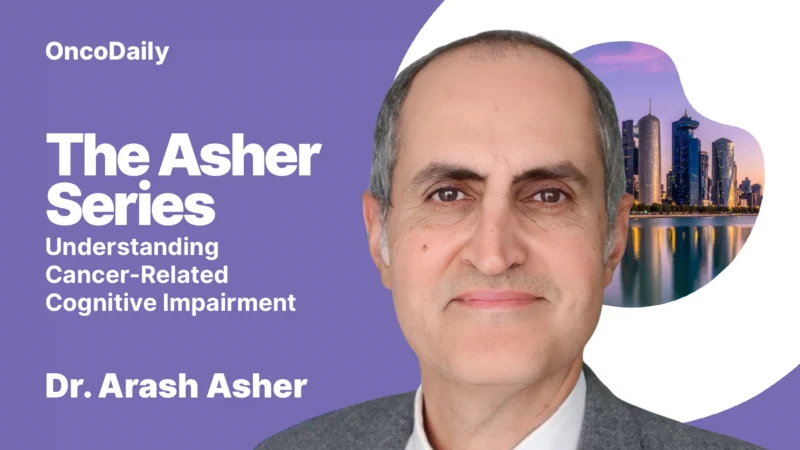
New series at OncoDaily with Dr Arash Asher explored the biological underpinnings of chemotherapy-associated cognitive impairment. The discussion reframed “chemo brain” from anecdotal symptom to biologically grounded condition, opening new avenues for intervention.
Voices & Perspective
CancerWorld February Issue
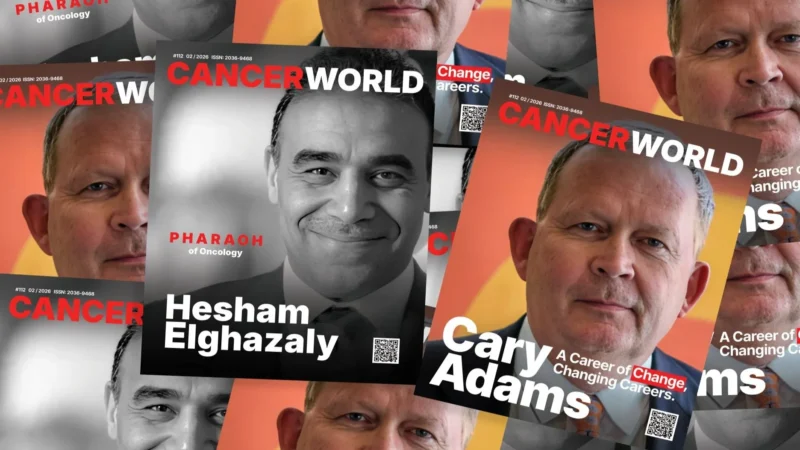
Two CancerWorld features examined evolving narratives in oncology communication and patient engagement, highlighting the importance of storytelling in shaping public and professional understanding of cancer.
Cary Adams: A Career of Change, Changing Careers
The Pharaoh of Egypt’s Oncology – Hesham ElGhazaly
CancerWorld
Garo Armen: Progress Must Go Further
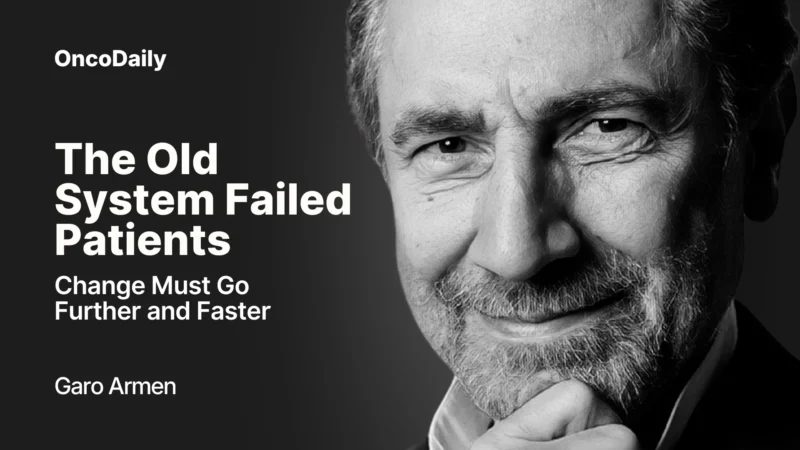
Garo Armen argued that scientific breakthroughs alone are insufficient. Structural reform, transparency, and deeper implementation accountability are required to ensure that innovation translates into real patient benefit.
I support the leadership and structural changes underway. I have argued for them, forcefully, for decades. But support for change does not mean patience for continued inertia. Reform that does not accelerate access for patients is not reform.
Nobel Laureate Applauds Bad Bunny’s Super Bowl Message
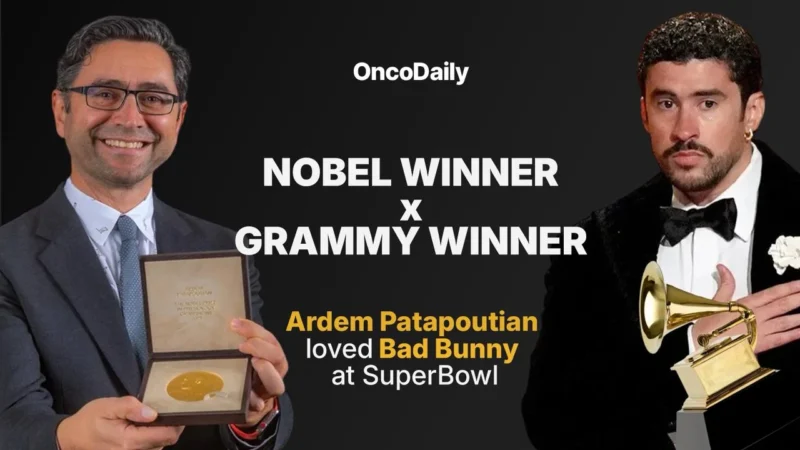
A Nobel Prize winner Ardem Patapoutian publicly praised Bad Bunny’s Super Bowl halftime performance for its cultural and political messaging.
It was uplifting, beautiful, and respectful.
Ardem Patapoutian and Bad Bunny
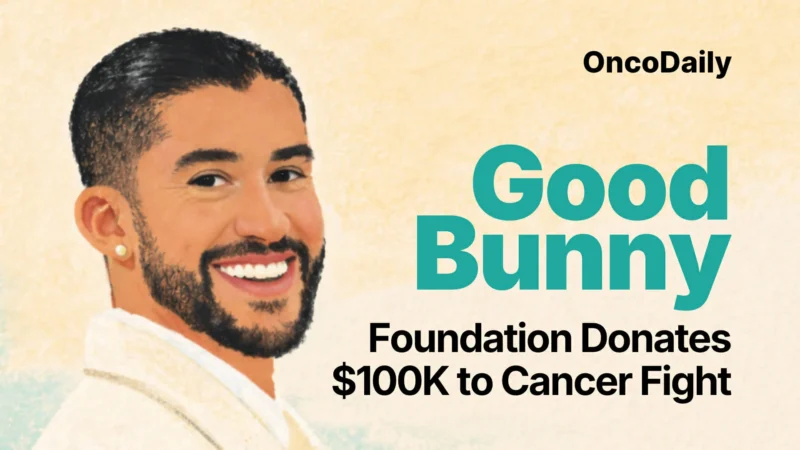
Bad Bunny’s Good Bunny Foundation’s philanthropic initiatives continue to fund community-based programs, reinforcing how entertainment figures increasingly contribute to health and social equity causes.
Valentine’s Day Reflection
On Valentine’s Day we asked our community to anonymously share their message with their loved ones – words they fail to say in person. We explored love, vulnerability, and emotional resilience in the cancer journey – focusing on the human dimension of oncology beyond clinical endpoints.

International Women’s Day in Oncology
OncoDaily highlighted women leaders driving research, advocacy, and systems change in oncology, emphasizing representation and leadership visibility.
AMSTRO Highlights
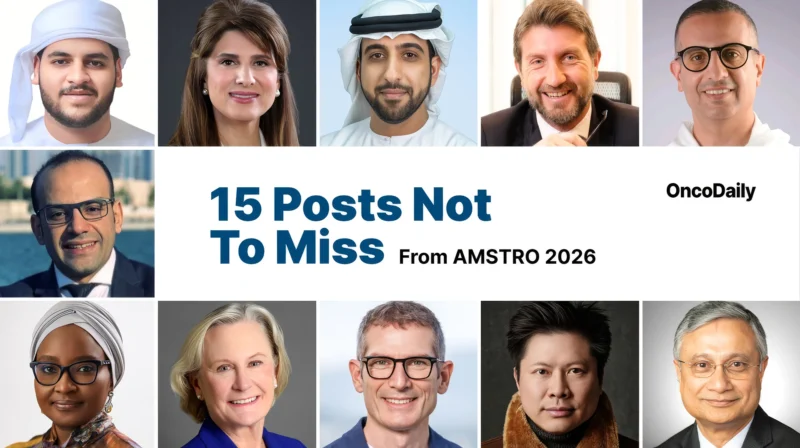
OncoDaily curated major discussions and abstracts from AMSTRO, focusing on advances in radiation oncology and practice-changing data.
OncoDaily TV
This week’s episodes featured in-depth expert discussions expanding on policy, research, and innovation themes shaping global oncology
by Elen Baloyan, Managing Editor of OncoDaily