Every year on February 11, the world marks the International Day of Women and Girls in Science, a global observance established by the United Nations to recognize the vital role women and girls play in science and technology. In 2026, this day is more than a celebration of progress. It is a reminder that scientific advancement depends on opportunity, inclusion, and the freedom for talent to thrive. For the oncology community, including readers and contributors of OncoDaily, this observance carries special meaning because cancer research and care demand diverse perspectives, strong leadership, and equitable participation across every discipline.
Why This Day Matters in 2026
The importance of this day begins with visibility. When women and girls see their contributions recognized publicly, science becomes a more accessible path rather than an exclusive space. Yet visibility alone is not enough. Despite decades of improvement, women remain underrepresented in many areas of STEM, especially in senior leadership, high-impact research roles, and decision-making positions that shape scientific priorities. Progress is often slowed by persistent barriers such as unconscious bias, unequal access to mentorship and sponsorship, and institutional systems that do not always support long-term career continuity.
In oncology, these challenges matter directly because the field is built on collaboration. Cancer research increasingly relies on multidisciplinary teamwork, combining molecular biology, bioinformatics, clinical trial design, public health, and patient-centered care. When participation is unequal, science loses perspectives that could influence research questions, trial inclusion, and the translation of discoveries into real-world outcomes. A more inclusive scientific environment strengthens innovation by widening the range of ideas and experiences driving research forward.
The Relevance to Oncology and Global Health
The oncology workforce includes countless women contributing as researchers, clinicians, data scientists, pharmacists, radiation specialists, nurses, and public health leaders. However, the level of representation in leadership does not always reflect the scale of contribution. This imbalance can influence what gets prioritized, what receives funding, and how research is designed. The International Day of Women and Girls in Science offers an opportunity for the oncology community to reflect on these gaps and to reaffirm that equity is not separate from excellence. When women scientists and clinicians are supported to lead, cancer research becomes more responsive, more inclusive, and better aligned with the needs of diverse patient populations.
There is also a long-term global health dimension. Strengthening scientific participation among women contributes to stronger health systems, particularly in settings where women are central to healthcare delivery but may have fewer opportunities in research leadership. Empowering women in science helps build resilient networks of expertise, training, and innovation—an essential foundation for addressing cancer disparities across regions.
A Pioneer Who Changed Medicine: Marie Curie
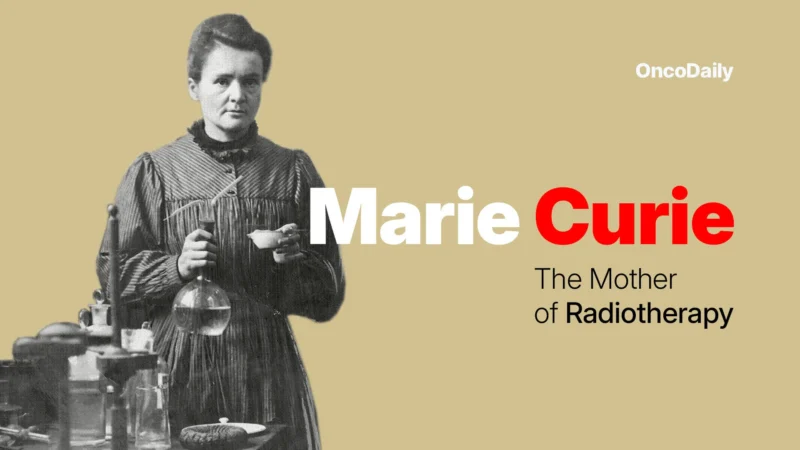
Few scientists symbolize perseverance and impact as clearly as Marie Curie. Her groundbreaking research on radioactivity transformed modern science and laid foundations that continue to shape medicine today. Curie became the first woman to win a Nobel Prize and remains the only person to receive Nobel Prizes in two different scientific disciplines, Physics and Chemistry. Her discoveries did not remain confined to theory. They helped open the door to medical uses of radiation, which later became central to cancer diagnosis and treatment. The legacy of her work can still be felt in radiation oncology, in radiopharmaceutical development, and in the broader scientific understanding of how radiation interacts with biological systems.
Curie’s story matters not only because of what she discovered, but because of what she endured. She worked in an era when women were systematically excluded from academic institutions and scientific recognition. Her success stands as a powerful reminder that brilliance is universal, while opportunity often is not. Remembering Curie on this day is a way to honor scientific history while also acknowledging the responsibility to remove barriers that still exist.
Marie Curie: The Mother of Radiotherapy Whose Light Still Guides Cancer Medicine
Why Role Models and Recognition Matter
In every generation, role models do more than inspire. They shape expectations. They help students imagine futures that might otherwise feel out of reach. This is especially important in oncology, where the path to becoming a scientist or clinician can be long and demanding. When young girls see women leading clinical trials, presenting at major congresses, chairing departments, and driving discovery, the message becomes clear: science is not a closed door. It is a space where they belong.
Recognition also has practical consequences. Visibility leads to invitations, collaborations, funding opportunities, and leadership roles. For a scientific field to be truly merit-based, it must ensure that recognition reflects contributions fairly and consistently.
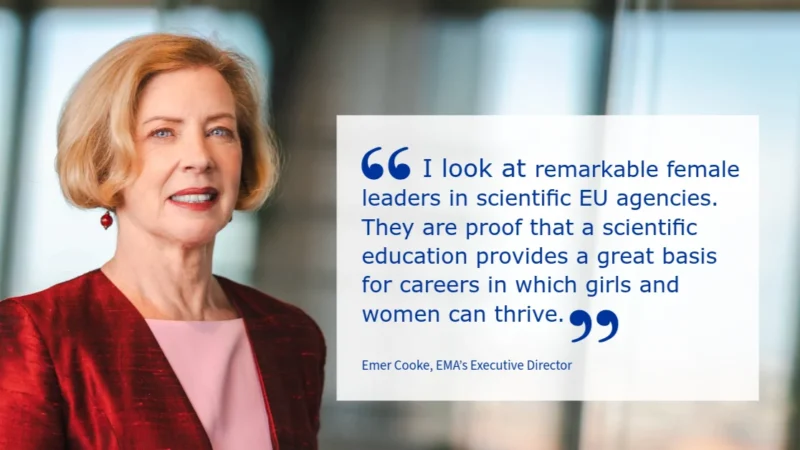
“On the International Day of Women and Girls in Science, I would like to acknowledge the invaluable contribution of women working in scientific EU decentralised agencies. I also want to point out examples of female leaders in science who are now at the helm of these important organisations. They are proof that a scientific education provides a great basis for careers in which girls and women can thrive. Read more in my latest article.”
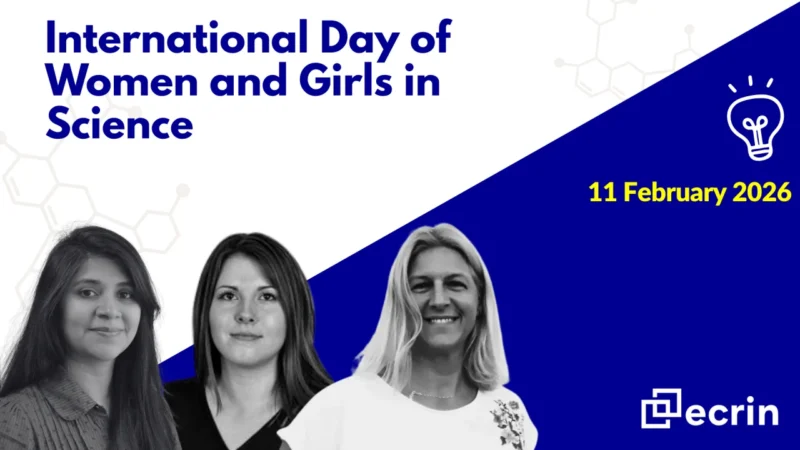
“This February 11, ECRIN celebrates International Day of Women and Girls in Science by shining a light on three inspiring women. Women belong in science – but equality in scientific careers is still not guaranteed. Significant gaps still remain.
We spoke to Sigrun Margrethe Hjelle, Sareema JAVAID and Alicja Szofer-Araya to hear their efforts advance gender equality in science through their roles at ECRIN.
Closing the gender gap is essential in order to enable more meaningful science for a larger portion of the population.”
“Every scientific breakthrough begins with a question, and today we celebrate the women and girls who never stop asking them!
At Craft Science Inc., we’re a woman-led company and proud to partner with scientists, clinicians, and innovators whose work is driven by women leading across STEM. We also know the world needs more far research about women’s health—by women and for women—so the evidence guiding our healthcare truly reflects the realities of our bodies and lives.
On this International Day of Women and Girls in Science, we celebrate the curiosity, rigor, and resilience of women who drive research from vision to real-world impact. Just as importantly, we recognize how vital it is for girls to see strong female role models at the bench, in the clinic, and in leadership, because girls deserve to see women leading discoveries, shaping policy, building companies, and leading the discussions where decisions are made.
To all the women and girls pushing boundaries and imagining new possibilities in labs, classrooms, clinics, startups, and communities around the world: your science changes lives, and your voice belongs at the center of the story.
Every scientific breakthrough begins with a question, and today we celebrate the women and girls who never stop asking them!
At Craft Science Inc., we’re a woman-led company and proud to partner with scientists, clinicians, and innovators whose work is driven by women leading across STEM. We also know the world needs more far research about women’s health—by women and for women—so the evidence guiding our healthcare truly reflects the realities of our bodies and lives.
On this International Day of Women and Girls in Science, we celebrate the curiosity, rigor, and resilience of women who drive research from vision to real-world impact. Just as importantly, we recognize how vital it is for girls to see strong female role models at the bench, in the clinic, and in leadership, because girls deserve to see women leading discoveries, shaping policy, building companies, and leading the discussions where decisions are made.
To all the women and girls pushing boundaries and imagining new possibilities in labs, classrooms, clinics, startups, and communities around the world: your science changes lives, and your voice belongs at the center of the story.”
“Celebrating the curiosity, resilience and brilliance of the women in science at DIAGEO India.
Your courage shapes the future we are building together. Proud to celebrate your work and the impact you create – today and everyday!
Grateful for the continued support from leaders like Jitendra Mahajan Vikram Damodaran Shilpa Vaid in championing women in science and enabling spaces where talent can thrive.
May your journeys continue to inspire many more to step into science with confidence.”
European Society for Radiotherapy and Oncology (ESTRO):
“Today is the International Day of Women and Girls in Science, and at ESTRO, we are celebrating the women contributing to our field.
44 women from across the radiation oncology community share what science means to them, from clinical excellence to daily curiosity.
Watch the video below to explore their reflections and see the diverse voices driving progress in the field.
Their perspectives showcase a community united by a shared goal: improving patient outcomes through innovation and dedication.
Let’s keep the conversation going: What does science mean to you? Or, is there a woman in science who has inspired your career? Tag them in the comments below!
“International Women and Girls in Science Day is a moment to celebrate girls who dream of shaping the future of healthcare, and the support that helps make those dreams possible
Today, we’re sharing the story of Linda, a 13-year-old childhood cancer survivor from Malawi. As a recipient of a World Child Cancer survivor scholarship, Linda has the support she needs to return to school, including school materials, a stipend, and practical assistance that removes barriers to learning.
Inspired by the nurses who cared for her during treatment, Linda now dreams of a future in healthcare and science.
As part of the build-up to International Childhood Cancer Day (ICCD), we’re sharing stories like Linda’s to show why childhood cancer care must be holistic and people-centred, supporting children and families long after treatment ends.
Read Linda’s full story on our blog: https://lnkd.in/eqSrpVvf
Help more children like Linda return to school and pursue their ambitions, donate today: https://lnkd.in/empcDHJN ”
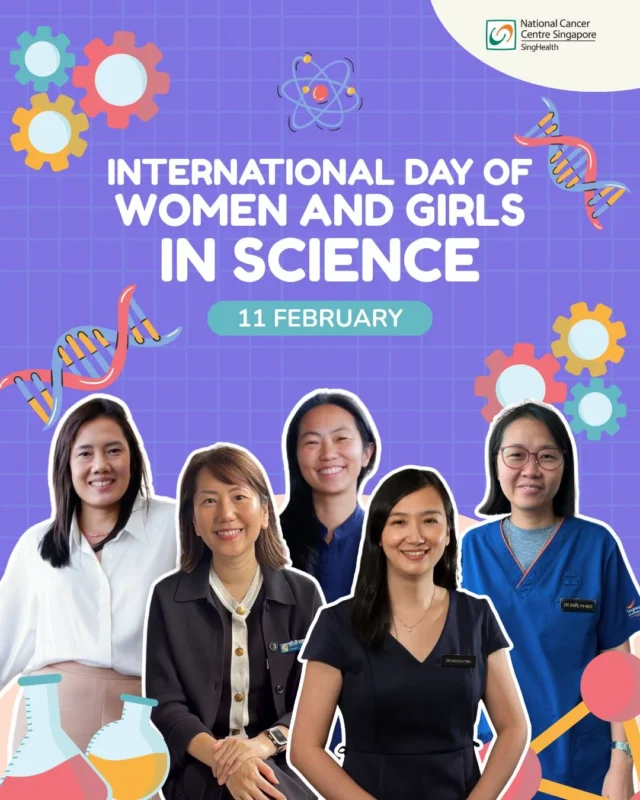
National Cancer Centre Singapore:
“It’s International Day of Women and Girls in Science!
Today, we celebrate the women doing innovative cancer research at NCCS and the impact of their work since they started their journey in science.
From their work in the lab to clinical translation, their curiosity and commitment shapes better outcomes for cancer patients in Singapore today and tomorrow. ”
“This International Day of Women and Girls in Science, we’re shining a light on women building careers in science, technology, engineering and mathematics (STEM).
At hashtag#Servier, we’re passionate about creating opportunities that make STEM accessible to the next generation of innovators.
We asked a few of our incredible colleagues about their experiences in the field & to share some words of wisdom with young women pursuing passions in STEM.
Scroll through to learn about their unique perspectives.”
“Women currently make up just 28% of the global STEM workforce, underscoring the critical need to expand access to STEM experiences and career opportunities for the next generation. In recognition of International Day of Women and Girls in Science, we reflect on progress made in recent years and the work ahead to ensure that women can thrive in STEM fields.
We know that representation matters. Our female leaders share their advice and vision for future experts in innovation.”
EORTC – European Organisation for Research and Treatment of Cancer:
“Happy International Day of Women and Girls in Science!
At EORTC, we are proud to celebrate the outstanding women scientists and clinicians who are shaping the future of cancer research.
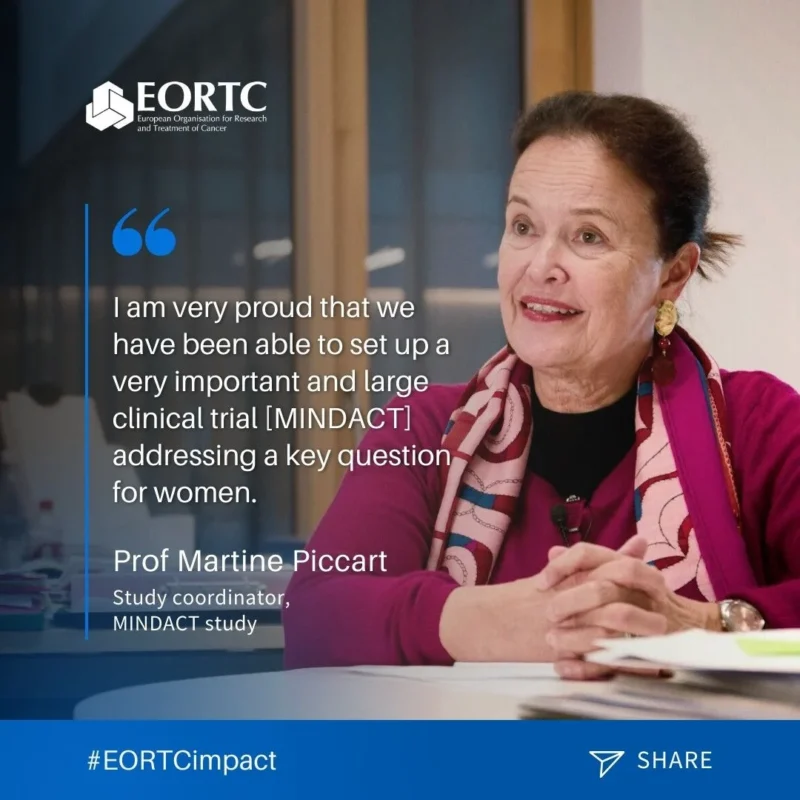
Prof. Martine Piccart, a global leader in oncology, played a key role in coordinating MINDACT, an EORTC-led academic study that transformed breast cancer care worldwide by enabling more personalised treatment decisions and reducing unnecessary chemotherapy. She is one of many women across EORTC’s staff and network driving scientific excellence and meaningful breakthroughs.
Explore 60 years of impact: https://lnkd.in/eaU2uCg8 ”
“Today, on the International Day of Women and Girls in Science, we celebrate the women of PRIMA
While women make up 68% of the PRIMA family, women worldwide still represent less than one-third of the world’s researchers. This day is a reminder of why it’s so important to recognize and support women leading science and innovation.
Swipe to meet some of the women behind the research at PRIMA CoE:”
International Day of Girls and Women in Science
Today, we celebrate the incredible contributions of girls and women shaping the future of science, technology, engineering, and innovation.
Talent is everywhere — opportunity should be too!
Let’s continue to inspire, support, and empower the next generation of women in STEM.”
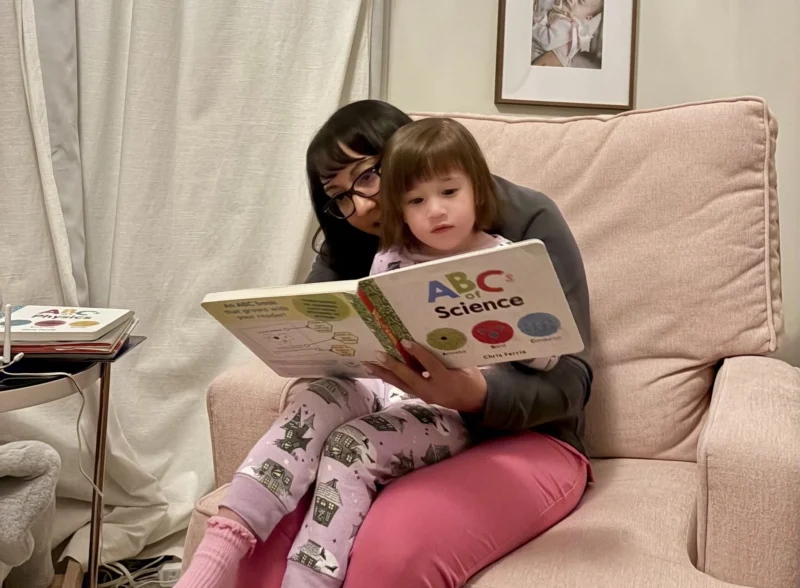
“Today is The International Day of Women and Girls in Science. For me, this day has evolved into a much greater meaning now with a daughter of my own and how she observes and absorbs the world. Here’s to cultivating the minds of a new generation of girls who love science as much as so many of us do. I am so appreciative of what science has given to me as a person and a physician. Women In Science Women And Girls In Science”
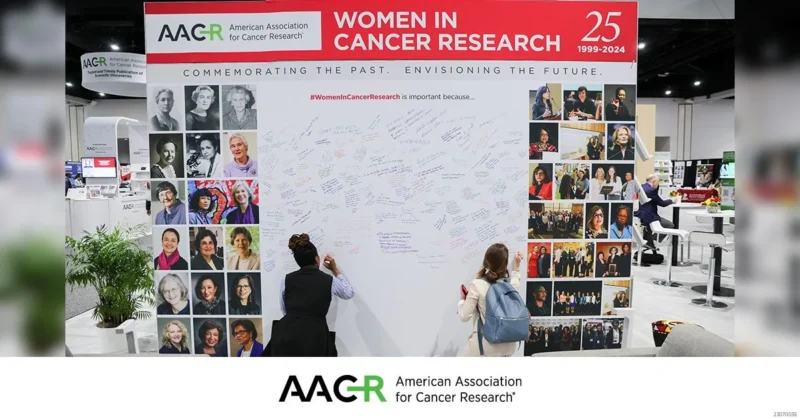
American Association for Cancer Research:
“In recognition of International Day of Women and Girls in Science, AACR’s Women in Cancer Research invites you to a free virtual program today. Join us for a 90-minute session starting at 3:00 PM ET as we celebrate women’s contributions to scientific discovery across generations. Learn more and register here: https://brnw.ch/21wZR7J ”
International Day of Women and Girls in Science
February 11, 2026
Let’s celebrate scientific women from yesterday, today, and tomorrow!
On this meaningful day, we are proud to highlight the outstanding work of 3 women scientists from Liquid Biopsy LCCRH Lab – Laboratoire Cellules Circulantes Rares Humaines – CHU de Montpellier, whose dedication and excellence are helping advance translational oncology research.
Their study has just been published in the highly regarded Journal of Experimental & Clinical Cancer Research (IF= 12.8), which trusted us with the publication of:
“Reconstructing the Metastatic Journey: Functional Circulating Tumor Cells and Disseminated Tumor Cells-based Models for Translational Oncology.”
This achievement reflects their scientific rigor, commitment, and passion for better understanding metastasis to ultimately improve patient care.
The article is open access — feel free to read and share it!
Today, and every day, let’s continue to support, empower, and inspire women and girls in science.”
Written by Nare Hovhannisyan, MD