At a time when international humanitarian budgets are tightening, the European Union is reaffirming its commitment to solidarity. In 2025, the EU will allocate €123.3 million in humanitarian assistance to support the most vulnerable populations across Latin America and the Caribbean.
The funding will provide life-saving relief while also strengthening disaster preparedness and emergency response systems in a region highly exposed to natural hazards.
Millions at Risk as UN Targets Are Slashed
In 2025, an estimated 15.6 million people in Latin America and the Caribbean required humanitarian assistance. However, severe funding reductions have led the United Nations to cut its 2026 target population by half—leaving millions without essential support.
These reductions highlight the critical role of EU humanitarian funding in maintaining lifesaving operations across the region.
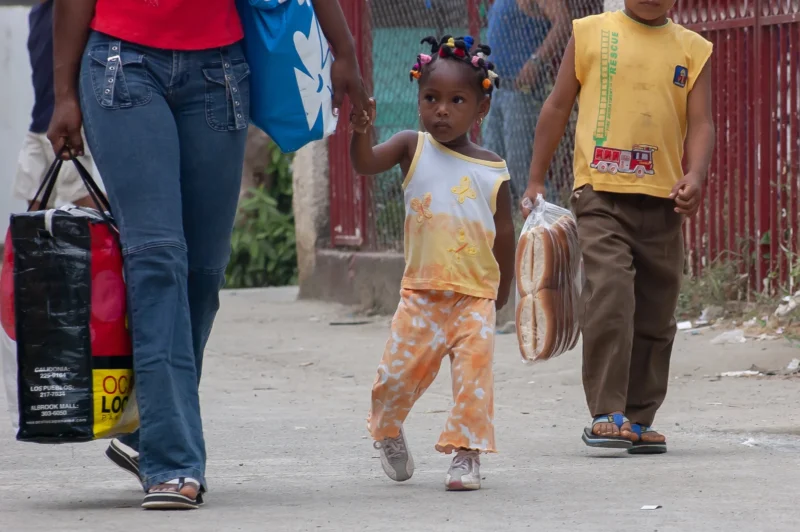
Venezuela and Host Communities – €52 Million
€52 million will support Venezuelans in need throughout the region, as well as the communities hosting them.
Colombia – €17 Million
In Colombia, €17 million will primarily assist people affected by armed conflict and those displaced in border regions.
South America (Regional Allocation) – €16.3 Million
More than €16.3 million will be directed toward disaster preparedness and emergency response efforts across the rest of South America.
Haiti and the Caribbean – €27 Million
In Haiti, €23 million will address the humanitarian consequences of escalating armed violence, helping affected communities meet urgent needs.
An additional €4 million will support other Caribbean nations, with particular attention to the humanitarian situations in Cuba, the Dominican Republic, and countries hosting refugees and asylum seekers.
Central America and Mexico – €11 Million
€11 million will assist vulnerable populations facing violence, forced displacement, and food insecurity across Central America and Mexico.
Commissioner Lahbib: “Europe Is a Reliable Humanitarian Partner”
Commissioner for Equality, Preparedness and Crisis Management, Hadja Lahbib, emphasized the EU’s continued commitment:
“The European Union stands firmly with the most vulnerable people in Latin America and the Caribbean, where crises in countries like Venezuela, Colombia, and Haiti continue to deepen. When I visited Colombia last November, I met people forced to flee their homes and communities struggling to survive conflict, displacement, and more frequent natural disasters. I saw how EU humanitarian aid provides food, water, shelter, and medical supplies to people in their darkest moment. This funding will also help save lives by strengthening disaster preparedness in a region exposed to hurricanes, floods, and earthquakes. I saw this clearly in Jamaica after Hurricane Melissa, where preparedness made a real difference for thousands of families. Europe is a reliable and principled humanitarian partner, and we will continue to stand by people in crisis.”
Background: Overlapping Crises and Widening Gaps
Latin America and the Caribbean are facing complex and overlapping humanitarian challenges driven by armed conflict, widespread violence, political instability, economic hardship, displacement, and environmental disasters.
Up to 21 million people in the region are forcibly displaced, many with limited access to essential services such as healthcare and education. Food insecurity is increasing, while global funding shortages are forcing humanitarian operations to scale back.
In 2025, nearly all Humanitarian Response Plans in the region were funded at less than 20 percent, leaving significant gaps in assistance.
At the same time, the region ranks as the second most exposed worldwide to extreme weather events. Nearly three-quarters of its population lives in areas at high risk of natural disasters. Hurricanes, floods, and earthquakes regularly devastate communities, forcing families to flee and creating cycles of fragility and repeated humanitarian need.