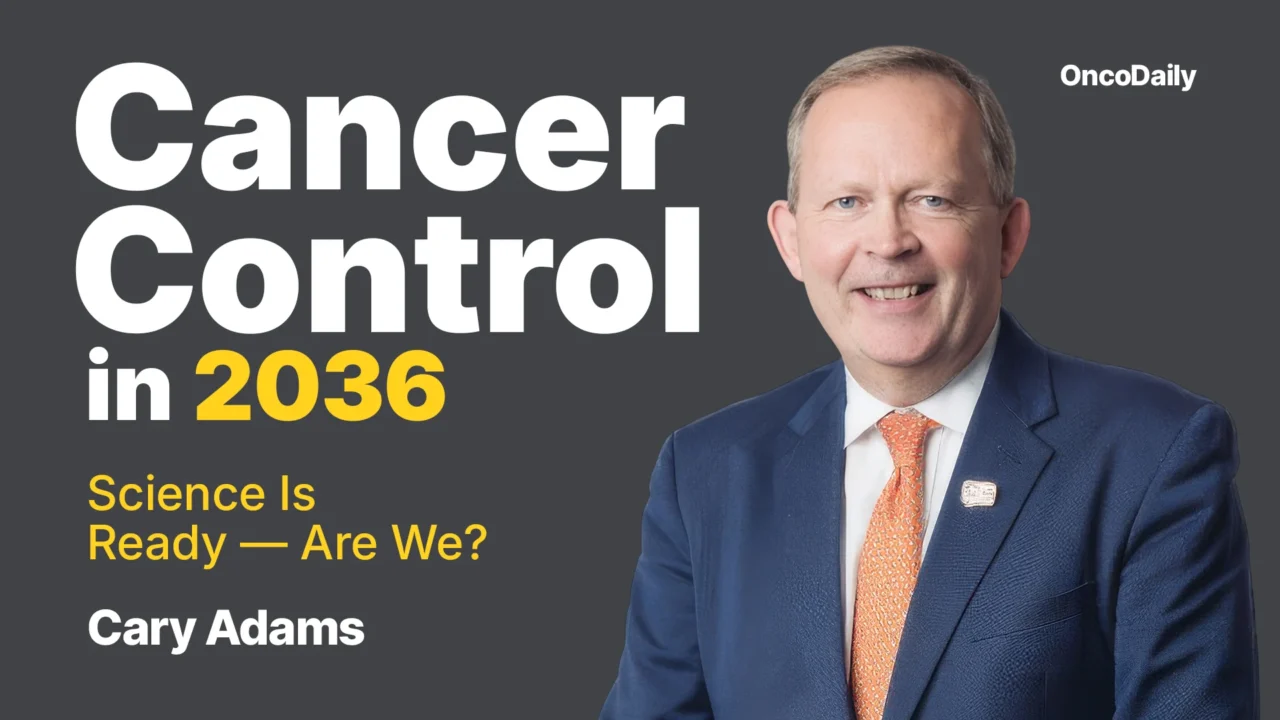
When Dr Cary Adams, CEO of the Union for International Cancer Control (UICC), asked what will impact cancer control in 2036, he did more than spark an online discussion. He framed a strategic question that goes to the heart of global oncology. Will artificial intelligence transform cancer medicine development?
Will antimicrobial resistance claim more lives among cancer patients? Will China become a central engine of medical and technological innovation? Will simple blood tests detect multiple cancers at once? These are not speculative fantasies; they are plausible trajectories. Yet the discussion that followed suggests that the defining issue of 2036 may not be scientific possibility, but systemic readiness.
Isabel Mestres, CEO of City Cancer Challenge Foundation and board member at NCD Alliance, highlighted the core tension. Science, she noted, is moving rapidly.
“Thanks Cary, I couldn’t agree more with Michael Oberreiter. The science is moving fast; the harder question is whether our systems are keeping up…. and we know they aren’t. By 2036, AI and early detection will raise the bar, but they’ll also make gaps in capacity, coordination, and equity impossible to ignore.
That’s why at City Cancer Challenge (C/Can) we are focused on system readiness: strengthening the health workforce, fixing care pathways and governance, and building the trust needed so AI actually benefits patient”
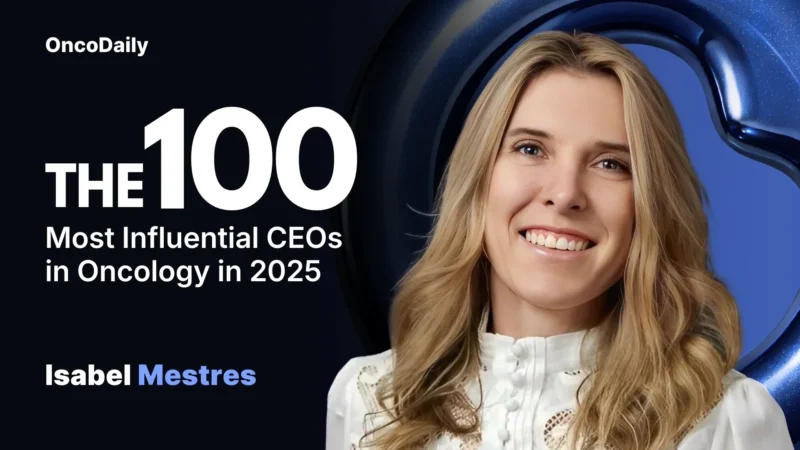
Isabel Mestres Recognized Among The 100 Most Influential CEOs in Oncology in 2025
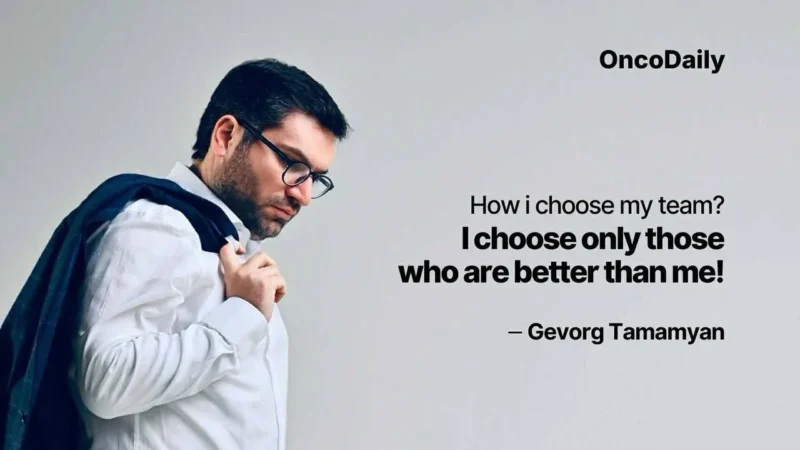
Gevorg Tamamyan, Editor-in-Chief and Co-Founder of OncoDaily, reinforced this perspective while grounding it in clinical reality. He emphasized that breakthroughs alone will not define success in 2036; leadership must convert discovery into delivery.
“Thanks, Cary. Love the comments and agree with them. By 2036, cancer control won’t be won by breakthroughs alone, but by whether the leaders turn science into delivery.
It is the same problem of 2026. Despite extraordinary talent around, we rarely see the sharp survival gains of the first chemo era. Some cancers are still treated much as they were 50 years ago, with the same dismal outcomes, which is terrible.
Today, the strongest prognostic factor, unfortunately, is too often geography or the balance in a patient’s bank account.
But I’m optimistic. The science will arrive. The real test is whether we build a global movement that turns innovation into access, speed, and equity – with no more bureaucracy and just incremental improvements instead of fast innovation and implementation.”
Gevorg Tamamyan: The Power of a TEAM
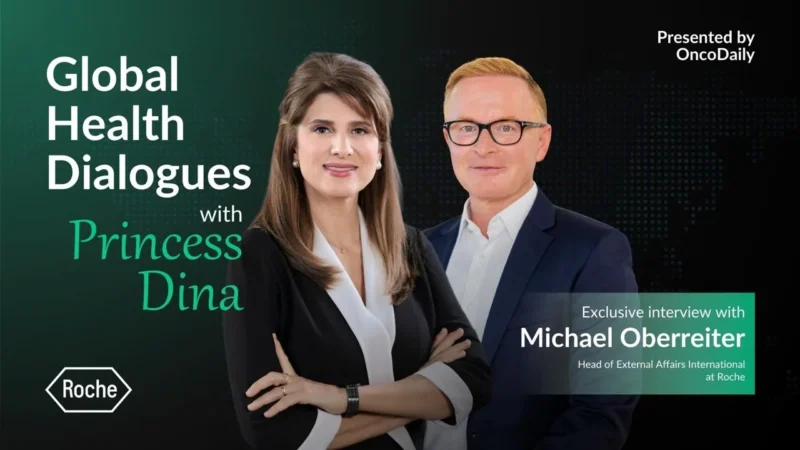
Michael Oberreiter, Head of External Affairs International at Roche, brought the discussion into the realm of political accountability. In his view, cancer control in 2036 will not succeed or fail because of science alone, but because of political choices.
“Thanks Cary & team! My two cents: by 2036, cancer control probably won’t fail or succeed because of science. It will fail — or succeed — because of political choices.
AI will not “cure” cancer; it will compress time and expose who can act and who can’t. Early detection will find disease earlier than systems can respond, shifting the problem from biology to capacity and accountability. Cancer will look more like a chronic condition — which under today’s financing models is a slow-burn crisis. AMR and infections will quietly undo progress in survival if we keep treating them as secondary. Innovation will be multipolar, with China and Asia as engines, and geopolitics shaping who benefits.
Global Health Dialogues with Princess Dina Mired: Michael Oberreiter
My conclusion: Cancer control in 2036 will be less about science and more of a leadership test. The science (and technology) will arrive on time. The systems might not. Thank you Dr Cary Adams for creating the space to ask the hard questions — and for convening the leadership needed to turn scientific progress into real, equitable cancer control.”
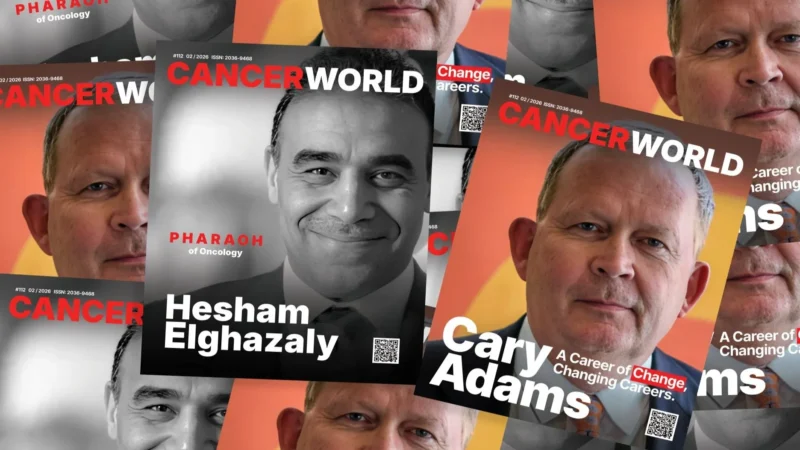
CancerWorld 112th Issue is live featuring Cary Adams and Hesham ElGhazaly
Written by Nare Hovahnnisyan, MD