Welcome to OncoDaily Weekly, your all-in-one roundup of this week’s oncology news, policy shifts, scientific advances, leadership moves and celebrity stories from December 15 to 21.
This week’s oncology saw major shifts in leadership, new FDA approvals and major policy shifts globally across fields. OncoDaily announced the list of most influential people in oncology in 2025 mapping power, influence, and impact in global oncology.
The 100 Most Influential People in Oncology in 2025 is a definitive global snapshot of who is shaping cancer research agendas, regulatory decisions, clinical standards, advocacy movements, and health policy today. The list spans scientists, clinicians, policymakers, industry leaders, advocates and philanthropists whose decisions and discoveries are actively redefining how cancer is understood, treated, and governed worldwide.
Community & Leadership
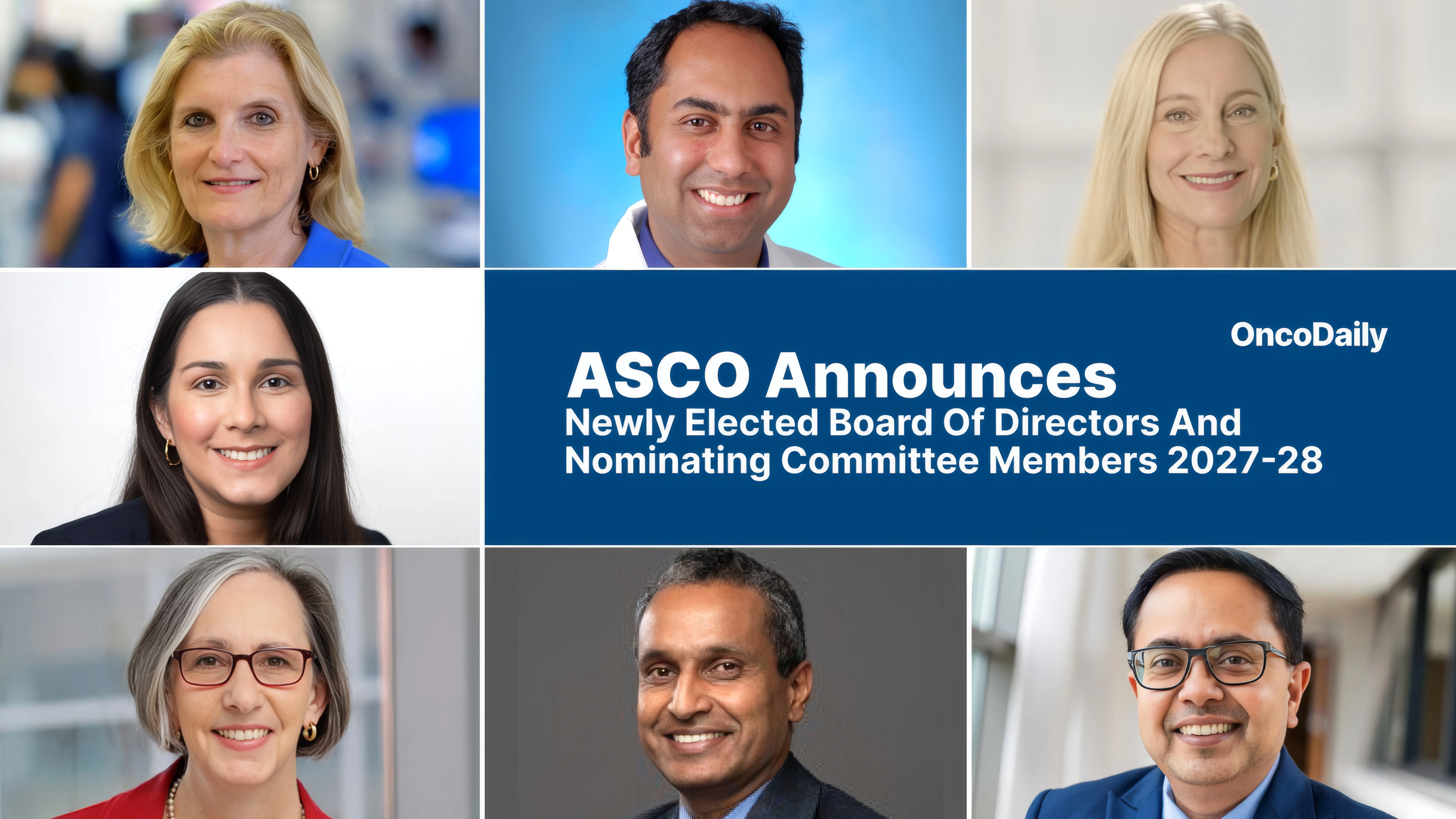
ASCO announced newly elected leadership for upcoming terms, shaping the Society’s strategic direction in education, research, and global oncology engagement. Deb Schrag, MD, MPH, FASCO, had been elected to serve as ASCO President for 2027-2028 term.
Georgios Giamas was appointed Editor-in-Chief of Oncogene, while Eric Singer became Chair of the Kidney Cancer Association Board.
The International Association for the Study of Lung Cancer – IASLC named the co-chairs for the World Conference on Lung Cancer 2027 in Denver, bringing together leaders in pathology, surgery, radiation, and translational research to steer one of the largest global meetings in thoracic oncology.

Global News & Policy: Cancer Beyond the Clinic
The World Cancer Leaders’ Summit 2025 Report was published this week. Global health leaders reinforced that cancer outcomes now depend less on scientific discovery alone and more on implementation – strong national cancer plans, financing mechanisms, and health-system accountability emerging as central priorities.
Richard Sullivan raised a major warning – that cancer systems are entering a “polycrisis,” where conflict, workforce shortages, and underfunded care pathways risk eroding gains made through innovation unless equity and end-of-life care are addressed head-on.
Bill Gates shared new modeling work quantifying how reductions in global health funding could reverse decades of progress, underscoring that scalable innovation and smarter allocation – not austerity – will determine future cancer and NCD outcomes.
Policy shifts are being implemented across Europe too. EU Rolls Out Major Health Reforms for a Stronger Future planning to simplify EU medical device rules to reduce unnecessary costs, give companies more clarity, and shorten delays for patients. A new Biotech Act is set to expand capacity and accelerate cross-border clinical trial approvals.
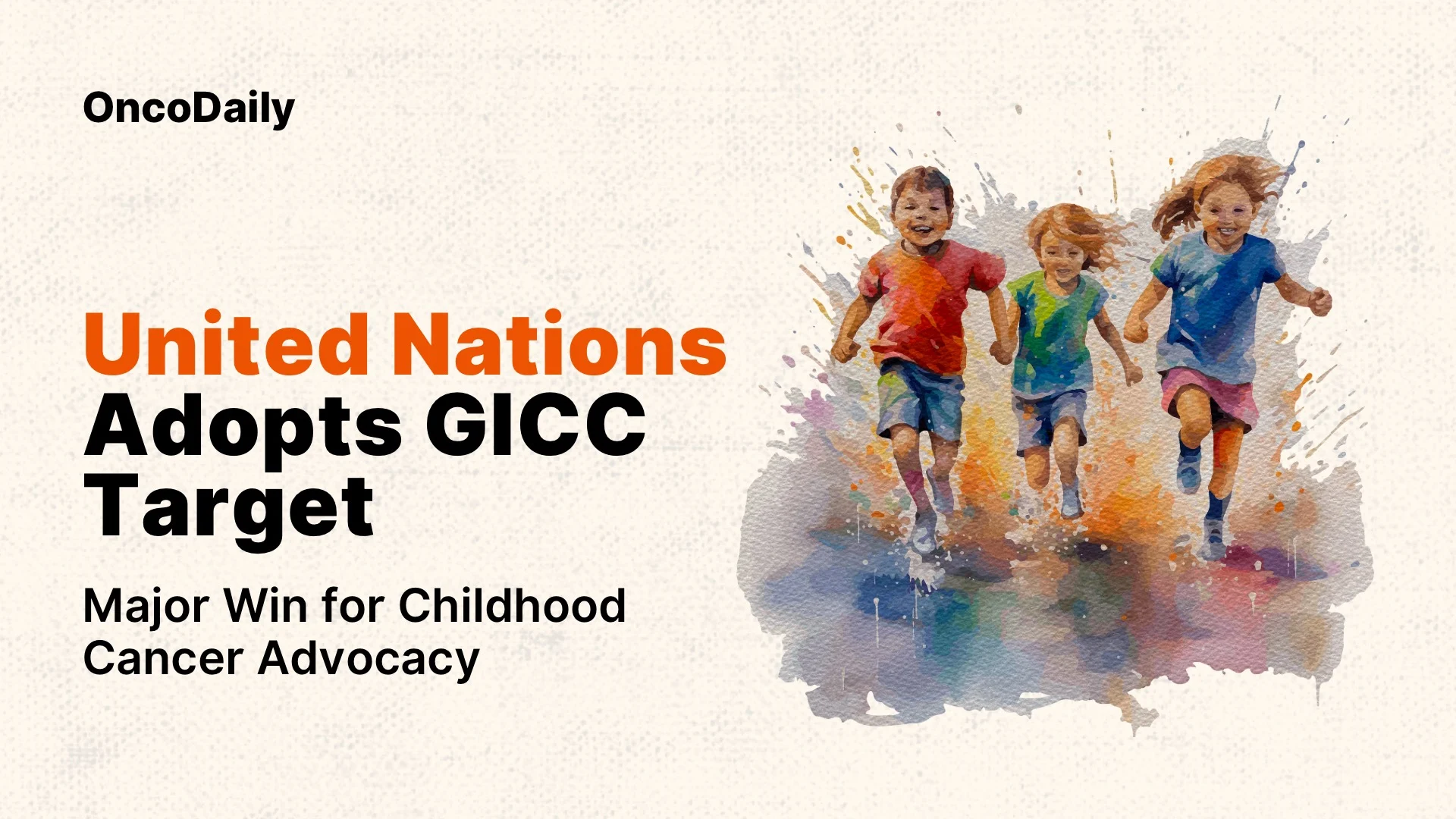
The UN General Assembly has officially adopted the Final Political Declaration on NCDs and Mental Health.
Crucially, the Global Initiative for Childhood Cancer (GICC) target was retained within the declaration – shifting the focus from recognition to national implementation:
‘Improve childhood cancer survival through scaling up interventions in order to achieve a survival rate of at least 60 per cent globally by 2030…’
FDA News: Regulation Becomes More Transparent and More Structured
The FDA released final guidance on clinical trial safety reporting, clarifying how investigators and sponsors must report adverse events – aimed at reducing ambiguity and improving compliance across study phases.
In a significant transparency move, the FDA confirmed that rejection letters are now public, allowing sponsors, clinicians, and patients to see why applications fail and potentially accelerating learning across the field.
The Agency also adjusted how real-world evidence can be submitted for certain medical devices, easing requirements that previously limited the use of non-identifiable patient data in regulatory filings.
FDA Approvals & Scientific Updates: New Options, Clear Signals
The FDA granted approval to rucaparib for patients with BRCA-mutated metastatic castration-resistant prostate cancer, converting earlier accelerated approval into a full authorization based on confirmatory data.
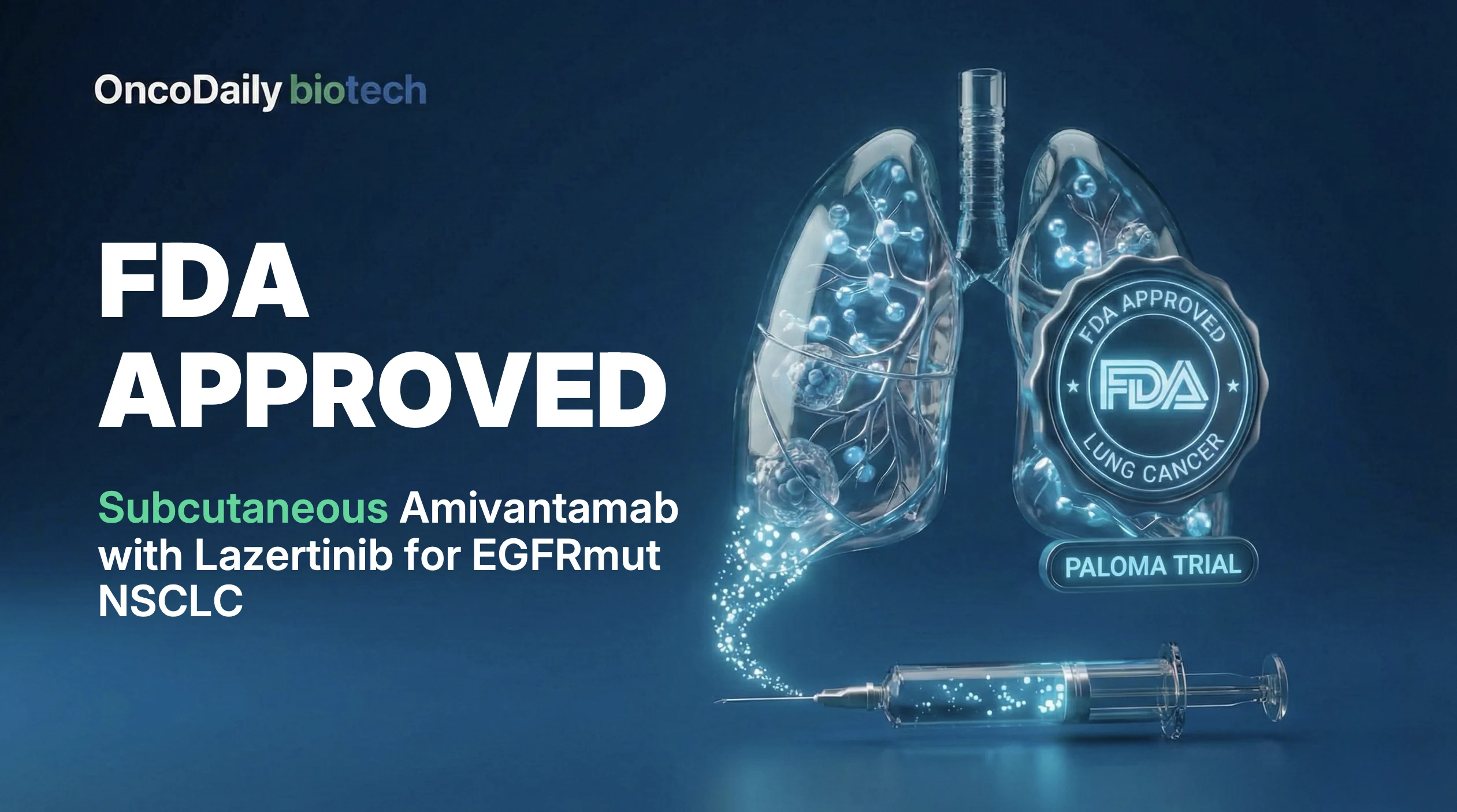
RYBREVANT FASPRO, a subcutaneous formulation of amivantamab, was approved across existing indications, reducing infusion time and logistical burden for patients with EGFR-mutated NSCLC.
For HER2-positive metastatic breast cancer, the FDA approved fam-trastuzumab deruxtecan-nxki with pertuzumab as a first-line option, supported by DESTINY-Breast09, further solidifying ADC-based combinations in frontline care.
In rare tumors, the RINGSIDE trial reported clinically meaningful activity of varegacestat in desmoid tumors, marking one of the most important advances in a disease with limited systemic options.
Biotech & Discovery: From Targets to Platforms
Caris Discovery and Genentech entered a multi-year collaboration to identify and validate novel oncology targets using large-scale molecular profiling, reinforcing the central role of data-driven discovery partnerships.
Ajax Therapeutics received FDA Orphan Drug Designation for AJ1-11095, a Type II JAK2 inhibitor, strengthening its development pathway in rare hematologic malignancies.
The IASLC launched VIKTOR, a global digital knowledgebase designed to integrate thoracic oncology models and molecular data, aiming to standardize translational research across institutions and regions.
Celebrities & Advocacy: Awareness With Consequences
A decade on, the Angelina Jolie Effect continues to shape public understanding of hereditary cancer risk. She revealed her scars in the TIME France magazine advocating for normalized genetic testing and preventive care worldwide.
Sir Cliff Richard disclosed his prostate cancer diagnosis and successful treatment, using his platform to advocate for earlier detection and routine screening.

Closing the Week: From Coverage to Action
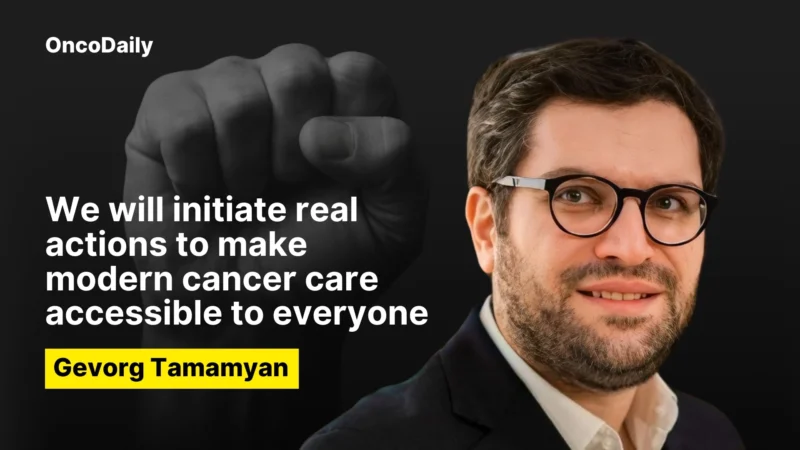
In a clear call to move beyond reporting, Dr. Gevorg Tamamyan, Editor-in-Chief of OncoDaily, outlined how OncoDaily is expanding into concrete programs – linking media, research, education, and advocacy to address unmet needs and build sustainable oncology initiatives globally. More programs are set to launch in the coming months.
… OncoDaily will now go further, suggesting solutions and, most importantly, initiating and creating real actions to make modern cancer care accessible to everyone. From prevention to diagnosis, from treatment to follow up!
Step by step, we can make it happen. We will start from oncology and will penetrate other fields of medicine.
We built OncoDaily from zero and in just 2 years it became a global leader. And we can do more.
Written by Elen Baloyan,MD, Managing Editor of OncoDaily