





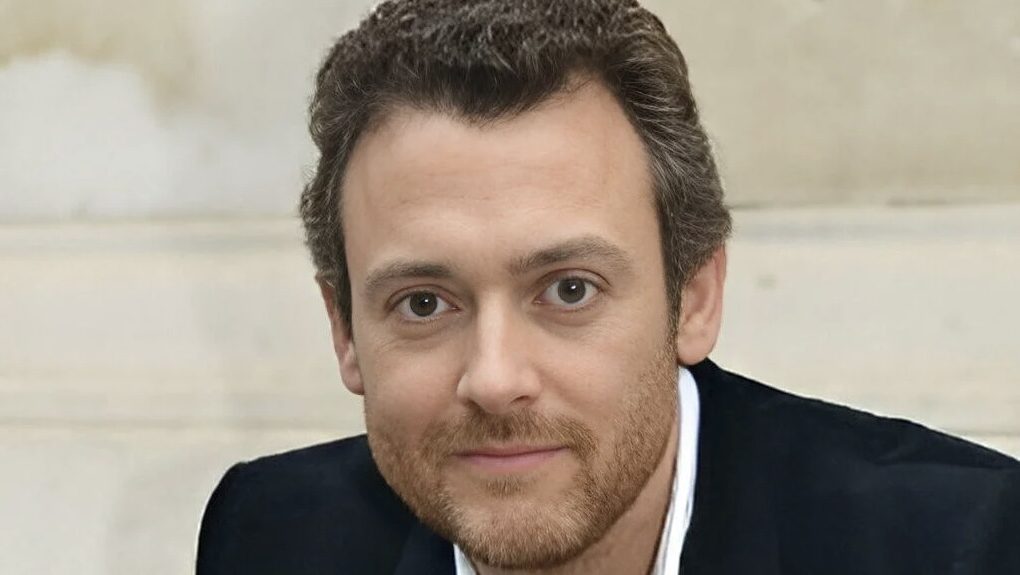
Richard Sullivan, Co-Director of the Centre for Conflict and Health Research, and Professor of Cancer and Global Health at King’s College London, shared a post on LinkedIn:
“From a cultural point of view, the so-called “Modern” era, characterised by comprehensive narratives and great utopian projects has come to an abrupt end. Instead we have created crisis narratives fuelled by war, climate change, pandemics and political instability. And crisis is not a word to be used lightly. But the human crisis in cancer is an objective fact. Around the world socio-political capital and networks are fraying. This is having profound effects on health and medicine.
The Lancet Oncology Commission on the Human Crisis in Cancer is a stark reflection of unequal techno-centric progress that is leaving behind some of the foundational aspects of good cancer care and a good death.
These issues are apparent across all health systems —from fragmented cancer pathways and care to poor access to mental health and end-of-life support, coupled with rising costs for patients and outdated models of medical training. Universal health coverage for cancer care is failing in many countries, destroying the lives of families.
Global cancer intelligence for even the most basic indicators continue to be abysmal. The emotional, social, and cultural needs of people affected by cancer are also fading out of view. We advocate for expensive and often marginal ‘innovations’ whilst leaving most patients in many countries without the proven basics for good cancer care.
Access to (mostly cancer drug) technologies has become more important than a realistic national cancer control plan with a cancer workforce that is fairly paid. The research agenda has become monocultured and orientated in the commercial service of high-income agendas. And a the same time, high-income countries are washing their hands of any moral responsibility for supporting a wider global cancer health and development agenda.
There are also some frankly delusional high-level political discourses around global cancer. Amongst these whirlpools in an ever-shifting landscape, individuals labour to contain and reverse the human crisis in cancer. There are exceptional programs in care, education and training all over the world that need support.
And there is also a political economy agenda that needs much greater diligence. Countries find themselves between a rock and a hard place, as the US and China‘s geopolitics clash at all levels of health and development. There is an increasing sense that new reality-centred cancer strategies are going to be needed from countries as they seek to navigate these turbulent political waters, balance domestic resource mobilisation and leverage development financing for cancer.
Whether some of the foundations of this cancer crisis – debt, ungoverned private sector, rent seeking, public underinvestment – can be addressed though remains to be seen.”

More posts featuring Richard Sullivan.