Welcome to OncoDaily Weekly, your all-in-one roundup of this week’s oncology news, policy shifts, scientific advances, leadership moves and fascinating stories from December 8 to 14.
This week’s oncology conversation clustered around three forces moving in parallel: conference-driven evidence, regulatory and policy shifts, and technology-robotics-AI – rapidly reshaping how care is delivered and how the workforce adapts. Europe was loud, robots are gaining trust more and more and tech-assistants are welcomed into medicine.
OncoDaily Magazine’s December Issue was published and our article on “10 Most Promising Cancer Drugs Not Yet Approved in 2025: Solid Tumors Edition” continued to make the headlines. Let’s dive into the past week’s must-see updates in oncology.
SABCS 2025: The Breast Cancer Data Week, Curated
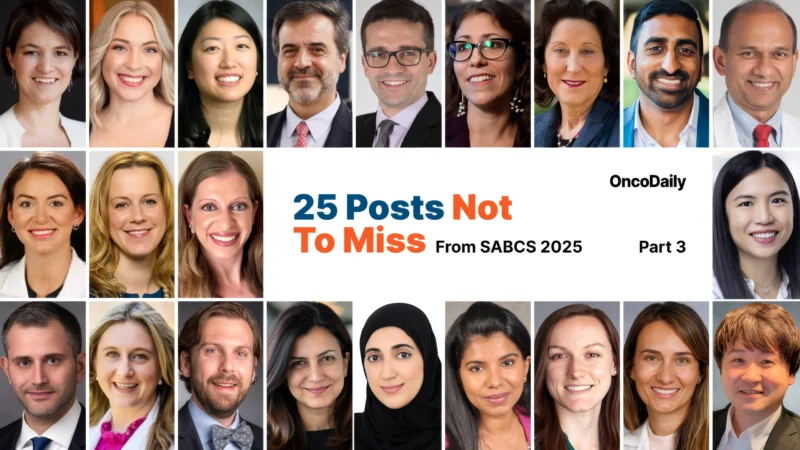
SABCS 2025 (Dec 9–12, San Antonio) delivered practice-shaping breast oncology updates across endocrine therapy optimization, HER2-targeted strategies, antibody–drug conjugates, imaging, and survivorship. We pulled the signal from the noise in “25 Posts Not to Miss from SABCS 2025,” capturing the most impactful discussions and takeaways shared by attendees across the field.
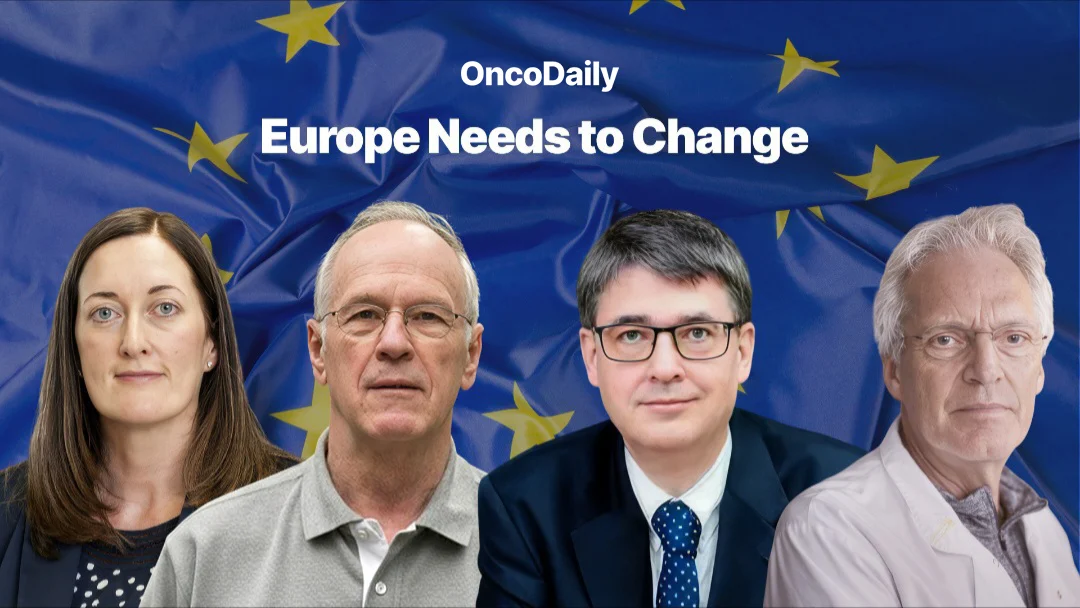
“Europe Needs Change”: Regulation, Research Capacity, and a Call to Act
Europe generated a dense set of system-level headlines this week.
- The European Commission welcomed a political agreement on a major reform of EU pharmaceutical rules, aiming to streamline pathways, reduce access disparities, strengthen EMA’s role, address shortages, and reinforce competitiveness and innovation incentives.
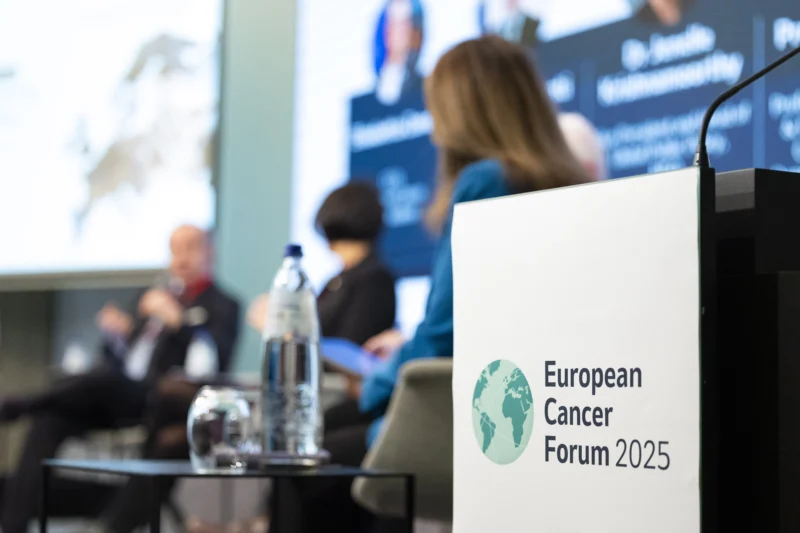
- At the 7th European Cancer Forum 2025, the agenda emphasized innovation, sustainability, and security—with a multi-stakeholder format spanning nursing, patient organizations, and health-economics voices focused on practical delivery and access.
- Nature Cancer commentary by René Bernards, Anton Berns, Johanna Joyce and Michael Baumann argued that Europe’s cancer research ecosystem remains too fragmented from discovery to patient impact, and called for renewed urgency, long-term vision, and stronger infrastructure to accelerate translation. “Every year, 1.5 million people in Europe die from cancer. And while Europe has extraordinary scientific talent and our science is world-class, the path from discovery to patient impact is still far too fragmented.” – wrote Johanna Joyce on her LinkedIn.
Sperm Spread Cancer Across Europe? A Complex Ethics-and-Safety Headline
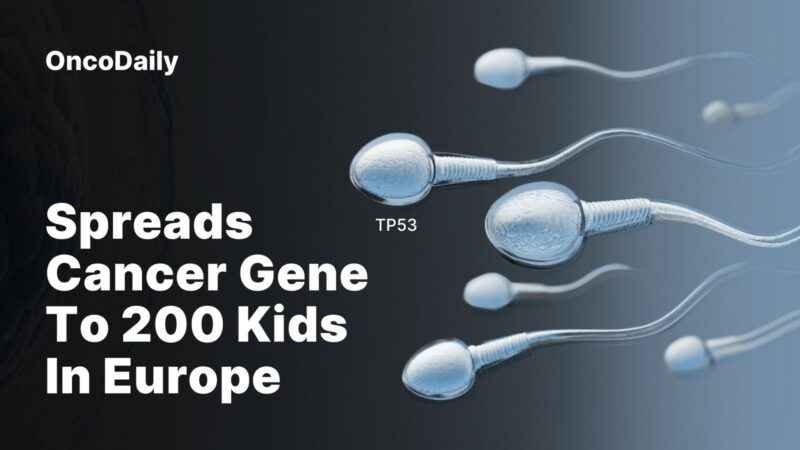
One of the most unsettling stories of the week came from Europe: a Danish sperm donor, who passed all standard genetic screenings, unknowingly passed a TP53 mutation (Li-Fraumeni syndrome risk) to a large number of children across multiple countries, raising urgent questions about screening standards, cross-border oversight, and long-tail responsibilities in reproductive medicine
Regulatory & Pipeline Signals: Review Timelines and Trial Evidence
- Bristol Myers Squibb announced the FDA granted Priority Review for nivolumab (Opdivo) + AVD for previously untreated Stage III/IV classical Hodgkin lymphoma (adults and adolescents ≥12), with a target action date in April 2026.
- DUO-O trial showed improved PFS with durvalumab + bevacizumab + olaparib in newly diagnosed advanced ovarian cancer – especially relevant for BRCA-wild-type populations where optimal strategies remain a moving target.
- A major radiation oncology signal arrived via The Lancet, a randomized trial suggesting a survival benefit for proton therapy vs photon therapy in oropharyngeal cancer.
Robots in the OR, AI at the Desk: Oncology Tech and the Workforce
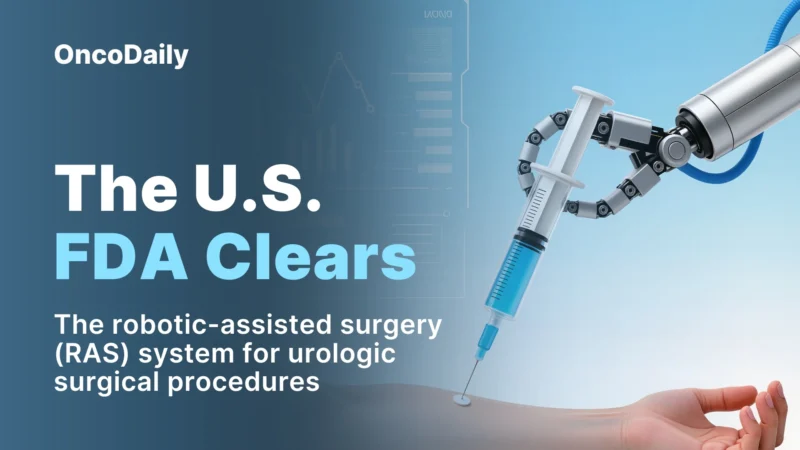
Medtronic announced FDA clearance of the Hugo robotic-assisted surgery system for additional indications, expanding access to training and robotic workflows across surgical teams.
In India, Fortis Nagarbhavi launched next-generation Mako robotic knee replacement technology – another reminder that robotics uptake is accelerating globally and becoming a standard expectation in high-volume centers.
On the AI front, Nvidia CEO Jensen Huang pushed back on “AI will eliminate jobs” narratives – framing AI more as a productivity layer than a replacement, in a debate that increasingly touches radiology, pathology, trial operations, and documentation burdens.
Practice and Prevention: Cervical Cancer Momentum, Tobacco Control, and Screening Messages
Karen Canfell highlighted Australia’s progress toward cervical cancer elimination, including a striking metric: zero new cervical cancer cases in people under 25 in 2021, attributed largely to HPV vaccination—paired with a warning that coverage slipping means the work is not finished.
In the UK, the Tobacco and Vapes Bill advanced with a milestone vote in Wales, positioning smokefree policy as a concrete cancer prevention lever – while advocates now press for rapid finalization and implementation across all four nations.
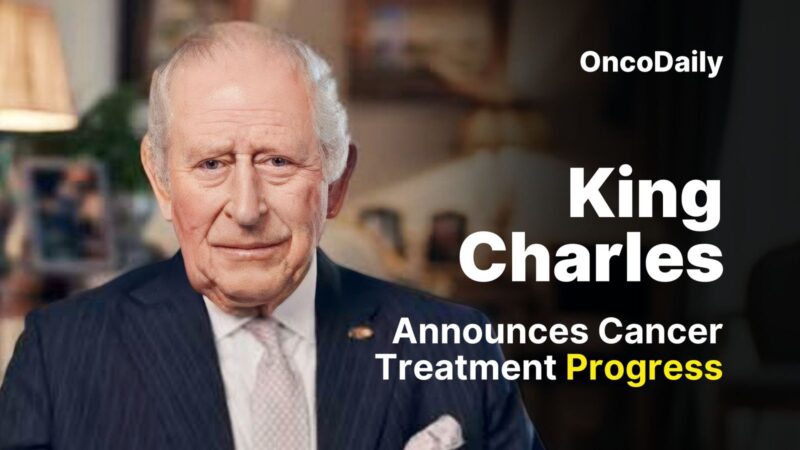
King Charles, sharing a personal message during a Stand Up To Cancer broadcast, reinforced the same core prevention principle: screening and early detection can change the entire treatment trajectory.
“Thanks to early diagnosis, effective intervention, and following the advice of my doctors, my treatment can now be reduced in the New Year.”
OncoDaily Medical Journal announced a Special Series on Pediatric Cancer in Africa (2026) – fast-tracking manuscripts to elevate region-specific realities, survival challenges, and policy implementation across the continent.
SIOP is calling for nominations for its 2026 Board of Directors – Secretary General, Treasurer and Advocacy Chair to be nominated by Jan 8, 2026.
OncoDaily Magazine — December Issue Cover Story and CancerWorld
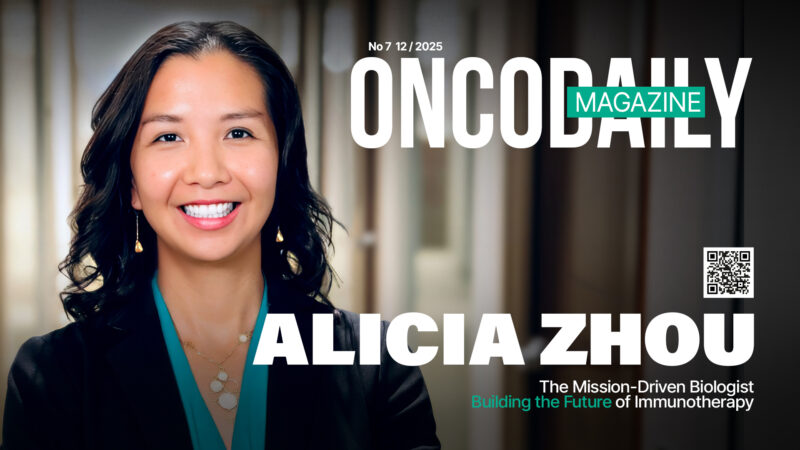
We close this week with our December cover story of OncoDaily Magazine: an interview with Alicia Zhou, tracing a mission-driven path from academic cancer biology to industry translation and now nonprofit leadership at the Cancer Research Institute, with a focus on how immunotherapy progress is built – scientifically, operationally, and through sustained investment in early ideas. Watch the full interview on OncoDaily TV.
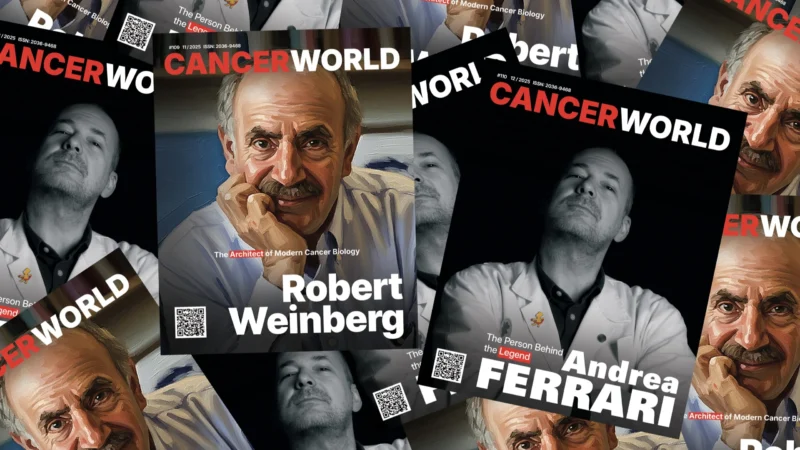
December Issue of CancerWorld is now online featuring Prof. Robert A. Weinberg who reflects on the “series of accidents” that shaped modern cancer biology, from the discovery of oncogenes to The Hallmarks of Cancer, and Prof. Andrea Ferrari, opening up about how pediatric sarcoma research reshaped AYA oncology, his take on mentorship, and the meaning of presence.
Stay tuned with OncoDaily as more is coming by the end of 2025 with grand announcements and recognitions.