ESMO Breast Cancer Congress 2026 brought together the global breast cancer community in Berlin, Germany, from May 6–8, 2026, for three days of scientific exchange, practice-changing research, and international collaboration. Organized by the European Society for Medical Oncology, the congress highlighted the latest advances in breast cancer diagnosis, treatment strategies, translational research, survivorship, and precision oncology, while connecting clinicians, researchers, and advocates working to improve patient care worldwide.
Below are some of the highlights, insights, and key updates shared during ESMO Breast Cancer 2026, reflecting the latest advances in breast cancer research, clinical practice, and global oncology collaboration presented throughout the congress.
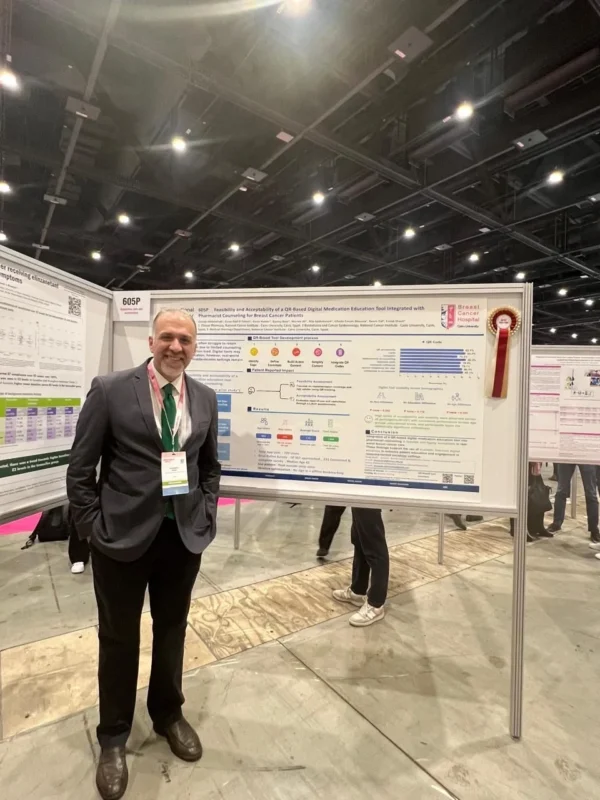
“Allhamdoullah, I am truly honored and grateful that our poster, 605P, “Feasibility and Acceptability of a QR-Based Digital Medication Education Tool Integrated with Pharmacist Counseling for Breast Cancer Patients,” was selected as Best Poster in the Supportive Care and Survivorship track at the ESMO Breast Cancer Congress.
My sincere thanks to the ESMO – European Society for Medical Oncology ESMO Breast Cancer Congress 2026 Scientific Committee for recognizing our work and for highlighting the importance of supportive care, patient education, and practical digital solutions in breast cancer care.
This project reflects a simple but important belief: patient education should not end when the counseling session ends. By integrating a QR-based Arabic medication education tool with pharmacist counseling, we aimed to help patients and caregivers revisit reliable medication information at home, improve understanding, and feel more confident throughout treatment.
This recognition belongs to the whole team:
Zeinab Abdelwhab ,BCOP
Esraa Abd El Fattah
Esraa Haider
Basma Nasr
Marwa Ali
Alia Abdelsalam
Ghada Emam
Reem Eid
I am especially proud that this work came from the Breast Cancer Comprehensive Center, National Cancer Institute, Cairo University, showing that scalable, low cost, patient centered innovation can come from real world oncology practice in resource limited settings.
Thank you to our patients and caregivers, whose needs, feedback, and daily challenges continue to guide our work.
This award is a motivation to keep building practical supportive care solutions that improve patient understanding, engagement, and experience.”
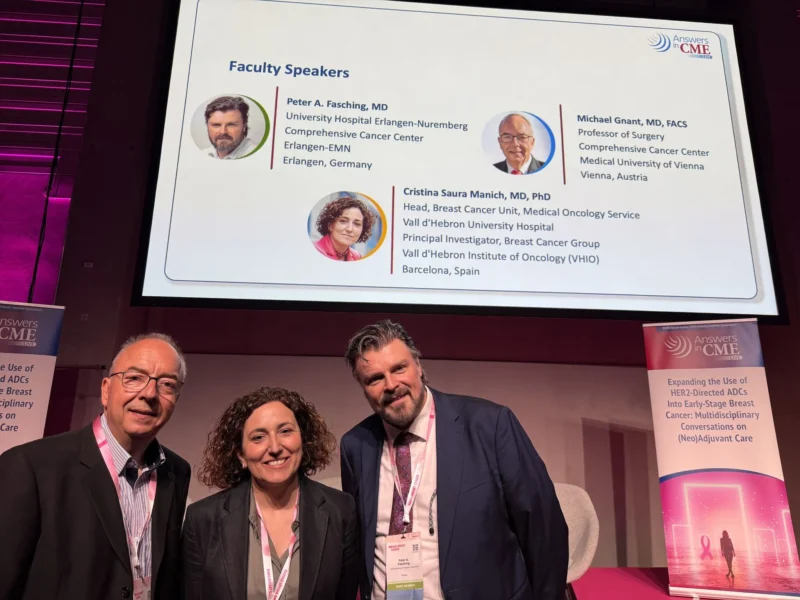
“ESMO Breast in Berlin, Germany. In addition to top-tier new trial results, a fantastic opportunity to connect/interact with other academic groups, experts, and friends. ESMO – European Society for Medical Oncology Medizinische Universität Wien Austrian Breast & Colorectal Cancer Study Group (ABCSG) Giuseppe Curigliano. ”
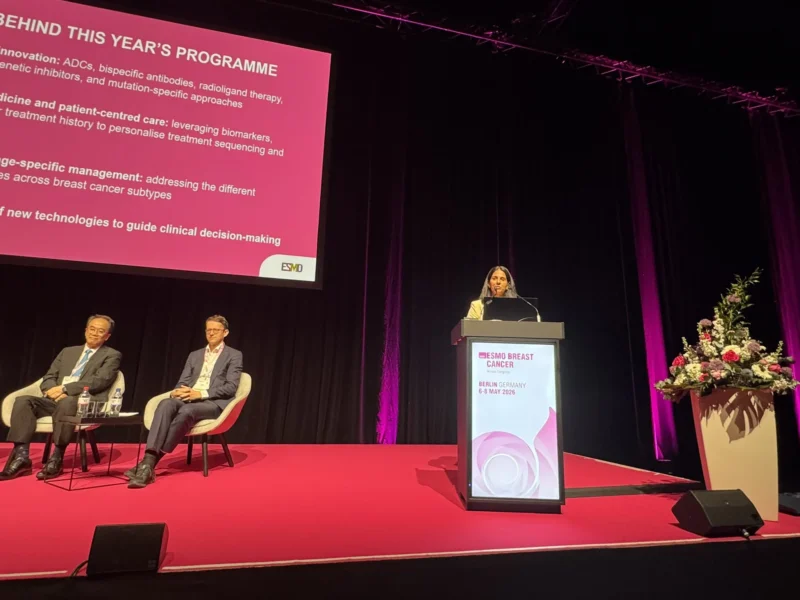
” Sara Tolaney kicks off ESMOBreast26 Highlights: Rinath Jeselsohn keynote lecture Dan Hayes ESMO breast cancer awardee 600 bcsm abstract presentations.”
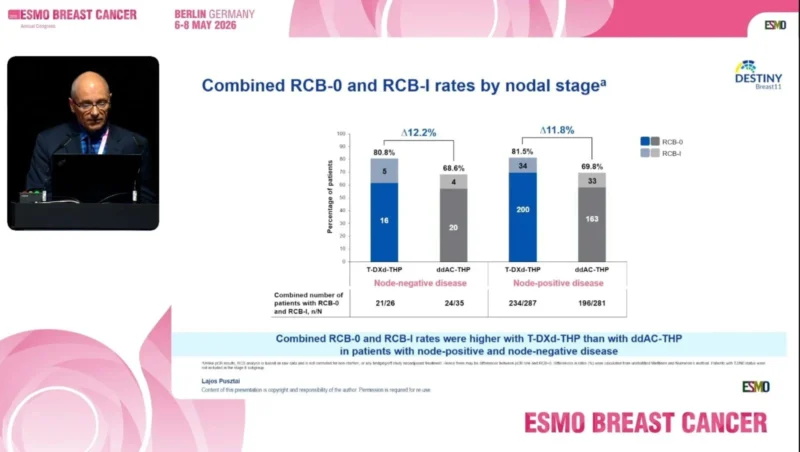
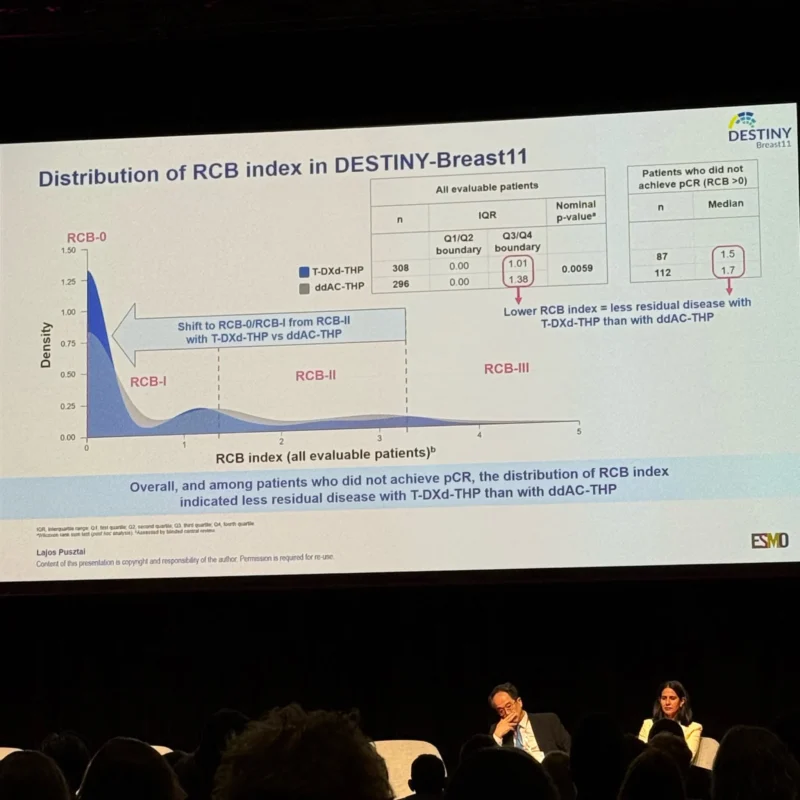
“Destiny Breast 011 update. Trastuzumab deruxtecan arm reduces RCB in all stages and Nodal status .Will this improve OS? Only time will tell.”
“Sometimes you win, sometimes you learn.
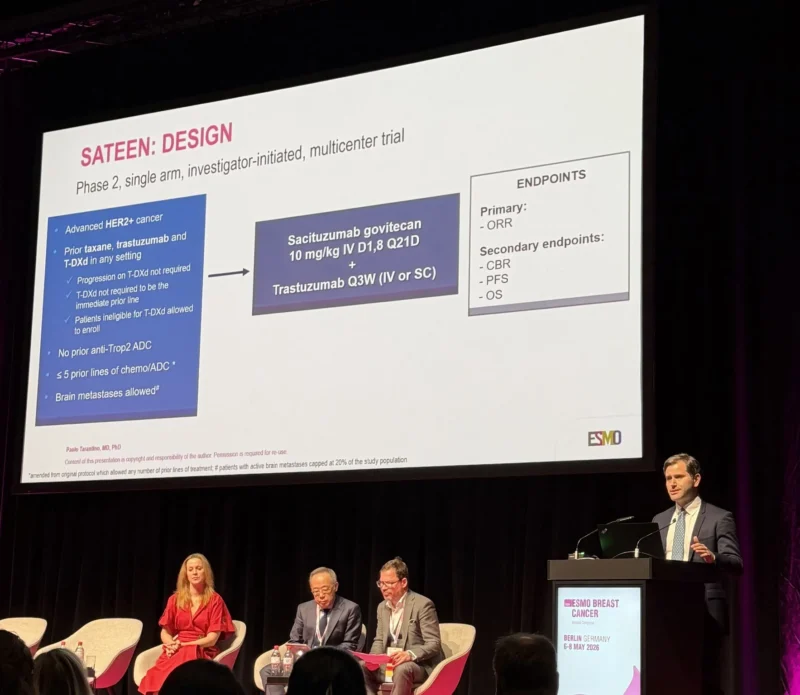
When I joined the Dana-Farber Cancer Institute in 2021, two of the most important unanswered questions in breast oncology were how to optimally sequence ADCs and how to treat patients with HER2+ metastatic breast cancer after T-DXd.
We designed the SATEEN phase 2 trial to generate prospective data in these areas of major unmet need.
Today we presented a first answer at ESMO Breast 2026. In 27 heavily pretreated patients with HER2+ disease, sacituzumab govitecan plus trastuzumab showed very limited activity after prior T-DXd, suggesting that delivering a similar chemotherapy payload (TOPO1i) through a different target (Trop2) may not be an effective strategy in this setting.
The next step is correlative science: identifying biomarkers of ADC sensitivity and resistance, refining how we sequence these agents, and developing more tailored post-T-DXd strategies for our patients.
Negative trials are never the end of the story. When done well, they help us ask better questions.
Profoundly grateful to the patients that participated to the trial, Ada Waks for the mentoring and Gilead Sciences for supporting this investigator-initiated trial.”
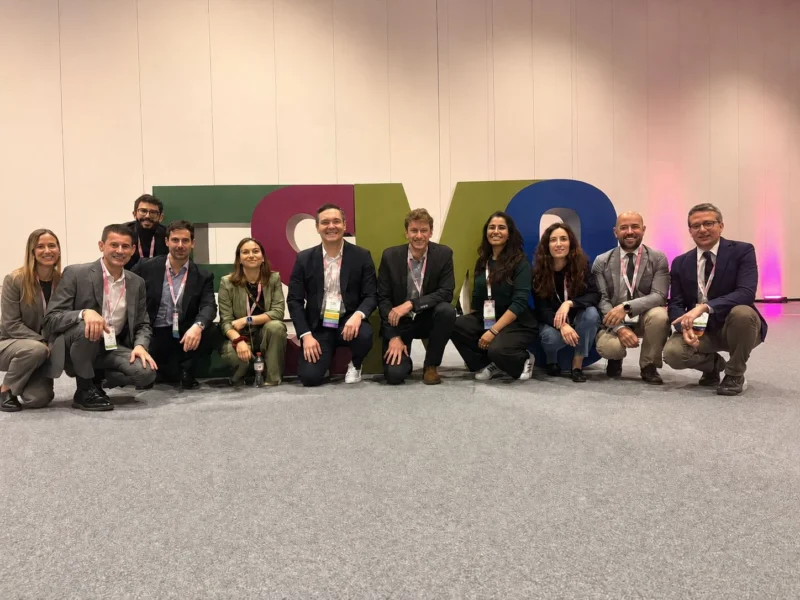
“Some past and current fellows attending ESMO Breast 26: from left to right Elisa Agostinetto, Silvio Sporeni,Roberto Buonaiuto, Flavia Jacobs, Guilherme Nader Marta, Luca Arecco, Soraia Lobo-Martins, Chiara Molinelli, Diogo Martins Branco and prof Matteo Lambertini
ESMO – European Society for Medical Oncology, Institut Jules Bordet, ULB; Hôpital Universitaire de Bruxelles (H.U.B) – Academisch Ziekenhuis Brussel (H.U.B) Belgian Society of Medical Oncology. ”
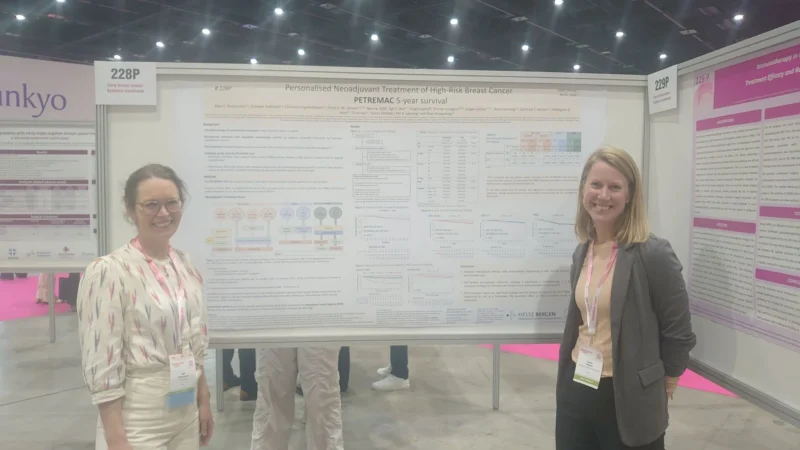
“Great days at ESMO Breast, with inspiring research and education from the best in the field! Really proud over our Phd candidate Mari Rasmussen, and her amazing poster presenting data from our PETREMAC-trial.”
“Day 2 at ESMO Breast Cancer 2026 continued to highlight how rapidly breast cancer management is evolving across HER2+, HR+ and metastatic disease pathways.
A few key learning points from today:
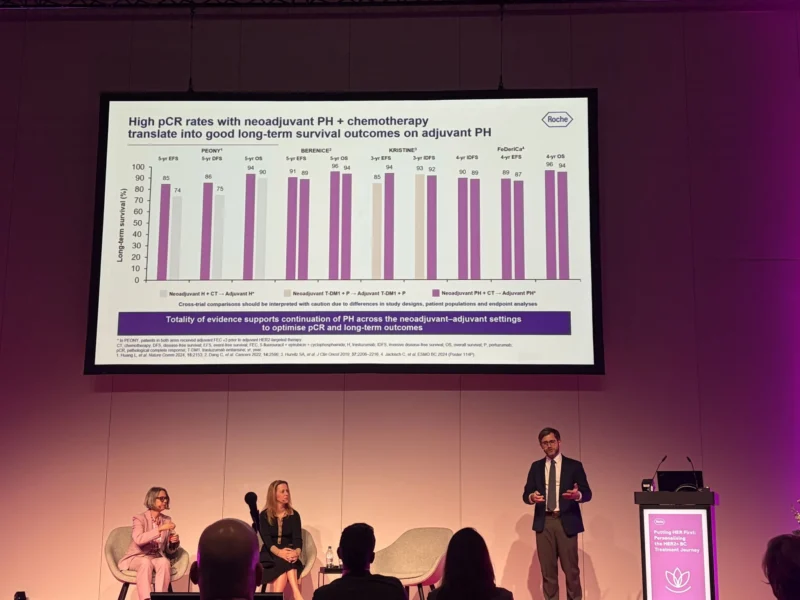
1. Excellent talk from Paolo Tarantino discussing how HER2-positive early breast cancer management may increasingly move toward response-adapted strategies, particularly as neoadjuvant T-DXd enters earlier treatment settings.
2. Long-term follow-up from neoadjuvant/adjuvant dual HER2 blockade studies continues to reinforce the strong correlation between pCR and durable survival outcomes in HER2+ disease.
3. A key unresolved question emerging from DESTINY-Breast11 discussions: what should optimal post-neoadjuvant therapy look like for patients with residual disease after receiving neoadjuvant T-DXd?
4. In metastatic HER2+ disease, newer maintenance approaches (including tucatinib- and palbociclib-containing strategies) are increasingly aiming to prolong disease control while reducing cumulative chemotherapy exposure.
5. Emerging interest in maintenance approaches incorporating tucatinib and palbociclib alongside HER2-targeted therapy to improve durability of response while balancing toxicity and quality of life.
6. Next-generation oral SERDs in HR+ disease continue to generate interest, particularly regarding how they may eventually integrate with adjuvant CDK4/6 inhibitor pathways.
7. Across multiple sessions, the direction of travel was clear: treatment selection is becoming increasingly biology-driven, with growing emphasis on sequencing, CNS activity, toxicity optimisation and quality-of-life preservation alongside efficacy.”
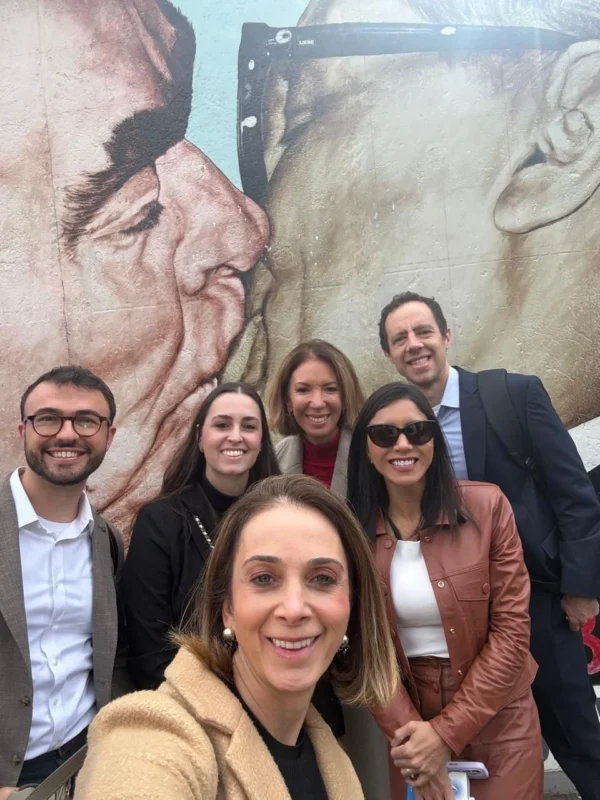
“Back in Rio, still carrying Berlin with me. ESMO Breast 2026 was oxygen and fuel for daily practice. The highest level discussions and, best part , meeting the people you look up to and, somewhere along the way, getting to call them friends.”
“Great to be at ESMO – European Society for Medical Oncology Breast Cancer Congress this week!
Thrilled to present our abstract:
“Body Mass Index (BMI) and Osteoporosis Risk in Breast Cancer Survivors: A Retrospective Audit from the North West Cancer Centre.”
This work explores the relationship between BMI and bone mineral density (BMD) among breast cancer patients receiving endocrine therapy — highlighting how higher BMI may offer a protective effect against osteoporosis.
Grateful to my colleagues and mentors for their support and collaboration.
Raafat Abdel-Malek
ESMO – European Society for Medical Oncology
See you all next year in Milan! ”
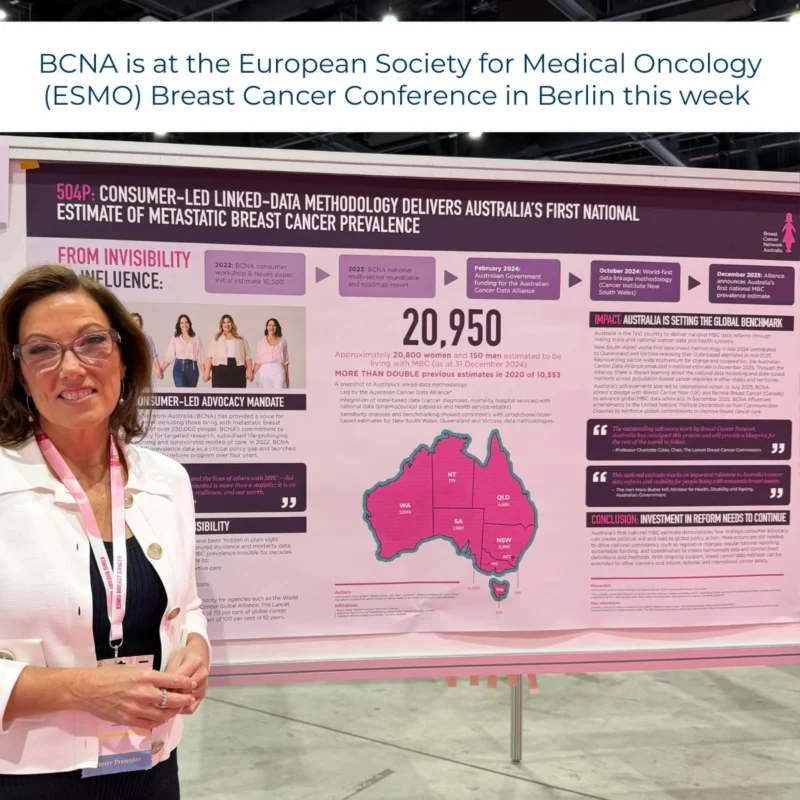
“Honoured to have Breast Cancer Network Australia abstract and poster accepted at ESMO Breast in Berlin.
ESMO Breast is a multidisciplinary global meeting focused on the latest developments in breast cancer treatment and innovation — including clinical trials, emerging therapies, precision oncology, translational research and a focus on metastatic breast cancer.
Across the conference, we are hearing how quickly treatment is evolving, particularly for people living with metastatic breast cancer. New and emerging therapies are continuing to change what is possible.
But in the Australian context, this also raises an important policy challenge.
If people living with metastatic breast cancer are not properly counted and recognised within our cancer data systems, it becomes harder to plan for equitable access to medicines, access to clinical trials, supportive services, models of care unique for this community and future investment as treatments continue to evolve.
What we are presenting is work to bring visibility to metastatic breast cancer data in Australia through linked-data methodology and consumer leadership achieved in December 2025 – a three year project outcome.
The national metastatic breast cancer prevalence notification announced in December 2025 was an important first step. Through the Australian Cancer Data Alliance, where BCNA continues to play a role, ongoing national and state based investment through cancer registries, data linkage capability and national coordination and leadership will remain critical.
This is not a one off project but rather the beginning of ensuring we have sustained data sets of these populations.
This is a global challenge, but the implications for Australia are increasingly concerning as we continue to see pressure on investment, lack of access to emerging medicines listed on the PBS, and ongoing challenges for people living with metastatic breast cancer navigating the system.
We cannot properly plan for, support or care for a community we cannot see within our data systems.
As treatment innovation accelerates, our systems, policy settings and understanding of the metastatic breast cancer population must evolve alongside it. Thankyou ESMO – European Society for Medical Oncology for the opportunity to share our work.”
” Thrilled to have taken part in ESMO Breast Cancer 2026 for the first time
Proud to present our work through two posters entitled :
• “Weekly platinum salts and taxanes in metastatic breast cancer in Tunisia: Monocentric real-world retrospective experience about 123 cases.”
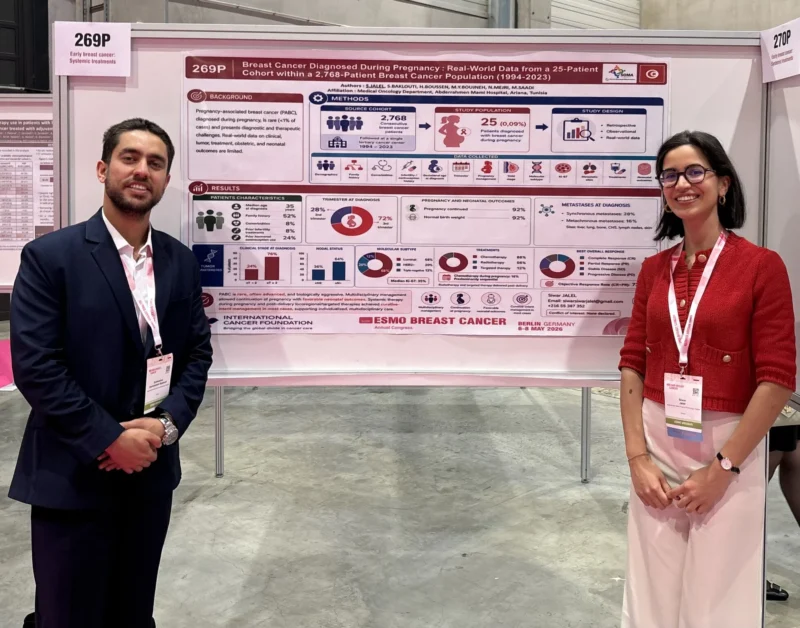
• “Breast Cancer Diagnosed During Pregnancy: Real-World Data from a 25-Patient Cohort within a 2,768-Patient Breast Cancer Population (1994–2023)”
This experience was both inspiring and rewarding, I’m deeply grateful to my mentors and colleagues for their continuous support, guidance, and collaboration.
Looking forward to many more opportunities to contribute, learn, and grow in oncology research
Hamouda Boussen Siwar Jalel Mohamed Yassine BOUJNAH Nesrine Mejri Myriam SAADI Ahmed Anas Haouari. ”
“First time at ESMO Breast!
Attending ESMO Breast for the first time was an incredibly exciting experience. Hearing about the latest advances in treatment and ongoing research really showed how fast the field is moving and gave me a bright feeling of hope for the future of patients.
Beyond the science, one of the most rewarding aspects was connecting with fellow researchers from around the world. It was great to exchange ideas, discuss different perspectives, and have meaningful conversations about our shared work.
I also truly enjoyed the opportunity to present and talk about my own research and to engage with so many thoughtful questions and genuine curiosity. These interactions are what make conferences like this so valuable.
Feeling inspired and motivated for what comes next! ”
“CAPItello-291 Final OS Update at ESMO Breast 2026
At first glance, some may see this as a “negative” OS study. But that’s an oversimplification. 👇
In the PIK3CA/AKT1/PTEN-altered population:
Capivasertib + fulvestrant
Placebo + fulvestrant
Median OS: 28.5 vs 30.4 months
HR 0.83
p = 0.201
BUT…
This was a SECONDARY endpoint
The trial was NEVER powered for OS
And in HR+/HER2− metastatic breast cancer, proving OS benefit is incredibly difficult because:
Patients often live years after progression
Multiple subsequent therapies dilute OS effects
Post-progression treatment imbalance matters
In fact, CAPItello-291 showed MORE subsequent targeted/CDK4/6 therapy use in the control arm after progression. So a “non-significant OS” result here ≠ proof that no OS benefit exists.
Importantly:
Strong biomarker-driven PFS benefit (~50% risk reduction)
Delayed subsequent therapy/PFS2 benefit (In the PIK3CA/AKT1/PTEN-altered population, median PFS2 was 15.9 months with capivasertib plus fulvestrant versus 11.1 months with placebo plus fulvestrant, with a hazard ratio of 0.68)
Maintained quality of life
No OS detriment signal
And let’s not forget the phase II FAKTION trial:
– OS: 39.0 vs 20.0 months
– HR 0.46
– p = 0.005
That provides real biologic plausibility that AKT pathway inhibition matters long term.
In modern HR+ metastatic breast cancer, OS is becoming an increasingly blunt endpoint for targeted therapies given crossover, sequencing, and long post-progression survival. The OS headline may not have crossed the statistical line…
…but biologically and clinically, capivasertib remains a very relevant option in my opinion. ”
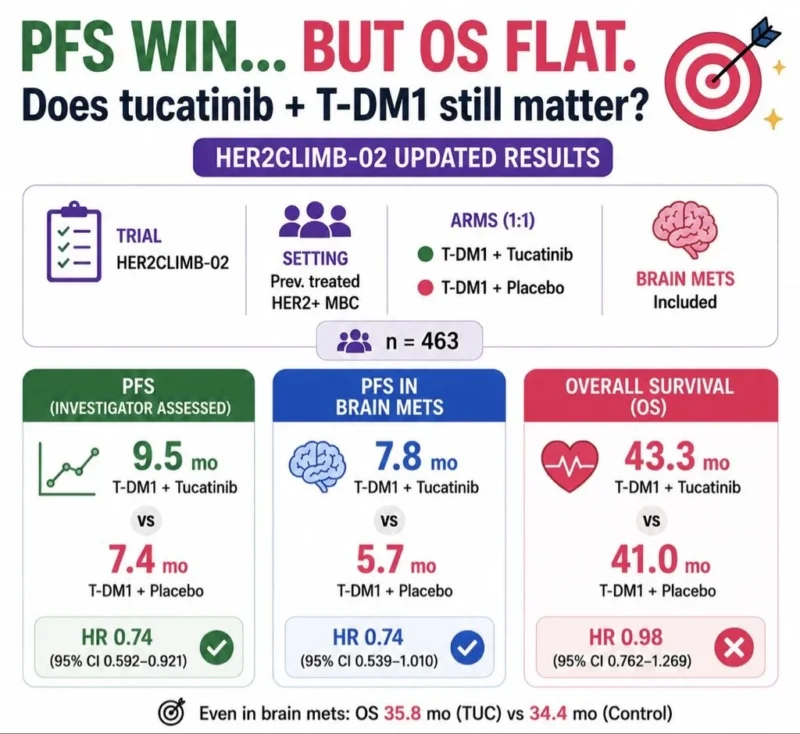
“PFS win. OS flat. HER2CLIMB-02 updated results at ESMOBreast26 HER2+ MBC | n=463 Brain mets included PFS 9.5 vs 7.4 mo HR 0.74 CNS PFS 7.8 vs 5.7 mo HR 0.74 OS 43.3 vs 41.0 mo HR 0.98 Tucatinib + T-DM1 improves PFS, not OS. Still relevant for CNS disease?”
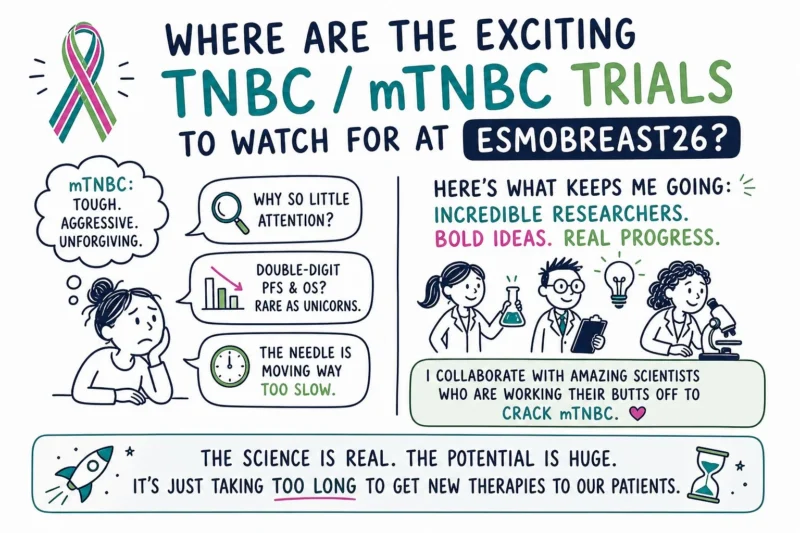
” Top trials to watch at ESMO Breast 26, unless you’re looking for TNBC / mTNBC, apparently. Thankfully, I collaborate with enough brilliant researchers to know there’s some really exciting research happening in TNBC. So I shared my “feelings” w/ AI & asked it to make a graphic based on them. Because if we can’t be slightly snarky about the pace of progress, what else are we to do?”
“New results from DESTINY-Breast11: – Reduction in overall residual cancer burden with T-DXd-THP vs ddAC-THP – Consistent across subtype (HR+/HR-) and nodal status (+/-) – Consistent across many clinical characteristic subgroups Great addition to data on pCR.”
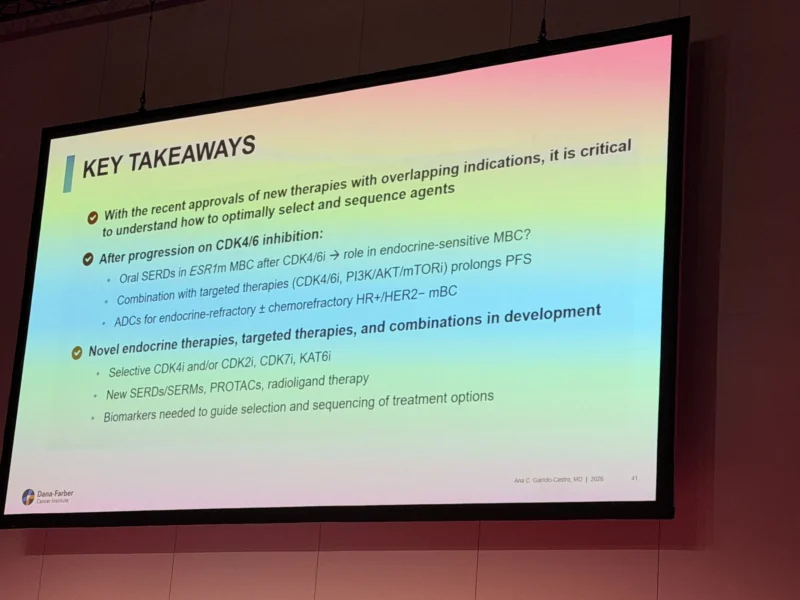
“From ESMOBreast Berlin, the key message in HR+/HER2. metastatic breast cancer is no longer simply “what is next after CDK4/6 inhibitor?” It is how do we sequence intelligently. With overlapping approvals, we need to match biology to treatment: ESR1-mutant disease → oral SERDs Endocrine-sensitive disease → targeted combinations Endocrine-refractory / chemo-refractory disease → ADCs Emerging space → CDK2/4/7, KAT6 inhibitors, PROTACs, radioligand therapy The field is moving fast, but the biggest unmet need remains clear: better biomarkers to guide selection, sequencing, and timing. Precision in HR+ breast cancer is becoming less about adding more options , and more about choosing the right option at the right moment.”
Find more exclusive oncology content on OncoDaily
Written by Nare Hovhannisyan,MD