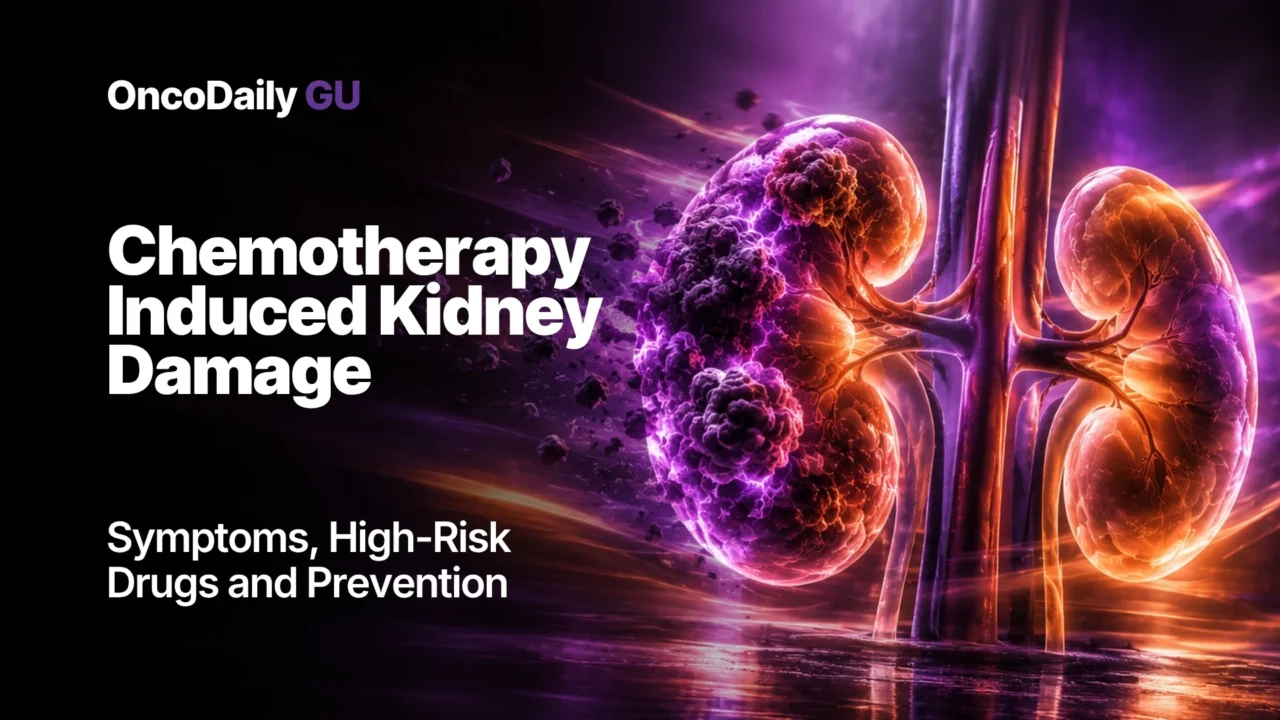
The kidneys may not be the first organs people think about during chemotherapy, but they play an important role throughout cancer treatment. They filter waste from the blood, regulate fluid and electrolyte levels, and help remove many medications and their breakdown products from the body.
Because of this, certain chemotherapy drugs can place additional stress on the kidneys and, in some cases, affect how well they function. These changes may be temporary or more persistent, depending on the treatment and the individual patient. Protecting kidney function is therefore an important part of delivering chemotherapy safely.
What Is Chemotherapy-Induced Kidney Damage?
Chemotherapy-induced kidney damage, also known as chemotherapy-related nephrotoxicity, occurs when certain chemotherapy drugs affect the normal structure or function of the kidneys.
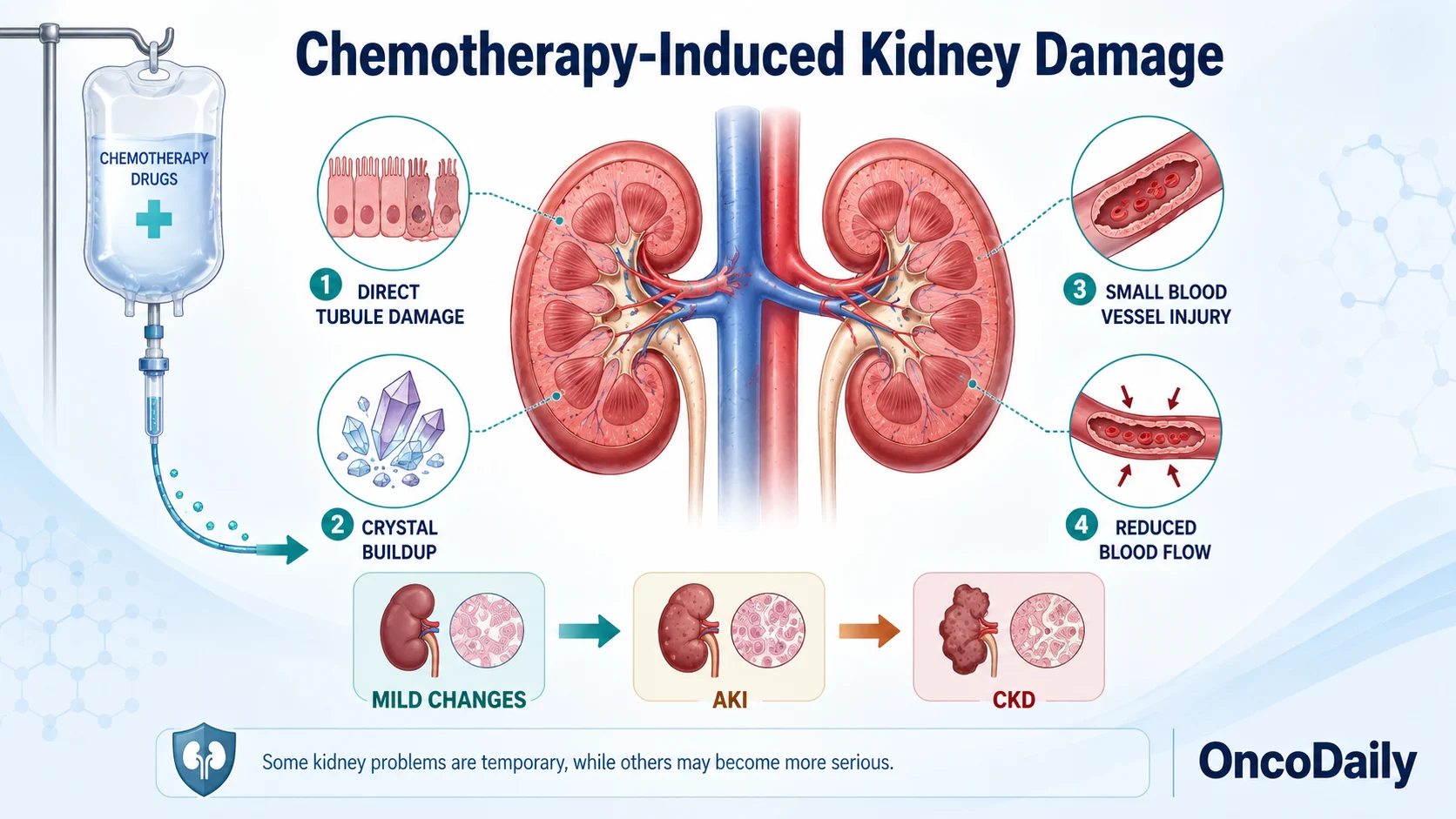
Kidney problems can range from mild and temporary changes in kidney function to more serious acute kidney injury (AKI). In some patients, severe or repeated injury may also contribute to longer-term problems, including chronic kidney disease.
Chemotherapy can affect different parts of the kidney. Some drugs directly damage the kidney tubules, which normally reabsorb important substances and help maintain fluid and electrolyte balance. Others may form crystals within the kidneys, damage small blood vessels, or interfere with normal kidney blood flow.
The type and severity of kidney injury depend on several factors, including the chemotherapy drug, the dose received, the duration of treatment, and the patient’s underlying kidney health (Renaghan et al., 2026; Kelly et al., 2026a; Kelly et al., 2026b).
Which Chemotherapy Drugs Are Most Likely to Affect the Kidneys?
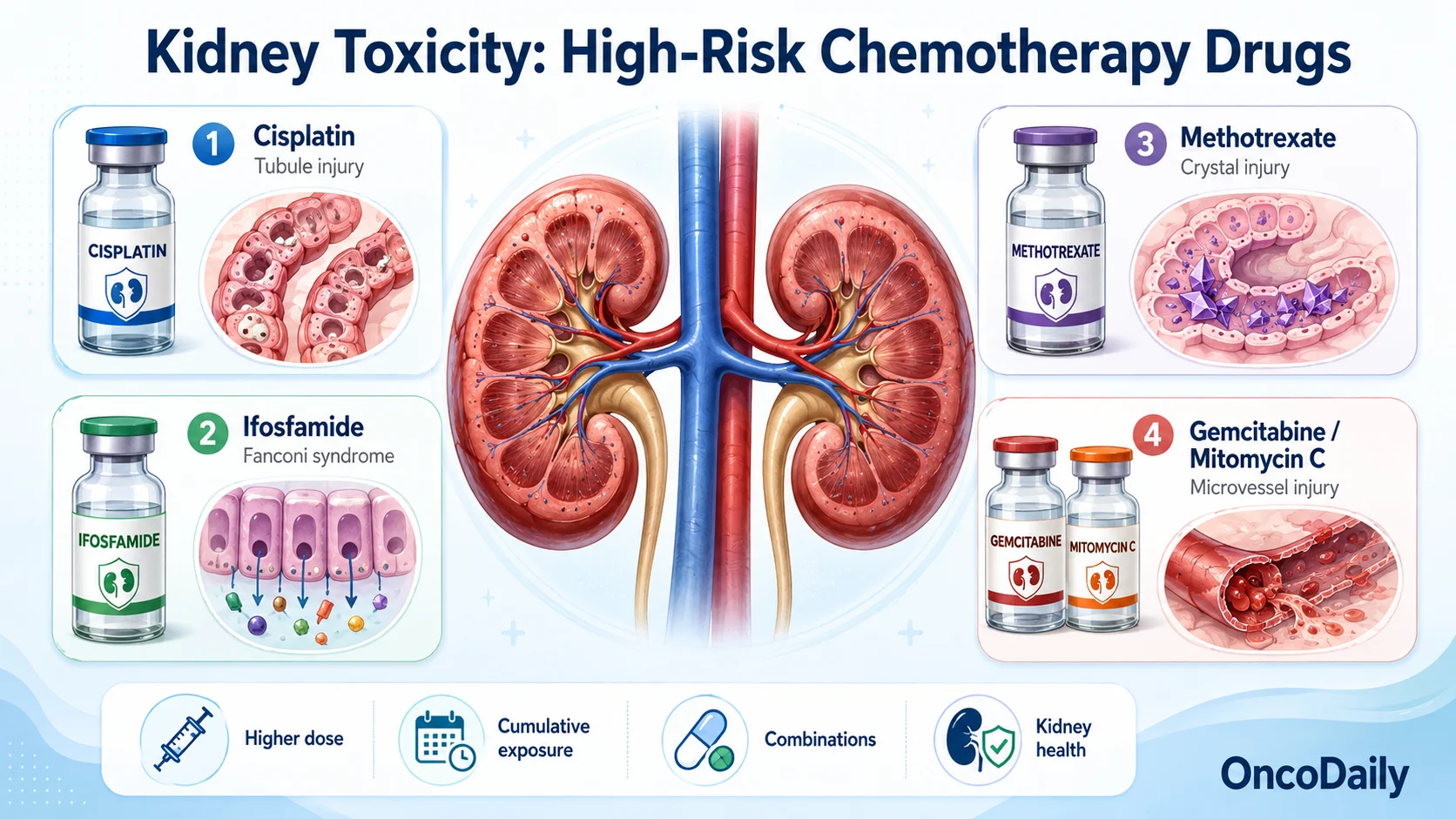
Some chemotherapy drugs are more likely to affect the kidneys than others. Among the best-known are cisplatin, ifosfamide, and high-dose methotrexate, although the type of kidney damage they cause can differ considerably.
Cisplatin is one of the chemotherapy drugs most strongly associated with kidney toxicity. It can directly damage the kidney tubules, leading to acute kidney injury and disturbances in electrolyte levels, particularly magnesium. The risk generally increases with higher doses and repeated treatment. Other platinum drugs, such as carboplatin and oxaliplatin, can also affect the kidneys but are generally less nephrotoxic than cisplatin.
Ifosfamide can damage the kidney tubules and interfere with their ability to reabsorb important substances. In some patients, this can cause loss of phosphate, glucose, and other substances through the urine, a pattern known as Fanconi syndrome. Kidney problems may develop during treatment or become apparent later, particularly after greater cumulative exposure.
High-dose methotrexate can cause acute kidney injury when methotrexate or its metabolites accumulate and form crystals within the kidney tubules. This is why patients receiving high-dose methotrexate require specific supportive measures, including intravenous hydration and urine alkalinization.
Other chemotherapy drugs are associated with less common but potentially serious forms of kidney injury. Gemcitabine and mitomycin C, for example, can cause thrombotic microangiopathy, a condition in which the small blood vessels supplying the kidneys are damaged.
The risk associated with any particular drug also depends on factors such as the dose, cumulative exposure, treatment combinations, and the individual patient’s health (Renaghan et al., 2026; Kelly et al., 2026a; Kelly et al., 2026b).
What Are the Symptoms of Kidney Damage During Chemotherapy?
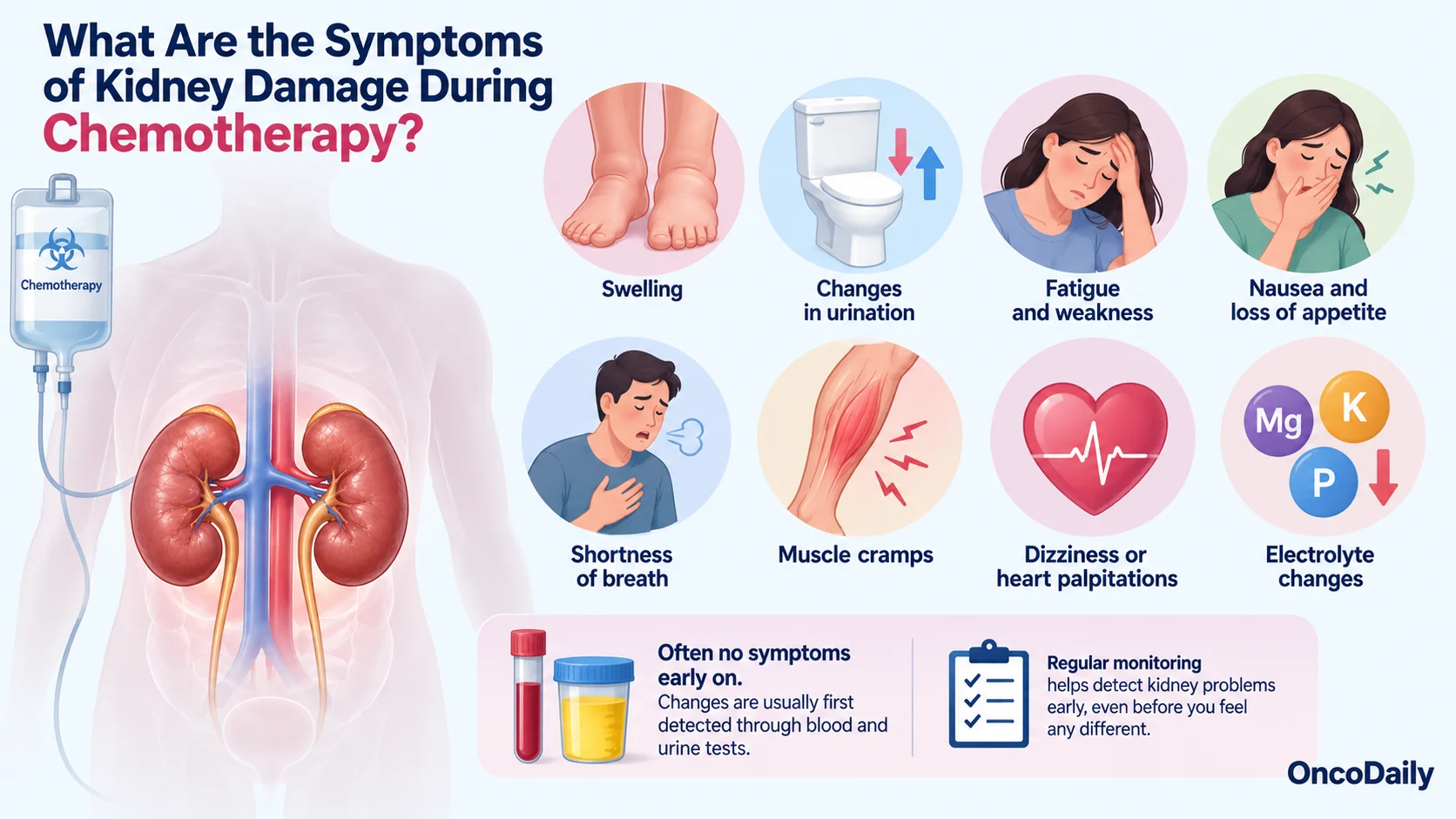
Kidney damage during chemotherapy does not always cause noticeable symptoms, especially in its early stages. In many patients, the first signs are detected through routine blood or urine tests rather than through changes in how they feel.
When symptoms do occur, they can vary depending on the type and severity of kidney injury. Some patients may notice swelling in the ankles, legs, feet, or around the eyes as the body begins to retain fluid. Changes in urination may also occur, including producing less urine than usual or, with certain forms of tubular damage, needing to urinate more frequently.
Other possible symptoms include unusual fatigue or weakness, nausea, loss of appetite, and shortness of breath. These symptoms are more likely to appear when kidney function is significantly affected or when excess fluid accumulates in the body.
Chemotherapy can also interfere with the kidneys’ ability to maintain normal levels of minerals such as magnesium, potassium, and phosphate. Significant changes in these electrolytes may cause symptoms such as muscle cramps, weakness, dizziness, or heart palpitations.
Because many of these symptoms can also be caused by cancer or other treatment side effects, symptoms alone cannot confirm kidney damage. Blood and urine testing are important for identifying changes in kidney function, sometimes before a patient feels any different (Lyrio et al., 2024; Renaghan et al., 2026).
Who Is at Higher Risk of Chemotherapy-Related Kidney Damage?
The risk of kidney damage during chemotherapy is not the same for everyone. Some patients are more vulnerable because of their existing kidney function, other medical conditions, or the type and dose of chemotherapy they receive.
Patients with pre-existing chronic kidney disease (CKD) or reduced kidney function may be at greater risk because their kidneys have less reserve to cope with additional stress. Older adults may also be more vulnerable, particularly when other cardiovascular or metabolic conditions are present.
Medical conditions such as high blood pressure, diabetes, and heart failure can increase the risk of kidney problems. Dehydration is another important factor because reduced blood flow to the kidneys may make them more susceptible to injury. Serious infections, sepsis, and complications such as tumor lysis syndrome can place additional stress on the kidneys during cancer treatment.
Other medications matter as well. Drugs that can affect kidney function, including non-steroidal anti-inflammatory drugs (NSAIDs), certain diuretics, and other nephrotoxic medications, may increase the risk when used alongside nephrotoxic chemotherapy. Doctors therefore review a patient’s medications before and during treatment.
Treatment-related factors are equally important. Higher doses, greater cumulative exposure, repeated treatment cycles, and combinations of therapies that can affect the kidneys may all increase the likelihood of kidney injury. Patients considered to be at higher risk may therefore need closer monitoring or treatment adjustments (Lyrio et al., 2024; Renaghan et al., 2026).

How Is Kidney Function Monitored During Chemotherapy?
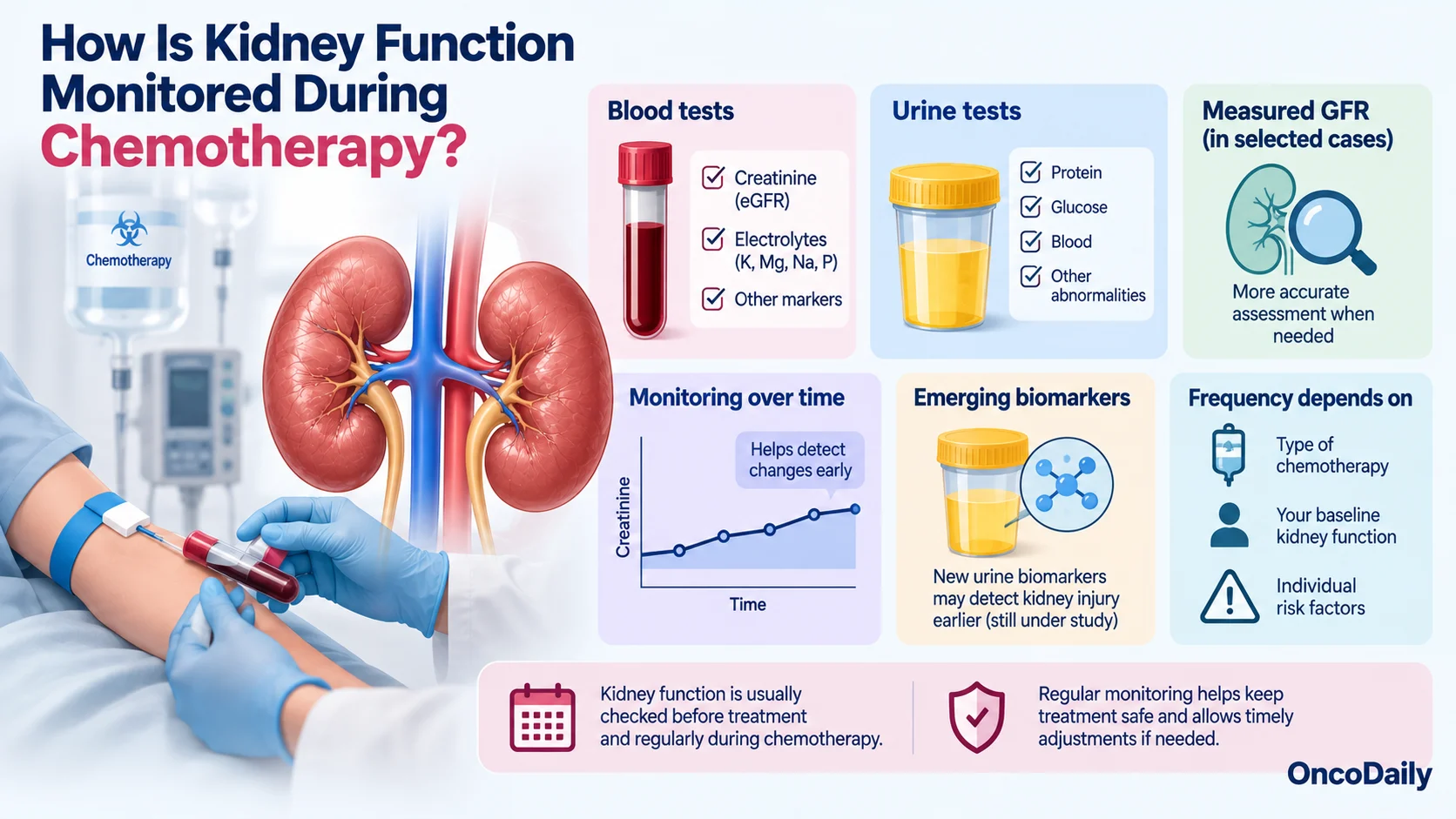
Kidney function is usually assessed before chemotherapy begins and monitored throughout treatment, especially when a patient is receiving drugs known to affect the kidneys. Regular testing helps doctors identify changes early and determine whether treatment can continue safely or needs to be adjusted.
One of the main tests is serum creatinine, a waste product that is normally removed from the blood by the kidneys. Creatinine is commonly used to calculate the estimated glomerular filtration rate (eGFR), which provides an estimate of how effectively the kidneys are filtering the blood.
However, creatinine does not always change immediately after kidney injury, and estimated GFR may not always detect clinically important changes in renal function. In selected situations, particularly when greater accuracy is needed for treatment decisions or drug dosing, doctors may use a directly measured GFR (Hartlev et al., 2012).
Blood tests may also measure potassium, magnesium, sodium, phosphate, and other electrolytes, because certain chemotherapy drugs can interfere with the kidneys’ ability to keep these substances at normal levels. Urine tests may be used to look for protein, glucose, blood, or other abnormalities that can provide additional information about kidney injury.
How often kidney function is checked depends on the chemotherapy being used, the patient’s kidney function before treatment, and their individual risk. Researchers are also investigating newer urinary biomarkers that could potentially detect kidney injury earlier than creatinine, although these approaches are not yet part of routine care for most patients (Hartlev et al., 2012; Kidney Research UK, 2025).
Can Chemotherapy-Induced Kidney Damage Be Prevented or Reversed?
In many cases, the risk of chemotherapy-related kidney damage can be reduced with careful planning and supportive care. Whether kidney function fully recovers after an injury depends on the chemotherapy drug involved, how severe the damage is, and how quickly the problem is recognized and managed.
One of the most important preventive measures is adequate hydration, particularly with nephrotoxic drugs such as cisplatin. Intravenous fluids are commonly given around treatment to maintain adequate kidney blood flow and urine production. Doctors may also try to avoid or limit other medications that can place additional stress on the kidneys when possible.
Some chemotherapy drugs require specific preventive measures. Patients receiving high-dose methotrexate, for example, are usually given intravenous fluids and urine alkalinization to reduce the risk of methotrexate and its metabolites crystallizing within the kidney tubules. Leucovorin rescue is also a standard part of high-dose methotrexate treatment to limit toxicity.
Kidney function and electrolyte levels are monitored so that changes can be addressed early. Depending on the situation, this may involve correcting dehydration or electrolyte abnormalities, modifying the chemotherapy dose, temporarily interrupting treatment, or treating another condition that is contributing to the kidney injury.
Kidney function can improve after chemotherapy-related acute kidney injury, particularly when the cause can be identified and addressed. However, recovery is not always complete. Some patients may be left with persistent loss of kidney function or develop chronic kidney disease, while severe acute kidney injury may occasionally require dialysis or other forms of kidney replacement therapy (Lyrio et al., 2024; Renaghan et al., 2026).

When Should You Contact Your Doctor?
Patients receiving chemotherapy should contact their oncology team if they notice new or worsening symptoms that could suggest a kidney problem. Because kidney injury can sometimes develop without obvious symptoms, scheduled blood and urine tests remain important even when a patient feels well.
Contact your care team if you notice a significant decrease in urine output, new swelling, persistent nausea or vomiting, increasing weakness, muscle cramps, unusual thirst or urination, or worsening shortness of breath. Persistent vomiting or diarrhea should also be reported because dehydration can increase the risk of acute kidney injury during chemotherapy.
Some symptoms require more urgent evaluation. Seek immediate medical attention if you are unable to pass urine, develop severe shortness of breath, rapidly worsening swelling, confusion, fainting, or severe weakness or palpitations that may suggest a significant electrolyte disturbance.
Patients should not wait until their next scheduled appointment if concerning symptoms develop. Early evaluation allows the care team to check kidney function, correct potentially reversible problems, and decide whether any changes to treatment are needed (Lyrio et al., 2024; Weaver, 2022).
FAQ
Can chemotherapy cause kidney damage?
Yes. Some chemotherapy drugs can injure the kidneys, especially at higher doses or with repeated treatment.
Which chemotherapy drugs are most likely to affect the kidneys?
Cisplatin, ifosfamide, and high-dose methotrexate are among the best-known nephrotoxic chemotherapy drugs.
What are the signs of kidney damage during chemotherapy?
Possible signs include swelling, changes in urination, fatigue, nausea, muscle cramps, and shortness of breath.
How is kidney function checked during chemotherapy?
Doctors commonly use serum creatinine, eGFR, electrolyte tests, and urine tests.
Can chemotherapy-related kidney damage be reversed?
Sometimes. Kidney function may improve if the injury is detected and treated early, but recovery is not always complete.