Key takeaways
- Chemotherapy includes many drug classes, each targeting cancer cells through a different mechanism.
- Alkylating agents and platinum drugs damage DNA, making it difficult for cancer cells to divide and survive.
- Antimetabolites, topoisomerase inhibitors, and mitotic inhibitors interrupt DNA production, repair, or cell division at different stages.
- Side effects vary by drug class, because chemotherapy can also affect healthy tissues and specific organs.
- Chemotherapy plans are individualized according to cancer type, stage, biomarkers, treatment goals, previous therapies, and overall health.
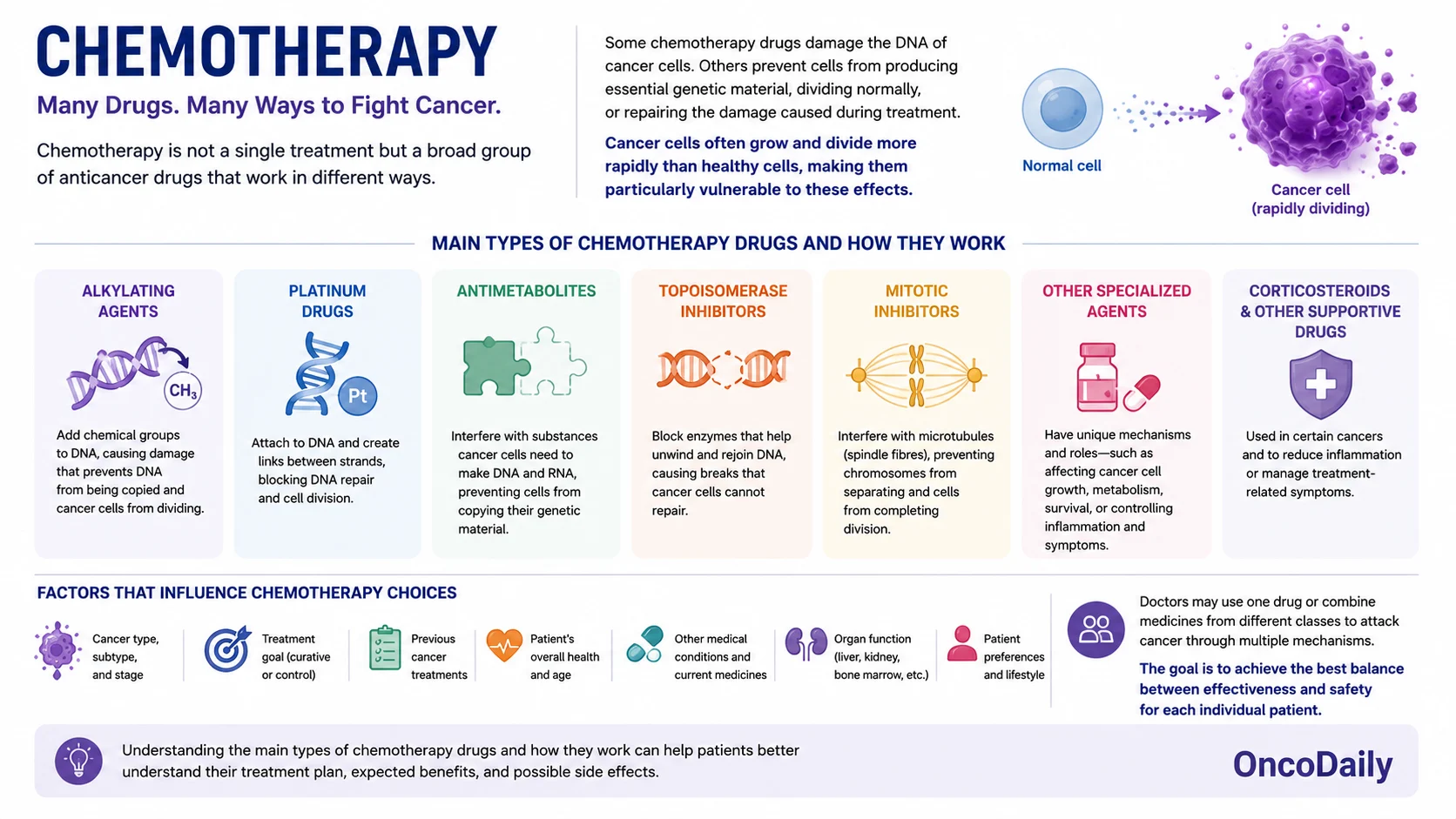
Chemotherapy is not a single treatment but a broad group of anticancer drugs that work in different ways. Some damage the DNA of cancer cells, while others prevent cells from producing essential genetic material, dividing normally, or repairing the damage caused during treatment. Because cancer cells often grow and divide more rapidly than healthy cells, they are particularly vulnerable to these effects.
The type of chemotherapy used depends on several factors, including the cancer type, stage, treatment goal, previous therapies, and the patient’s overall health. Doctors may use one drug alone or combine medicines from different classes to attack cancer through several biological mechanisms. Understanding the main types of chemotherapy drugs and how they work can help patients better understand their treatment plan, expected benefits, and possible side effects.
Alkylating Agents: Main Subtypes and How They Work
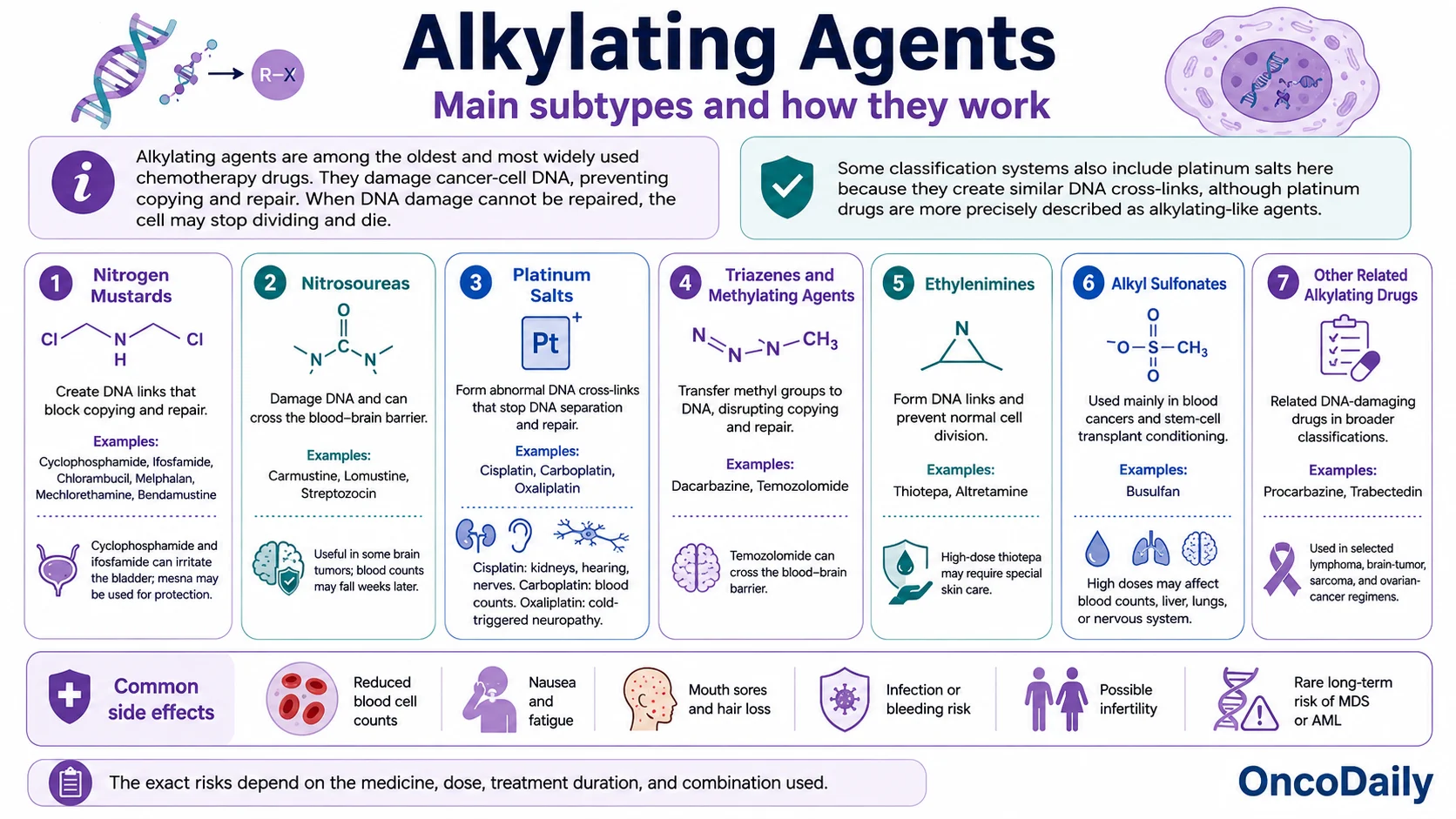
Alkylating agents are among the oldest and most widely used chemotherapy drugs. They damage DNA inside cancer cells, preventing the cells from copying their genetic material and dividing normally. Many of these medicines add chemical groups to DNA or create abnormal links within or between DNA strands. When the damage cannot be repaired, the cancer cell may stop dividing and die. Unlike some chemotherapy drugs that act mainly during a particular stage of the cell cycle, alkylating agents can damage cells during different phases.
Different classification systems organise these medicines somewhat differently. In the broad classification used here, platinum salts are discussed alongside alkylating agents because they also cause major DNA damage and create DNA cross-links. However, platinum compounds are more precisely described as alkylating-like drugs, because they do not chemically add an alkyl group to DNA in the same way as traditional alkylating agents (American Cancer Society, 2025; Ostios-Garcia et al., 2024)
Nitrogen Mustards
Nitrogen mustards are one of the major subtypes of alkylating agents. They create abnormal links in DNA, making it difficult for cancer cells to copy and repair their genetic material. Examples include cyclophosphamide, ifosfamide, chlorambucil, melphalan, mechlorethamine, and bendamustine. These medicines are used across several blood cancers and solid tumours (Ostios-Garcia et al., 2024).
Cyclophosphamide and ifosfamide can produce substances in the body that irritate the bladder and, in some cases, cause bleeding. A protective medicine called mesna is routinely used with ifosfamide to reduce the risk of haemorrhagic cystitis, or bleeding and inflammation of the bladder, and may also be used in some cyclophosphamide-containing regimens (National Cancer Institute, 2011).
Nitrosoureas
Nitrosoureas include carmustine, lomustine, and streptozocin. Like other alkylating agents, they damage DNA and interfere with cancer-cell division. An important feature of this group is that some nitrosoureas, particularly carmustine and lomustine, can cross the blood–brain barrier the protective barrier that prevents many medicines from entering brain tissue. This makes them useful in the treatment of certain brain tumours (American Cancer Society, 2025)
Platinum Salts
Platinum salts include cisplatin, carboplatin, and oxaliplatin. Instead of adding alkyl groups to DNA, these medicines form platinum-containing attachments and cross-links that distort the DNA structure. This prevents cancer cells from copying and repairing their genetic material normally and can ultimately lead to cell death. Although they are not chemically true alkylating agents, they are commonly classified alongside them because the final effect on DNA is similar (American Cancer Society, 2025; Ostios-Garcia et al., 2024).
Cisplatin and carboplatin are used in the treatment of several cancers, including ovarian, lung, bladder, testicular, and head and neck cancers, while oxaliplatin is particularly important in colorectal cancer. Their side-effect profiles differ. Cisplatin is particularly associated with kidney damage and can also affect hearing and peripheral nerves. Carboplatingenerally causes less kidney toxicity than cisplatin, but suppression of blood cell production is an important dose-limiting effect. Oxaliplatin is particularly associated with peripheral neuropathy tingling, numbness, or abnormal sensations which can be triggered or worsened by exposure to cold
Triazenes and Methylating Agents
This group includes dacarbazine and temozolomide. These medicines damage DNA by transferring small chemical groups called methyl groups to it. The resulting changes interfere with normal DNA copying and repair and can eventually cause cancer-cell death (Ostios-Garcia et al., 2024).
Temozolomide is particularly important because it can reach the brain. It is used in the treatment of certain brain tumours, including glioblastoma, where it can be given with radiation therapy and then continued afterward as maintenance treatment (National Cancer Institute, 2006).
Ethylenimines
Ethylenimines and related compounds include thiotepa and altretamine in the classification used by Ostios-Garcia and colleagues. Thiotepa damages DNA by creating links that interfere with normal replication and cell division. These drugs are used in selected cancer treatments, and thiotepa can also form part of high-dose conditioning regimens given before some stem cell transplants (Ostios-Garcia et al., 2024).
Alkyl Sulfonates
Busulfan is an important alkyl sulfonate. It damages DNA and is used mainly in haematologic cancers and as part of conditioning treatment before certain stem cell transplants. Conditioning uses intensive treatment to destroy remaining cancer cells and prepare the bone marrow for transplanted stem cells (Ostios-Garcia et al., 2024)
Watch The Future of Cancer Care: Insights from Ravi Karra on OncoDaily YouTube.
Other Related Alkylating Drugs
Some broader classifications also place drugs such as procarbazine, a hydrazine derivative, and trabectedin, an ecteinascidin derivative, within this group because of their effects on DNA. Their mechanisms are more complex than those of classical alkylating agents, which is why they may be classified differently in other sources (Ostios-Garcia et al., 2024).
Because alkylating agents damage DNA, they can also affect healthy blood-forming cells in the bone marrow. Some drugs in this group can affect fertility, and rarely, treatment can increase the long-term risk of myelodysplastic syndrome (MDS) or acute myeloid leukaemia (AML). This risk generally increases as the total cumulative dose of certain alkylating medicines increases (American Cancer Society, 2025).
Antimetabolites: Blocking Cancer Cells From Making DNA
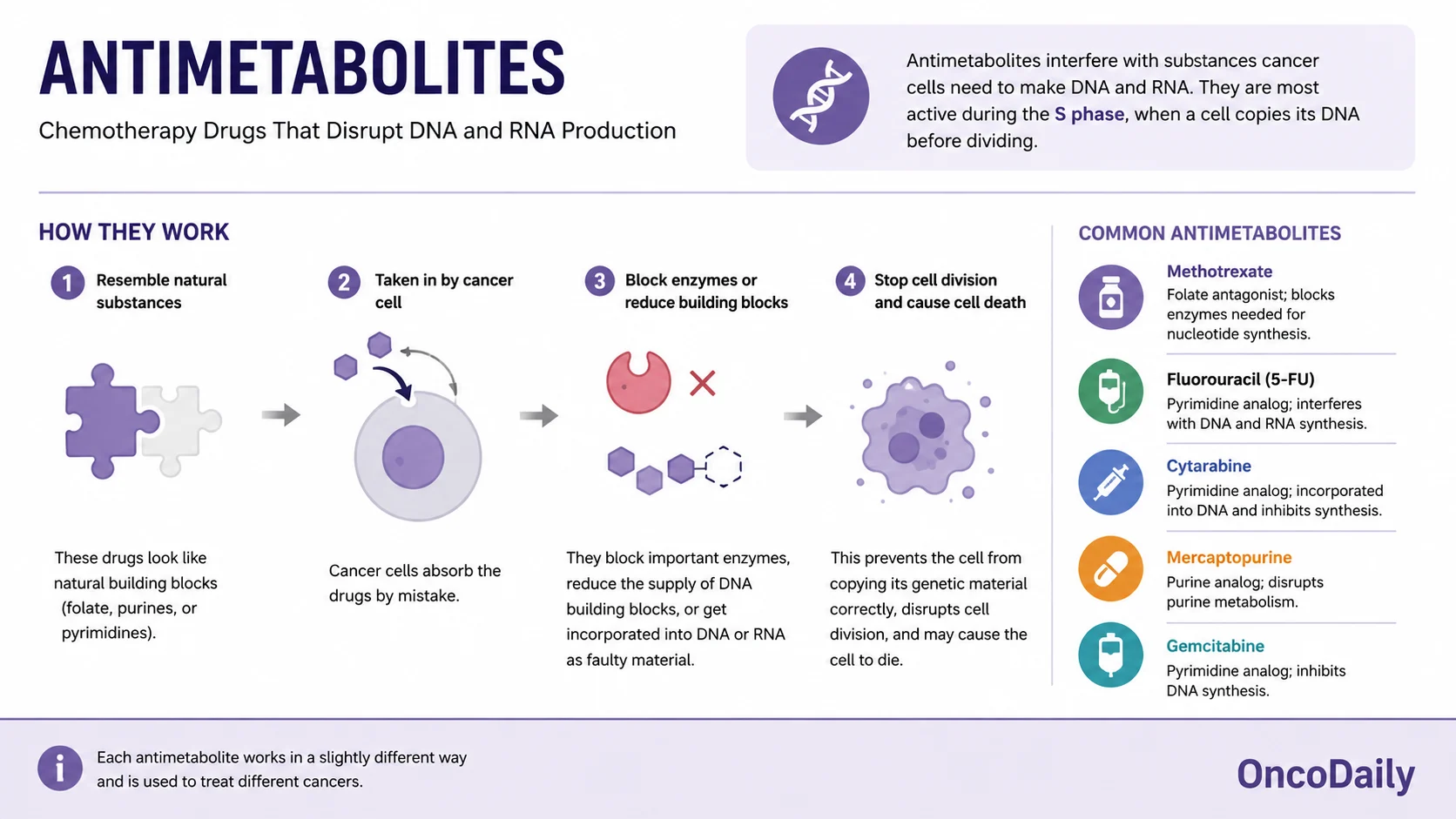
Antimetabolites are chemotherapy drugs that interfere with substances cells need to produce DNA and RNA the genetic material that allows cells to grow and function. These medicines are particularly active during the S phase, the stage of the cell cycle when a cell copies its DNA before dividing.
Antimetabolites resemble natural substances involved in folate, purine, or pyrimidine metabolism. These are pathways cells use to produce nucleotides, the small building blocks of DNA and RNA. Because antimetabolites resemble these natural substances, cells can process them through the same pathways or use them in place of normal building blocks.
Once inside the cell, antimetabolites may block essential enzymes, reduce the supply of nucleotides, or become incorporated into DNA or RNA as abnormal material. This interferes with DNA replication and prevents normal cell division. Common examples include methotrexate, fluorouracil (5-FU), cytarabine, mercaptopurine, gemcitabine, capecitabine, and pemetrexed. Although they belong to the same general class, each interferes with nucleotide metabolism in a somewhat different way (Parker, 2009; American Cancer Society, 2025).
Antitumor Antibiotics: How They Damage Cancer Cell DNA
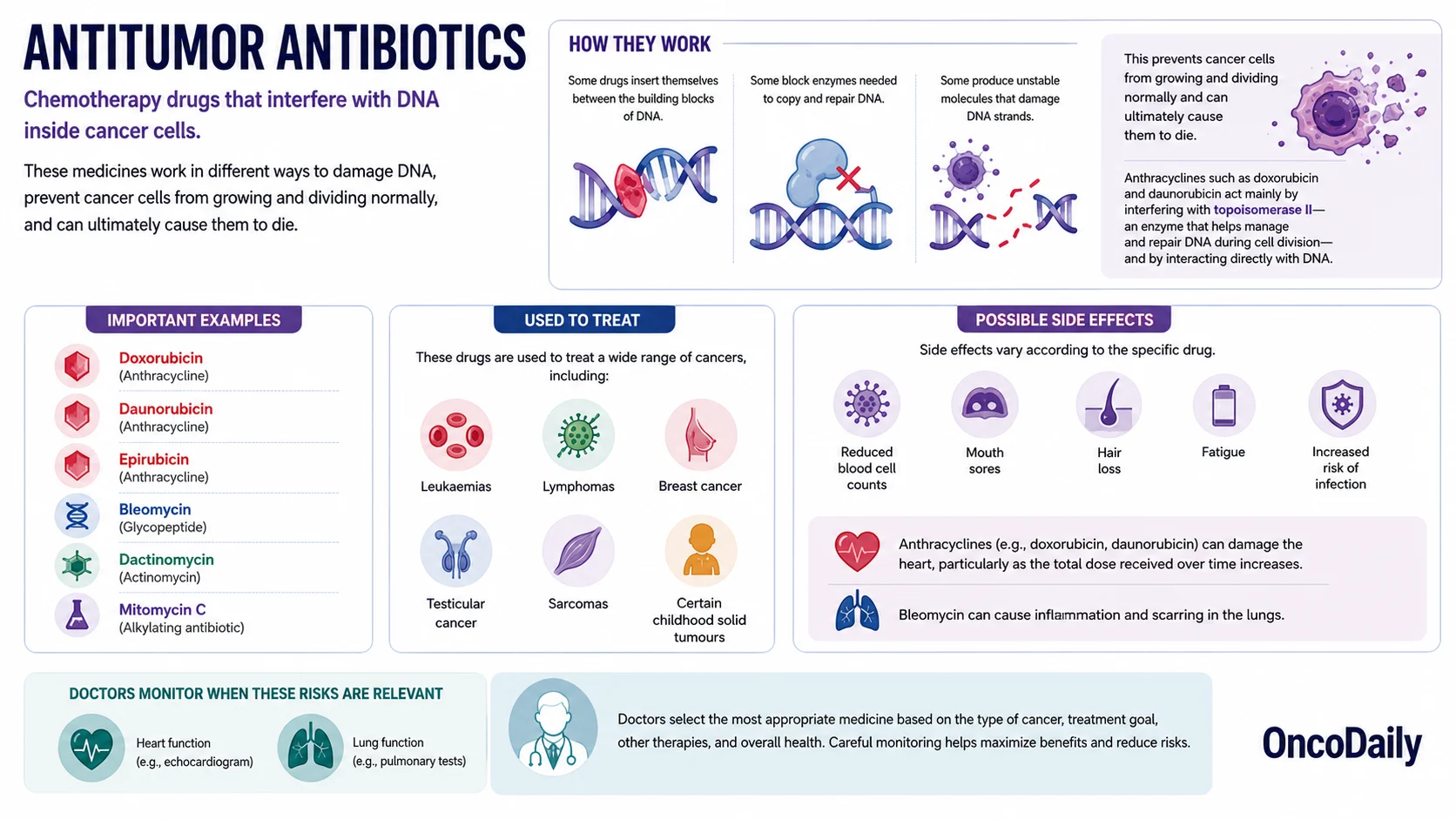
Antitumor antibiotics are chemotherapy drugs that interfere with DNA inside cancer cells. They are not the same as antibiotics used to treat bacterial infections. Different medicines in this group damage cancer cells through different mechanisms.
One important subgroup is the anthracyclines, which includes doxorubicin, daunorubicin, epirubicin, and idarubicin. Anthracyclines can insert themselves between DNA base pairs and interfere with topoisomerase II, an enzyme involved in managing DNA while it is being copied. Their anticancer effects involve several mechanisms that ultimately interfere with DNA function and cell survival (Gewirtz, 1999; American Cancer Society, 2025).
Other antitumor antibiotics include bleomycin, dactinomycin, and mitomycin C. These medicines act differently from anthracyclines but also interfere with DNA and prevent cancer cells from growing normally.
Side effects vary by drug. One of the most important risks of anthracyclines is cardiotoxicity, or damage to the heart muscle, and the risk increases with higher cumulative doses. Bleomycin has a different major toxicity: it can cause inflammation of the lungs and, in severe cases, pulmonary fibrosis, which means scarring of lung tissue. For this reason, heart or lung function may be monitored when these risks are relevant to the treatment being given (American Cancer Society, 2025).
Topoisomerase Inhibitors: Causing Breaks in Cancer Cell DNA
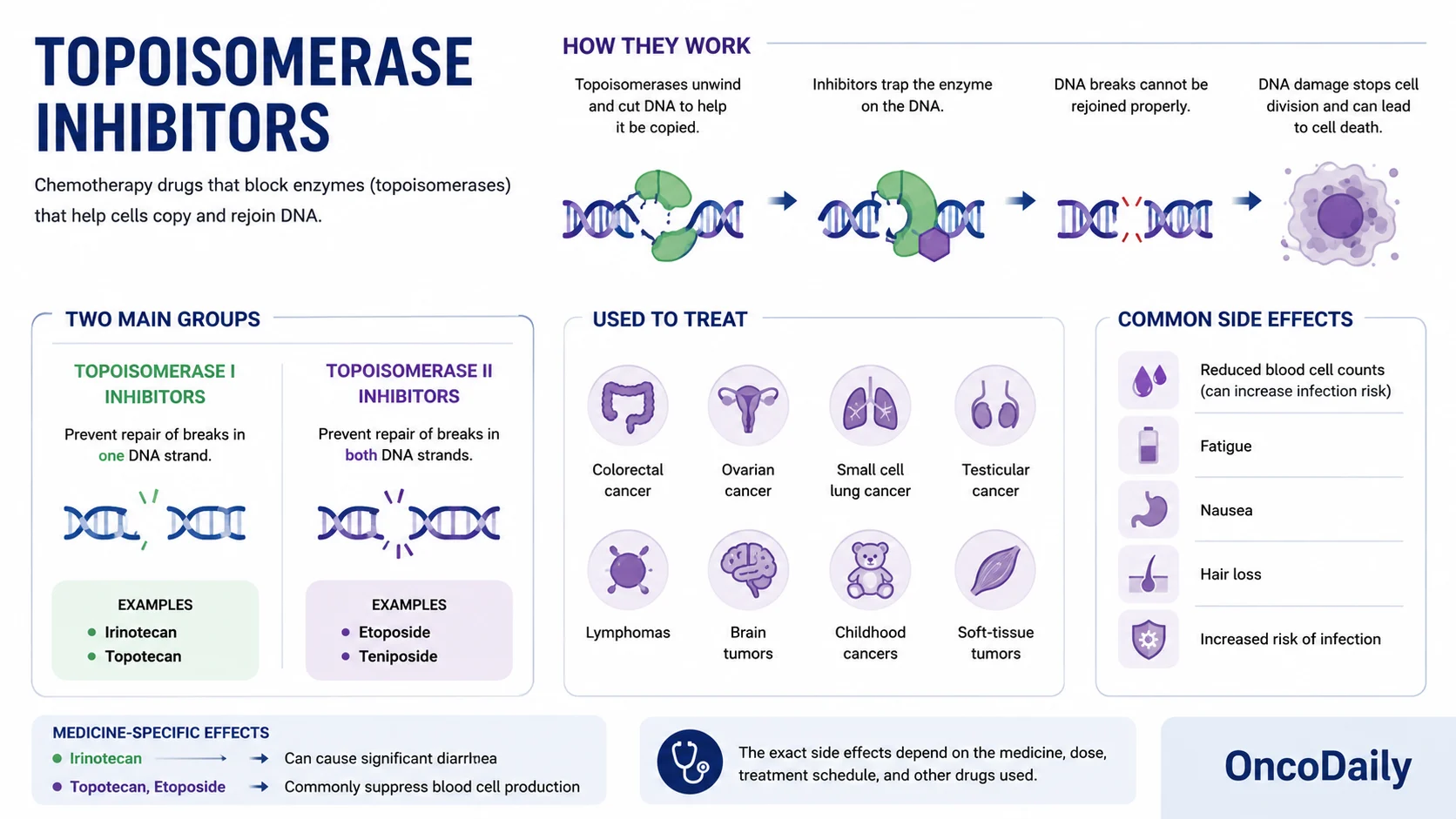
Topoisomerases are enzymes that help DNA unwind, untangle, and re-seal itself during processes such as DNA replication. Certain chemotherapy drugs interfere with these enzymes by trapping them while they are attached to DNA. This prevents DNA strands from being properly rejoined and causes DNA damage that can stop cancer cells from dividing and lead to cell death (Bjornsti et al., 2019).
There are two main groups. Topoisomerase I inhibitors, including irinotecan and topotecan, interfere with an enzyme that temporarily cuts one strand of DNA. Topoisomerase II inhibitors, including etoposide and teniposide, interfere with an enzyme that temporarily cuts both DNA strands. Mitoxantrone also has topoisomerase II-inhibiting activity and can appear in more than one chemotherapy classification.
These drugs are used in several cancers, including certain leukaemias and lung, ovarian, gastrointestinal, colorectal, and pancreatic cancers. Side effects depend on the individual medicine and can include reduced blood cell counts, nausea, diarrhoea, fatigue, hair loss, and infection risk. Topoisomerase II inhibitors are also associated with a small long-term risk of developing a second cancer (American Cancer Society, 2025).
Mitotic Inhibitors: Stopping Cancer Cells From Dividing
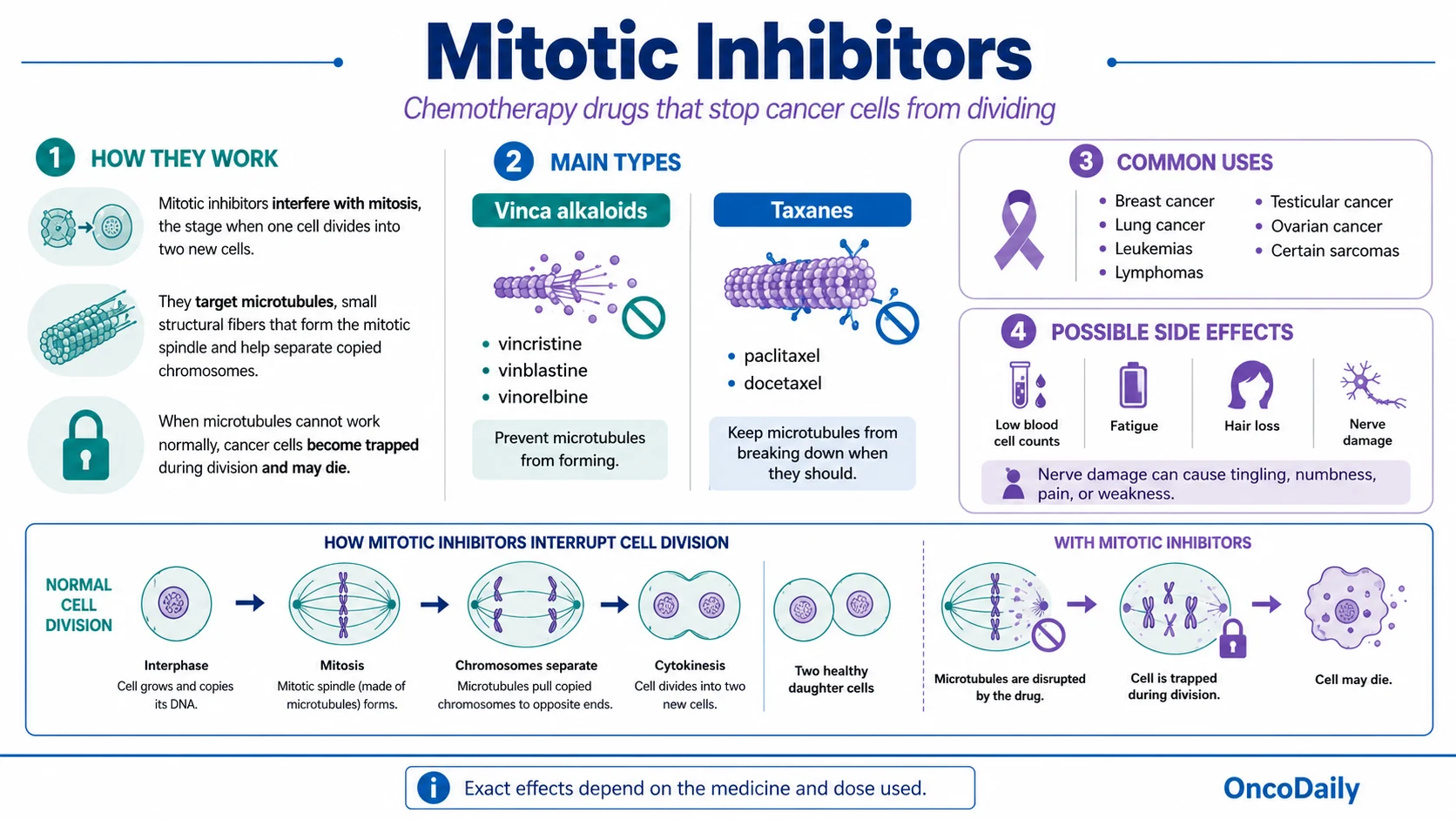
Mitotic inhibitors interfere with mitosis, the stage when one cell divides into two new cells. Many important drugs in this group act on microtubules, small structural fibres that form the mitotic spindle and help move copied chromosomes to opposite sides of a dividing cell. Disrupting this system prevents cancer cells from completing normal division (Jiang et al., 2006).
The two major groups are vinca alkaloids and taxanes. Vinca alkaloids, including vincristine, vinblastine, and vinorelbine, interfere with the formation of microtubules. Taxanes, including paclitaxel and docetaxel, stabilise microtubules and prevent them from breaking down when they should. Although the two groups act in opposite ways, both disrupt the mitotic spindle and interfere with cell division.
Mitotic inhibitors are used in many cancers, including breast and lung cancers, leukaemias, lymphomas, and multiple myeloma. An important toxicity of several drugs in this group is peripheral neuropathy, which can cause tingling, numbness, pain, or weakness in the hands and feet (American Cancer Society, 2025; Jiang et al., 2006)
Other Specialized Anticancer Drugs and Their Roles
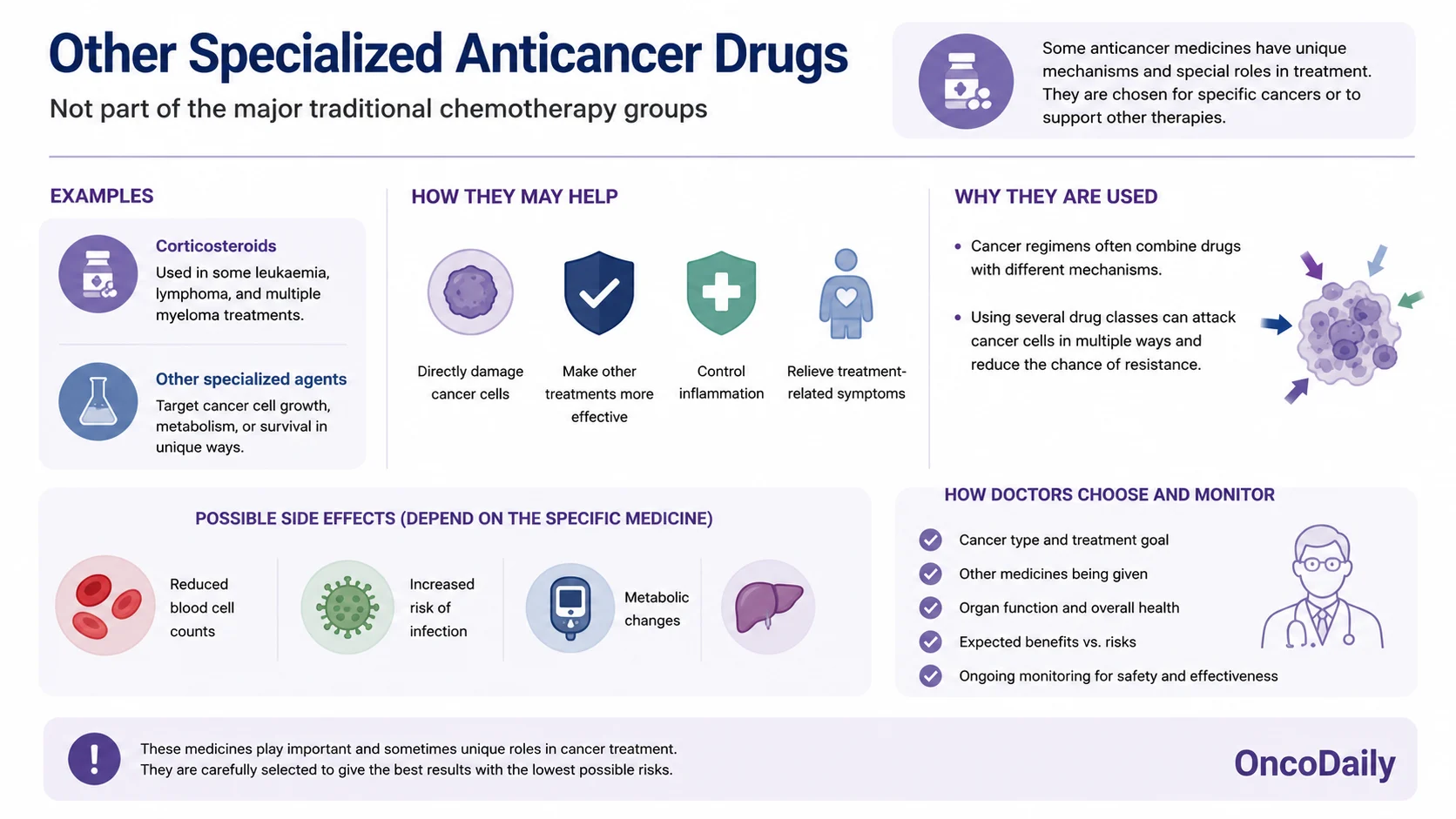
Some anticancer medicines do not fit neatly into the major traditional chemotherapy groups. These drugs have distinct mechanisms and are selected for particular cancers or specific roles within combination treatment regimens. Examples include corticosteroids used in certain leukaemia, lymphoma, and multiple myeloma treatments, as well as other specialized agents that affect cancer cell growth, metabolism, or survival in unique ways.
These medicines may be used to directly damage cancer cells, make other treatments more effective, control inflammation, or relieve treatment-related symptoms. Because cancer regimens frequently combine drugs with different mechanisms, including several drug classes can attack cancer cells in multiple ways and reduce the likelihood that resistant cells will survive.
The possible side effects depend on the individual medicine and can include reduced blood cell counts, infection risk, metabolic changes, and effects on specific organs. Doctors therefore select and monitor these drugs according to the cancer type, treatment goal, other medicines being given, organ function, and the expected balance between treatment benefits and risks (Mihlon et al., 2010).
Why Can Chemotherapy Affect Healthy Cells?
Chemotherapy is designed to interfere with processes cancer cells depend on for survival, such as DNA replication and cell division. However, cancer cells are not the only cells that use these processes. Healthy tissues that regularly produce new cells particularly the bone marrow, digestive tract, and hair follicles can also be affected.
This helps explain common chemotherapy side effects such as reduced blood cell counts, mouth sores, digestive symptoms, and hair loss. Other side effects are much more drug-specific, such as heart damage with some anthracyclines, kidney or hearing problems with cisplatin, lung toxicity with bleomycin, or peripheral neuropathy with taxanes, vinca alkaloids, and oxaliplatin. The exact effects vary considerably according to the medicine, dose, treatment schedule, other treatments, and the individual patient (American Cancer Society, 2025).
Read Chemotherapy and Side Effects: What to Expect and How to Manage Them on OncoDaily.
How Doctors Choose the Right Chemotherapy Plan
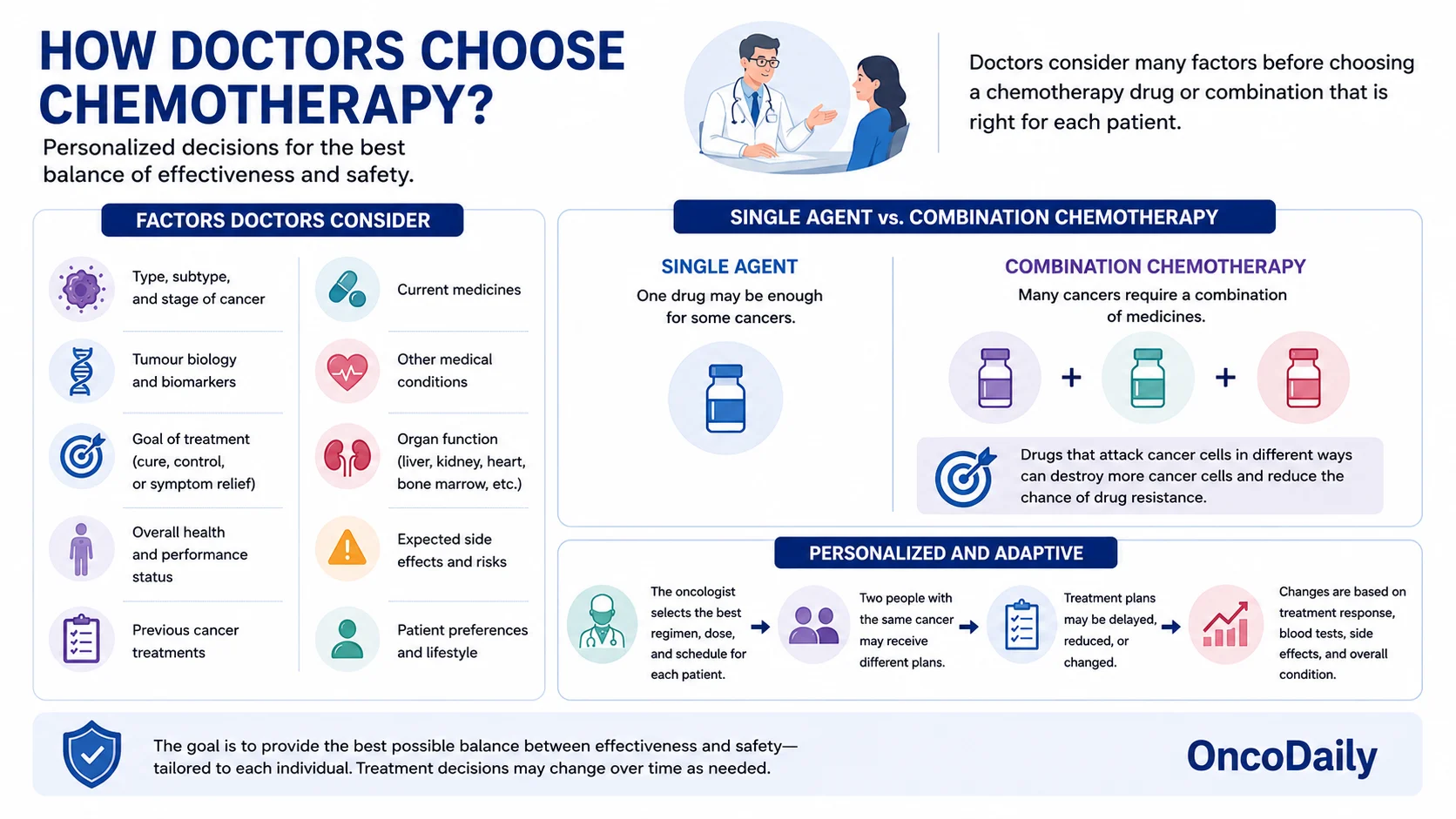
Doctors choose a chemotherapy drug or combination by considering the type, subtype, and stage of cancer, the tumour’s biological features or biomarkers, the goal of treatment, and the patient’s overall health. They also review previous cancer treatments, current medicines, other medical conditions, organ function, expected side effects, and the patient’s preferences.
Some cancers are treated with a single chemotherapy drug, while others require a combination of medicines. Combination chemotherapy uses drugs that attack cancer cells in different ways. This can destroy more cancer cells and reduce the likelihood that the cancer will become resistant to one particular medicine.
The oncologist selects the regimen, dose, and schedule expected to provide the best balance between effectiveness and safety for the individual patient. This is why two people with the same cancer may receive different treatment plans. Chemotherapy may also be delayed, reduced, or changed over time depending on treatment response, blood test results, side effects, and changes in the patient’s overall condition (American Cancer Society, 2025).
Written by Marine Marachlian, MD
FAQ
What are the main types of chemotherapy drugs?
The main groups include alkylating agents, antimetabolites, antitumor antibiotics, topoisomerase inhibitors, mitotic inhibitors, and several other specialized chemotherapy drugs.
Do all chemotherapy drugs work in the same way?
No. Some damage DNA, while others interfere with DNA production, DNA repair, or the machinery cancer cells need to divide.
Are platinum drugs considered alkylating agents?
Platinum drugs such as cisplatin, carboplatin, and oxaliplatin are often grouped with alkylating agents because they create DNA cross-links. More precisely, they are described as alkylating-like drugs.
Why does chemotherapy affect healthy cells too?
Some healthy tissues also renew quickly, especially the bone marrow, digestive tract, and hair follicles. Chemotherapy can therefore affect these cells as well as cancer cells.
Why are several chemotherapy drugs sometimes given together?
Combination chemotherapy uses medicines that attack cancer cells through different mechanisms. This can improve treatment effectiveness and reduce the chance of resistance to a single drug.
Does every chemotherapy drug cause hair loss?
No. Side effects depend on the specific medicine, dose, schedule, and combination used. Some chemotherapy drugs are much more likely to cause hair loss than others.
Why do chemotherapy side effects differ between drugs?
Different medicines act on different cellular processes and can affect different healthy tissues or organs. For example, cisplatin can affect the kidneys and hearing, while some taxanes can cause peripheral neuropathy.
How do doctors choose which chemotherapy drug to use?
Doctors consider the cancer type and subtype, stage, biomarkers, treatment goal, previous therapies, organ function, overall health, and expected benefits and side effects.
Can a chemotherapy plan change during treatment?
Yes. Treatment can be delayed, dose-reduced, or changed depending on side effects, blood tests, organ function, treatment response, or changes in the cancer.
Is chemotherapy always given through an IV?
No. Although many chemotherapy drugs are given intravenously, some are available as tablets or capsules, injections, or through other routes depending on the medicine and treatment plan.