Key takeaways
- Chemotherapy side effects occur because treatment can affect healthy, rapidly dividing cells in the bone marrow, digestive system, hair follicles, skin, and other tissues.
- The type and severity of side effects vary widely depending on the chemotherapy drugs, dose, treatment schedule, cancer type, overall health, and individual response.
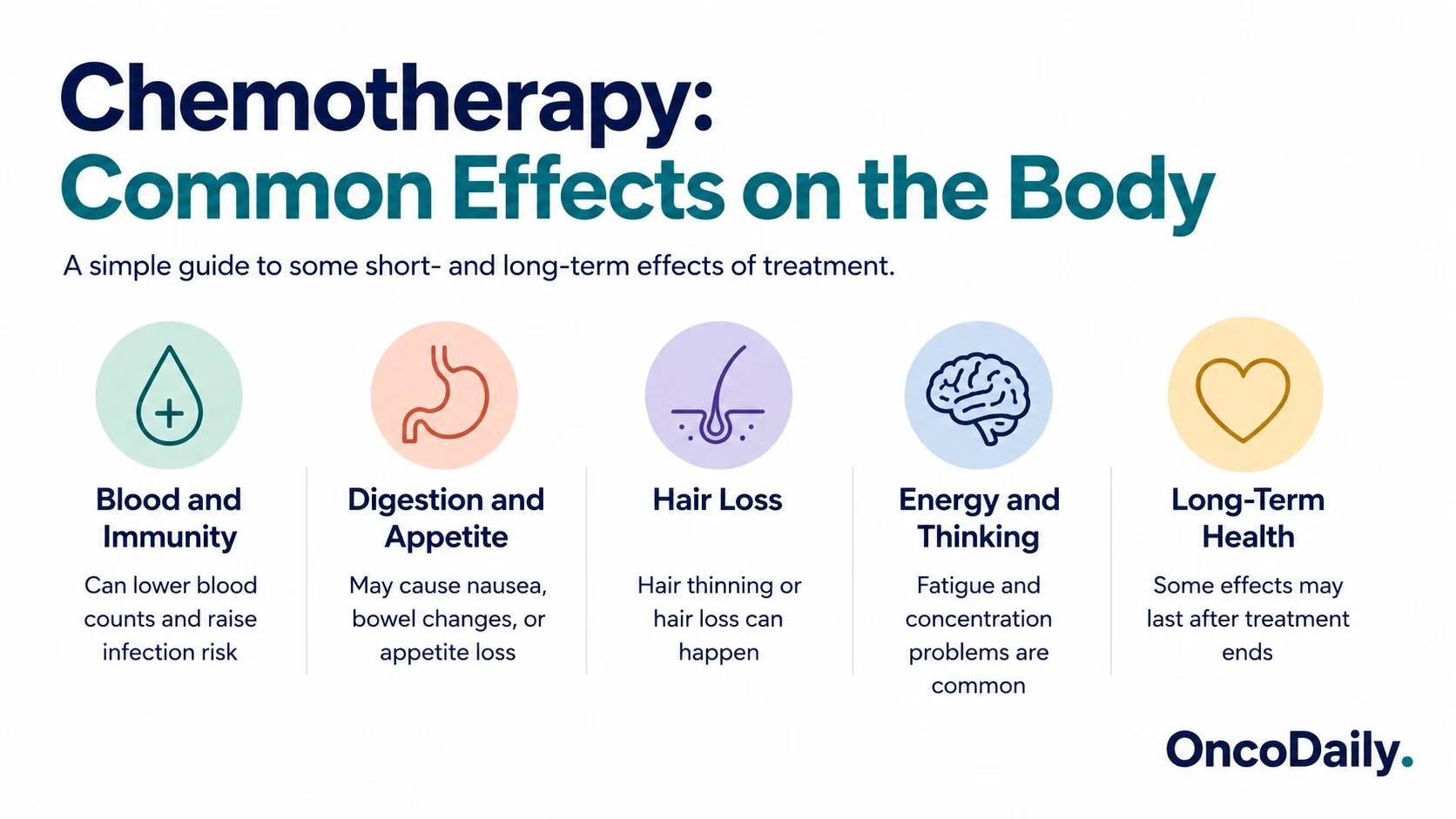
- Common effects include fatigue, nausea, appetite loss, diarrhea, constipation, mouth sores, hair loss, low blood cell counts, and an increased risk of infection or bleeding.
- Some complications, including neuropathy, heart or lung damage, fertility changes, hearing loss, and cognitive difficulties, can persist after treatment and require long-term follow-up.
- Reporting symptoms early allows the oncology team to provide supportive care, prevent complications, and help patients continue treatment as safely and comfortably as possible.
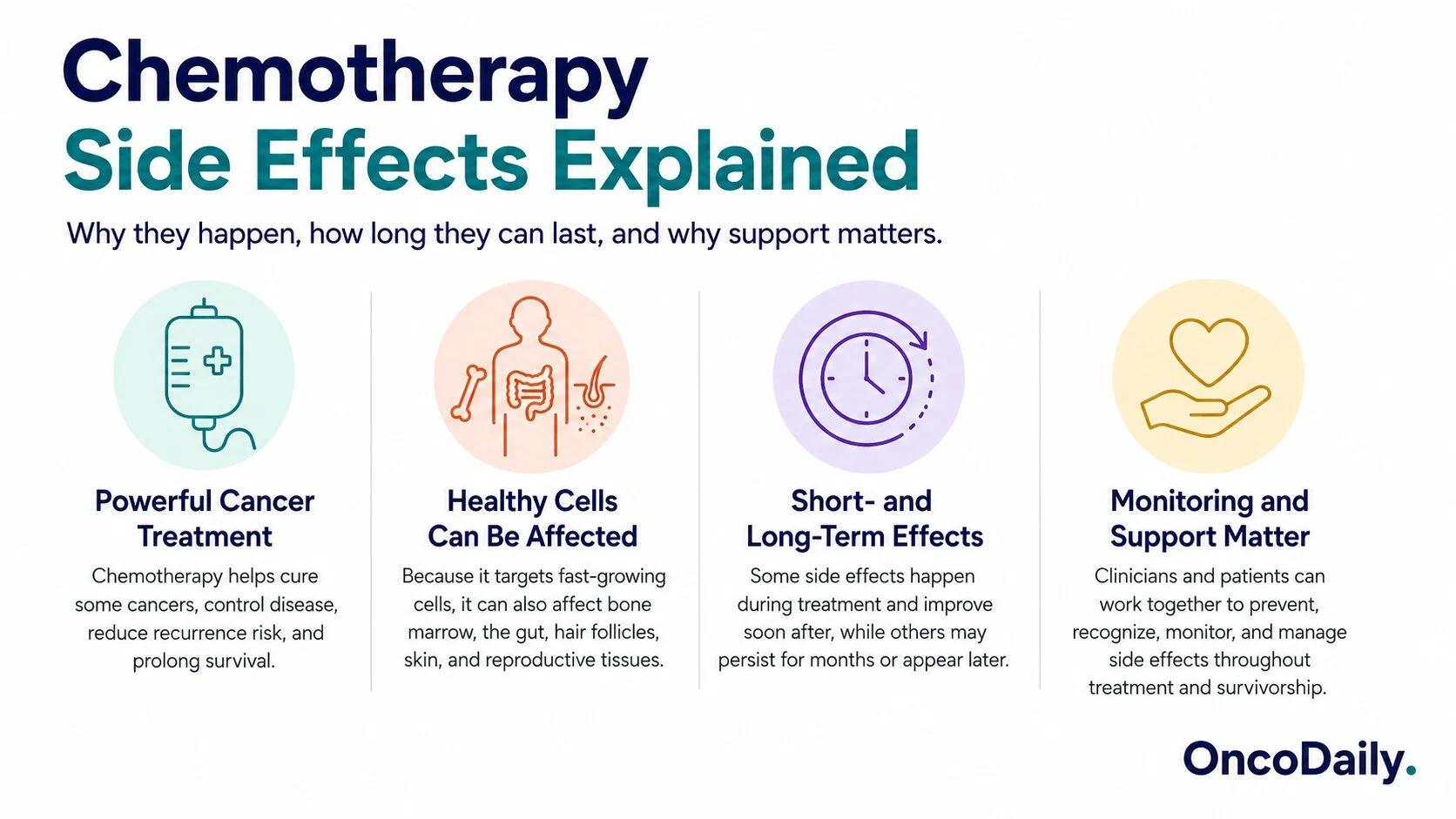
Chemotherapy remains one of the most powerful and widely used treatments in modern oncology, helping to cure some cancers, reduce the risk of recurrence, control disease progression, and prolong survival across many tumor types. Its effectiveness comes from its ability to target rapidly dividing cells, but this mechanism can also affect healthy tissues that renew quickly, including the bone marrow, digestive tract, hair follicles, skin, and reproductive system.
As a result, chemotherapy can cause a broad range of side effects that influence physical health, emotional well-being, daily activities, work, relationships, and overall quality of life. Some effects appear during treatment and resolve soon afterward, while others may persist for months or emerge years later. The type and severity of these effects vary depending on the drugs used, treatment dose and duration, combination regimens, the patient’s age, general health, and individual susceptibility.
This article explains why chemotherapy-related side effects occur, reviews both common and less frequently discussed complications, and outlines how clinicians and patients can work together to prevent, recognize, monitor, and manage them throughout treatment and survivorship.
Why Chemotherapy Side Effects Happen
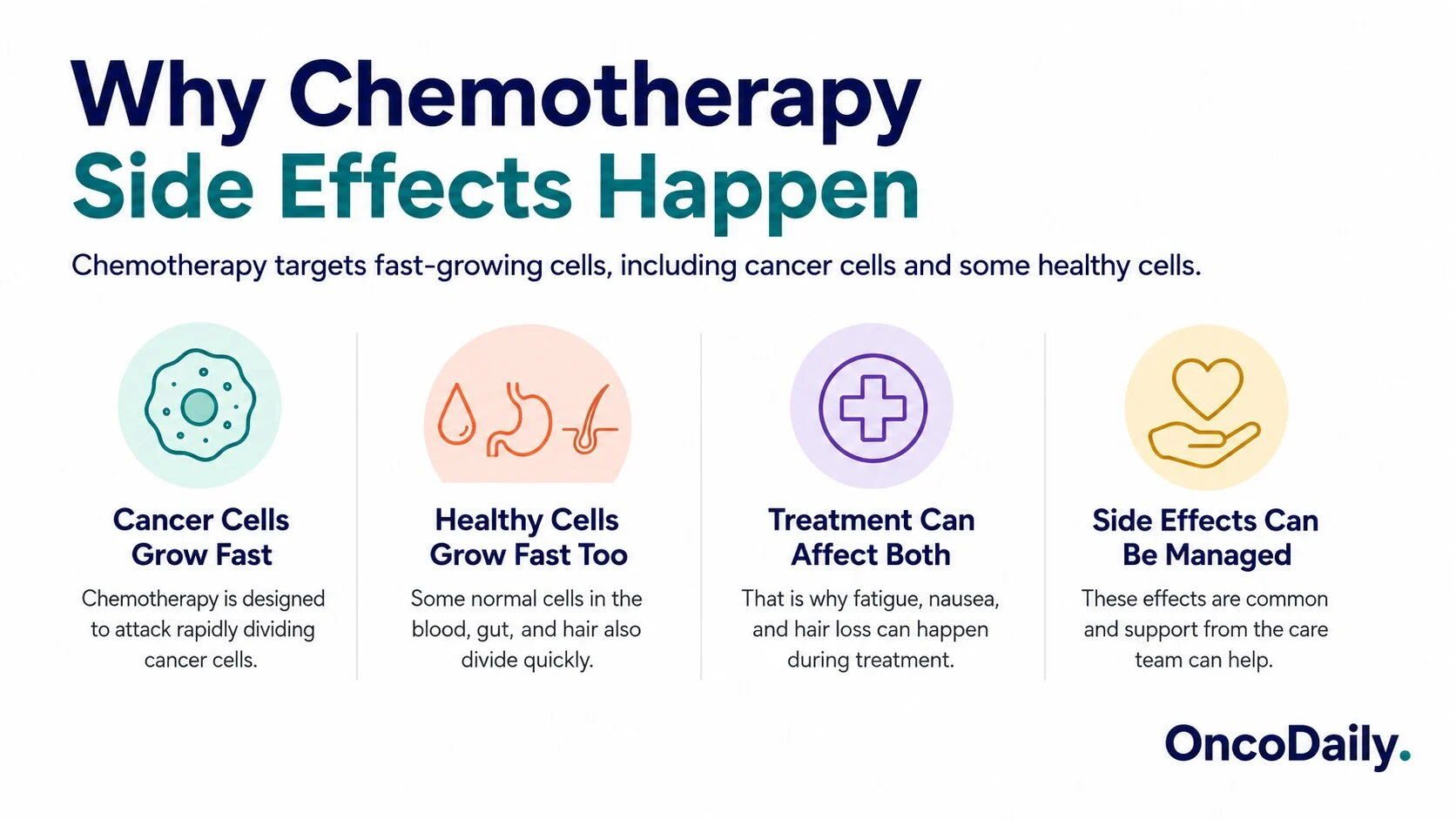
Think of chemotherapy as a treatment that looks for cells that are growing very fast. Cancer cells are exactly that rushing to multiply and take over. But chemotherapy can’t perfectly tell which fast-growing cells are the bad ones and which are healthy ones that also need to divide, like the cells in your blood, your gut, and your hair roots. So when it attacks the cancer, it also “hits” some of your normal cells. That’s why you may feel tired, lose your appetite, get nausea or diarrhea, or notice your hair thinning or falling out.
These are not signs that the treatment is failing; they are signs that the drugs are working hard and doing exactly what they were designed to do just sometimes in more places than just the tumor.Knowing this helps many patients understand that side effects are part of the process, not a personal weakness, and that they can often be managed with the right support.
How common and burdensome are chemotherapy side effects?
Real‑world studies show that side effects are almost universal:
- In a prospective cohort of 77 patients with gastric, periampullary, colorectal, and breast cancers, 97.4% reported at least one side effect over six months; fatigue was the most common (87%), followed by loss of appetite (71.4%) and diarrhea (49.4%). About two‑thirds of patients experienced six or more concurrent symptoms (Katta et al., 2023).
- Symptom clusters vary by cancer type and regimen for example, diarrhea and mucositis are far more frequent with some colorectal regimens than with typical breast cancer regimens.
Key symptom domains and mechanisms
Chemotherapy can affect different organs and tissues, leading to a wide range of short- and long-term side effects. The pattern of symptoms varies by treatment, dose, cancer type, and individual response.
Hematologic and immune effects
- Myelosuppression (neutropenia, anemia, thrombocytopenia) is a major acute risk, increasing infection, transfusion need, and bleeding.
- Long-term: damage to hematopoietic stem and progenitor cells can cause chronic marrow dysfunction and immune aging, with implications for infection risk and secondary blood cancers.
Gastrointestinal, nutrition, and mucosal toxicity
- Nausea, vomiting, diarrhea, constipation, and mucositis are common and can precipitate malnutrition, dehydration, treatment dose reductions, or discontinuation.
- Mucosal damage drives inflammation that worsens fatigue and appetite loss.
Alopecia (hair loss)
- Rapidly dividing hair matrix cells are vulnerable; hair loss is visible, distressing, and often feared by patients.
- Scalp cooling, counseling, and psychosocial support can reduce distress and, in some regimens, reduce hair loss.
Fatigue, neurocognitive, and psychosocial effects
- Persistent fatigue and cognitive changes (“chemo‑brain”) are frequent and can last months to years.
- Emotional distress, body image changes, and social impact (work, relationships) are important dimensions of toxicity.
You can also read Neurological Side Effects of Chemotherapy by OncoDaily.
Long-term organ damage and secondary malignancies
- Cardiotoxicity, pulmonary fibrosis, renal impairment, endocrine dysfunction, and sexual dysfunction can emerge or persist long after therapy.
- Certain agents raise lifetime risk of secondary cancers (e.g., therapy‑related acute myeloid leukemia after alkylators or topoisomerase II inhibitors).
What You Might Not Expect: Less‑Known Side Effects and Why They Matter
Many people know about the “classic” side effects of chemotherapy, but some important ones are discussed less often, even though they can affect daily life for months or years. For example, some drugs can cause numbness or tingling in the hands and feet (called peripheral neuropathy), making it harder to do small tasks like buttoning shirts or typing. Others may affect hearing, especially in high pitches, or cause balance problems. Chemotherapy can also impact fertility, sexual health, and bone strength, which is why many clinics now offer fertility counseling and bone health checks before and after treatment.
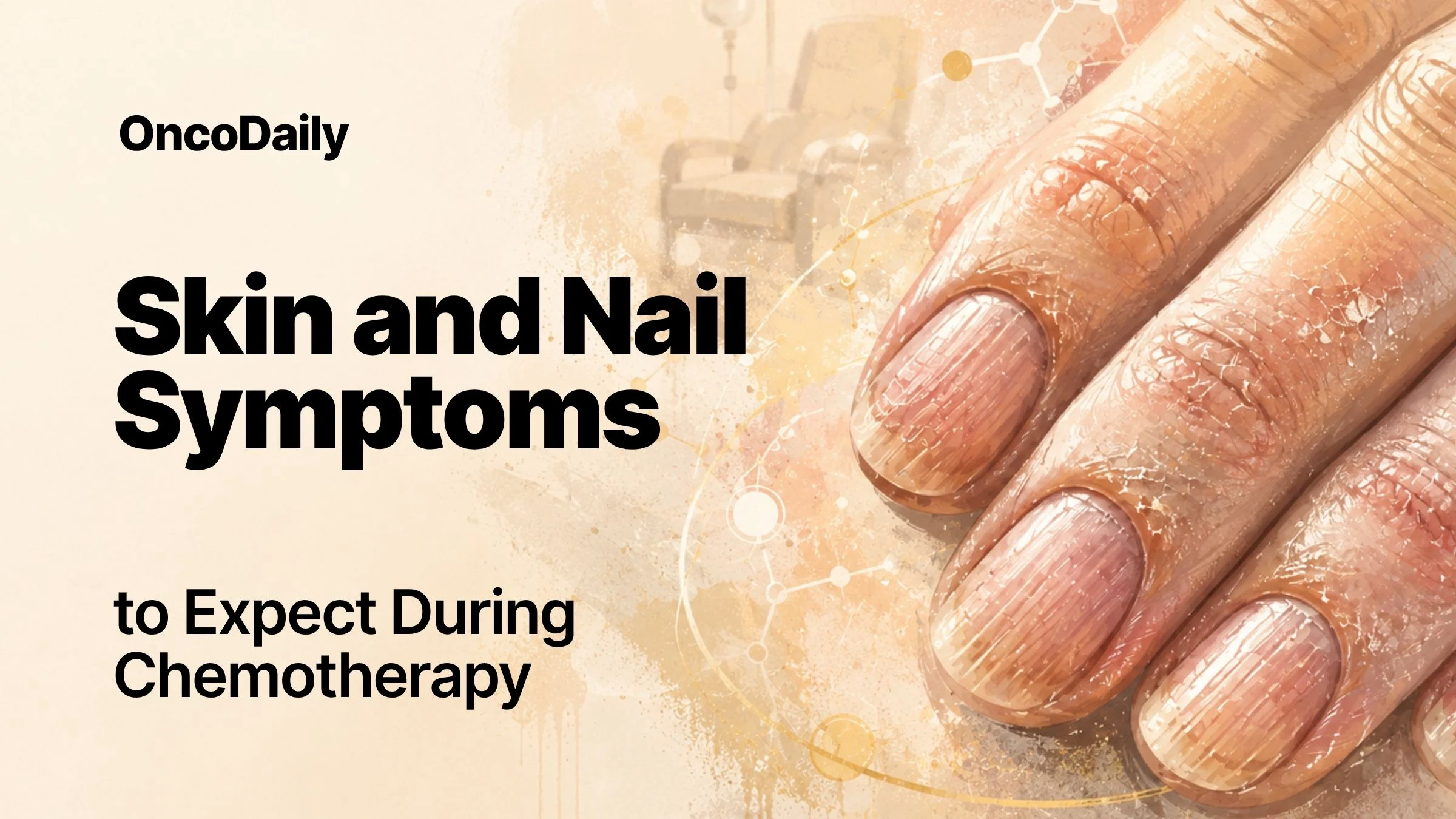
Some people notice their skin or nails change, or feel unusually sensitive to cold, with color changes in their fingers or toes. These effects don’t mean the treatment isn’t working; they are signals that your body is reacting in deeper ways. By asking about these possibilities early, you and your care team can plan ahead using compression gloves, hearing tests, bone density scans, or simple lifestyle changes to keep you as comfortable and independent as possible, even while the cancer treatment is in full swing.
You can also read Skin and Nail Symptoms to Expect During Chemotherapy by OncoDaily.
Mechanistic link to aging and survivorship
Chemotherapy can damage DNA and disrupt the body’s natural repair processes, which may cause some cells to enter a state of early aging. Over time, this can contribute to changes in different organs and tissues, especially in younger cancer survivors who may live for many decades after treatment.
This idea of “premature aging” may help explain why some late effects of chemotherapy can appear across several body systems. It also supports ongoing efforts to reduce exposure to DNA-damaging treatments whenever this can be done safely without compromising cancer control.
Practical Steps for Managing Chemotherapy Side Effects
- Risk‑adapted treatment planning: Balance curative intent and expectation of survival against long‑term toxicity risk, especially in younger patients or when multiple effective, less‑genotoxic options exist.
- Integrate PROs (Patient related outcomes): Routine collection of patient‑reported symptoms yields earlier recognition and better symptom control than clinician-only reporting.
- Multidisciplinary supportive care: Nutrition, physical rehabilitation, psychosocial support, infection prevention, fertility and endocrine counseling, and long‑term surveillance are core survivorship elements.
- Preventive and mitigation strategies: Antiemetics, growth‑factor support for neutropenia, scalp cooling, hydration and anti‑diarrheal measures, dental and oral care for mucositis, and cardio‑protective strategies for high‑risk regimens.
- Long‑term follow-up: Lifelong surveillance for organ dysfunction and secondary cancers is essential; survivorship plans should be individualized and communicated clearly to primary care providers.
Every Chemotherapy Experience Is Different
Two patients receiving the same chemotherapy may experience very different side effects. The type of drug, dose, treatment schedule, age, general health, nutrition, genetics, and previous treatments can all influence how the body responds. Some symptoms may appear within hours, while others develop gradually after several treatment cycles. Side effects can also change over time: nausea may improve as supportive medications are adjusted, while fatigue or neuropathy may become more noticeable with cumulative treatment. Comparing one patient’s experience with another can therefore be misleading. What matters most is tracking personal symptoms and reporting changes early so the treatment plan can be adapted safely.
Your Symptoms Are Important Clinical Information
Patients sometimes remain silent about side effects because they fear that chemotherapy may be delayed, reduced, or stopped. However, reporting symptoms does not automatically mean that treatment will be changed. Instead, it gives the oncology team the information needed to prevent a manageable problem from becoming a medical emergency. A fever, persistent vomiting, severe diarrhea, shortness of breath, unusual bleeding, sudden weakness, confusion, or rapidly worsening pain requires prompt medical attention. Keeping a simple symptom diary including when symptoms begin, how severe they are, and what makes them better or worse can help clinicians recognize patterns and select the most appropriate supportive care.
Treatment Is More Than the Drug in the Infusion Bag
Successful chemotherapy care extends beyond destroying cancer cells. It also involves protecting the person receiving treatment. Adequate sleep, gentle physical activity, hydration, balanced nutrition, oral hygiene, emotional support, and regular communication with the care team can significantly influence how treatment is tolerated. Small adjustments—such as planning demanding activities for higher-energy days, accepting practical help, or preparing easy-to-eat meals in advance can preserve independence and reduce stress. Supportive care is not an optional addition to cancer treatment; it is an essential part of helping patients remain strong enough to continue therapy while maintaining the best possible quality of life.
Watch more on OncoDaily TV.
Written by Marine Marachlian, MD
FAQ
How long do chemotherapy side effects usually last?
Most chemotherapy side effects improve within days to weeks after treatment ends, although some, such as nerve damage or fatigue, may last for months or become permanent.
Does everyone experience the same chemotherapy side effects?
No, the type and severity of side effects vary depending on the chemotherapy drugs used, the dose, the cancer being treated, and each person's overall health.
Can chemotherapy side effects be prevented?
While not all side effects can be prevented, many can be reduced or controlled with medications, supportive care, and early communication with your healthcare team.
Why does chemotherapy cause hair loss?
Chemotherapy damages rapidly dividing cells, including the cells in hair follicles, causing temporary hair loss with certain drugs.
When should I call my doctor during chemotherapy?
You should contact your healthcare team immediately if you develop a fever of 38°C (100.4°F) or higher, uncontrolled vomiting or diarrhea, severe bleeding, or difficulty breathing.
Can chemotherapy side effects become permanent?
Yes, some side effects, such as peripheral neuropathy, hearing loss, heart damage, infertility, or early menopause, may persist long after treatment or be permanent.
Is it normal to feel extremely tired during chemotherapy?
Yes, cancer-related fatigue is one of the most common side effects of chemotherapy and often results from a combination of the treatment, anemia, inflammation, and the cancer itself.
Does chemotherapy weaken the immune system?
Many chemotherapy drugs temporarily lower white blood cell counts, increasing the risk of infections until the bone marrow recovers.
Can I exercise while receiving chemotherapy?
For most people, light to moderate physical activity, as recommended by their healthcare team, can help reduce fatigue, maintain strength, and improve quality of life during treatment.
Will all chemotherapy drugs cause nausea and vomiting?
No, the risk of nausea and vomiting depends on the specific chemotherapy regimen, and modern antiemetic medications can prevent or greatly reduce these symptoms in most patients.