
Key takeaways
- Cancer screening recommendations change with age. Different cancers become more relevant at different stages of life, so screening does not begin at the same age for everyone.
- Breast, colorectal, cervical, lung, and prostate screening follow different schedules. The appropriate test and interval depend on age, sex, smoking history, and the guideline being followed.
- People at higher risk may need earlier or more intensive screening. Inherited variants such as BRCA1/2 or Lynch syndrome, strong family history, or previous cancer treatments can change the usual screening timeline.
- There is no routine population screening program for most blood cancers. However, people with certain hereditary blood-cancer predisposition syndromes may need specialist surveillance.
- Screening is for people without symptoms. New or persistent symptoms should be evaluated directly rather than waiting for the next routine screening test.
Cancer screening is an important part of preventive healthcare, but there is no single age when everyone should begin. Different cancers become more common at different stages of life, and screening recommendations are designed around the point at which testing is most likely to provide a meaningful benefit.
Some screening tests begin relatively early, while others are introduced later in adulthood or only for people with specific risk factors. Family history, inherited cancer-predisposition genes, smoking history, previous cancer treatments, and overall health can also change when screening is appropriate.
This is why it can be helpful to think of cancer screening as a timeline rather than a single checklist. Knowing what is generally recommended at different ages can make screening easier to navigate and can also help identify situations where a more individualized approach may be needed.
What Is Cancer Screening and Why Does Age Matter?
Cancer screening looks for cancer or precancerous changes in people who do not have symptoms. The aim is to detect disease at an earlier stage, when treatment may be more effective, or to identify and treat precancerous changes before cancer develops (Sarkeala, 2025).
Age matters because the likelihood of developing many cancers changes over time. At the same time, screening has both benefits and potential harms. Although it can reduce cancer-related deaths, it can also result in false-positive findings, additional procedures, and overdiagnosis. Screening recommendations therefore try to identify the ages at which the expected benefits are most likely to outweigh these risks (American Association for Cancer Research, 2025).
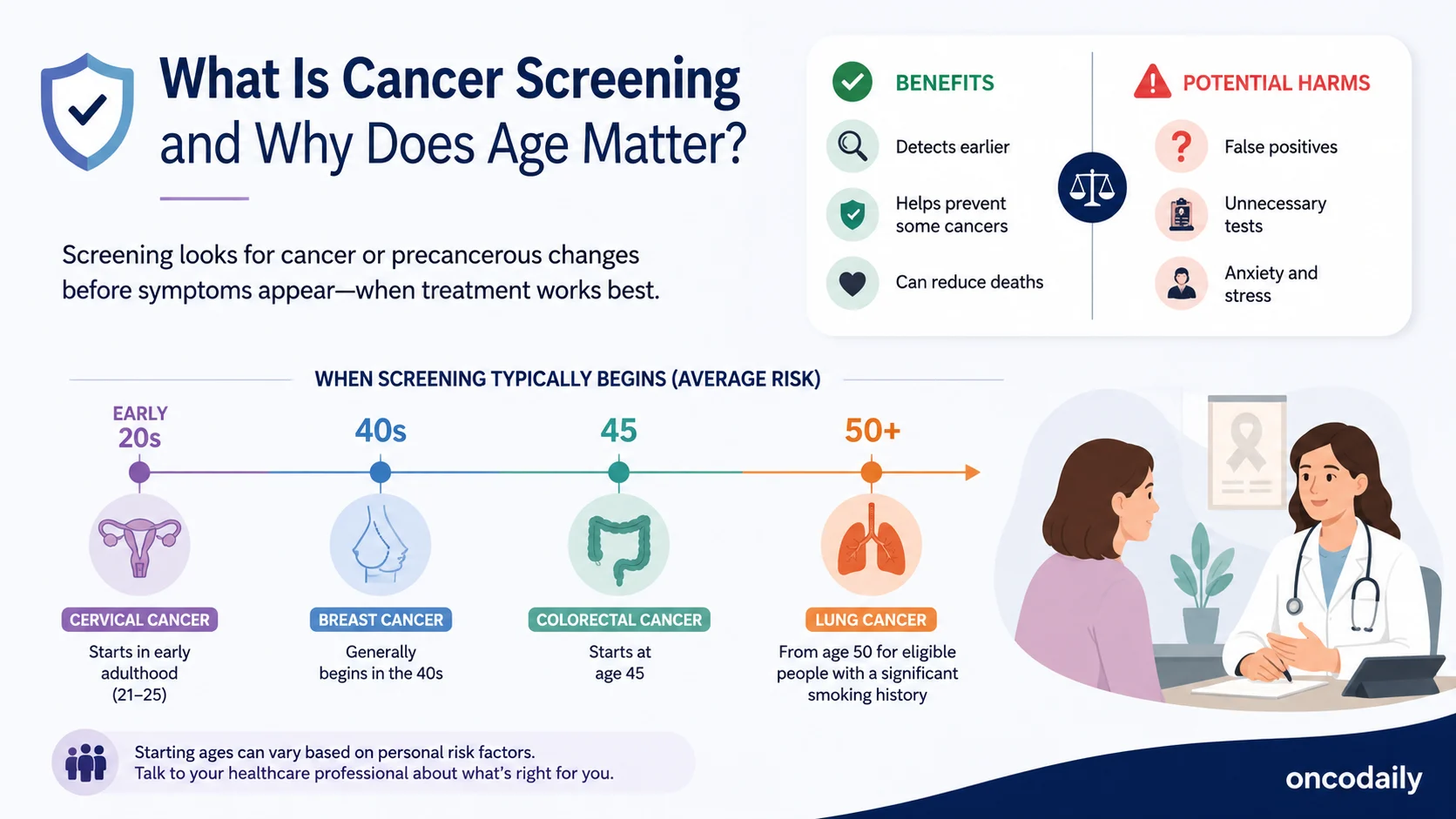
For people at average risk, cervical cancer screening begins in early adulthood, breast screening generally enters the picture in the 40s, colorectal screening starts at 45, and lung screening becomes relevant from age 50 for eligible people with a significant smoking history. The exact starting age and interval can differ slightly between guideline organizations.
What Cancer Screening Do You Need Before Age 25?
Routine cancer screening is limited before age 25 for most people. Breast, colorectal, lung, and prostate cancer screening generally begin later in life.
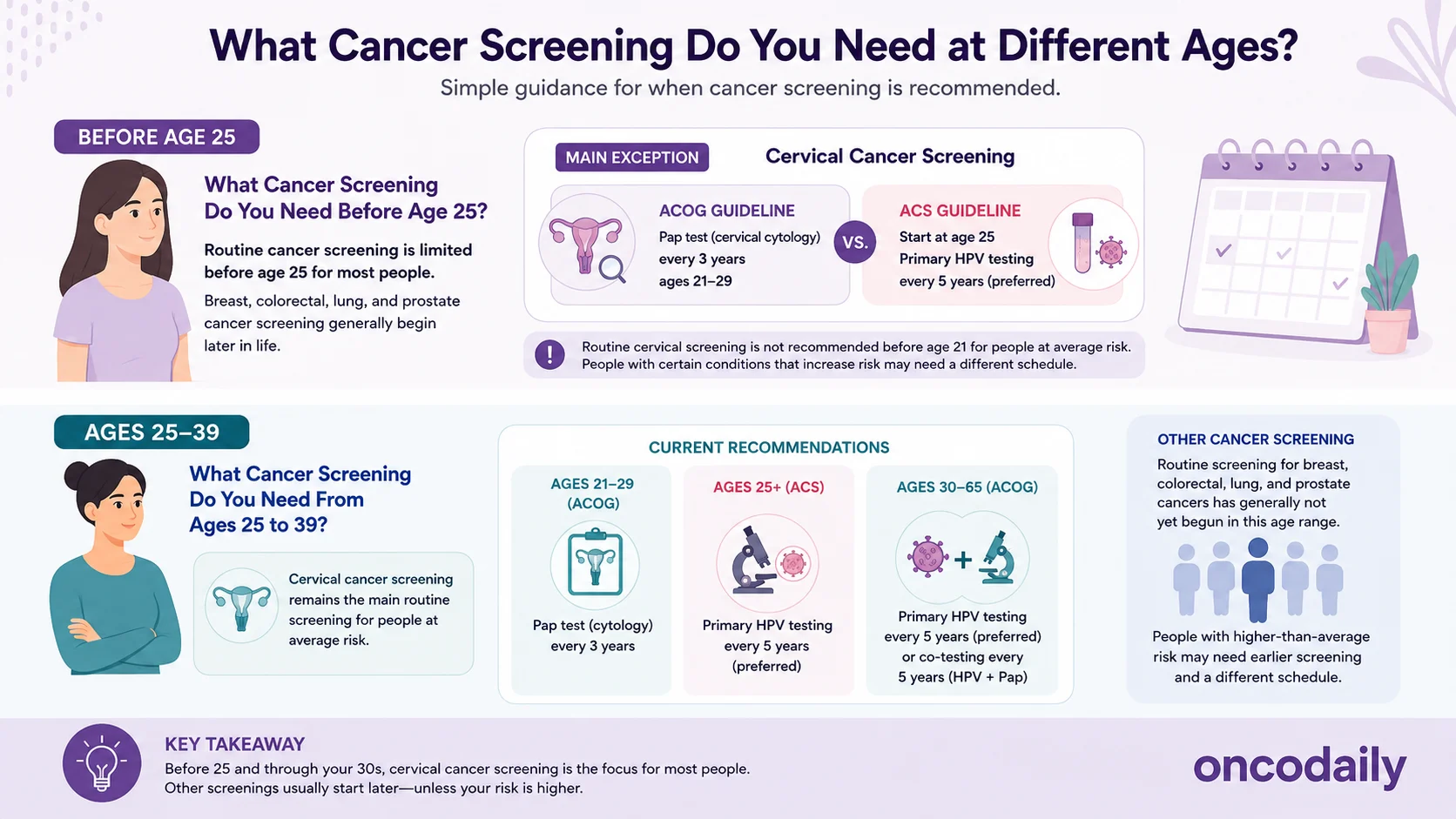
Cervical cancer screening is the main exception, although recommendations differ between organizations. The American College of Obstetricians and Gynecologists recommends a Pap test, or cervical cytology, every 3 years from ages 21 to 29. The American Cancer Society takes a different approach and recommends beginning routine cervical cancer screening at age 25, with primary HPV testing every 5 years as the preferred method (American College of Obstetricians and Gynecologists, 2026; American Cancer Society, 2025).
Routine cervical screening is not recommended before age 21 for people at average risk. People with certain conditions that increase cervical cancer risk may need a different schedule and should follow specialist recommendations (American College of Obstetricians and Gynecologists, 2026).
What Cancer Screening Do You Need From Ages 25 to 39?
Between ages 25 and 39, cervical cancer screening remains the main routine screening program for people at average risk.
The American Cancer Society recommends screening from age 25, preferably with primary HPV testing every 5 years. Under current ACOG guidance, people ages 21 to 29 are screened with cervical cytology every 3 years. From age 30 to 65, clinician-collected primary high-risk HPV testing every 5 years is preferred, while co-testing with HPV and cytology every 5 years is also an acceptable option (American Cancer Society, 2025; American College of Obstetricians and Gynecologists, 2026).
Routine population screening for breast, colorectal, lung, and prostate cancers has generally not yet begun during this age range. The important exception is people with a higher-than-average cancer risk, who may need a different schedule much earlier in life.
What Cancer Screening Do You Need in Your 40s?
The 40s mark an important change in cancer screening because breast and colorectal cancer screening are added to the screenings already recommended earlier in adulthood.
For breast cancer, the USPSTF recommends mammography every 2 years from ages 40 to 74. The American Cancer Society uses a slightly different schedule: women ages 40 to 44 have the option to begin annual mammography, while annual screening is recommended from ages 45 to 54 (USPSTF, 2024; American Cancer Society, 2026).
Colorectal cancer screening begins at age 45 for adults at average risk. Several options are available, including an annual fecal immunochemical test (FIT), other stool-based tests, and direct visualization tests such as colonoscopy every 10 years. Any positive non-colonoscopy screening test should be followed by a timely colonoscopy (American Cancer Society, 2026).
Cervical cancer screening also continues throughout the 40s according to the recommended HPV-based or cytology schedule (American Cancer Society, 2025; American College of Obstetricians and Gynecologists, 2026).
What Cancer Screening Do You Need From Ages 50 to 64?
By the 50s, breast, colorectal, and cervical screening are already part of preventive care for many adults. Lung cancer screening may now become appropriate for some people, while prostate cancer screening becomes a discussion rather than an automatic test.
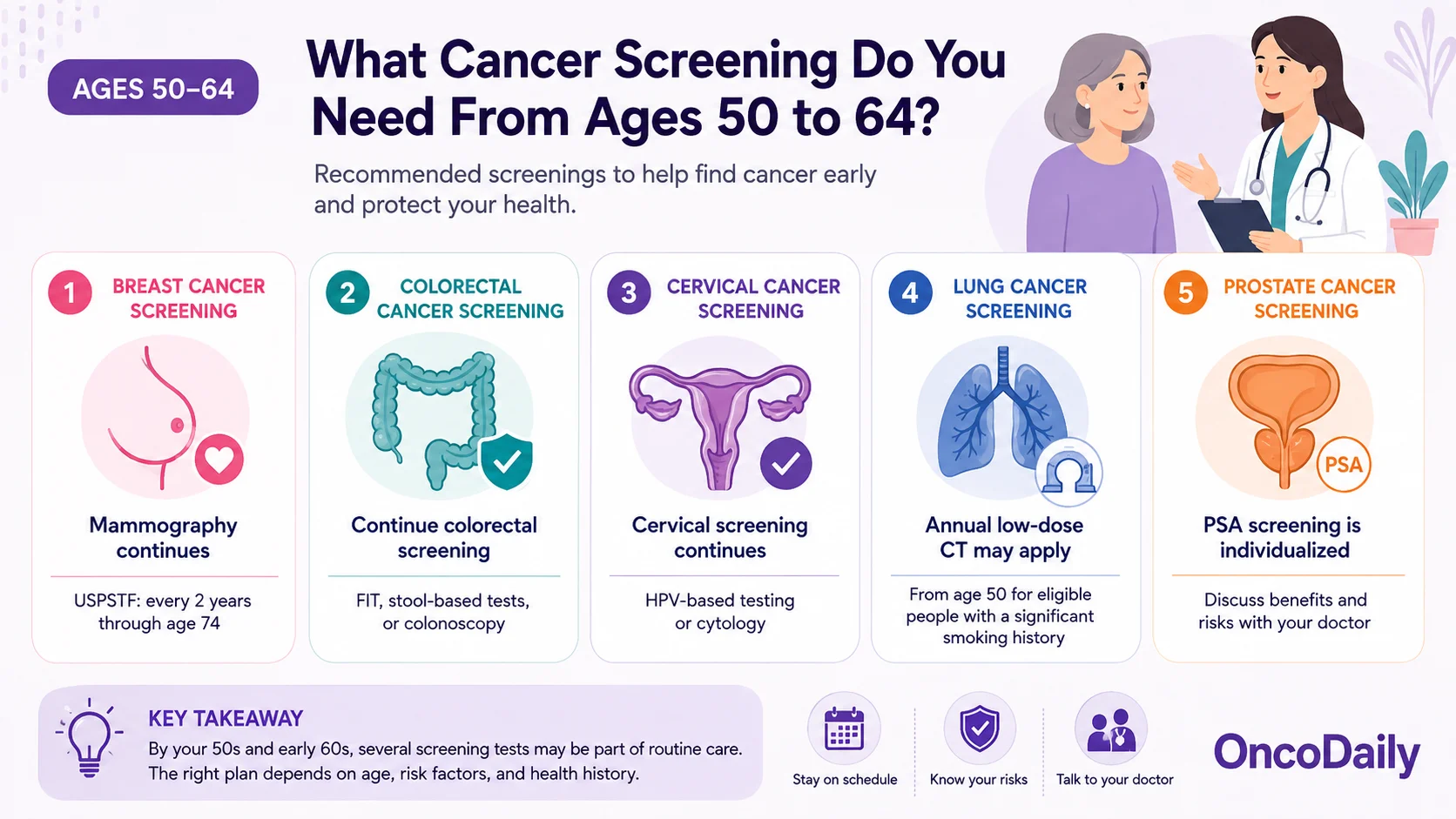
Breast screening continues throughout this age range. The USPSTF recommends mammography every 2 years through age 74, while the American Cancer Society recommends annual mammography through age 54 and allows women from age 55 onward to continue annually or switch to every 2 years (USPSTF, 2024; American Cancer Society, 2026).
Colorectal cancer screening should also continue. Current American Cancer Society recommendations include stool-based and visual screening options, with colonoscopy required after a positive result from a non-colonoscopy test (American Cancer Society, 2026).
Annual low-dose CT screening for lung cancer may be recommended from age 50 for people with a substantial smoking history. The American Cancer Society recommends annual screening for adults ages 50 to 80 who currently smoke or previously smoked and have at least a 20 pack-year smoking history. Unlike earlier recommendations, the ACS no longer uses the number of years since a person stopped smoking as an eligibility criterion (American Cancer Society, 2023).
Prostate cancer screening is more individualized. The American Cancer Society recommends discussing the potential benefits and risks of PSA testing from age 50 for men at average risk who are expected to live at least another 10 years. Current USPSTF guidance recommends individualized decision-making about PSA screening for men ages 55 to 69 rather than routinely screening everyone (American Cancer Society, 2026; USPSTF, 2018).
What Cancer Screening Do You Need From Ages 65 to 75?
From age 65 onward, screening decisions begin to depend more heavily on previous test results, overall health, and whether a person is likely to benefit from continued screening.
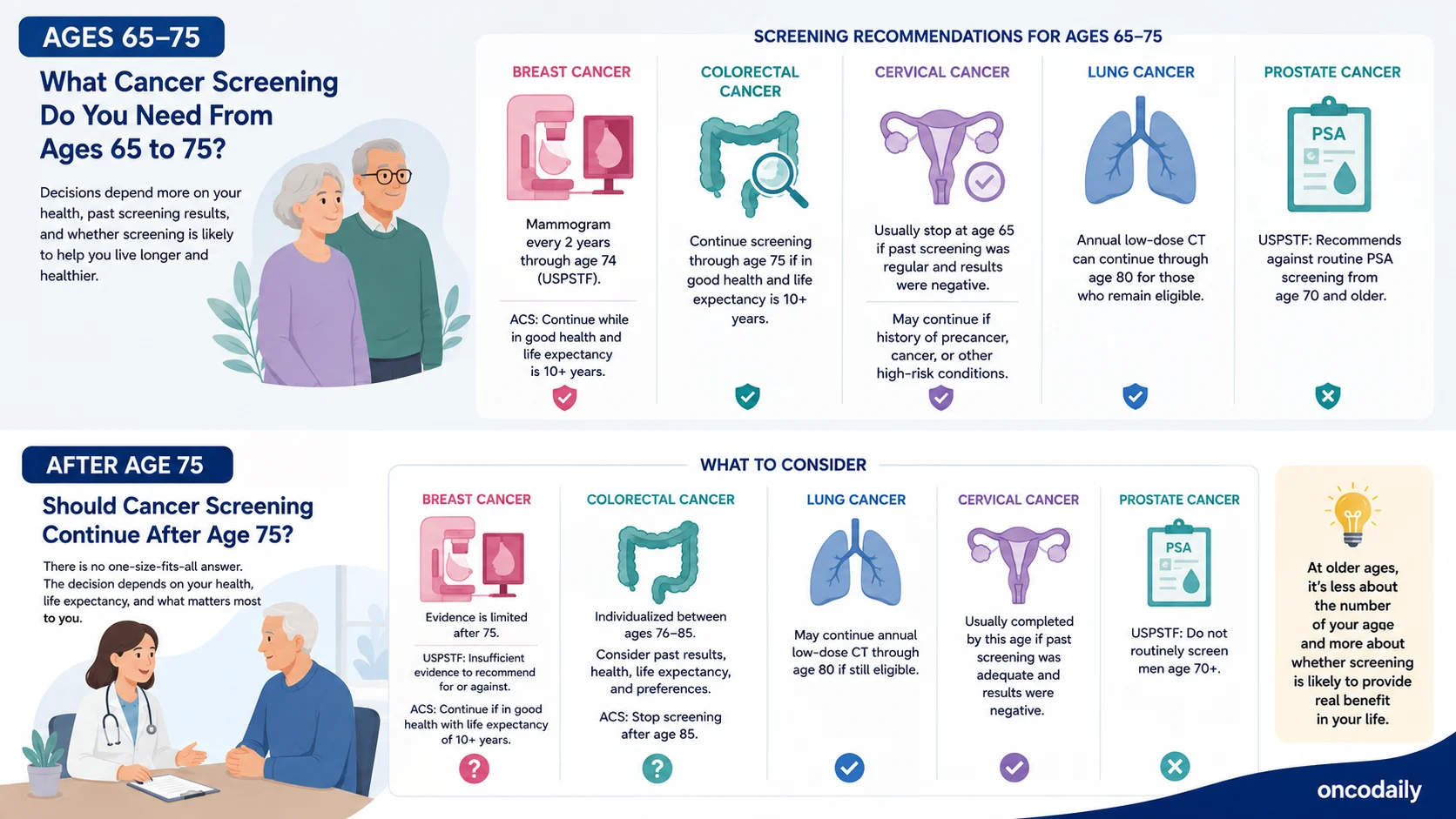
Breast cancer screening remains recommended through age 74 under USPSTF guidance, with mammography every 2 years. The American Cancer Society does not set a fixed upper age and advises continuing mammography while a woman remains in good health and has a life expectancy of at least 10 years (USPSTF, 2024; American Cancer Society, 2026).
Regular colorectal cancer screening continues through age 75 for people in good health with a life expectancy of more than 10 years (American Cancer Society, 2026).
Cervical cancer screening can usually stop at age 65 if previous screening has been regular and results have been adequately negative. Screening may need to continue when previous testing has been insufficient or when there is a history of cervical precancer, cervical cancer, or another high-risk condition (American Cancer Society, 2025; American College of Obstetricians and Gynecologists, 2026).
Annual low-dose CT for lung cancer can continue through age 80 for people who remain eligible. For prostate cancer, the USPSTF recommends against routine PSA-based screening from age 70 onward because the potential harms are more likely to outweigh the benefits (American Cancer Society, 2023; USPSTF, 2018).
Should Cancer Screening Continue After Age 75?
There is no single age at which every type of cancer screening should stop.
For breast cancer, evidence is less certain after age 75. The USPSTF states that there is currently insufficient evidence to recommend for or against routine mammography in this age group, while the American Cancer Society supports continued screening for women in good health who are expected to live at least another 10 years (USPSTF, 2024; American Cancer Society, 2026).
Colorectal screening becomes individualized between ages 76 and 85. Previous screening history, overall health, life expectancy, and personal preferences should all be considered. The American Cancer Society recommends stopping colorectal screening after age 85 (American Cancer Society, 2026).
Eligible people may continue annual lung cancer screening through age 80. Cervical screening has usually ended by this point if previous results were adequate, and routine PSA screening is not recommended by the USPSTF for men aged 70 and older.
At older ages, the question is therefore less about reaching a particular birthday and more about whether a screening test is still likely to provide meaningful benefit.
What If You Have a Higher Risk of Cancer?
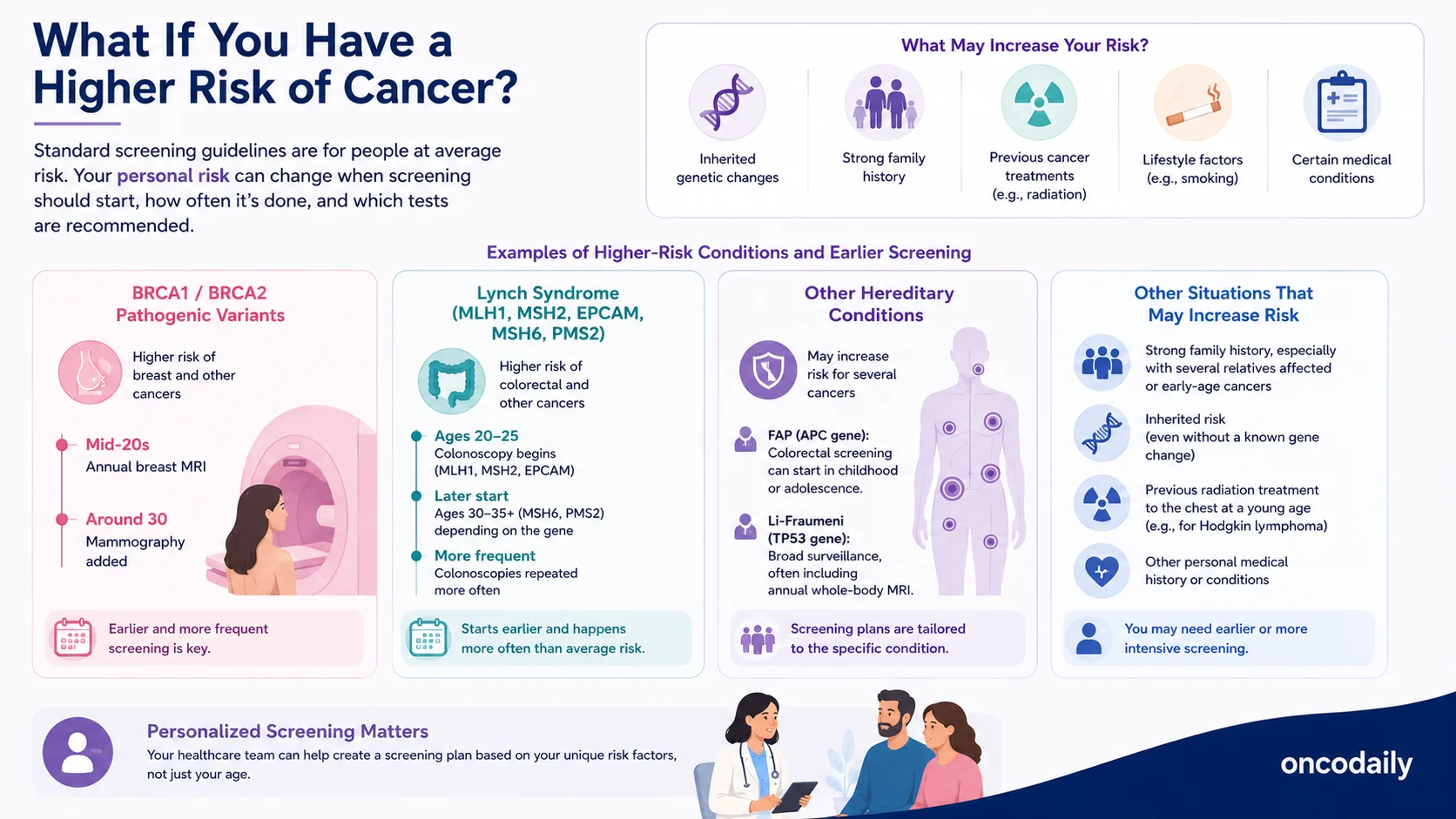
Standard age-based recommendations are designed mainly for people at average risk. A known inherited cancer-predisposition gene, a strong family history, or certain previous cancer treatments can change both when screening begins and which tests are used.
People with BRCA1 or BRCA2 pathogenic variants, for example, may begin breast surveillance much earlier than the general population. Guidelines commonly recommend annual breast MRI beginning in the mid-20s, with mammography added later, often from around age 30 (Dullens et al., 2020).
Lynch syndrome also changes the usual timeline for colorectal screening. Depending on the gene involved, colonoscopy may begin between ages 20 and 25 for people with MLH1, MSH2, or EPCAM variants, while later starting ages may be appropriate for MSH6 or PMS2 carriers. Screening is then repeated much more frequently than in the general population (PDQ Cancer Genetics Editorial Board, 2025).
Other hereditary conditions require their own surveillance strategies. Familial adenomatous polyposis (FAP) can require colorectal surveillance beginning in childhood or adolescence, while Li-Fraumeni syndrome, caused by pathogenic TP53 variants, is associated with several cancers and may involve broad surveillance that includes annual whole-body MRI (GeneReviews, 2025).
Risk can also be elevated without an identified genetic variant. A strong family history of cancer, particularly when several relatives are affected or cancers occur at unusually young ages, may lead to earlier screening or genetic counseling. Previous treatment matters as well. People who received radiation to the chest at a young age, for example, may require earlier and more intensive breast surveillance.
For these individuals, screening is better approached as a personalized plan rather than simply following the standard schedule for their age.
What About Screening for Blood Cancers?
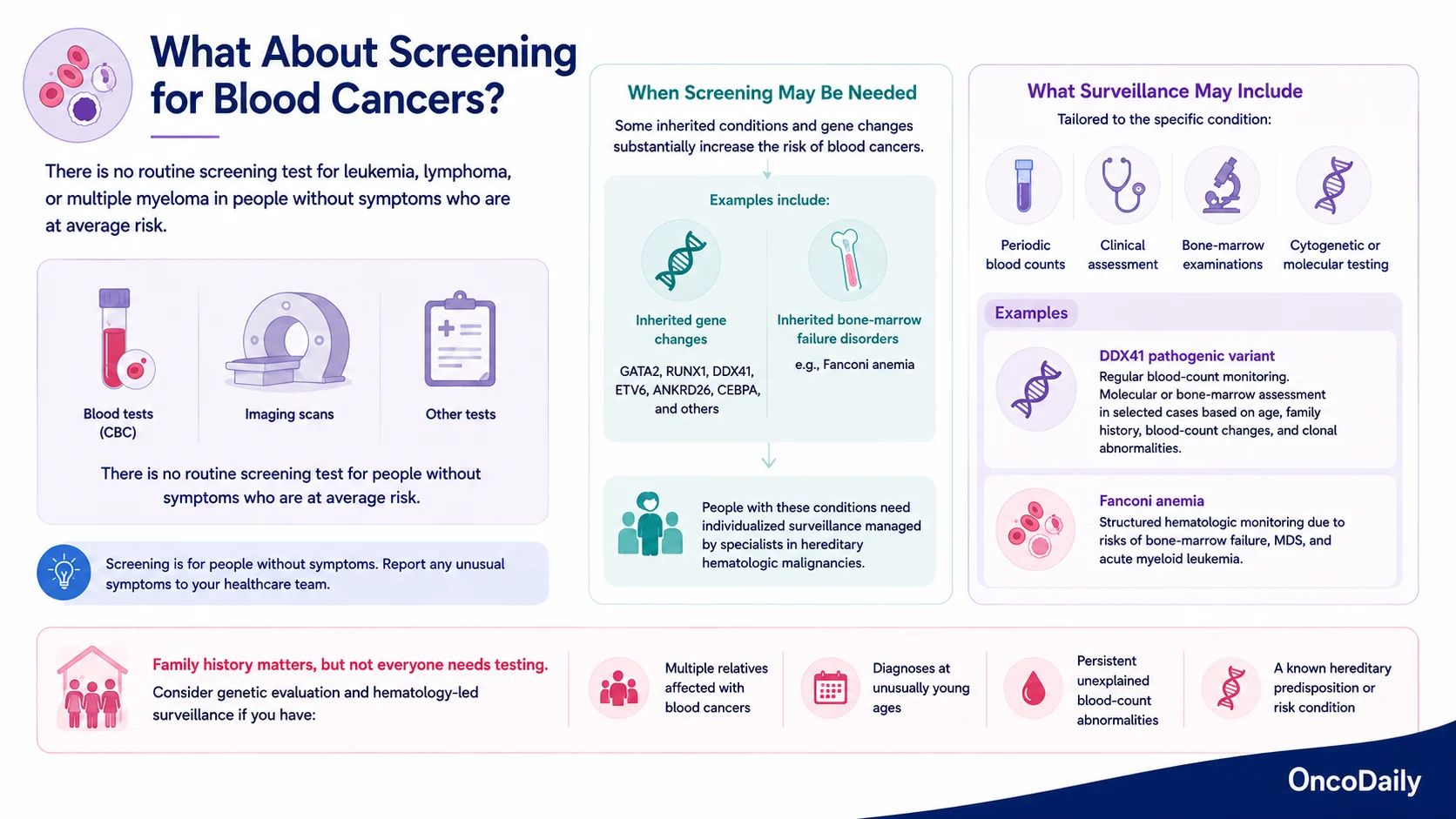
Blood cancers are different from cancers with established population screening programs. There is currently no routine screening test recommended for leukemia, lymphoma, or multiple myeloma in asymptomatic people at average risk. Regular complete blood counts, imaging, or other tests are therefore not recommended solely to search for these cancers in the general population (American Cancer Society, 2025).
This does not mean that surveillance never occurs. Some inherited conditions substantially increase the risk of myelodysplastic syndromes, leukemia, or other hematologic malignancies. Predisposition can involve genes such as GATA2, RUNX1, DDX41, ETV6, ANKRD26, and CEBPA, as well as inherited bone-marrow failure disorders such as Fanconi anemia.
For these high-risk groups, surveillance is tailored to the specific syndrome. Depending on the condition, it may include periodic complete blood counts, clinical assessment, bone-marrow examinations, cytogenetic testing, or molecular testing. The schedule can differ considerably between syndromes and is generally managed by specialists with expertise in hereditary hematologic malignancies (Maese et al., 2024).
For example, people with a pathogenic DDX41 variant may undergo regular blood-count monitoring and, in selected circumstances, molecular or bone-marrow assessment. Recommendations depend on age, family history, blood-count changes, and evidence of clonal abnormalities (Baliakas et al., 2024).
Likewise, Fanconi anemia requires structured hematologic monitoring because of the risks of bone-marrow failure, myelodysplastic syndrome, and acute myeloid leukemia (Fanconi Cancer Foundation, 2020).
A family history of leukemia or lymphoma does not automatically mean that a person needs routine blood tests or scans. However, multiple affected relatives, unusually young diagnoses, persistent unexplained blood-count abnormalities, or a known hereditary predisposition may prompt genetic evaluation and hematology-led surveillance.
When Should You Talk to Your Doctor About Cancer Screening?
Cancer screening is worth discussing as you approach the recommended starting age for a particular test, but age is only part of the decision.
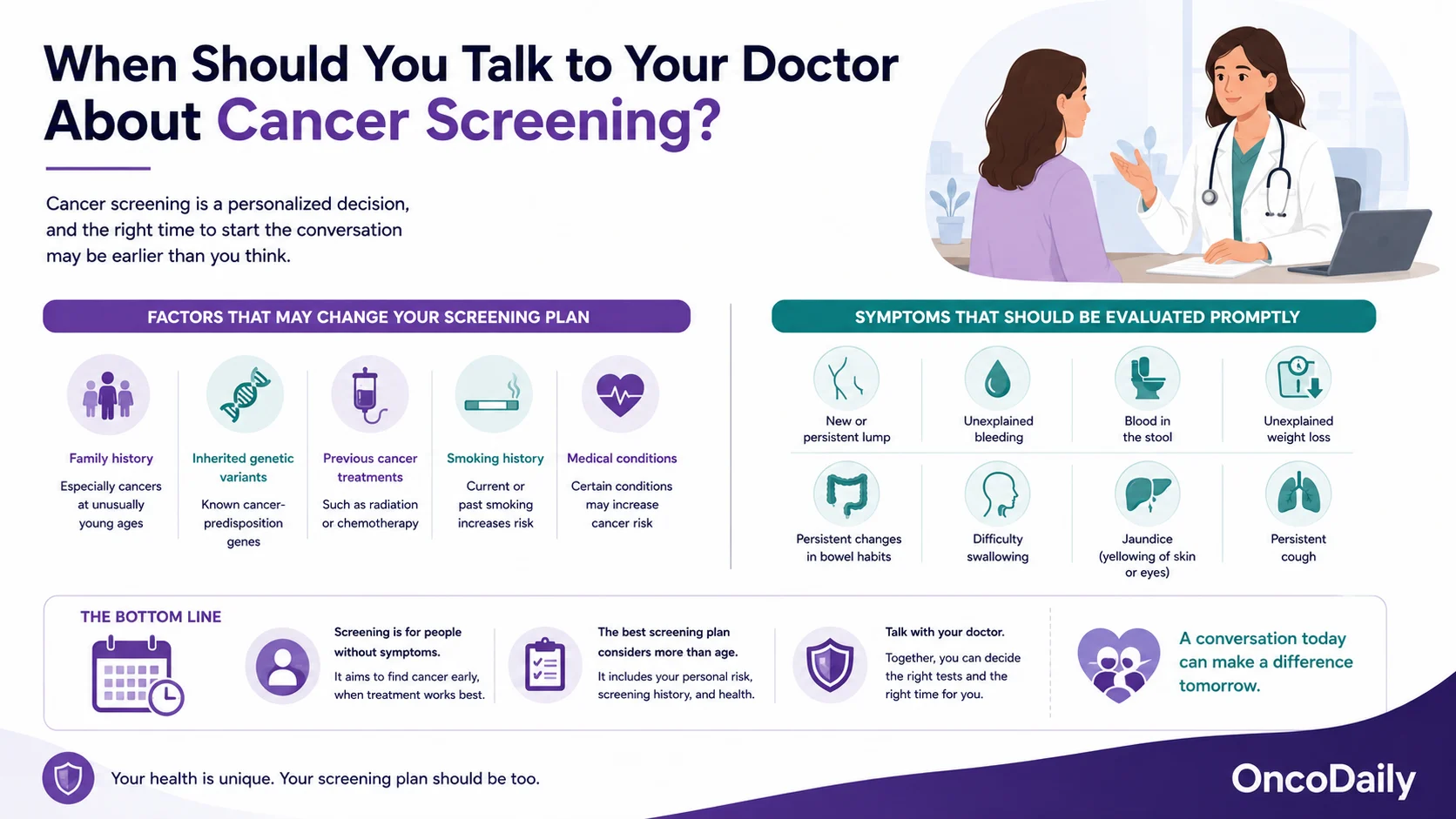
Family history, inherited genetic variants, previous cancer treatments, smoking history, and certain medical conditions can all change what is appropriate. If close relatives developed cancer at unusually young ages, several relatives have had related cancers, or a cancer-predisposition gene has already been identified in the family, the conversation may need to happen well before the usual screening age.
It is equally important to distinguish screening from diagnosis. Screening is intended for people who do not have symptoms. A new or persistent lump, unexplained bleeding, blood in the stool, unexplained weight loss, persistent changes in bowel habits, difficulty swallowing, jaundice, or a persistent cough should be evaluated rather than waiting for the next scheduled screening test.
Ultimately, cancer screening is not simply a list of tests tied to birthdays. The most appropriate schedule is one that takes age into account while also reflecting personal risk, previous screening history, overall health, and individual circumstances.
Written by Marine Marachlian, MD
FAQ
What is cancer screening?
Cancer screening looks for cancer or precancerous changes in people who do not have symptoms. The goal is to detect disease earlier, when treatment may be more effective.
At what age should cancer screening begin?
There is no single starting age for all cancers. Cervical screening begins in early adulthood, breast screening generally starts in the 40s, colorectal screening at 45, and lung screening from 50 for eligible people with a significant smoking history.
Do I need cancer screening before age 25?
For most people at average risk, routine screening is limited before age 25. Cervical cancer screening is the main exception, although the recommended starting age differs between organizations.
What cancer screenings are recommended in your 40s?
Breast cancer screening generally begins at 40, colorectal screening starts at 45, and cervical screening should continue according to the recommended schedule.
Who should be screened for lung cancer?
Lung cancer screening with annual low-dose CT is intended for people within the recommended age range who have a substantial smoking history and meet eligibility criteria.
Should everyone have prostate cancer screening?
No. PSA-based prostate cancer screening is usually an individualized decision based on age, risk factors, overall health, and a discussion of the potential benefits and harms.
When can cancer screening stop?
Stopping ages differ by cancer. Some screening programs end at a defined age, while others become more individualized depending on previous results, overall health, and life expectancy.
Does a family history of cancer mean I need earlier screening?
It can. A strong family history, especially cancers diagnosed at unusually young ages, may lead to earlier or more frequent screening and sometimes genetic counseling or testing.
How do BRCA1, BRCA2, or Lynch syndrome change screening?
Inherited cancer-predisposition variants can significantly change the usual screening schedule. People with BRCA1/2 variants may need earlier breast MRI and mammography, while Lynch syndrome can require colorectal screening beginning much earlier than in the general population.
Are there routine screening tests for leukemia, lymphoma, or multiple myeloma?
There is no routine population screening program for these blood cancers in asymptomatic people at average risk. However, people with certain inherited hematologic cancer-predisposition syndromes may require specialist-led surveillance.