Key takeaways
- Recovery after chemotherapy is gradual and varies from person to person.
- Fatigue, blood count changes, and other side effects may continue after treatment ends.
- Good nutrition, physical activity, and supportive care help rebuild strength.
- Emotional health is an important part of cancer recovery and survivorship.
- Regular follow-up care helps monitor long-term health and manage late effects.
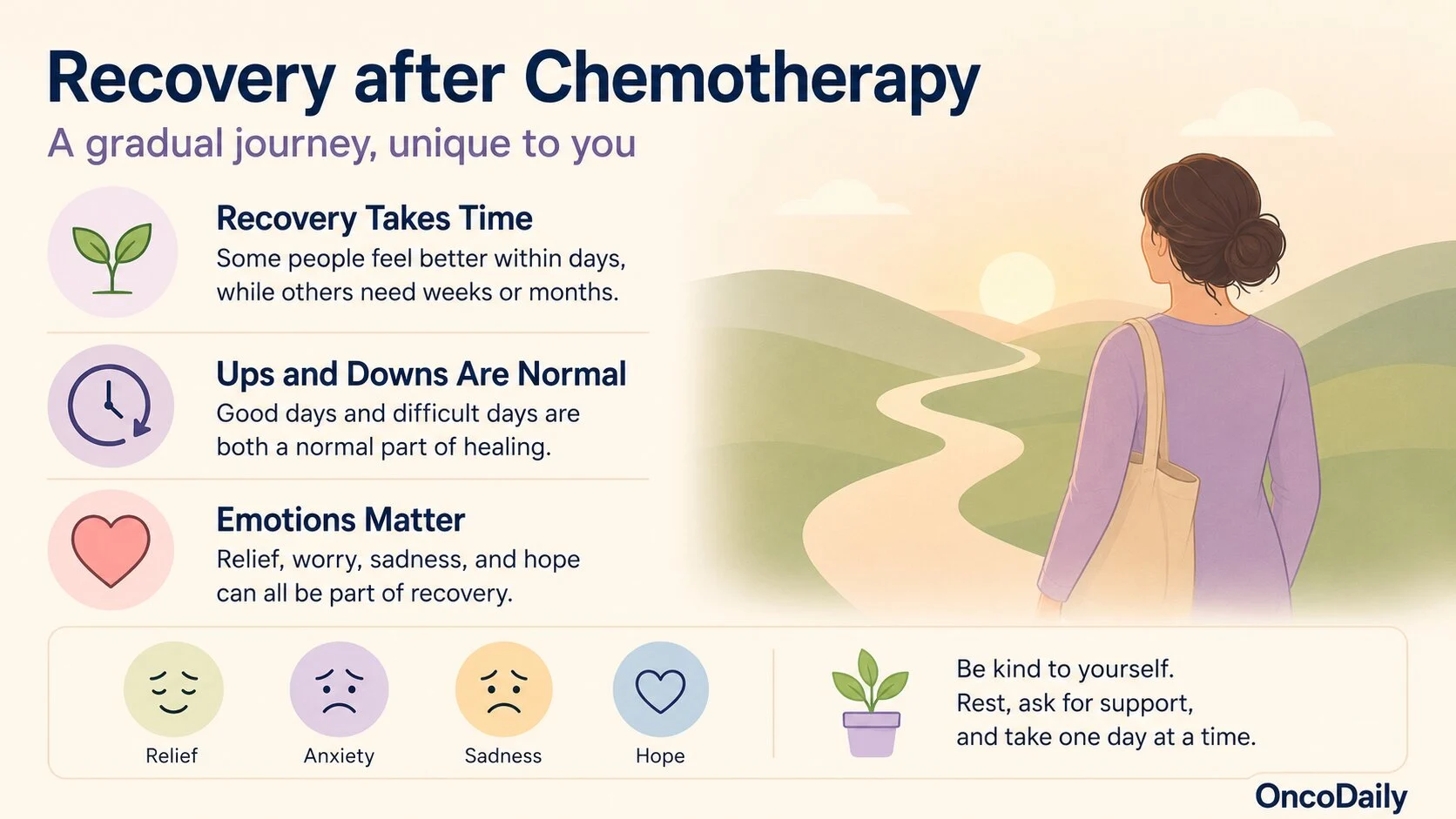
Recovery after chemotherapy is a gradual process, and everyone’s experience is different. Some people begin to feel improvements in their energy, appetite, and strength soon after finishing treatment, while others may need several weeks or months to fully recover. How quickly recovery happens depends on many factors, including the type and intensity of chemotherapy, the cancer being treated, age, nutritional status, other health conditions, and whether chemotherapy was combined with surgery, radiotherapy, immunotherapy, or targeted therapy.
Recovery is not always a straight path. Some days may feel better, while others may bring back tiredness or other symptoms. This is because different parts of the body recover at different speeds. The bone marrow, digestive system, hair follicles, nervous system, and other tissues may all need different amounts of time to return to normal.
Finishing chemotherapy can also bring a mix of emotions. While many people feel relief after completing treatment, it is also common to experience anxiety, sadness, uncertainty, or fear that the cancer may return. Emotional recovery is an important part of survivorship and may continue even after physical side effects begin to improve.
What Happens After Your Last Chemotherapy Session?
Finishing chemotherapy is an important milestone, but recovery does not happen immediately. After the final session, the body continues to heal, and side effects may gradually improve over days, weeks, or months depending on the chemotherapy regimen, treatment intensity, and overall health.
Symptoms such as fatigue, nausea, appetite or taste changes, mouth sores, bowel changes, anemia, and low blood-cell counts may continue after treatment ends. Some effects, including peripheral neuropathy, fertility changes, heart-related effects, cognitive symptoms, or chronic fatigue, may last longer or appear later. (National Cancer Institute, 2020)
Follow-up care is an essential part of recovery. Oncology visits may include symptom review, physical examinations, blood tests, imaging when needed, and monitoring for recurrence or long-term effects. Patients should receive a survivorship care plan outlining their treatment history, follow-up schedule, possible late effects, and supportive-care needs. (ASCO, 2015; National Cancer Institute, 2024)
Recovery varies from person to person. Patients should contact their healthcare team urgently if they develop symptoms such as fever, severe weakness, shortness of breath, uncontrolled vomiting or diarrhea, or significant bleeding. (American Cancer Society, 2025)
You can also read Chemotherapy-Induced Fatigue: Causes, Risk Factors, and Management on OncoDaily.
The First Weeks: Why You May Still Feel Tired
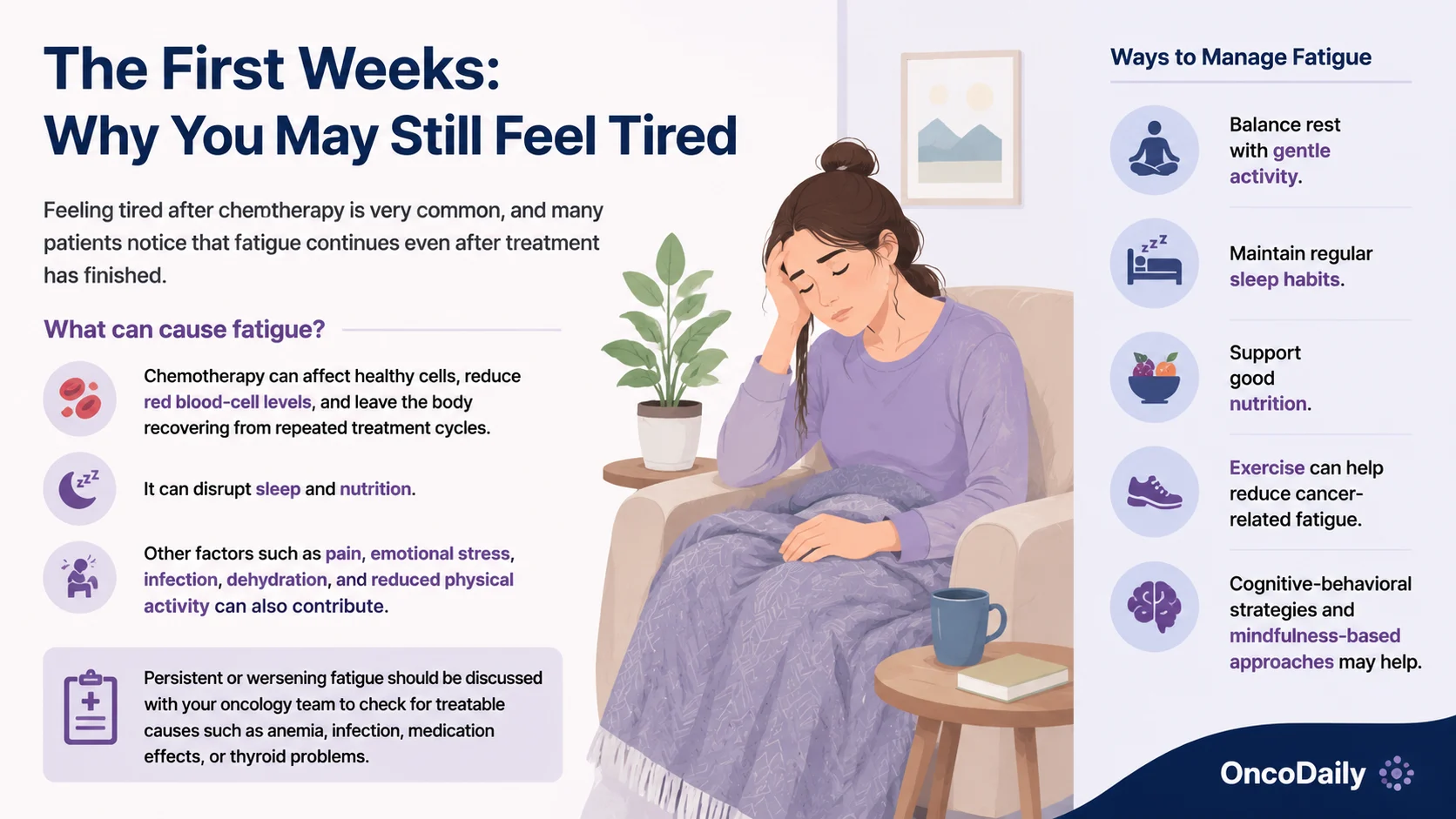
Feeling tired after chemotherapy is very common, and many patients notice that fatigue continues even after treatment has finished. Chemotherapy can affect healthy cells, reduce red blood-cell levels, disrupt sleep and nutrition, and leave the body recovering from repeated treatment cycles. Other factors, including pain, emotional stress, infection, dehydration, and reduced physical activity, can also contribute to cancer-related fatigue. (National Cancer Institute, 2024)
Managing fatigue often involves balancing rest with gentle activity, maintaining regular sleep habits, and supporting good nutrition. Persistent or worsening fatigue should be discussed with the oncology team to check for treatable causes such as anemia, infection, medication effects, or thyroid problems. Exercise, cognitive-behavioral strategies, and mindfulness-based approaches can help reduce cancer-related fatigue when adapted to the patient’s condition. (Bower et al., 2024)
How Long Does It Take for Blood Counts to Recover?
After chemotherapy, blood counts usually reach their lowest level, known as the nadir, about 7–14 days after treatment, although the timing depends on the chemotherapy drugs, dose, treatment schedule, bone marrow function, and the patient’s overall health. (Cancer Research UK, 2026)
Neutrophils often decrease first, increasing the risk of infection, while platelets and red blood cells may recover at different rates. After reaching the nadir, blood counts usually begin to improve and may return closer to normal within several weeks after the final chemotherapy session. However, some patients may experience longer-lasting anemia, low platelets, or reduced white blood cells. (eviQ, 2026)
Regular blood tests help monitor recovery. Patients should contact their oncology team urgently if they develop fever or signs of infection, especially during periods when blood counts are low. (Cancer Research UK, 2026)
Eating, Taste Changes, and Regaining Strength
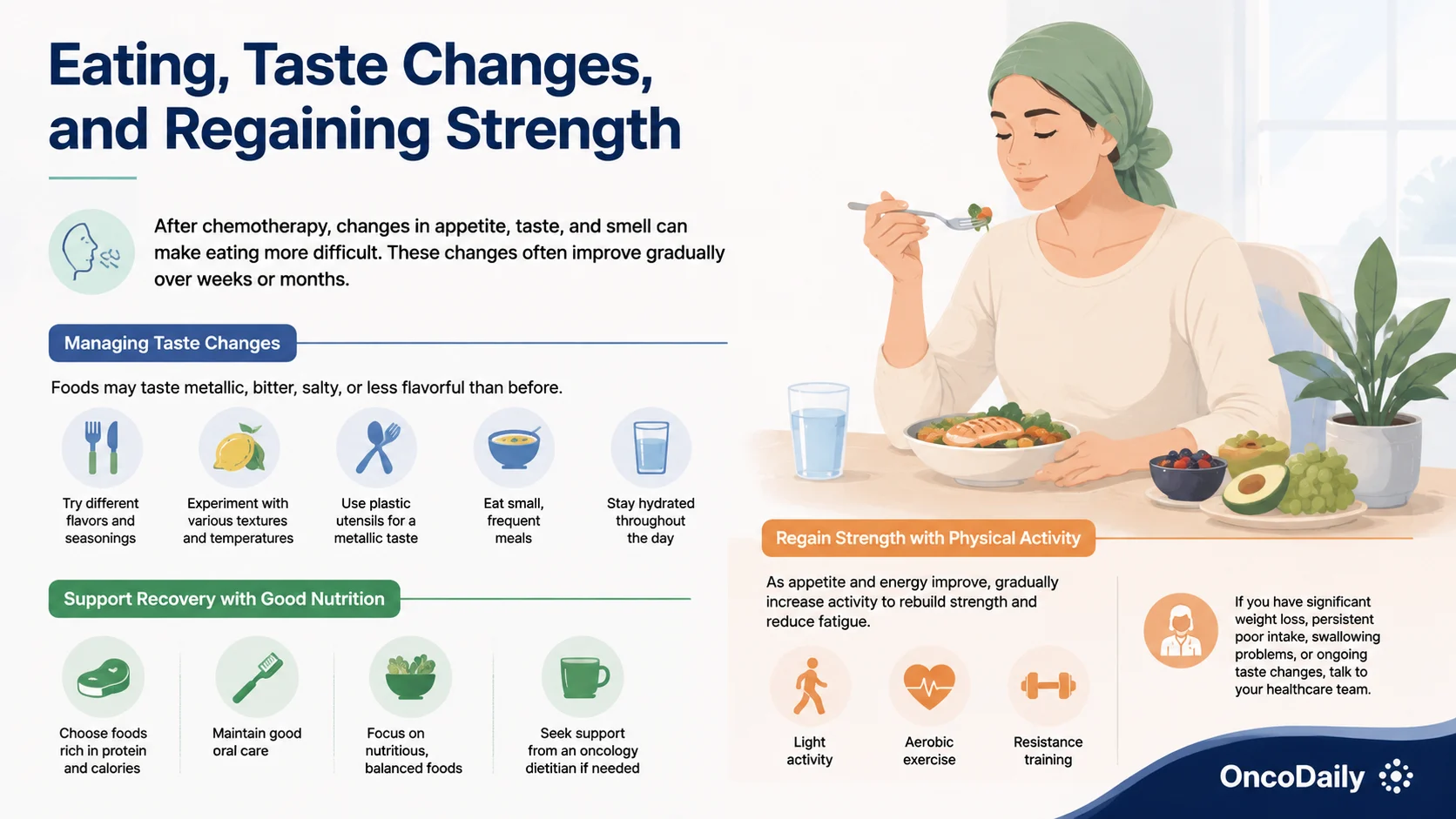
After chemotherapy, changes in appetite, taste, and smell can make eating more difficult. Some patients notice that foods taste metallic, bitter, salty, or less flavorful than before, but these changes often improve gradually over weeks or months. (National Cancer Institute, 2025)
Eating small, frequent meals, choosing foods rich in protein and calories, staying hydrated, and maintaining good oral care can help support recovery. Trying different flavors, textures, seasonings, or using plastic utensils when experiencing a metallic taste may make food easier to tolerate. (National Cancer Institute, 2025)
As appetite and energy improve, gradually increasing physical activity can help rebuild strength and reduce fatigue. Exercise should be adapted to each patient’s condition and may include light activity, aerobic exercise, and resistance training when appropriate. Patients with significant weight loss, persistent poor intake, swallowing problems, or ongoing taste changes may benefit from support from an oncology dietitian. (Ligibel et al., 2022)
When Numbness and Tingling Improve
Numbness, tingling, or burning sensations caused by chemotherapy-induced peripheral neuropathy often improve gradually after treatment ends, but recovery can take several months and may not always be complete. Some patients may experience a temporary worsening of symptoms after chemotherapy stops, particularly with platinum-based drugs such as oxaliplatin, a phenomenon known as “coasting.” (Starobova et al., 2021)
Patients should inform their oncology team about persistent, painful, or worsening neuropathy, as well as balance problems or difficulty walking. For painful chemotherapy-induced neuropathy, treatments such as duloxetine may help reduce symptoms. (Loprinzi et al., 2020)
Because reduced sensation can increase the risk of falls and injuries, patients should take precautions, including protecting their hands and feet, avoiding burns from hot objects, and checking water temperature carefully. (ASCO, 2020)
Emotional Recovery After Cancer Treatment
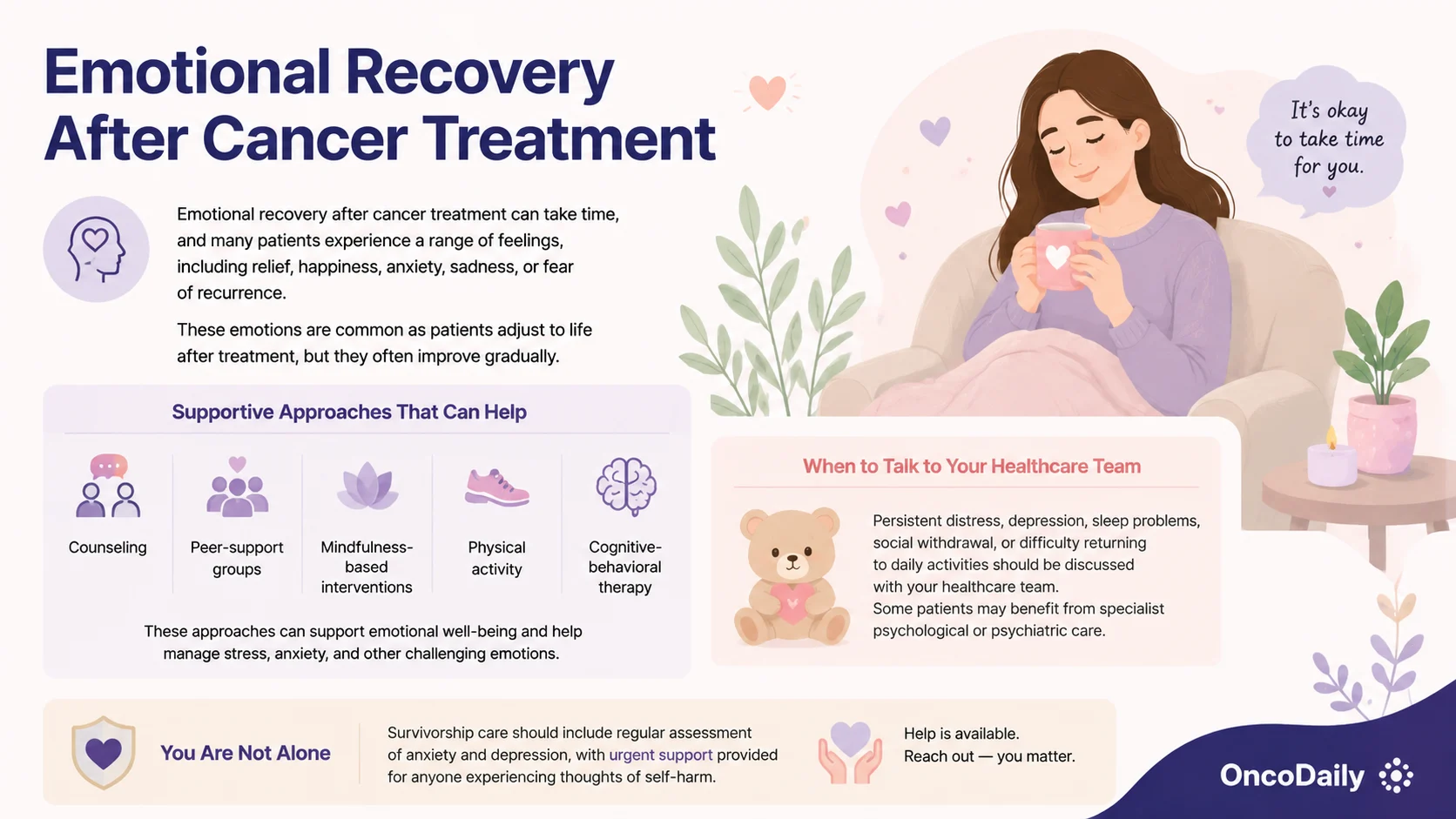
Emotional recovery after cancer treatment can take time, and many patients experience a range of feelings, including relief, happiness, anxiety, sadness, or fear of recurrence. These emotions are common as patients adjust to life after treatment, but they often improve gradually. (National Cancer Institute, 2025)
Persistent distress, depression, sleep problems, social withdrawal, or difficulty returning to daily activities should be discussed with the healthcare team. Supportive approaches such as counseling, peer-support groups, mindfulness-based interventions, physical activity, and cognitive-behavioral therapy can help improve emotional well-being. Some patients may benefit from specialist psychological or psychiatric care. (Jordan et al., 2023)
Survivorship care should include regular assessment of anxiety and depression, with urgent support provided for anyone experiencing thoughts of self-harm. (ASCO, 2023)
Returning to Normal Life After Chemotherapy
Returning to everyday life after chemotherapy is usually a gradual process. Even after treatment ends, some patients may continue to experience fatigue, neuropathy, emotional stress, or other treatment-related effects that can affect daily activities. (National Cancer Institute, 2025)
Patients are encouraged to increase activities at a manageable pace, include regular rest periods, and gradually return to exercise when it is safe and appropriate. Returning to work may be easier with a phased approach, such as reduced hours, flexible duties, or planned breaks, especially for those with ongoing fatigue or physically demanding jobs. (National Cancer Institute, 2025; American Cancer Society, 2025)
Follow-up care, rehabilitation, practical support, and communication with family members and employers can help patients adapt to life after cancer treatment and find their own “new normal” while recovery continues. (National Cancer Institute, 2025)
Follow-Up Care and Long-Term Recovery
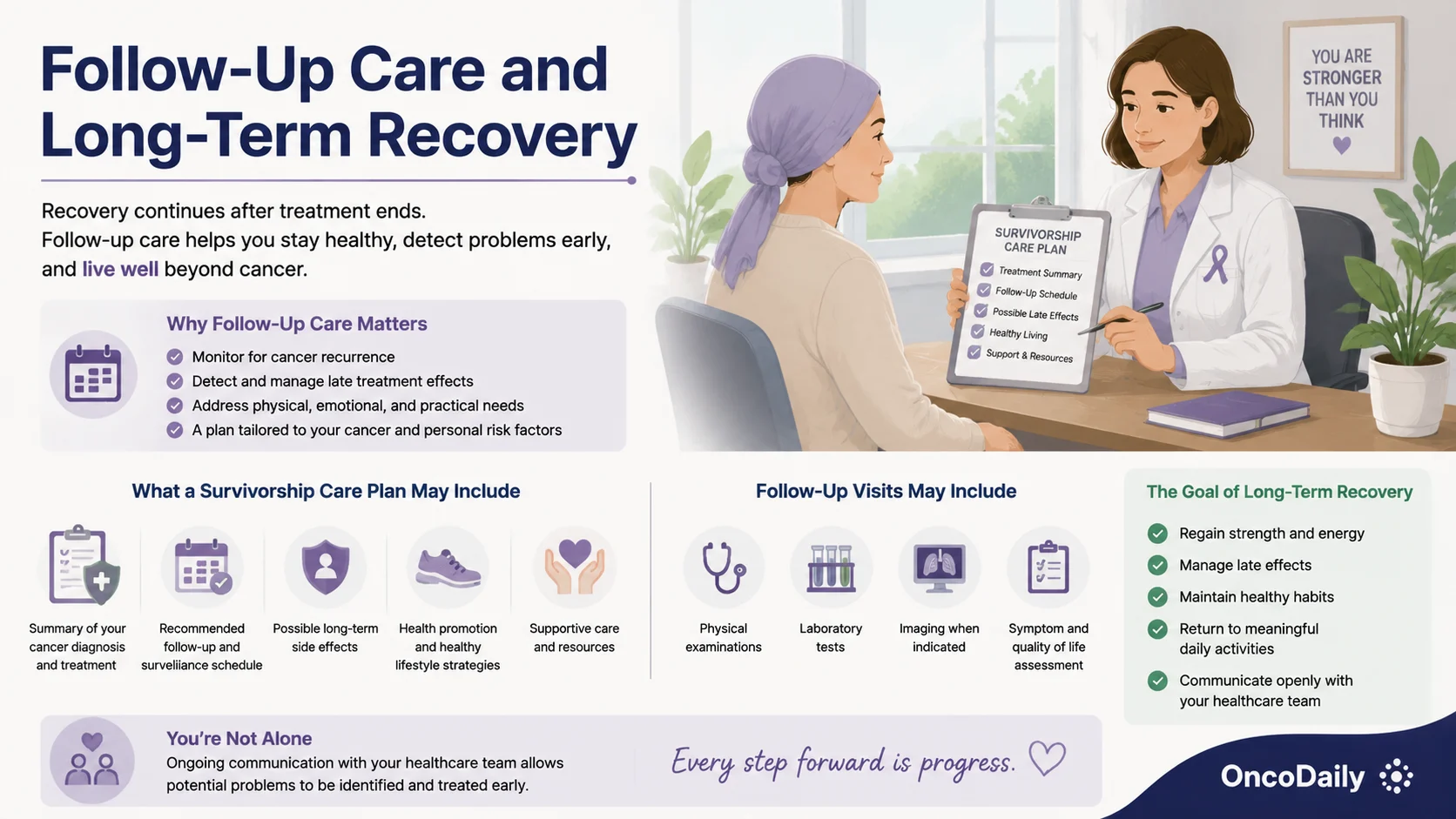
After chemotherapy ends, follow-up care remains an important part of recovery. Survivorship visits help monitor for cancer recurrence, late treatment effects, and ongoing physical or emotional needs. The follow-up plan depends on the cancer type, stage, treatments received, and individual risk factors. (Mayer et al., 2014)
A survivorship care plan should include a summary of the cancer diagnosis and treatment, recommended surveillance schedule, possible long-term side effects, health promotion strategies, and supportive resources. Follow-up may include physical examinations, laboratory tests, imaging when indicated, and assessment of symptoms such as fatigue, neuropathy, pain, emotional distress, or changes in quality of life. (Mayer et al., 2014)
Long-term recovery focuses not only on monitoring cancer but also on helping patients regain strength, manage late effects, maintain healthy habits, and return to meaningful daily activities. Ongoing communication with the healthcare team allows potential problems to be identified and treated early. (Mayer et al., 2014)
Written by Marine Marachlian, MD
FAQ
Is it normal to feel emotional after chemotherapy?
Yes. Relief, sadness, anxiety, anger, and uncertainty are common after treatment.
Why do I feel anxious after treatment ends?
Fewer appointments and uncertainty about the future can make anxiety more noticeable.
How long does recovery after chemotherapy take?
Recovery varies. Some people feel better within days, while others need several weeks or months.
Why am I still tired after chemotherapy?
Fatigue may continue because the body is repairing tissues, rebuilding blood cells, and recovering from treatment.
When will my appetite and taste improve?
Taste and appetite changes usually improve within several weeks, although recovery may take longer for some people.
Can stomach and bowel problems continue?
Yes. Nausea, constipation, diarrhea, or bloating may continue temporarily while the digestive system recovers.
Is it normal to have sleep problems?
Yes. Fatigue, anxiety, pain, medications, and changes in routine can affect sleep after treatment.
When should I contact my healthcare team?
Seek medical advice for fever, breathing difficulty, unusual bleeding, severe pain, persistent vomiting or diarrhea, or rapidly worsening symptoms.