The last week of March brings a diverse set of updates across GI oncology, highlighting continued progress in precision medicine, biomarker-driven strategies, and translational research across colorectal, pancreatic, gastric, esophageal, and biliary tract cancers.
This week’s posts feature new insights into resistance mechanisms to BRAF and EGFR inhibition in colorectal cancer, alongside practice-informing data from the phase III ATOMIC trial supporting adjuvant immunotherapy in dMMR disease. Pancreatic cancer remains a key focus, with updates from the POLAR trial exploring biomarker-selected immunotherapy, early-phase MEK plus autophagy inhibition strategies, and innovative CRISPR-based organoid models aimed at identifying new therapeutic vulnerabilities.
Additional highlights include global efforts to address poor-prognosis cancers through international collaboration and AI-driven approaches, real-world considerations such as sacral fracture risk after pelvic radiotherapy, and persistent socioeconomic disparities impacting outcomes in upper GI cancers. Large-scale molecular profiling in biliary tract cancer and updated French clinical practice guidelines for gastric cancer further reflect the growing integration of data-driven and standardized approaches in clinical care.
Together, these posts underscore the rapid evolution of GI oncology toward more personalized, biology-driven, and collaborative treatment strategies.
Loredana Vecchione – MD, PhD, Specialist in Hematology and Oncology, Clinician Scientist at Charité
“Proud to share that our work on understanding the mechanisms of intrinsic resistance and sensitivity to BRAF and EGFR inhibition in BRAFV600E colorectal cancer tumors—using preclinical models—has recently been published in JECCR!
I am incredibly proud of my PhD student, Anna Kotarac, and deeply grateful to all collaborators who contributed over the years to make this achievement possible.”
Wungki Park – Clinician-Scientist Driving Next-Generation Therapies in GI Cancers | KRAS-Directed Therapy and Immune Reprogramming in Pancreatic Cancer | sPARK Lab
“Our phase 2 POLAR trial is now published in Nature Medicine.
In metastatic pancreatic cancer, immunotherapy has historically shown limited activity. POLAR was designed around a different hypothesis: that homologous recombination deficiency (HRD) may define a biologically distinct subset with increased susceptibility to immune-based strategies.
In this biomarker-selected maintenance study of pembrolizumab plus olaparib, the strongest clinical signal was observed in HRD tumors, supported by translational analyses linking DNA repair deficiency to neoantigen burden and immune engagement.
These findings support a broader shift toward biomarker-directed, biology-aligned precision immunotherapy strategies in pancreatic cancer.
This work reflects a truly collaborative effort across the HBP community, clinical research teams, and our sPARK lab at Memorial Sloan Kettering Cancer Center.
Most importantly, we are grateful to our patients and families who made this possible.”
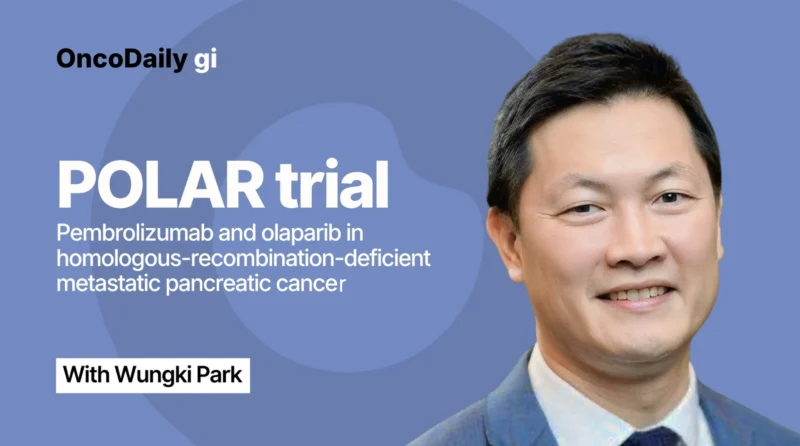
Read about Results from the Phase 2 POLAR Trial on OncoDaily.
Nelson Dusetti – Research Director, INSERM | Pancreatic Cancer & Translational Oncology | Co-founder of Predicting Med
“Honoured to contribute to this Meeting Report from the G7 Cancer Conference, now available online: ‘Poor prognosis cancers: from resignation to revolution.’
This collective work reflects a strong international momentum to better understand and tackle cancers with historically very poor survival, including pancreatic cancer.
It was a real privilege to share discussions and perspectives with outstanding colleagues such as Juan Iovanna, Raul Urrutia, Steven Gallinger, Dieter Saur, Anirban Maitra, Pascal Hammel, Michel Ducreux, Patrick Couvreur, Raphael Rodriguez, Klaus Pantel, Belinda Lee, Claude Chelala, John Neoptolemos, Agnieszka Janowska, Ryuji Hamamoto, Marisa Nishio and many others deeply committed to advancing translational oncology.
From our side at CRCM – Centre de Recherche en Cancérologie de Marseille and Institut Paoli-Calmettes, we contributed insights on the use of AI-assisted transcriptomic predictive tools to better guide treatment strategies in pancreatic cancer and help avoid ineffective therapies.
Progress in poor-prognosis cancers will rely more than ever on international collaboration, shared infrastructures, and biologically driven precision medicine approaches.”
S. Daniel Haldar – Assistant Professor, GI Medical Oncology at MD Anderson Cancer Center
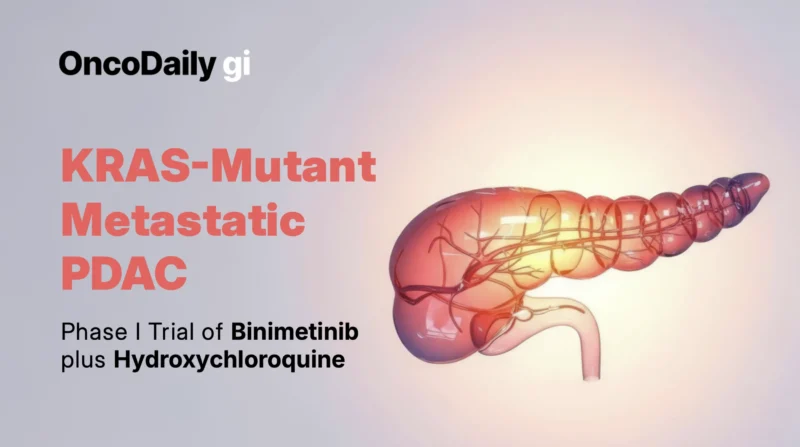
“Our phase I study tested binimetinib (BINI, MEK inhibitor) + hydroxychloroquine (HCQ, autophagy inhibitor) in KRAS-mutant, previously treated metastatic pancreatic cancer.
- Rationale: dual MEK + autophagy inhibition → therapeutic synergy in PDAC models (as shown by Channing J. Der)
- Trial design: single-arm, open-label dose-escalation/expansion (NCT04132505). 34 patients enrolled Dec 2019–Aug 2024; primary endpoint was MTD using a BOIN design
- Safety: At BINI 45 mg + HCQ 600 mg, two DLTs occurred (grade 3 CPK elevation with renal impairment and grade 3 QT prolongation). After de-escalation, the MTD was BINI 30 mg + HCQ 600 mg twice daily due to tolerability
- Efficacy (31 evaluable): 2 partial responses (ORR 6.5%) and 9 stable disease (DCR 35.5%). Median PFS 1.9 months; median OS 5.3 months. Overall limited clinical activity.
- Takeaway: This combo showed a challenging toxicity profile and modest activity in chemorefractory PDAC. Findings support exploring next-generation autophagy inhibitors or alternate MAPK strategies.”
Nina Niu Sanford – GI Radiation Oncologist, UT Southwestern Medical Center, Dallas
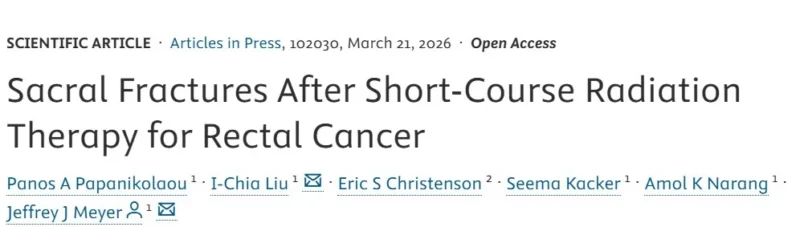
“Important to counsel patients regarding sacral fracture risk after pelvic RT, but the data here are reassuring in my opinion.
Most sacral fractures are asymptomatic (85%). Among 171 patients, only 2 had symptoms, and both had additional pelvic fractures.
Hence, isolated symptomatic sacral fracture risk appears very low.”
Jérémy Ariey-Bonnet – Postdoctoral Researcher at Cancer Research Center of Marseille
“Excited to share that my research project has been awarded the FRAP Young Investigator Grant
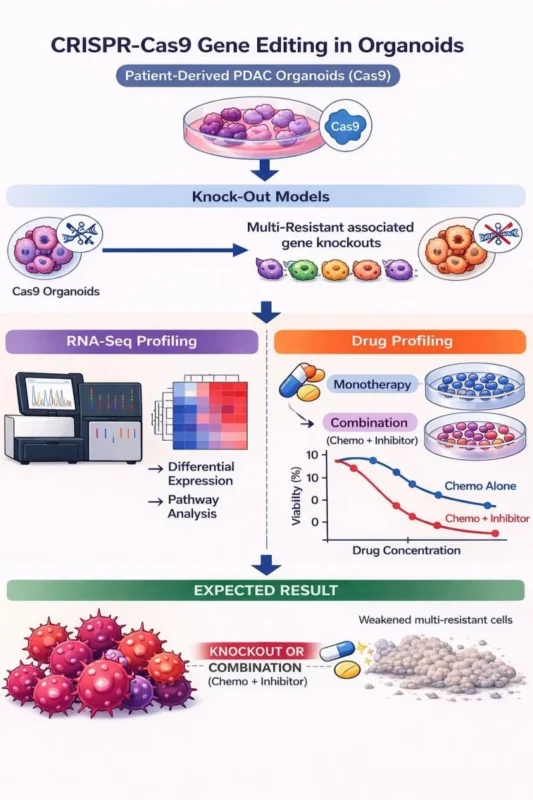
This project aims to uncover and functionally validate key molecular drivers of therapy resistance in pancreatic cancer using CRISPR-Cas9 and clinically relevant patient-derived organoid models.
By integrating these models into a scalable functional precision oncology framework, this work will enable the systematic identification of new therapeutic vulnerabilities in biologically and clinically meaningful contexts.
I would like to thank the FRAP Network – Pancreatic Cancer for their trust and support through this fellowship.
A special thanks to the Nelson Dusetti lab for the warm welcome and support, a great way to start this new chapter
Looking forward to the next steps!”
Hassan R. Hashmi – General and Colorectal Surgeon at Las Vegas Surgical Associates
“A major step forward in biomarker-driven adjuvant therapy for colon cancer.
In the phase 3 ATOMIC trial published in NEJM Group, the addition of atezolizumab to mFOLFOX6 significantly improved 3-year disease-free survival in resected stage III dMMR colon cancer (86.3% vs 76.2%; HR 0.50).
This is one of the strongest signals yet supporting immunotherapy in the adjuvant setting for dMMR disease, a population already known to have distinct tumor biology and immune responsiveness.
The tradeoff is a higher rate of grade 3–4 toxicities, highlighting the importance of careful patient selection and counseling.
Key implications:
Reinforces the importance of MMR testing
Opens the door for integrating immunotherapy in the treatment paradigm
Raises important questions about optimal duration, cost, and long-term survival benefit
Practice-changing data worth watching closely.”
Erman Akkus – Medical Oncologist, Gastrointestinal Oncology
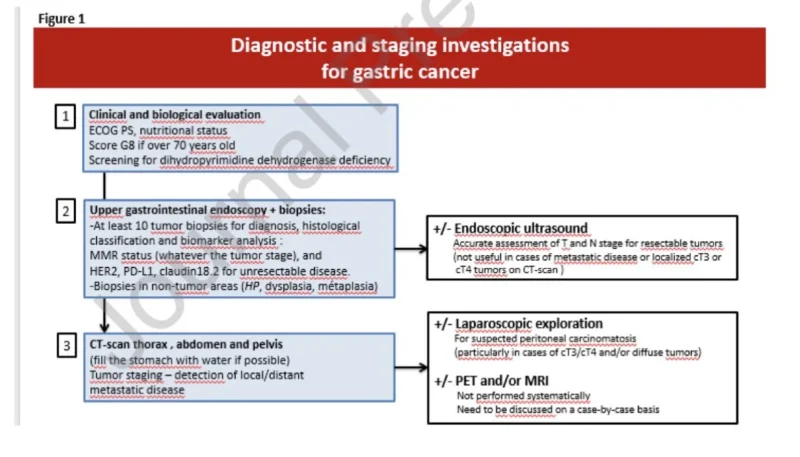
“Gastric cancer: French Intergroup clinical practice guidelines”
Arndt Vogel – Medical Oncologist, Head of the Center for Personalized Medicine, MHH at Medical University of Hanover
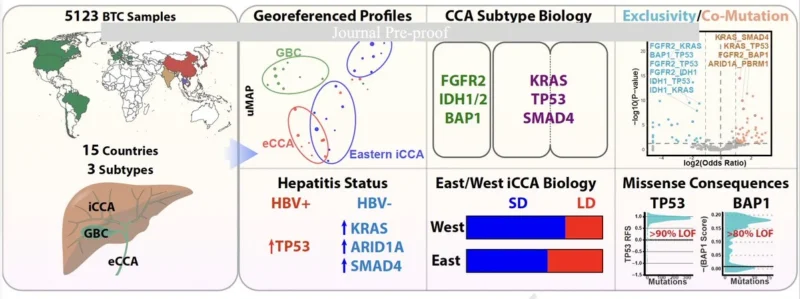
“Global patterns of mutational profiles in biliary tract cancer
-
5123 BTC patients from 13 countries
-
Detailed analysis of mutation prevalence, etiology, co-mutations, and recurrent mutations.”
Dillen van der Aa – MD, PhD Candidate in Upper GI Surgery
“Our article has been published in The Lancet Regional Health – Europe.
In this nationwide, population-based study, we investigated the association between socioeconomic status and treatment allocation and survival in patients with oesophageal and gastric cancer. Despite a well-organized and universally accessible healthcare system, socioeconomic disparities persist. Patients from lower socioeconomic groups were less likely to receive curative treatment and had poorer survival outcomes.
These findings underline that equal access to healthcare does not automatically translate into equal outcomes, and that continued attention to underlying disparities remains essential.
Many thanks to all co-authors for this collaborative effort.”
Find out 10 Must-Read Posts in GI Oncology from the third week of March on OncoDaily.