Welcome to OncoDaily Weekly, your all-in-one roundup of this week’s oncology news, policy shifts, scientific advances, leadership moves and celebrity stories from December 22 to 28.
Last week in oncology reflected the full spectrum of progress shaping modern cancer care – from global policy and regulatory shifts to clinical innovation, leadership voices, and the human stories that continue to define why this work matters.
World Health Voices Magazine by OncoDaily
In our latest cover of World Health Voices Magazine featuring Evis Sala, Minister of Health of Albania, the conversation evolves on health system reform, oncology infrastructure, and regional equity in cancer care. Whether your work is inspired by policymakers or you are a physician lacking clarity about the future of healthcare, his is your perfect read.
“Geoffrey Hinton was wrong, and that has been proven, despite his Nobel-level impact and brilliant mind. AI is not going to replace the radiologist. But it will certainly replace the radiologist who doesn’t use AI.” – Evis Sala.
The full interview can also be viewed in OncoDaily TV.
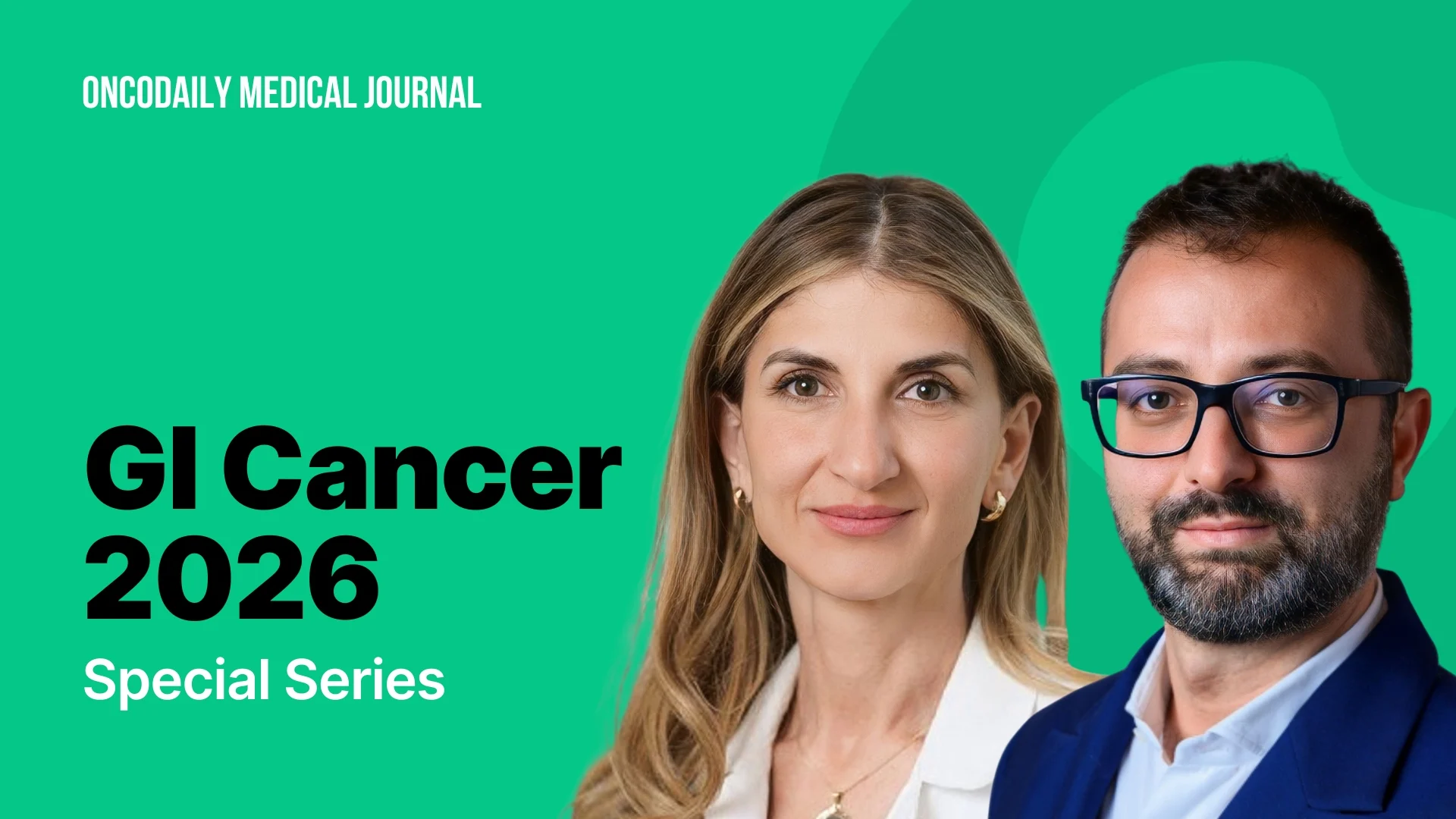
Alongside the release, OncoDaily Medical Journal has officially opened its Call for Papers for a Special Series in GI Oncology. Led by Yelena Janjigian, Chief of Gastrointestinal Oncology at Memorial Sloan Kettering Cancer Center, and Filippo Pietrantonio, Head of the GI Unit at Fondazione IRCCS Istituto Nazionale dei Tumori, Milan, the Special Issue is inviting clinicians, researchers, policymakers, and patient advocates to contribute original insights, research, and perspectives to upcoming issues.
Practice-Changing Evidence and Research Signals
Access as the Scientific Question: PLANeT Trial (Low-Dose Pembrolizumab in TNBC)
PLANeT directly tested whether you could preserve immunotherapy benefit while cutting cost: pembrolizumab 50 mg every 6 weeks (3 doses) layered onto dose-dense neoadjuvant chemotherapy versus chemotherapy alone, with pCR (ypT0N0) as the primary endpoint and longer-term outcomes (IDFS, RCB) as key secondary endpoints. Shown effective, the trial explicitly reflects a resource-limited reality – patients enrolled lacked access to standard-dose pembrolizumab – making the design itself part of the message.
Immunotherapy in a “Cold” Disease Space: Botensilimab + Balstilimab in Ovarian Cancer
Botensilimab + balstilimab in platinum-resistant ovarian cancer.
This analysis spotlights durable activity in a setting where options shrink quickly: dual checkpoint blockade (Fc-enhanced CTLA-4 with PD-1) showing meaningful response and prolonged disease control beyond classic “shrinkage-or-nothing” framing, alongside immune-correlative signals pointing toward future biomarker-driven selection.
A Preclinical “Shock” Result: Frog-Gut Microbe and Tumor Clearance in Mice
A frog-derived gut bacterium reported to clear colorectal tumors in a mouse model after a single IV dose. Researchers reported that a strain of Ewingella americana, isolated from a Japanese tree frog, produced complete tumor clearance in a colorectal cancer mouse model, proposing a dual mechanism: direct tumor cell killing plus strong immune activation. It’s early-stage science, but it is exactly the kind of surprising biology that keeps the microbiome – immunity interface on the frontier.

Regulatory and Development Milestones
FDA Fast Track and Orphan Designation: Signals That Shape Pipelines
The FDA granted Fast Track designation to BeOne’s GPC3x4-1BB bispecific antibody in hepatocellular carcinoma – an example of immuno-engineering that tries to localize immune activation (4-1BB costimulation) through tumor antigen targeting (GPC3).
Envafolimab (KN035) received FDA Orphan Drug Designation for gastric/GEJ cancer, adding to prior designations in other indications. The key differentiator highlighted is subcutaneous PD-L1 blockade (very rapid administration), paired with early combination signals reported with FOLFOX in advanced disease.
You can also see OncoDaily IO’s roundup frames H2 2025 immunotherapy approvals as a directional shift: immunotherapy moving deeper into curative-intent pathways, with increasing weight on perioperative approaches and continued expansion of platforms such as bispecifics and cellular therapies.
Policy and Systems
Europe’s Bet: The European Biotech Act
Can the European Biotech Act make Europe a global biotech leader?
OncoDaily Biotech explored “AI-first” posture for biotech and biomanufacturing, a push for regulatory frameworks that adapt with science, and a broader effort to turn policy into a competitiveness engine – especially relevant as oncology R&D timelines and platform complexity continue to strain older regulatory assumptions.

While ASCO announced that registration is open for ASCO 2026 (May 29–June 2, Chicago or online), AACR launched MONARCA Grants for Latin America: two years of $55,000 USD to support early-career researchers based in Latin America (degree within the last ten years), with letters of intent due January 22.
We also reflected on the new ESTRO–ISRS clinical guidelines for stereotactic radiosurgery and stereotactic body radiotherapy, which is positioned as a consolidated reference for safe, effective SRS/SBRT across intracranial and extracranial settings.
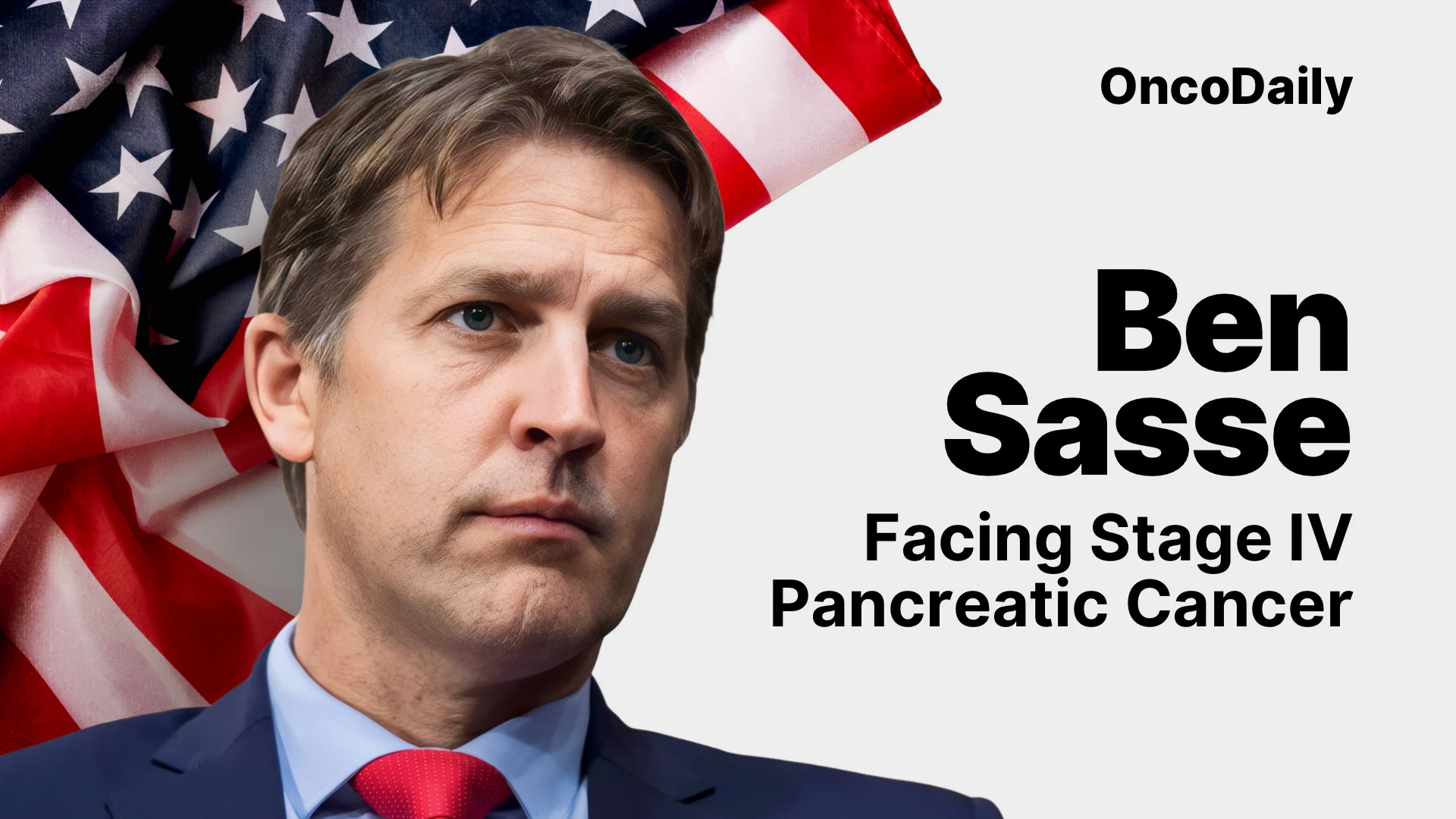
“…Last week I was diagnosed with metastasized, stage-four pancreatic cancer, and am gonna die.”
Ben Sasse, the former U.S. Senator from Nebraska (2015-2023) and short-term president of the University of Florida (2023-2024), revealed his stage 4 pancreatic cancer diagnosis on December 23, 2025, via a deeply personal X post. At 53 years old, Sasse delivered a raw, unfiltered message blending stark acceptance of his prognosis with unwavering faith, family devotion, and resolve to fight – capturing national attention amid his recent family health trials.
Pharma and Industry Moves
Big Deal, Big Target: AstraZeneca – Jacobio licensing agreement (up to $2B) for an investigational pan-KRAS inhibitor.
AstraZeneca struck a global licensing deal for Jacobio’s investigational pan-KRAS inhibitor JAB-23E73, with $100M upfront and potential milestones bringing the headline value to up to $2B. AstraZeneca gains rights outside China, while the companies co-develop/co-commercialize within China—another reminder that “global” drug development is increasingly structured as geography-specific partnership architecture.
Incyte’s two oncology treatments approved in Japan (follicular lymphoma; anal canal SCC).
Incyte’s CMO Steven Stein highlighted two approvals in Japan—one in follicular lymphoma and one in squamous cell carcinoma of the anal canal – a reminder that for many therapies, the “real” global rollout story is written approval-by-approval across regions.
Leadership Changes
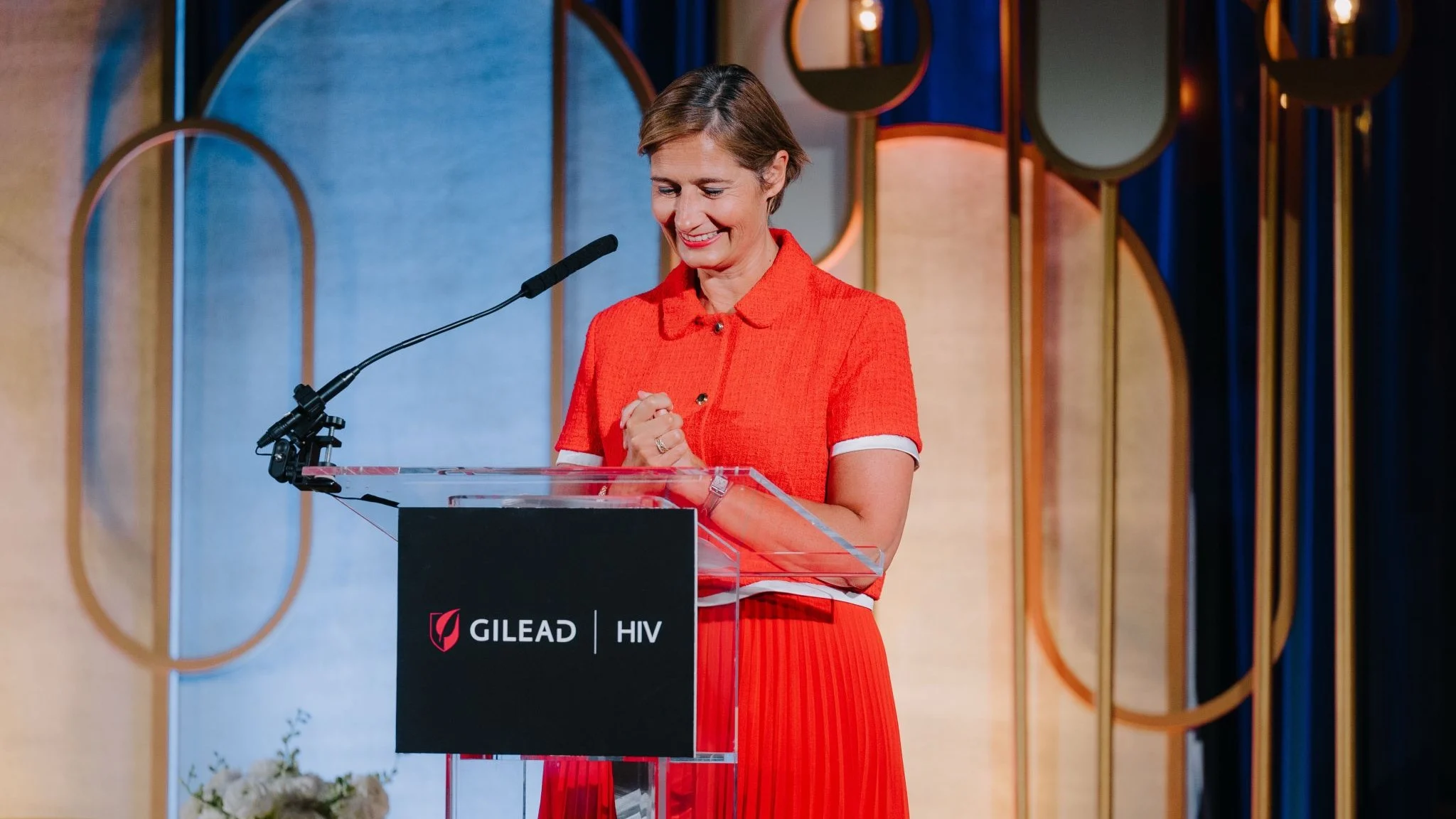
Sandrine Piret-Gerard closes a four-year chapter leading Gilead’s US organization. Shared as a year-end leadership transition, her note frames the role as a defining professional period – one of those executive changes that often signals broader commercial or strategic reshaping behind the scenes.
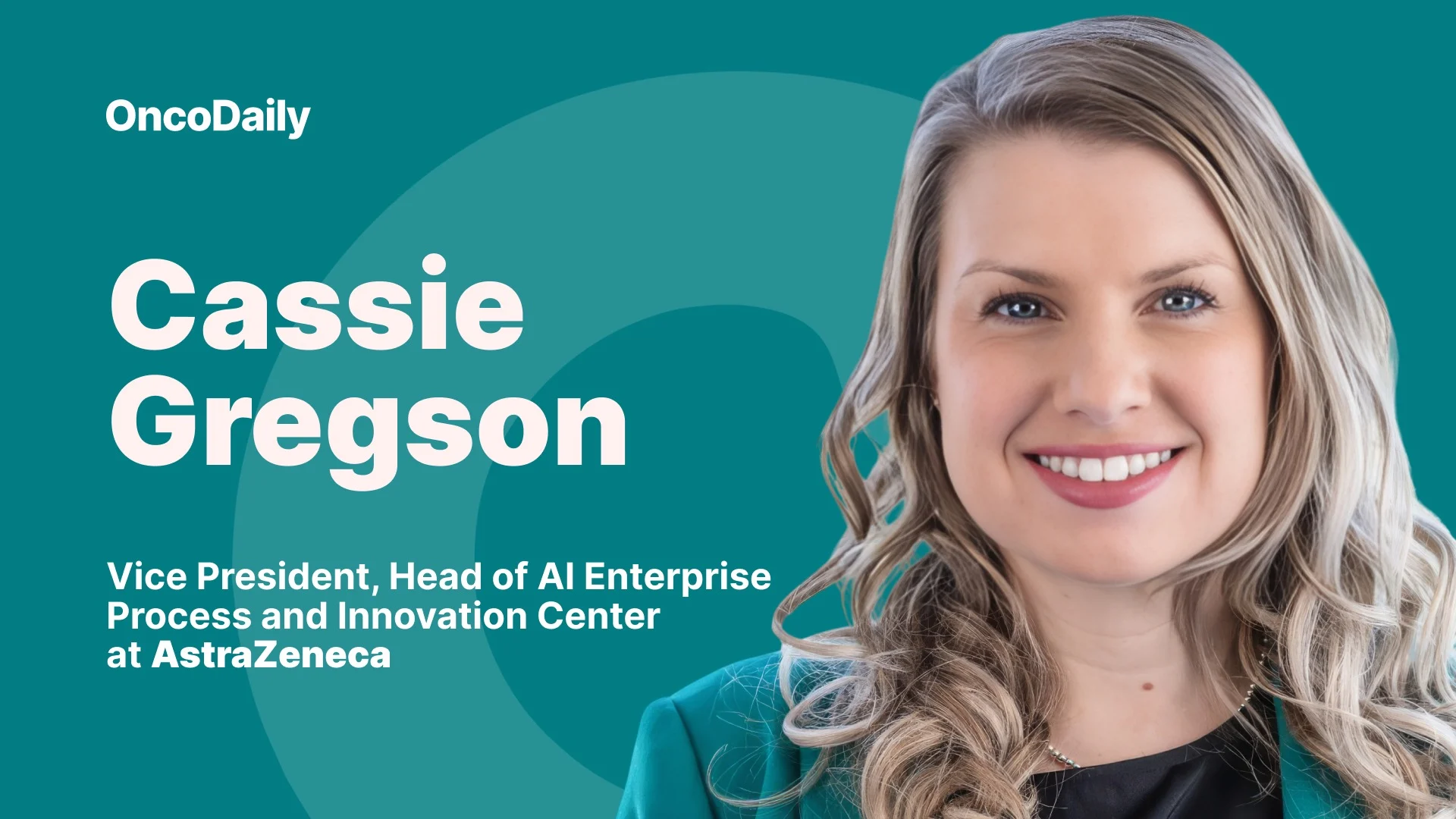
Cassie Gregson was appointed VP, Head of AI Enterprise Process and Innovation Center at AstraZeneca. Gregson announced a move into a role focused on “AI-first design” for enterprise process and innovation – part of a visible trend: AI capability shifting from “tools” into dedicated operational governance and transformation structures inside major pharma.
OncoDaily TV: New Episodes Are Out
We close with OncoDaily TV, where the week’s themes – science, systems, and the people carrying the work – come into full focus:
- Geriatric Oncology and the Science of Aging – conversation with Dr. Hy Muss
- On Call for the World – Dr. Robert Peter Gale’s perspective
- ONCOFFEE: Robin Reschke – from side research to broader impact
- How to get 50,000 citations: The story of Robert Weinberg (OncoInfluencers)
And in case you missed our “The 100 Most Influential People in Oncology in 2025” list, make sure to familiarize yourself with those shaping current cancer care globally.
Stay tuned for New Years Updates and announcements with OncoDaily.
Written by Elen Baloyan, MD, Managing Editor of OncoDaily