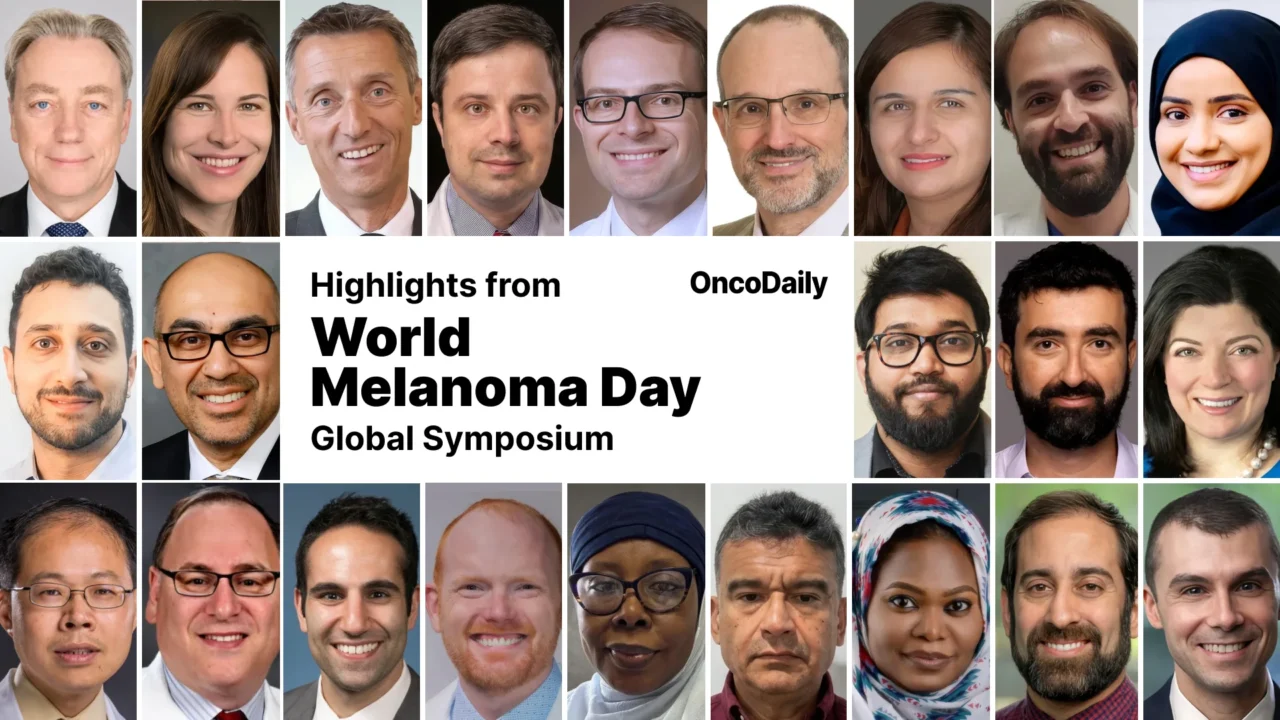
The World Melanoma Day Global Symposium brought together leading melanoma experts, clinicians, researchers, advocates, and survivors to highlight one of the most urgent challenges in oncology: the rising global burden of melanoma and the continued need for earlier diagnosis, broader access to innovation, and more personalized treatment strategies.
Held during May, Melanoma Awareness Month, the symposium aligned with global efforts to improve awareness, strengthen clinical education, and support better outcomes for patients with melanoma worldwide. The discussions reflected the full melanoma care continuum, from diagnosis, epidemiology, surgery, radiation, systemic therapy, and cell therapy to survivorship, advocacy, artificial intelligence, and real-world access challenges.
In 2022, an estimated 330,000 new melanoma skin cancer cases were diagnosed globally, with approximately 60,000 melanoma-related deaths. Although major advances in immunotherapy and targeted therapy have changed the treatment landscape, outcomes remain strongly dependent on stage at diagnosis. Five-year survival rates remain highest for localized disease and substantially lower for metastatic melanoma, underscoring the importance of early detection and timely intervention.
Leadership Of The World Melanoma Day Global Symposium
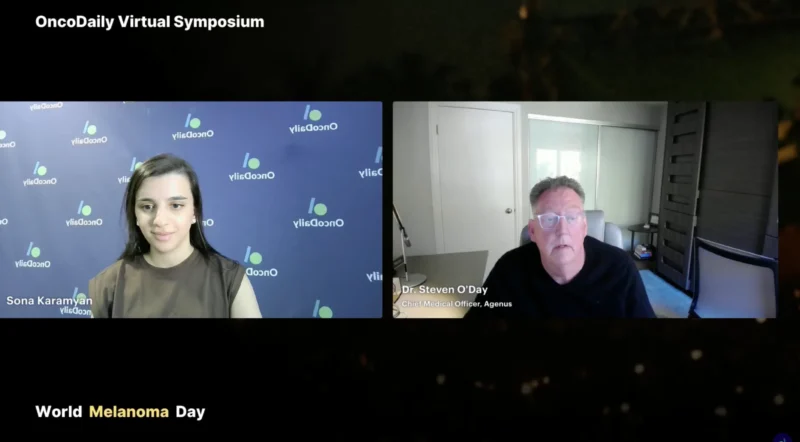
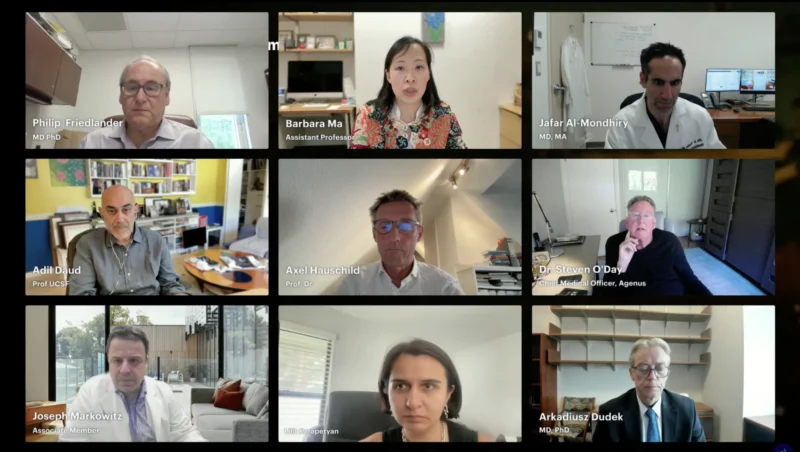
Steven O’Day – Chair
The symposium was chaired by Dr. Steven O’Day, Chief Medical Officer at Agenus and a recognized pioneer in cancer immunotherapy. With more than three decades of experience as a medical oncologist, Dr. O’Day has played an important role in advancing immunotherapy development, including CTLA-4–targeted approaches. His leadership framed the symposium around the continued evolution of melanoma care and the need to connect scientific innovation with global patient benefit.
Barbara T. Ma – Co-Chair And Advanced Melanoma
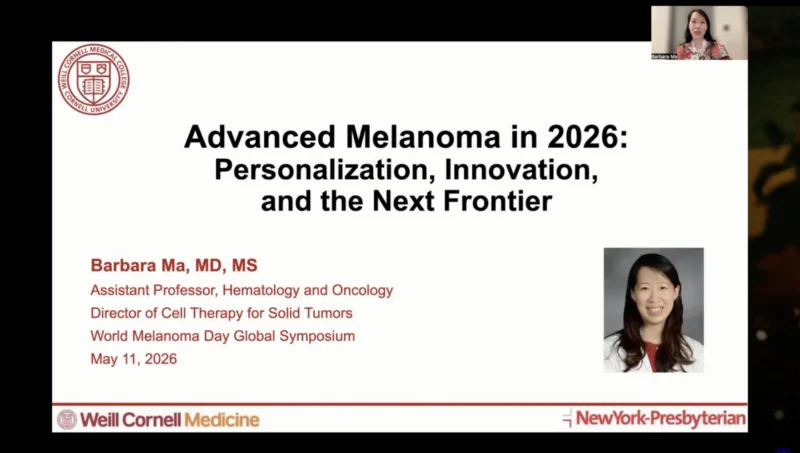
Dr. Barbara T. Ma, Assistant Professor of Medicine at Weill Cornell Medicine and Director of Cell Therapy for Solid Tumors at Weill Cornell Medicine/NewYork-Presbyterian, served as Co-Chair of the symposium. Her expertise in melanoma, skin cancers, tumor-infiltrating lymphocyte therapy, immuno-oncology, and solid tumor cell therapies helped anchor the meeting’s focus on advanced melanoma and emerging treatment strategies.
Brain And Leptomeningeal Metastases In Melanoma
Dr. Arkadiusz Z. Dudek, Professor of Oncology and Consultant in Medical Oncology at Mayo Clinic in Rochester, discussed brain and leptomeningeal metastases in melanoma. His session highlighted one of the most difficult clinical scenarios in melanoma care, where disease biology, neurologic complications, systemic therapy selection, and multidisciplinary management all influence outcomes. The topic emphasized the need for better therapeutic strategies for patients with central nervous system involvement.
Melanoma Survivorship
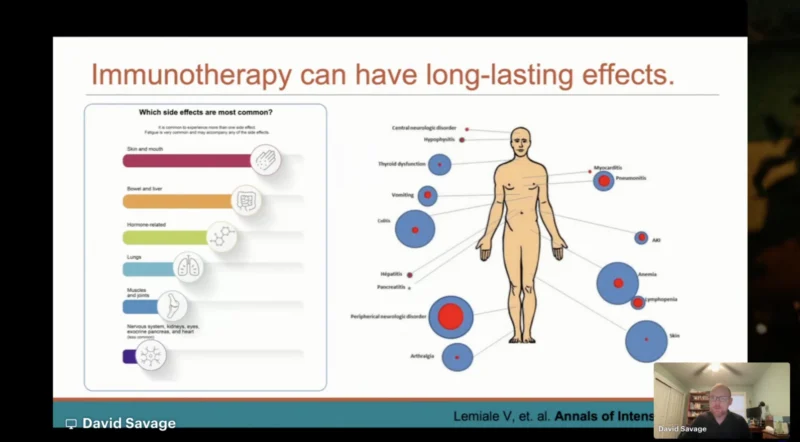
Dr. David Savage, a board-certified internal medicine and medical oncology physician, addressed melanoma survivorship. His session focused on the long-term needs of patients after treatment, including follow-up care, monitoring for recurrence, management of late effects, and quality-of-life considerations. As melanoma outcomes improve for many patients, survivorship care is becoming an increasingly important part of the melanoma treatment pathway.
Radiation In Melanoma In The Immunotherapy And Targeted Therapy Era
Dr. Carlton Johnny, Radiation Oncologist at CancerCare Manitoba and Assistant Professor at the University of Manitoba, presented on radiation in melanoma in the immunotherapy and targeted therapy era: from palliation to precision ablation. His talk explored how radiation therapy has evolved in melanoma, moving beyond symptom control toward more precise, integrated approaches in selected patients. The discussion reflected the growing role of local therapy in combination with modern systemic treatment.
Non–UV Exposed Melanomas
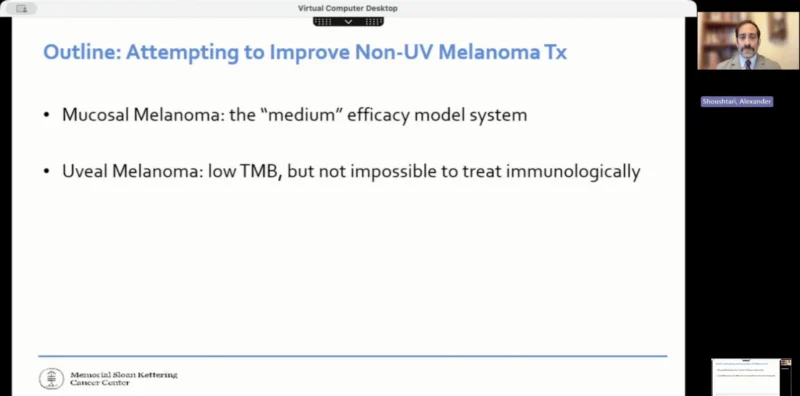
Dr. Alexander N. Shoushtari, Associate Attending Physician in the Melanoma and Cellular Therapy Services at Memorial Sloan Kettering Cancer Center and Associate Clinical Professor at Weill Cornell Medical College, discussed non–UV exposed melanomas. His session highlighted rare and biologically distinct melanoma subtypes, including melanomas that do not follow the classic ultraviolet-associated pattern. These tumors often require different diagnostic and therapeutic considerations, making subtype-specific expertise essential.
First-Line Therapy Of Metastatic Melanoma
Dr. Zulfiquer Otty, Senior Staff Specialist in Medical Oncology at Townsville Cancer Centre and Senior Lecturer at James Cook University, presented on first-line therapy of metastatic melanoma. His session reviewed how treatment selection continues to evolve with immune checkpoint inhibitors, targeted therapy, and combination approaches. The discussion emphasized the importance of balancing efficacy, toxicity, disease tempo, biomarker status, and patient-specific factors when choosing initial therapy.
How I Treat Melanoma In Nigeria
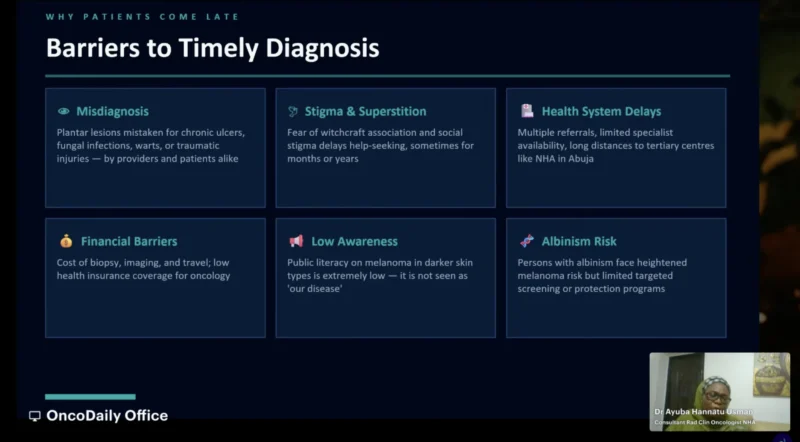
Dr. Ayuba Hannatu Usman, Consultant Radiation and Clinical Oncologist at National Hospital Abuja, CEO of The Cancer Consciousness Initiative, and Program Lead of the TeleOncology Hub, delivered a session on how melanoma is treated in Nigeria. Her talk brought an essential global perspective to the symposium, highlighting real-world barriers, resource limitations, awareness gaps, and the need for context-specific melanoma care models in different healthcare systems.
Melanoma Survivor Story
Pharm. Hauwa Baba Idris, Global Melanoma Ambassador and Melanoma Awareness Campaign Coordinator at The Cancer Consciousness Initiative, shared her melanoma survivor story. Her session added a powerful patient and advocacy voice to the scientific program. By sharing lived experience, she emphasized the human impact of melanoma, the importance of awareness, and the role of survivors in education and advocacy.
Immune-Related Adverse Events
Dr. Douglas Johnson, Professor of Medicine at Vanderbilt University Medical Center and Director of the Melanoma and Vanderbilt Precision Oncology programs at Vanderbilt-Ingram Cancer Center, discussed immune-related adverse events. His session focused on one of the central challenges of immunotherapy: recognizing, managing, and preventing treatment-related immune toxicities while preserving therapeutic benefit. This topic remains highly relevant as immunotherapy continues to expand across melanoma stages and combinations.
Immunotherapy-Resistant Melanoma
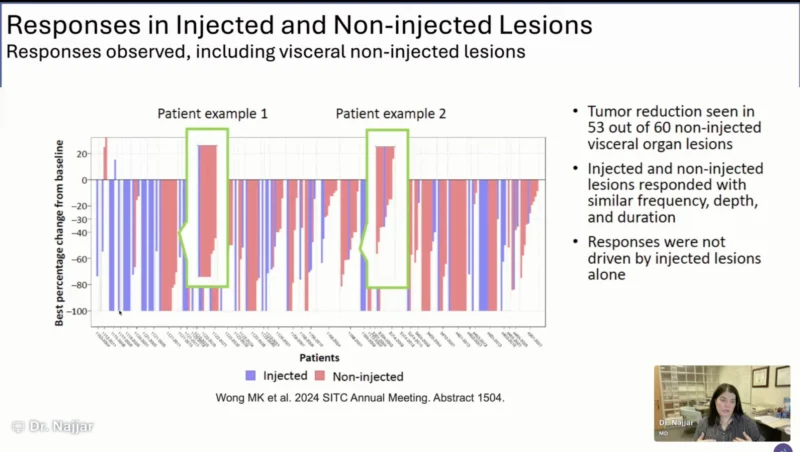
Dr. Yana G. Najjar, Associate Professor of Medicine and Director of the Clinical and Translational Research Center at UPMC Hillman Cancer Center, presented on immunotherapy-resistant melanoma. Her session addressed a major unmet need in melanoma care: patients who do not respond to anti-PD-1 therapy or who progress after initial benefit. The discussion highlighted the importance of translational research, resistance biology, novel combinations, and clinical trial development.
Emerging Cell Therapy Platforms For Advanced Melanoma
Dr. James W. Smithy, clinical investigator at Memorial Sloan Kettering Cancer Center, discussed emerging cell therapy platforms for advanced melanoma. His session focused on the evolving role of cellular therapies, including novel immunotherapy combinations and translational clinical trials for treatment-resistant disease. The topic reflected the growing interest in moving beyond standard checkpoint inhibition for patients with advanced melanoma.
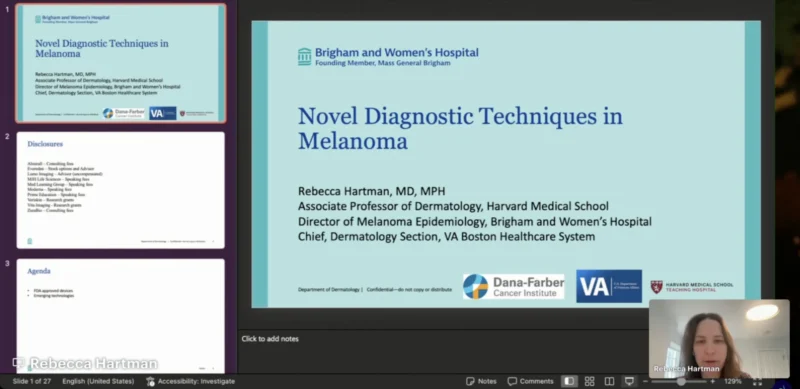
Novel Diagnostic Technologies Including AI
Dr. Rebecca Hartman, Associate Professor at Harvard Medical School, Director of Melanoma Epidemiology at Brigham and Women’s Hospital, and Chief of the Dermatology Section at VA Boston Healthcare System, presented on novel diagnostic technologies, including artificial intelligence. Her session explored how emerging tools may support earlier detection, risk stratification, and diagnostic accuracy in melanoma. The discussion also reflected the growing role of epidemiology and technology in modern skin cancer care.
How I Treat Melanoma In The USA
Dr. Philip Friedlander, Assistant Professor of Medicine and Dermatology at the Icahn School of Medicine at Mount Sinai, discussed how melanoma is treated in the USA. His session provided a clinical perspective on current treatment strategies, including systemic therapy, multidisciplinary care, and access to innovative approaches. The topic helped contextualize melanoma management in a high-resource setting while reinforcing the importance of individualized treatment decisions.
Personalized And Viral-Based Immunotherapies
Dr. João Paulo Lima, Medical Oncologist in the Melanoma Unit at AC Camargo Cancer Center in Brazil, presented on personalized and viral-based immunotherapies. His session highlighted innovative immune-based approaches that aim to better tailor treatment to tumor biology and patient-specific immune responses. The topic reflected the expanding landscape of melanoma immunotherapy beyond conventional checkpoint blockade.
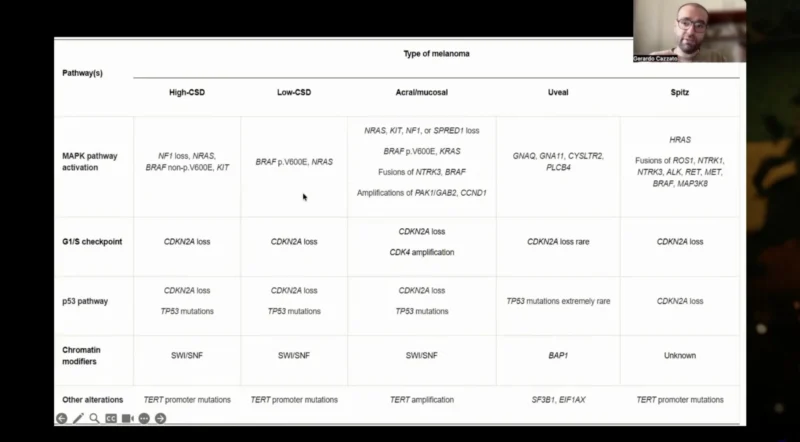
Melanoma Diagnosis
Dr. Gerardo Cazzato, dermatologist at the University of Bari “Aldo Moro” in Italy, discussed melanoma diagnosis. His session emphasized the central role of accurate and timely diagnosis in improving outcomes. As survival remains closely linked to stage at diagnosis, the discussion reinforced the importance of clinical recognition, dermatologic evaluation, pathology, and awareness among both healthcare professionals and the public.
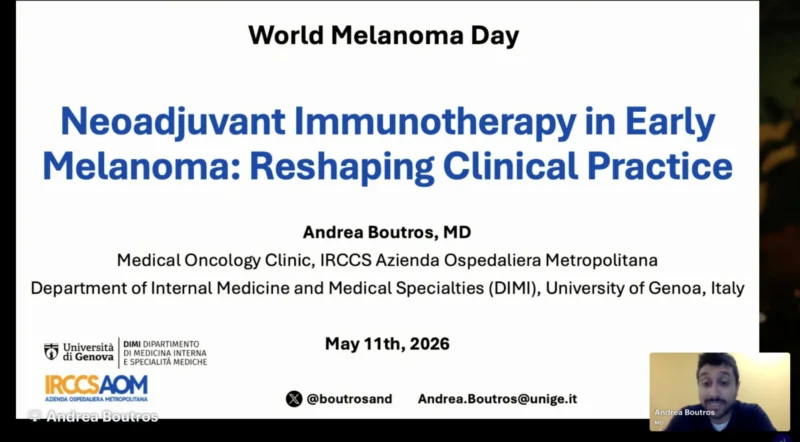
Neoadjuvant Immunotherapy
Dr. Andrea Boutros, Medical Oncologist and Assistant Professor at the University of Genoa and clinician at IRCCS Ospedale Policlinico San Martino, presented on neoadjuvant immunotherapy. His session addressed one of the most active areas in melanoma research, where immunotherapy before surgery is reshaping treatment strategies for selected patients. The discussion highlighted how earlier use of systemic therapy may improve risk assessment and inform postoperative management.
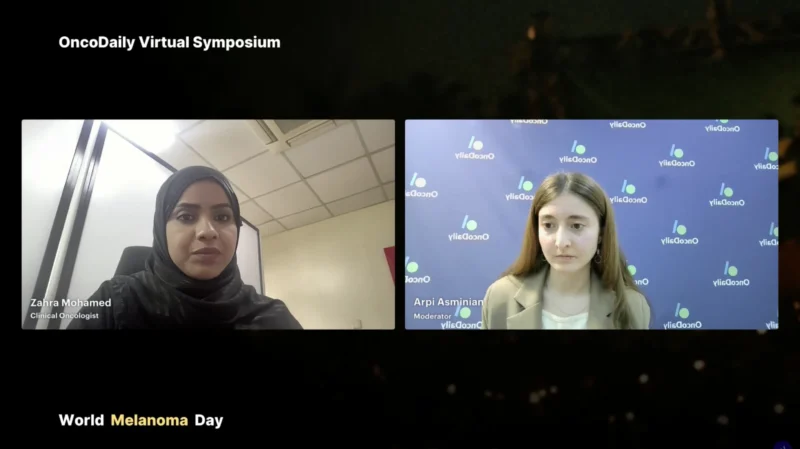
When Guidelines Meet Reality
Dr. Zahra Mohamed Ahmed, Clinical Oncologist at HCG CCK in Kenya, presented on when guidelines meet reality. Her session brought attention to the gap between international treatment recommendations and real-world implementation in different healthcare settings. The topic emphasized that global melanoma care requires not only scientific progress but also practical solutions for access, infrastructure, affordability, and patient-centered delivery.
TIL Therapy And Triplets Vs Doublets In Melanoma
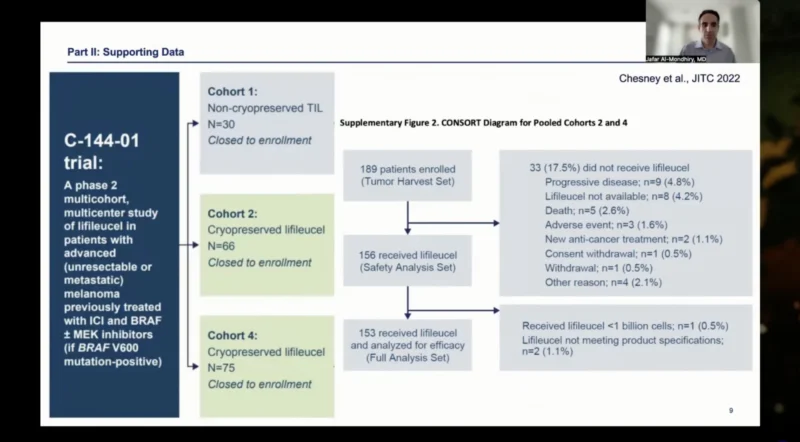
Dr. Jafar Al-Mondhiry, Medical Oncologist at Inova Schar Cancer Institute, discussed TIL therapy in melanoma and the evolving question of triplets versus doublets in treatment strategy. His session covered important areas in advanced melanoma, including adoptive cell therapy, experimental therapeutics, immunotherapy combinations, and treatment sequencing. These discussions are increasingly relevant as clinicians navigate more complex options for patients with advanced cutaneous malignancies.
AI-Driven Translation In Melanoma Care
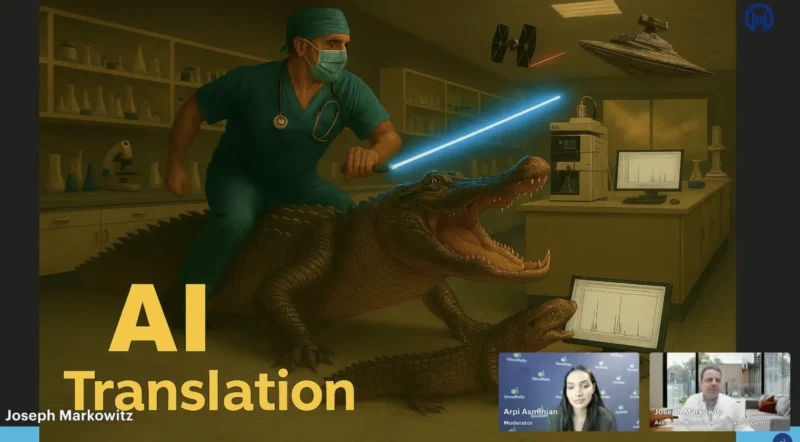
Dr. Joseph Markowitz, Associate Member of the Department of Cutaneous Oncology at H. Lee Moffitt Cancer Center & Research Institute and Associate Professor of Oncologic Sciences at the University of South Florida, presented on AI-driven translation in melanoma care. His session explored how artificial intelligence and translational science may help connect research discoveries with clinical decision-making, biomarker development, and improved treatment personalization.
Role Of Surgery In Melanoma
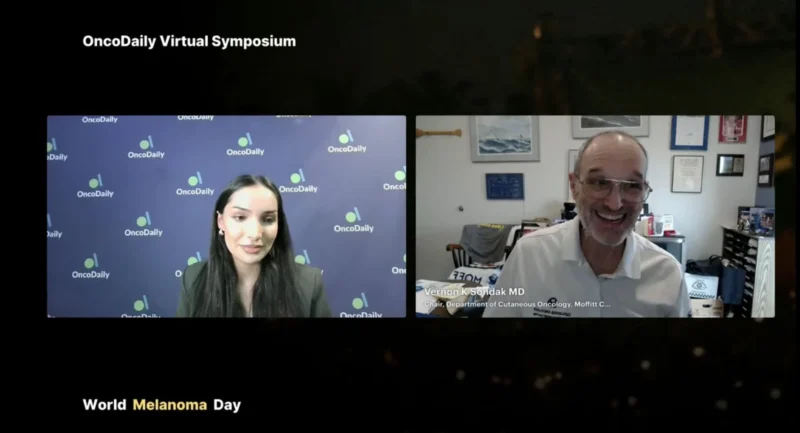
Dr. Vernon K. Sondak, Chair of the Department of Cutaneous Oncology at H. Lee Moffitt Cancer Center and the Richard M. Schulze Family Foundation Distinguished Endowed Chair in Cutaneous Oncology, discussed the role of surgery in melanoma. A globally recognized leader in melanoma surgery, Dr. Sondak highlighted the continued importance of surgical management, sentinel lymph node biopsy, and perioperative strategies in the modern era of systemic therapy.
Adoptive Cell Therapy In Advanced Melanoma
Dr. Lilit Karapetyan, Assistant Member in the Department of Cutaneous Oncology at H. Lee Moffitt Cancer Center and Assistant Professor of Oncologic Sciences at the University of South Florida, presented on adoptive cell therapy in advanced melanoma. Her session focused on tumor-infiltrating lymphocytes and the immunobiology that shapes anti-tumor immune responses. The discussion reflected the growing promise of cellular therapy for patients with advanced melanoma, particularly in difficult-to-treat disease.
A Global Message For Melanoma Awareness Month
The World Melanoma Day Global Symposium highlighted how melanoma care is changing rapidly, but also how many challenges remain. Across the sessions, speakers addressed early diagnosis, rare melanoma subtypes, metastatic disease, immunotherapy resistance, immune-related toxicity, surgery, radiation, AI, survivorship, advocacy, and access to care across different regions.
The symposium served as a reminder that progress in melanoma depends on more than new therapies alone. It requires earlier detection, multidisciplinary collaboration, patient advocacy, equitable access, and continued global education. As melanoma incidence continues to rise, events like this play an important role in bringing the international oncology community together around a shared goal: improving outcomes for patients with melanoma worldwide.
Find more exclusive oncology content on OncoDaily.
Written by Nare Hovhannisyan, MD