





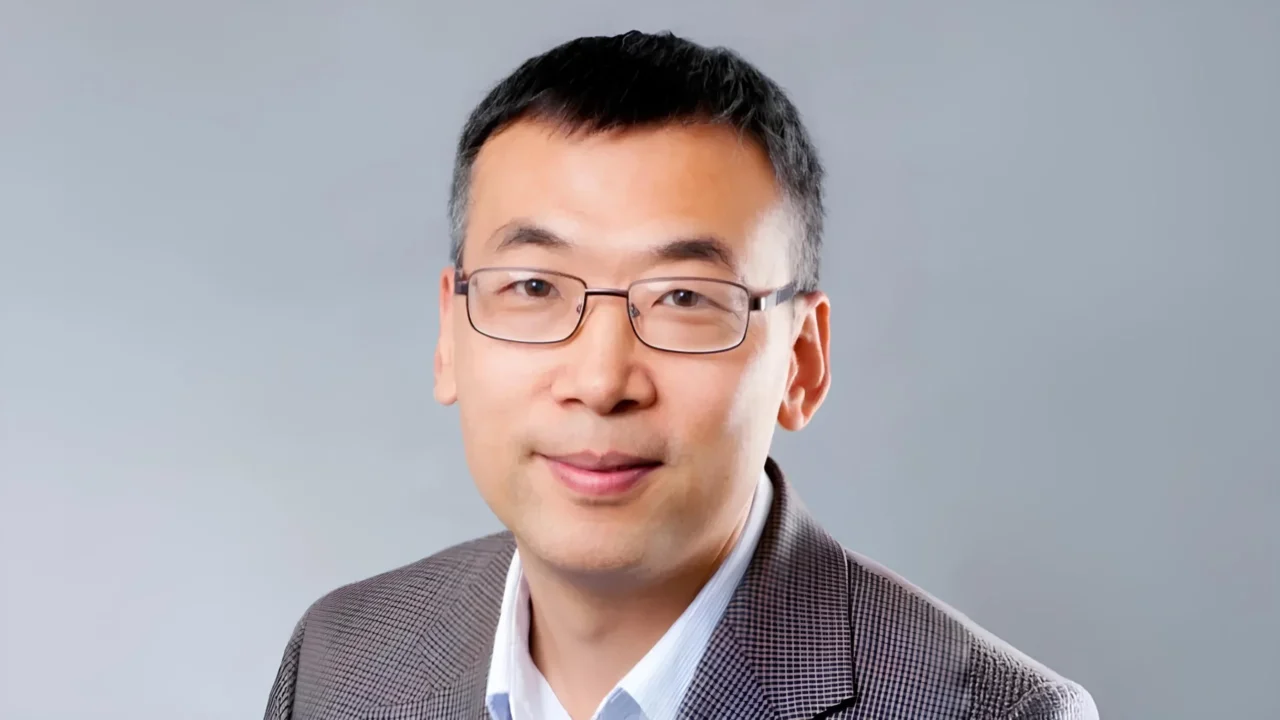
Zhaohui Su, VP of Biostatistics at Ontada, shared a post on LinkedIn:
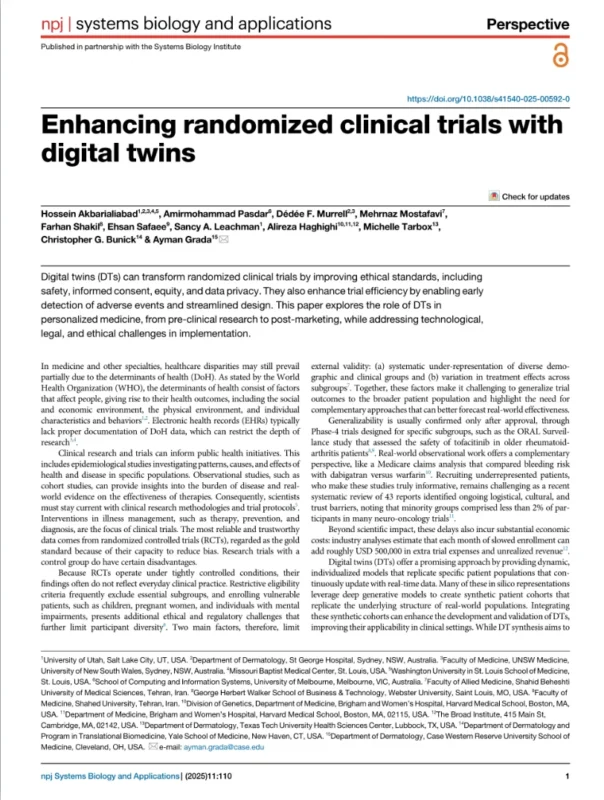
“Digital twins are emerging as a transformative tool in modernizing randomized clinical trials (RCT). This paper by Hossein Akbarialiabad and colleagues illustrates how digital twins can enhance evidence generation:
- Virtual patient generation: AI models combine clinical, imaging, genomic, lifestyle, and historical trial data to create synthetic patient profiles that reflect real-world diversity, moving beyond the narrow slices typically enrolled in trials.
- Simulation of virtual cohorts: Digital twins can act as synthetic controls or virtual treatment recipients, minimizing placebo exposure, reducing sample sizes, and allowing in-silico exploration of safety and efficacy prior to involving real patients.
- Predictive modeling and optimization: Adaptive designs, dose optimization, SHAP-based interpretability, and continuous model refinement contribute to smarter, faster, and more transparent trials.
Encouragingly, real-world applications are already demonstrating significant impacts:
- – In cardiology, the inEurHeart RCT utilized a cardiac digital twin for ventricular tachycardia ablation, resulting in 60% shorter procedures and 15% higher acute success rates.
- In diabetes, a digital-twin-powered assistant in a 12-week RCT for older adults with type 2 diabetes lowered HbA1c by 0.48%, reduced mental distress, and improved self-care adherence.
- In oncology, digital twins that integrate tumor-growth models with imaging are personalizing therapy and simulating treatment responses, advancing precision oncology.
- In drug development, digital twins facilitate in-silico trials and early safety assessments, accelerating discovery, reducing reliance on animal studies, and enhancing early-phase decision-making.
While digital twins show real promise, their impact will depend on rigorous validation, transparent methods, strong privacy safeguards, and thoughtful regulatory pathways. They won’t replace RCTs, but can meaningfully strengthen them, making evidence generation more efficient, inclusive, and patient‑centered.
Interested readers may refer to the attached paper below for more details and share your comments.”
Title: Enhancing randomized clinical trials with digital twins
Authors: Hossein Akbarialiabad, Amirmohammad Pasdar, Dédée Murrell, Mehrnaz Mostafavi, Farhan Shakil, Ehsan Safaee, Sancy Leachman, Alireza Haghighi, Michelle Tarbox, Christopher Bunick, Ayman Grada
Other articles about Zhaohui Su on OncoDaily.