





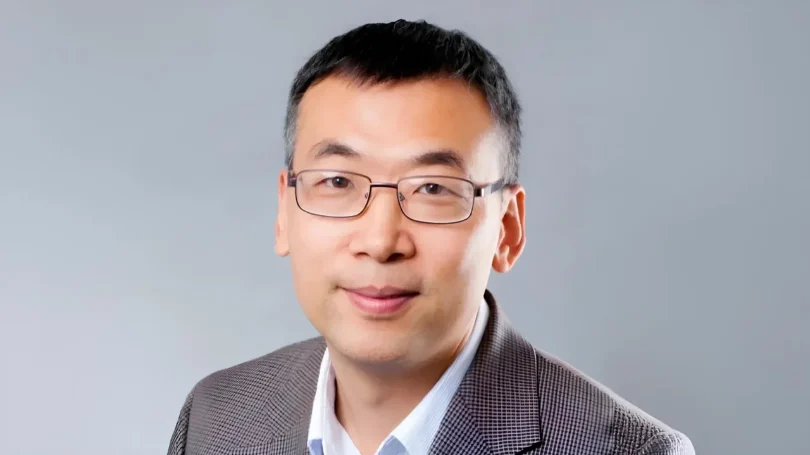
Zhaohui Su, VP of Biostatistics at Ontada, shared a post on LinkedIn:
“As the volume and complexity of clinical data continue to grow, the future of evidence generation relies on synthesis rather than silos.
A recent article titled ‘Integrating RCTs, RWD, AI/ML and Statistics‘ by Shu Yang and colleagues highlights that meaningful progress arises from combining the internal validity of randomized controlled trials (RCTs) with the real-world relevance of real-world data (RWD) and the scalability of artificial intelligence (AI).
A key example is the use of Bayesian approaches, including hierarchical models, power priors, and commensurate priors. These techniques allow for borrowing strength from external controls while appropriately down-weighting non-exchangeable data, creating a principled bridge between traditional trials and broader real-world populations.
AI improves the potential of synthesis by introducing digital twins for covariate adjustment, causal machine learning for transportability, and generative models for scenario simulation. However, the foundation remains a causal roadmap that ensures transparency, robustness, and trust.
Integrative evidence synthesis is not just a methodological evolution. It is becoming the backbone of modern regulatory science.
Other articles about AI on OncoDaily.