





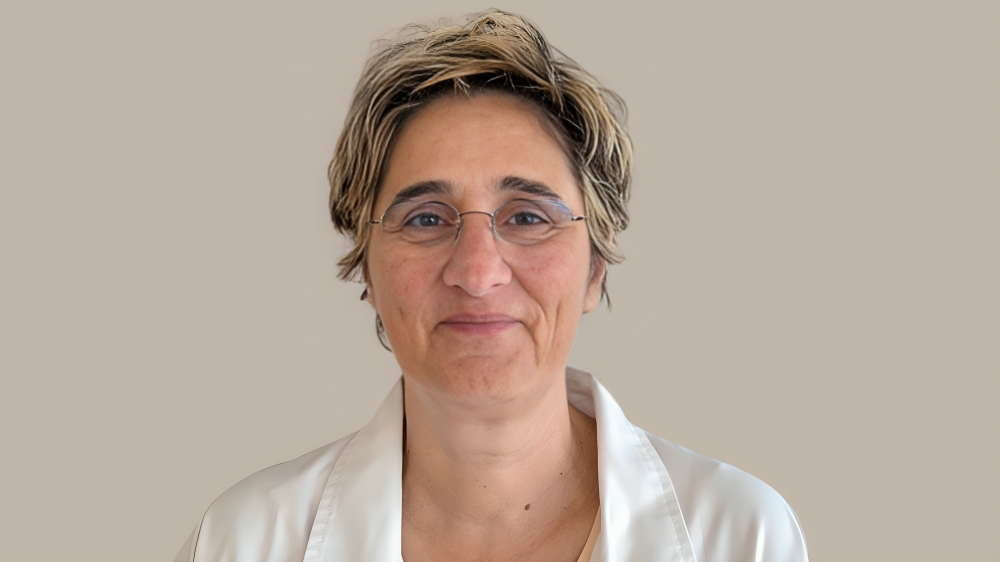
Zacharoula Sidiropoulou, Senior Consultant Breast Surgical Oncologist at Hospital São Francisco Xavier, shared a post on LinkedIn:
“This new Lancet Oncology analysis is a timely reminder that breast cancer is not only a clinical challenge, but also a test of the strength, fairness, and intelligence of our health systems.
In 2023, there were an estimated 2.30 million new breast cancer cases, 764,000 deaths, and 24.1 million DALYs globally. By 2050, this burden is forecast to rise to 3.56 million cases and 1.37 million deaths.
The article shows that where health systems are weaker, patients are more likely to face later diagnosis, poorer access to treatment, and deeper inequalities in outcomes.
For me, this carries an important policy lesson: health policy must remain closely connected to clinical reality.
When we face legal problems, we turn to lawyers. When we design buildings, we trust architects. Yet in health policy, medical doctors are still too often confined to implementing decisions made elsewhere, rather than helping shape them from the outset.
That should change.
Medical doctors should help shape health policy and system design, together with other professionals, because they understand, in practice, where patients are lost, where care is delayed, and where systems fail.
If we want health systems that are more effective, more equitable, and more humane, clinical leadership cannot be secondary. It must be part of the solution from the beginning.”
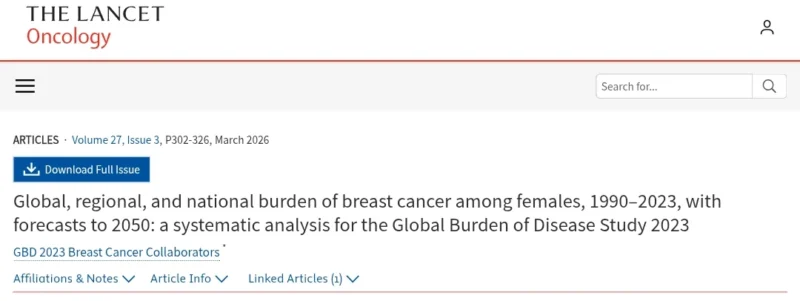
Title: Global, regional, and national burden of breast cancer among females, 1990–2023, with forecasts to 2050: a systematic analysis for the Global Burden of Disease Study 2023
Other articles featuring Zacharoula Sidiropoulou on OncoDaily.