





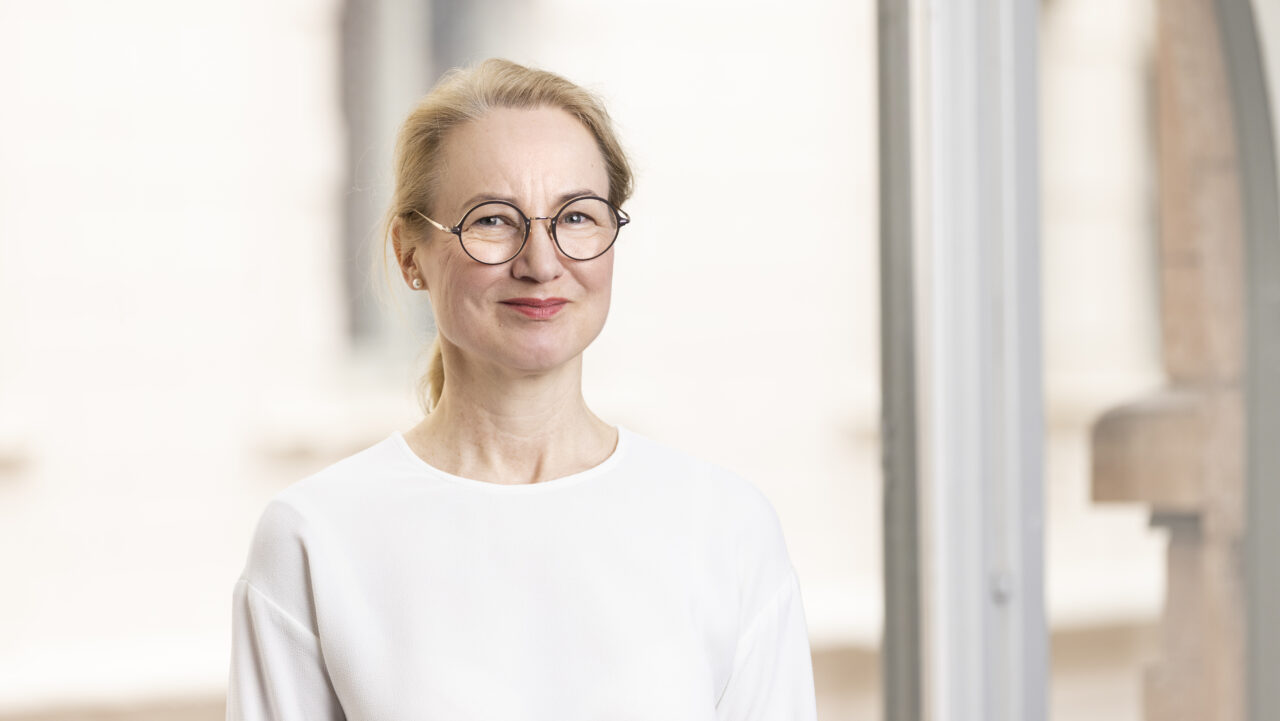
Ulrika Årehed Kågström, President of the Union for International Cancer Control (UICC) and Secretary General of Cancerfonden, shared a post on LinkedIn:
“Sometimes there are questions about why Cancerfonden participate in political processes or work on certain issues. Most recently, it has been about the EU’s ongoing review of the Tobacco Products Directive and our work there.
The answer is simple.
Tobacco use is the single largest modifiable risk factor for cancer. Decisions at EU level have a significant impact on how these products are regulated, marketed and used. Therefore, it is both relevant and necessary that we contribute knowledge to these processes.
To abstain would have been to not take our mission seriously.
The Swedish Cancer Society’s mission is to defeat cancer. In addition to funding research, disseminating knowledge and offering support to those affected and their families, we also work to influence political decisions in areas that are of great importance for the risk of falling ill, detecting and curing cancer.
As part of this work, we, together with other Nordic cancer organizations, have sent a joint letter to the European Commission. In the letter, we highlight the need for a coherent and long-term policy to reduce tobacco-related cancer and emphasize the importance of starting from research when new nicotine products are regulated.
As a research actor, we feel a special responsibility to ensure that political decisions are based on evidence and knowledge that research has helped to generate.
Therefore, the risks of starting from the tobacco industry’s arguments about snus as a way to reduce smoking at the population level and an effective method for smoking cessation are also highlighted. This has no support in research. Basing policy on such claims risks leading to weaker tobacco regulation in Europe and, in the long run, more cases of tobacco-related cancer.
Contributing evidence to decision-making processes that are of great importance for future cancer prevention, so that decision-makers can make informed decisions, is very much part of our mission to defeat cancer.”
Other articles featuring Ulrika Årehed Kågström on OncoDaily.