





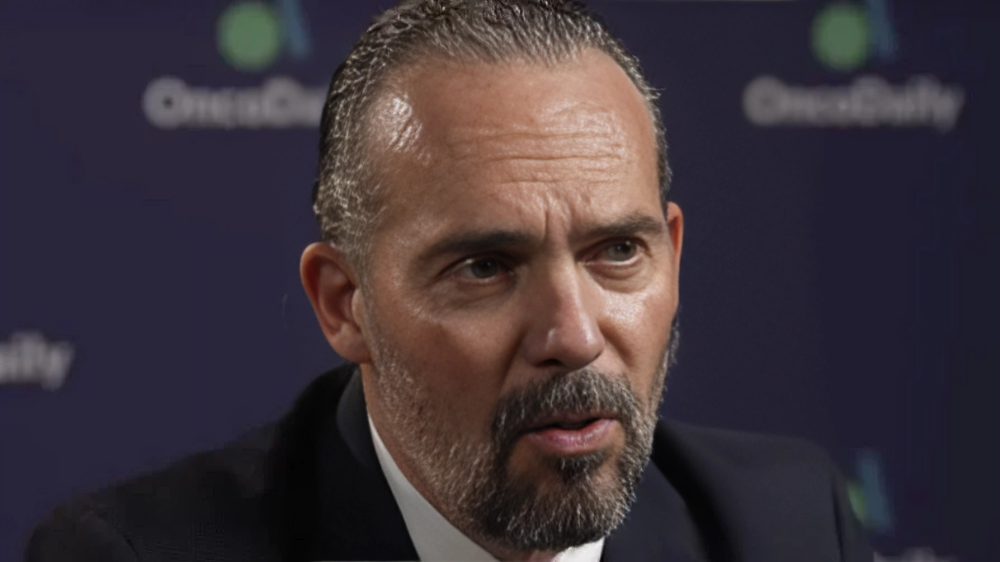
Nelson Dusetti, Head of the Translational Research and Innovative Therapies Department at the Cancer Research Centre of Marseille (CRCM), shared a post on LinkedIn:
“Very happy to share our new resource paper now available in Scientific Data from the Nature portfolio.
In this work, we generated and publicly released one of the largest single-cell transcriptomic datasets of patient-derived pancreatic cancer primary cultures generated from PDAC models. The dataset includes more than 30,000 single cells obtained from 41 patient-derived cultures covering localized, locally advanced and metastatic pancreatic cancers.
What is particularly important for us is not only the technology itself, but the value of the dataset for the community.
These data provide:
- a large-scale resource to study intratumoral heterogeneity in PDAC
- access to transcriptional states at single-cell resolution
- experimentally derived models linked to functional and translational studies
- a framework to benchmark and develop computational tools for single-cell analyses
- a resource spanning multiple clinical stages, including advanced and metastatic disease, which remain underrepresented in many PDAC datasets
The dataset was generated using SPLiT-seq / Evercode technology, allowing scalable and cost-effective profiling across a large cohort of patient-derived models.
Importantly, all data are publicly available at Array Express (E-MTAB-16856) to support the broader pancreatic cancer research community and future collaborative efforts in precision oncology.
Huge thanks to our affiliated institutions CRCM – Centre de Recherche en Cancérologie de Marseille and Institut Paoli-Calmettes, Inserm and Aix-Marseille Université and to all collaborators, clinicians, engineers, students and patients who made this possible.
Special congratulations to Vladimir Chocoloff, Alex Chauvin, and Nicolas Fraunhoffer, for the tremendous amount of work behind this study.”
Other articles featuring Nelson Dusetti.