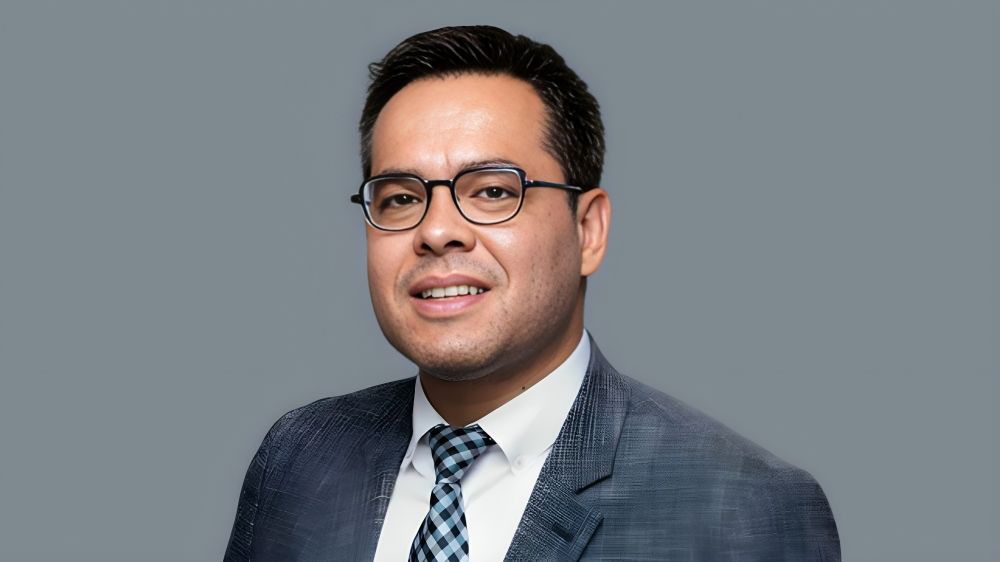
Fabio Ynoe de Moraes, Associate Professor at Queen’s University, Deputy Editor of JCO Global Oncology, shared a post on LinkedIn:
“AI literacy in medicine — key takeaways (Lancet Reg Health Americas 2026)
And this is not about ‘learning AI tools.’
This is about redefining medical competence.
1.The gap is real
- ~90% believe AI will transform medicine
- <15% feel competent using it
Awareness ≠ capability
2. AI literacy = new core skill (like EBM)
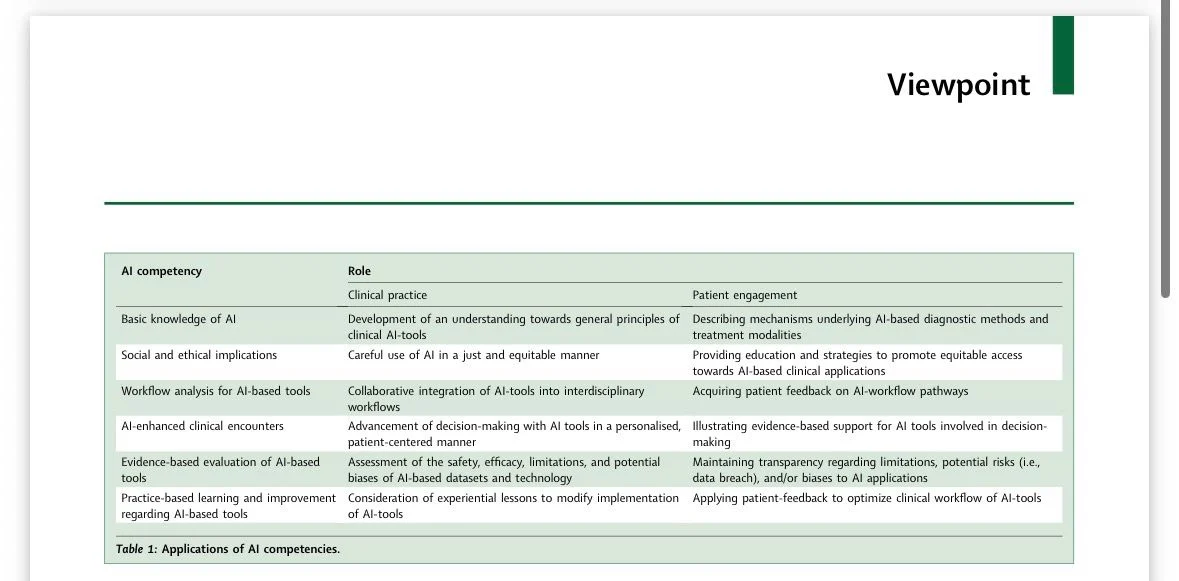
6 essential domains:
- Basic AI knowledge
- Ethics and bias
- Workflow integration
- Clinical decision support
- Critical appraisal
- Continuous learning
If you can’t evaluate AI, you shouldn’t be using it.
3. Biggest risk is NOT AI — it’s misuse
- Bias to amplifies disparities
- Over-reliance to loss of critical thinking
- Poor validation to unsafe decisions
4. LATAM = massive opportunity
Not just behind — structurally different:
- Less infrastructure
- Less regulation
- Less formal training
But can leapfrog with AI-native education
5. What actually works (education)
- Short, practical modules
- Case-based learning
- Workshops > theory
‘Prompting plus uncertainty plus guidelines’ is key
6. Strategic shift
AI education should move from:
Knowledge to to clinical capability
7. Bottom line
AI literacy is becoming:
- A quality-of-care issue
- A patient safety issue
- A health equity issue.”
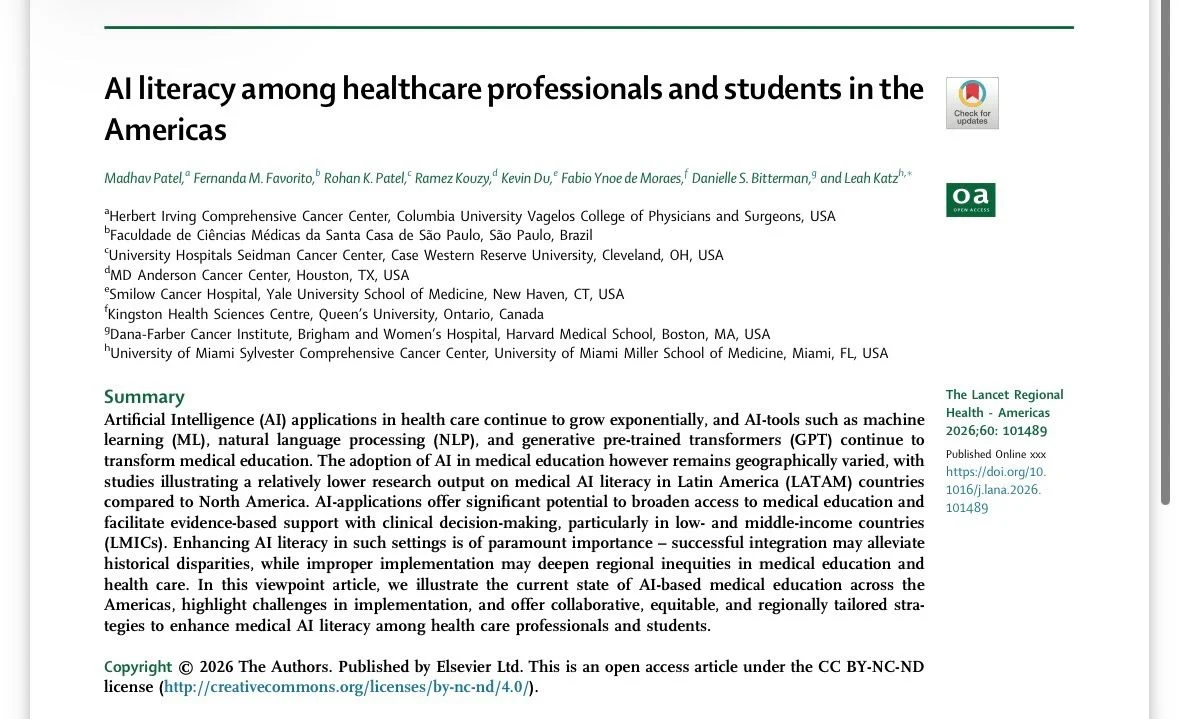
Title: AI literacy among healthcare professionals and students in the Americas
Authors: Madhav Patel, Fernanda Favorito, Rohan Patel, Ramez Kouzy, Kevin Du, Fabio de Moraes, Danielle Bitterman, Leah Katz
Read the Full Article on The Lancet Regional Health – Americas
More posts featuring Fabio Ynoe de Moraes.