





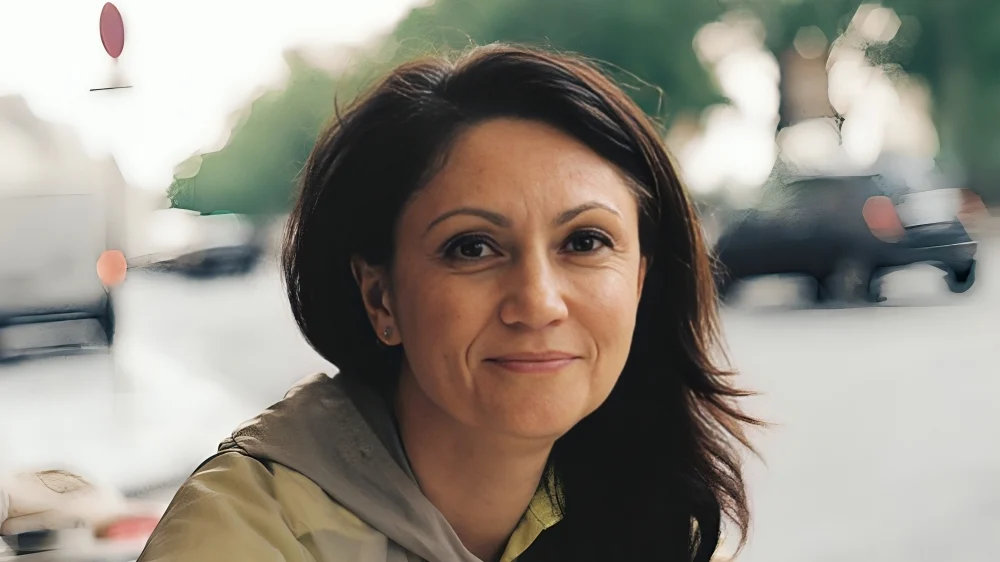
Carmen Uscatu, Co-President and Founder of Give Life, shared a post on LinkedIn։
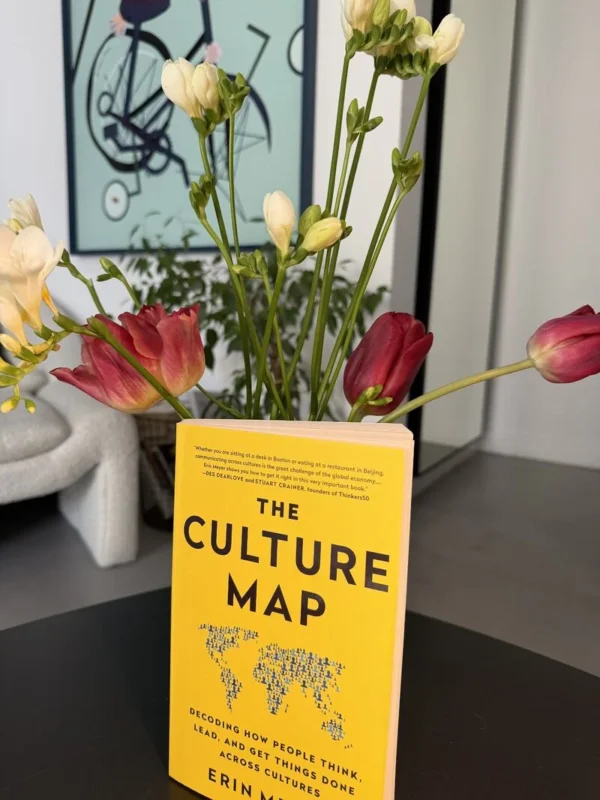
“One of my friends, knowing that I’m involved in the international field of pediatric oncology and that I work with colleagues in the Netherlands (at Prinses Máxima Centrum voor kinderoncologie), the U.S. (at St. Jude Children’s Research Hospital, St. Jude Children’s Research Hospital – ALSAC), and with people from Moldova, Albania, and other European countries, gave me a thoughtful gift: ՛The Culture Map: Decoding How People Think, Lead, and Get Things Done Across Cultures՛ by Erin Meyer.
The book discusses eight scales that map the world’s cultures: communicating, evaluating, persuading, leading, deciding, trusting, disagreeing, and scheduling. Languages and history shape how we communicate. In high‑context cultures, good communication is sophisticated, nuanced, and layered-often implied and read between the lines. In low‑context cultures, good communication is precise, simple, and clear; repetition is appreciated if it helps.
- In the U.S., with great diversity and a shorter shared history, people tend to be very explicit to avoid ambiguity. Many believe you should say what you mean and mean what you say.
- The Netherlands is also generally low‑context: direct, candid, and clear.
For someone from a high‑context culture, this can feel condescending, as if you’re being spoken to like a child. - In Romania, our communication is largely high‑context and less direct; its style has been shaped by our history. Under communism, people could be punished for saying what they meant, so much was implied rather than stated openly. That legacy still shapes how we communicate today.
I was born and lived in Romania․ I speak Romanian. I’ve often had this personal challenge: if you don’t say things explicitly, I don’t understand.
I also speak very directly, and some people here are horrified by this. I struggle when people ՛go around the tail՛/beat around the bush, and I’ve felt frustrated, unable to grasp their message. Reading this book helped me see why: even though I come from a more high‑context environment, I naturally prefer direct, explicit communication. At the same time, living in Romania has trained me to sense when people don’t mean what they say-even if I still have to work to decode what they do mean.”
Other articles featuring Carmen Uscatu on OncoDaily.