
Former South Carolina quarterback Stephen Garcia, who led the Gamecocks to glory under coach Steve Spurrier from 2008 to 2011, stunned fans this week with his Stage 4 colorectal cancer diagnosis at just 38. In a raw social media post and press conference on May 6, 2026, the ex-Gamecocks star revealed months of ignored symptoms left-side abdominal pain and erratic bowel habits starting July 2025 dismissing them as a “tough guy” would, until his wife Maria insisted on tests.

Photo: Depositphotos
An ultrasound, MRI, and colonoscopy uncovered a colon primary with liver metastases, thrusting him into aggressive treatment: four to six chemo cycles starting this week, followed by radiation and potential surgery. Now a father shielding his young kids from the worst, Garcia channels gridiron grit into family focus and a urgent plea: “Get checked if you feel off don’t wait like I did.” His story spotlights rising colorectal cases in young adults, blending resilience with a call to action.
Background and Rise to Fame
Stephen Garcia rose to prominence as South Carolina Gamecocks’ starting quarterback from 2008-2011 under legendary coach Steve Spurrier, posting a 20-14 record with 7,597 passing yards, 47 touchdowns, 41 interceptions, plus 777 rushing yards and 15 scores dual-threat stats that fueled NFL dreams. Projected as a late-round pick or free agent in the 2012 NFL Draft, he went undrafted but trained relentlessly, eyeing pro opportunities.
Post-football, Garcia pivoted to training athletes, channeling his competitive fire into coaching while building a family life with wife Maria and their children in South Carolina. Cancer upended it all: Maria launched a GoFundMe titled “Stephen Garcia’s Fight: Beating Stage 4 Cancer,” raising over $14,000 toward $35,000-$150,000 goals for medical bills, travel, and family support amid his treatment.
The diagnosis sparked a profound mental health shift from the “tough guy” QB skeptical of vulnerability to openly embracing tears over fears for his kids, crediting Maria for pushing past denial.
Diagnosis Timeline
Stephen Garcia’s Stage 4 colorectal cancer journey unfolded over months of subtle warnings, highlighting how symptoms like left-lower abdominal pain and bowel inconsistencies hallmarks of left-sided colon tumors can lurk undetected.
- July 2025: Persistent left-lower abdominal pain and inconsistent bowels emerge, brushed off initially amid his “tough guy” athlete mindset; pain described as dull ache or cramping, worsening post-meals or movements.
- Late April 2026: Wife Maria’s insistence prompts urgent tests ultrasound flags mass, MRI details spread, colonoscopy confirms colon primary with liver metastases (Stage 4); doctors estimate undetected growth for 3-7 years.
- May 6, 2026: Bombshell announcement via social media and press conference, vowing to “beat it” while urging prevention.
This late detection mirrors alarming trends: colorectal cancer incidence in under-50s has risen nearly 3% yearly since 2013 (doubling since 1998), now 1 in 5 diagnoses under 55 and the leading cancer killer in young adults, often advanced at discovery.
Treatment Plan and Challenges
Stephen Garcia faces an aggressive Stage 4 colorectal cancer regimen, starting chemotherapy on Wednesday, May 6, 2026 days before his May 9 press update targeting the colon primary and liver metastases with 4-6 cycles before radiation and surgery consults. Liver and colon specialists will assess resectability post-chemo, aiming to shrink tumors for potential curative intervention in this metastatic setting.
Stage 4 prognosis varies (median survival 2-3 years with modern multimodal therapy), but Garcia exudes optimism: “I’m not dead yet I’m confident I’ll beat this, one day at a time.” Family life strains under it: his older son grasps the gravity, prompting raw vulnerability, while they shield the youngest daughter; wife Maria manages logistics amid surging fan support via GoFundMe.
Challenges mount chemo side effects (fatigue, nausea), emotional toll of young fatherhood disrupted, and balancing athlete training but community rallies bolster resilience.
Personal Reflections and Mental Shift
Stephen Garcia’s cancer diagnosis shattered his “tough guy” facade, forged on South Carolina’s gridirons, transforming a quarterback once skeptical of mental health talks into a man openly weeping over his children’s future. He credits wife Maria’s relentless push past denial for his timely if advanced diagnosis, admitting ignored symptoms stemmed from ingrained stoicism.
Now embracing vulnerability, Garcia shares raw fears: “I broke down thinking about my kids not having their dad,” marking a pivot from suppressing emotions to therapy-like candor amid chemo. Still training athletes when energy allows, he wields his platform for vigilance urging men to ditch machismo, heed symptoms, and prioritize family over pride. This shift mirrors his gridiron resilience, now fueling holistic healing.
Raising Awareness and Community Response
Stephen Garcia leverages his platform with a stark plea:
“Colonoscopies save lives don’t wait like I did; early detection is everything,”
spotlighting how his ignored symptoms led to Stage 4 spread. Fans and fellow athletes have rallied fiercely, pushing his wife Maria’s GoFundMe past $14,000 toward $35K-$150K goals for treatment costs, travel, and family stability.
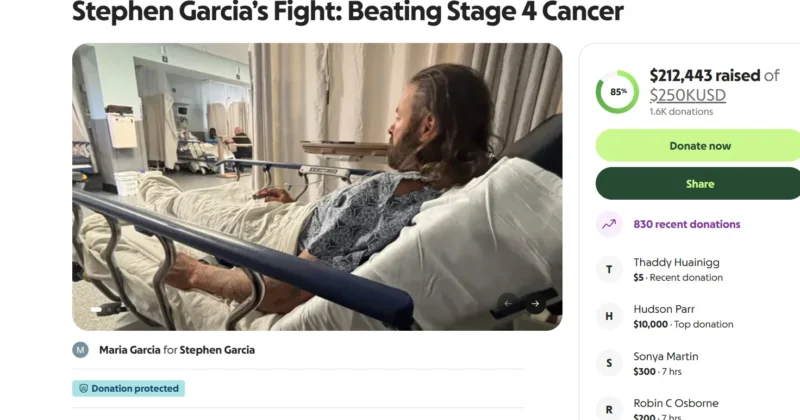
This surge ties directly to colorectal cancer’s alarming rise in young adults and athletes now 1 in 5 under-55 diagnoses, doubling since 1998, often advanced due to dismissed gut symptoms mimicking IBS or training strains. Garcia urges heeding guidelines like USPSTF/NCCN recommendations: routine screenings from age 45 (or earlier with symptoms/family history).
Oncology Insights
Colorectal cancer often masquerades with symptoms mimicking irritable bowel syndrome (IBS), like bloating, cramps, and changes in bowel habits making early detection tricky. Metastases are common, especially to the liver and lungs, but a multimodal approach combining chemotherapy, radiation, and surgery significantly improves outcomes, with 5-year survival rates exceeding 65% for localized cases.
Notably, cases among young adults are rising sharply up 1-2% annually per recent CDC data prompting calls for broader screening. Emerging studies, like those in Gut (2024), highlight vitamin D’s potential role in gut health and colorectal cancer prevention, possibly via anti-inflammatory effects on the microbiome.
Garcia’s unyielding fighter spirit forged on the gridiron shines through his colorectal cancer battle, inspiring us all. Let’s honor it by prioritizing screenings (starting at age 45, or earlier with family history), supporting affected families, and spreading awareness.
Garcia’s battle reminds us: Listen to your body, act early.
You Can Also Read Randy Moss and Bile Duct Cancer: How He Went Against, How He Survived, and More by OncoDaily

Written by Aharon Tsaturyan, MD, Editor at OncoDaily Intelligence Unit
FAQ
What type of cancer does Stephen Garcia have?
Stephen Garcia was diagnosed with stage 4 colorectal cancer, meaning the tumor originated in his colon and has already spread to his liver (metastatic disease). This stage is more challenging to treat than early‑stage colon cancer because the disease is no longer confined to the primary site.
What symptoms did Stephen Garcia ignore?
Garcia first noticed left‑lower abdominal pain and irregular bowel habits in mid‑2025 but chalked them up to minor issues or “tough‑guy” stoicism from his athletic background. Persistent cramping‑like abdominal pain and changing bowel patterns are classic warning signs of colorectal cancer, especially when they last more than a few weeks.
When and how was Stephen Garcia diagnosed?
His wife Maria pushed for tests in late April 2026 after months of worsening symptoms; an ultrasound and MRI followed by a colonoscopy uncovered a colon tumor with liver metastases. Physicians estimate the cancer may have been growing undetected for several years, underscoring how easily symptoms can be mistaken for irritable bowel syndrome or benign GI issues.
What treatment is Stephen Garcia receiving?
Garcia began an aggressive treatment plan centered on chemotherapy in early May 2026, with 4–6 cycles targeting both the colon primary and liver metastases. After chemotherapy, his team plans to reassess with radiation and possible surgery if scans show the tumors have shrunk enough to make resection feasible.
What is the prognosis for stage 4 colorectal cancer?
Median survival for untreated stage 4 colorectal cancer is often measured in months, but modern multimodal therapy (chemotherapy plus targeted agents, sometimes radiation and surgery) can extend survival to several years in selected patients. Survival depends heavily on where the disease has spread, how much response is seen to treatment, and the patient’s overall health and access to advanced care.
Why is colorectal cancer rising in young adults?
Incidence of colorectal cancer in people under 50 has been increasing by about 1–2% per year for more than a decade, with cases essentially doubling since the late 1990s. This rise has led major groups like the USPSTF and CDC to shift screening guidelines to start at age 45 for average‑risk adults.
At what age should I get screened for colorectal cancer?
Most guidelines now recommend colorectal cancer screening starting at age 45 for average‑risk adults, with tests such as colonoscopy, stool‑based tests, or CT colonography. People with family history, genetic syndromes, or inflammatory bowel disease may need to start earlier and screen more frequently, so discussion with a primary‑care clinician or gastroenterologist is essential.
What symptoms should never be ignored in young adults?
Persistent abdominal pain, changes in bowel habits (diarrhea, constipation, or alternating patterns), rectal bleeding, unexplained weight loss, or fatigue that lasts more than a few weeks warrant medical evaluation, even in young, active adults. Garcia’s story illustrates how these symptoms can mimic irritable bowel syndrome or training stress, delaying diagnosis until the cancer is advanced.
How can men and athletes overcome the “tough guy” mindset?
Garcia has openly discussed how his “tough‑guy” athlete mentality led him to ignore early warning signs; he now urges men and athletes to prioritize medical check‑ups over stoicism. Seeking early evaluation not only improves survival odds but also reduces the need for more aggressive, side‑effect‑heavy treatments later on.
Who is Stephen Garcia and why is his cancer story important?
Stephen Garcia is the former South Carolina Gamecocks starting quarterback (2008–2011) under coach Steve Spurrier, known for a 20‑14 record and over 7,500 passing yards. His stage 4 colorectal cancer diagnosis at age 38 has drawn national attention because it highlights how quickly colorectal cancer can advance in fit, relatively young adults who dismiss gut symptoms.