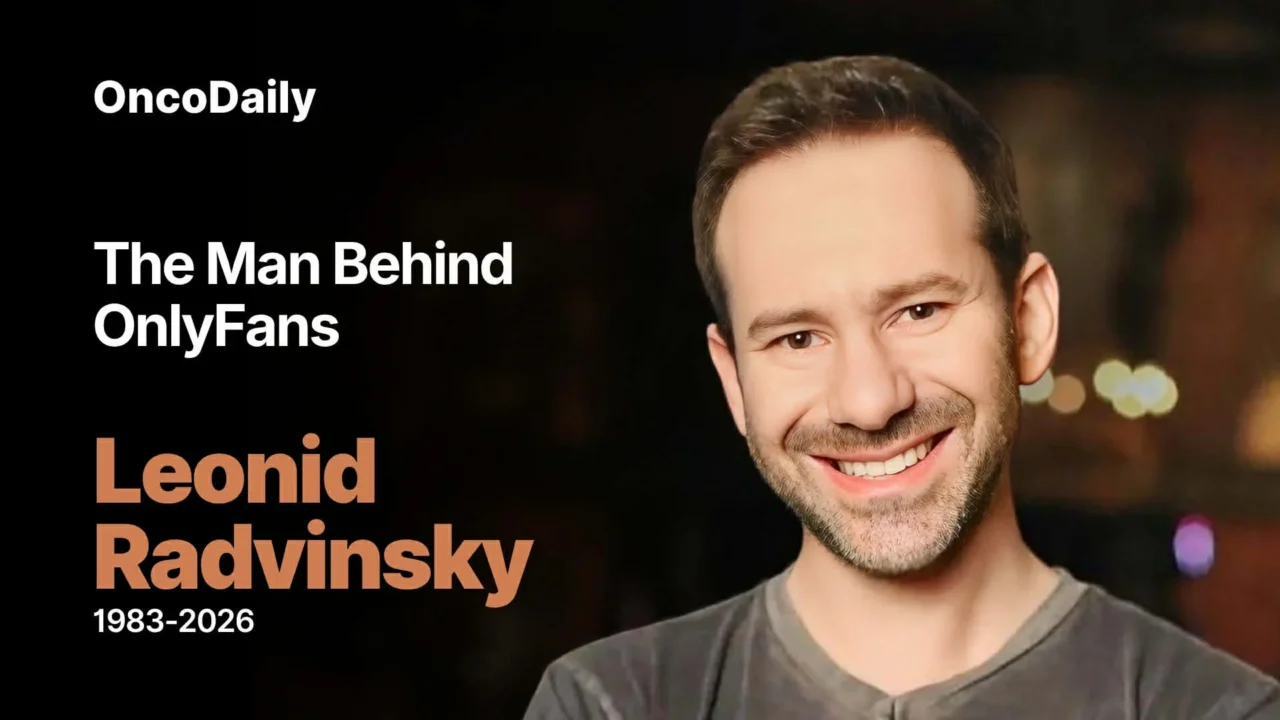
Leonid “Leo” Radvinsky, the reclusive billionaire owner and key driving force behind OnlyFans, has died at the age of 43 after a long battle with cancer, his passing announced on March 23, 2026. The Ukrainian‑American entrepreneur transformed a niche subscription platform into a global billion‑dollar phenomenon that reshaped the creator economy and redefined online content monetization.
Who Was Leonid Radvinsky?
Leonid “Leo” Radvinsky was a Ukrainian‑American entrepreneur and tech‑focused investor who quietly became the billionaire owner behind the adult‑content‑driven subscription platform OnlyFans.
Born in Odesa, Ukraine, in 1982 or 1983, Radvinsky emigrated with his family to Chicago as a child and later graduated from Northwestern University in 2002 with a degree in economics, where he stood out academically and built a foundation in digital‑business models. In his early career he drifted into the adult‑content ecosystem, co‑founding and operating sites that funneled traffic to pay‑per‑view and cam‑girl platforms, culminating in the 2004 launch of MyFreeCams, one of the first large‑scale adult‑streaming sites.
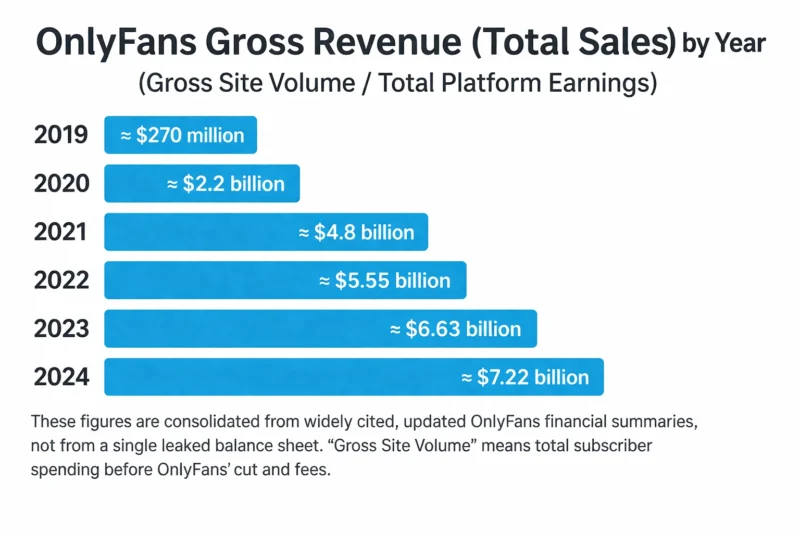
Radvinsky entered the OnlyFans‑era universe in 2018, when he acquired a 75% stake in Fenix International Ltd., the parent company of OnlyFans, from British founder Tim Stokely and his father, Guy Stokely. Under his ownership OnlyFans rapidly pivoted toward explicit, adult‑focused content, swelling into a global platform with tens of millions of users and hundreds of thousands of creators, reshaping how performers monetize their work and turning the service into a billion‑dollar fixture in the creator economy.
The Cancer Diagnosis and Treatment Journey
Leonid Radvinsky’s cancer battle was long and intensely private, with only limited details emerging after his death at age 43 on March 23, 2026. OnlyFans announced that he “passed away peacefully after a long battle with cancer,” but the company and his family did not disclose precisely when he was first diagnosed or the exact type of cancer, beyond acknowledging it was a serious and prolonged illness.
Reports describe his struggle as a “secret and long battle,” suggesting that his diagnosis likely came years before his death, though reliable public sources avoid specific treatment timelines or dates. Some unverified or speculative posts online claim he was treated for prostate cancer with chemotherapy, but reputable outlets emphasize that the details of his treatment such as surgery, chemo, immunotherapy, or experimental regimens have not been officially confirmed.
Throughout his illness, Radvinsky remained largely out of the public eye, never turning his diagnosis into a media campaign or public health narrative, consistent with his lifelong preference for privacy. What is clear is that his cancer journey unfolded behind closed doors, with only excerpts emerging through OnlyFans’ statement and later reporting that he was a significant donor to medical and cancer‑research‑related causes.
Cancer, Wealth, and Access to Care
Leonid Radvinsky’s billionaire status almost certainly gave him a level of access to cancer care that most patients can only imagine. As a multimillion‑dollar donor to institutions such as Memorial Sloan Kettering Cancer Center and other leading medical centers, his wealth would have opened doors to top‑tier oncologists, personalized treatment protocols, and possibly experimental or cutting‑edge therapies, including participation in advanced‑trial pathways that require private funding or institutional connections. His ability to move freely between international clinics and avail private, expedited diagnostics and treatments stands in stark contrast to the financial and logistical barriers many patients face simply trying to access basic screenings or standard chemotherapy.
Globally, millions of people with cancer confront delayed diagnosis, rationed treatments, and out‑of‑pocket costs that push families into debt or force them to forgo care altogether. Radvinsky’s story thus embodies a paradox familiar in oncology circles: the same disease that can bankrupt ordinary households also killed one of the richest men in the tech world, underscoring that no amount of money can guarantee survival, even with the most advanced care available.
At the same time, his philanthropy shows that some of the wealth generated by OnlyFans did flow into cancer‑related causes. Radvinsky donated to the Memorial Sloan Kettering Cancer Center, supported a $23 million cancer‑research grant program announced at a gastrointestinal‑research‑foundation gala, and gave to broader medical‑research initiatives, including ultra‑rare disease work via the EB Research Partnership. In 2022 he also contributed $5 million to Ukraine relief, demonstrating that his charitable focus extended beyond oncology, though his support for flagship cancer centers remains a clear marker of at least partial alignment with the cause whose treatment he ultimately underwent.
Legacy and Public Memory
In the days after his death, media portrayals of Leonid Radvinsky have split sharply between framing him as a tech‑platform visionary and a controversial kingpin of the online adult‑content industry. Tech‑ and business‑focused outlets highlight how he built a billion‑dollar subscription‑content empire that reshaped the creator economy, while more mainstream or cultural outlets emphasize OnlyFans’ role in normalizing and monetizing explicit material, often tying his image to debates about sex work, exploitation, and platform responsibility.
His cancer battle adds a humanizing layer to this polarized narrative: coverage underscoring that he died “after a long battle with cancer” has softened the tone around his death, shifting some of the focus from his business to his person the reclusive billionaire who ultimately faced the same disease that affects millions of ordinary patients. Images of him as a husband, father, and philanthropist, alongside the grim reality of his illness, make him more than just a caricature in the “OnlyFans billionaire” meme‑cycle.
Long‑term, his passing may push OnlyFans’ leadership to refine its ethics and safety policies, especially around sex work, underage content risks, and financial‑exploitation claims, under pressure from creators, regulators, and the public. Analysts suggest his death could accelerate a gradual shift toward more diversified content (fitness, wellness, music, etc.) and stronger platform‑governance frameworks, potentially turning OnlyFans into a somewhat “cleaner” brand while still carrying the legacy of a creator‑platform that Radvinsky built—and that was shaped as much by controversy as by innovation.
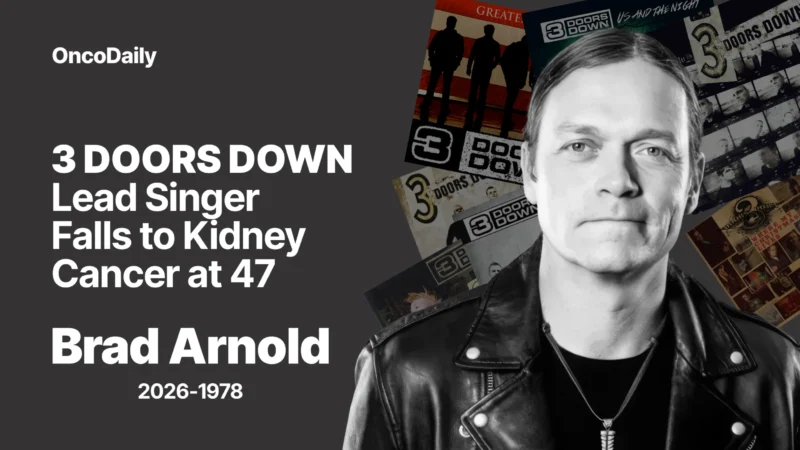
You Can Also Read 3 Doors Down Rockman Brad Arnold Dies Following Fight with Metastatic Kidney Cancer by OncoDaily
Written by Aharon Tsaturyan, MD, Editor at OncoDaily Intelligence Unit
FAQ
How did Leonid Radvinsky die?
Leonid “Leo” Radvinsky died at age 43 on March 23, 2026, after a long battle with cancer. OnlyFans confirmed that he passed away peacefully, though the company and family did not disclose the exact type of cancer or detailed treatment timeline.
What was Leonid Radvinsky’s connection to OnlyFans?
Radvinsky was the billionaire majority owner of OnlyFans, acquiring about 75% of Fenix International Ltd., the platform’s parent company, in 2018. Under his ownership OnlyFans pivoted toward explicit, adult‑focused content and grew into a global, billion‑dollar subscription‑creator platform.
Did Leonid Radvinsky’s wealth give him special cancer treatment?
As a billionaire and major donor to institutions such as Memorial Sloan Kettering Cancer Center, Radvinsky very likely had access to top‑tier oncologists, advanced treatments, and possibly experimental therapies that most patients cannot afford. This highlights the stark contrast between his care and the financial barriers faced by many cancer patients worldwide.
Was the type of cancer Leonid Radvinsky had ever revealed?
Official sources have not confirmed the specific type of cancer Leonid Radvinsky battled. While some online posts speculate it was prostate cancer, reputable outlets stress that there is no verified public confirmation of the cancer type or the exact treatment regimen (such as surgery, chemotherapy, or immunotherapy).
How did cancer shape public perception of Leonid Radvinsky?
His cancer battle added a humanizing layer to his image as a controversial tech‑billionaire. Coverage emphasizing that he died after a long fight with cancer shifted part of the narrative from “OnlyFans mogul” to a husband, father, and philanthropist facing the same disease encountered by millions of ordinary people.
Did Leonid Radvinsky donate to cancer research or medical causes?
Yes Radvinsky donated to flagship cancer centers such as Memorial Sloan Kettering, supported a $23 million cancer‑research grant program through a gastrointestinal‑research foundation, and contributed to broader medical‑research initiatives, including rare‑disease work via the EB Research Partnership. In 2022 he also gave $5 million to Ukraine relief, showing a wider philanthropic scope beyond oncology.
What might change for OnlyFans after his death?
Analysts suggest his passing could push OnlyFans’ leadership to tighten ethics and safety policies around sex work, underage‑content risks, and financial exploitation, while also accelerating a shift toward more diversified, non‑adult content. In the long term, OnlyFans may evolve into a “cleaner”‑branded platform, still carrying the legacy of a creator economy he helped reshape.