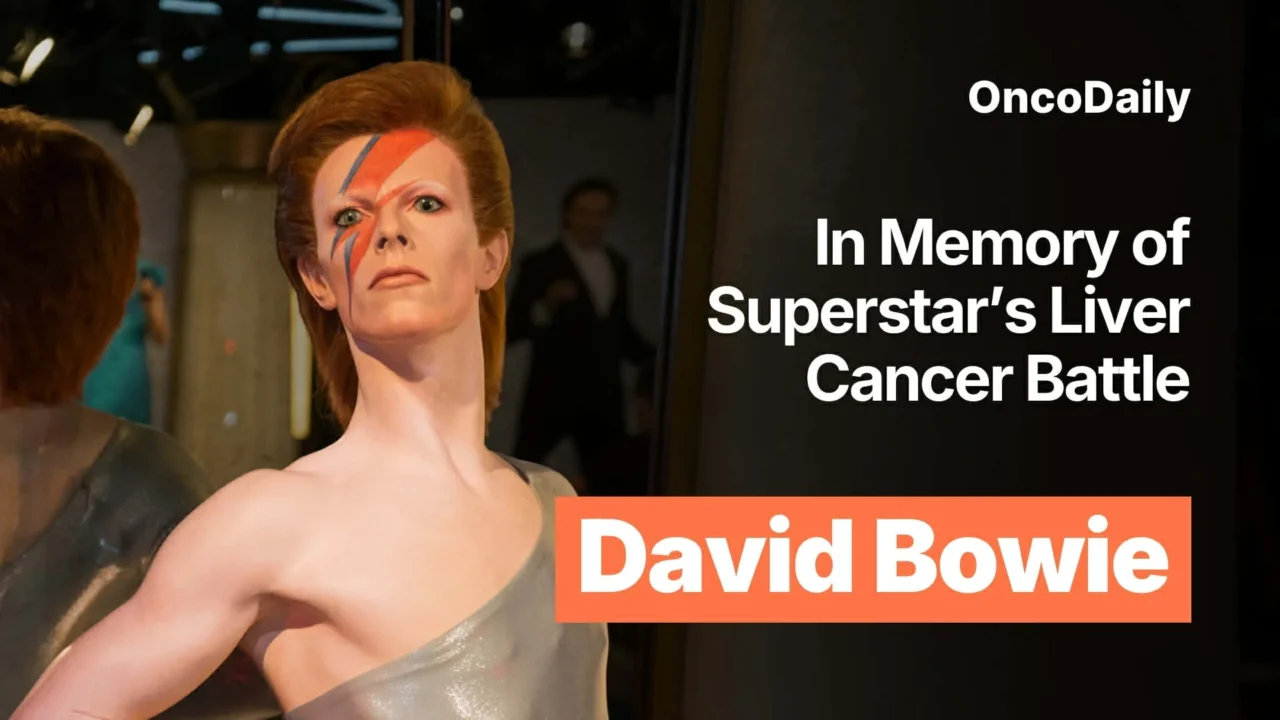
David Bowie was more than a musical revolutionary, he was an artist who treated his final chapter with the same avant-garde creativity that defined his entire career. On January 10, 2016, just one day after his 69th birthday, the world learned that the icon had died from liver cancer, a diagnosis he had kept entirely private until his passing. This secrecy created a profound irony: while the world mourned his death, the vast majority of his fanbase and the public were unaware he was even sick. This article explores how Bowie’s secret battle with liver cancer intersected with his final, critically acclaimed work, cementing his legacy as an artist who turned his final days into his most profound statement.
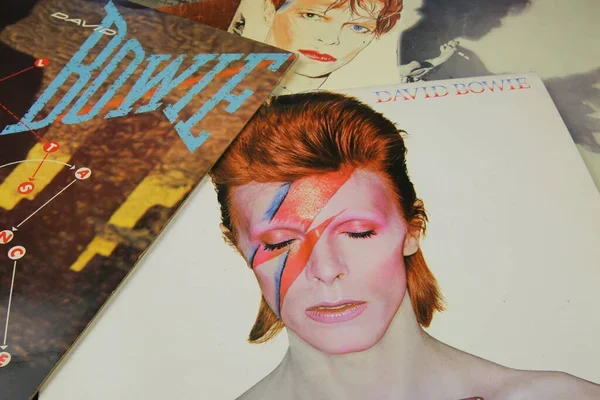
Photo: Depositphotos
The Hidden Battle: A Private War with Cancer
David Bowie’s battle with cancer was a private war fought largely in silence. He was diagnosed with liver cancer in 2014, but he chose to keep this information entirely confidential. Paradoxically, while he was working on his final album, he was told in November 2015 that the cancer was inoperable and terminal, leaving him with only a few months to live. This timeline meant that while the world was still seeing him as a vibrant, active performer, he was already fighting a fatal battle.
The Decision for Privacy: A Solitary Burden
Bowie’s choice to keep his illness private was a deliberate act of agency. He shared the burden only with his closest inner circle, including his wife, Iman, and their children, ensuring that the public spectacle of his death was not a spectacle at all. This decision allowed him to maintain his artistic autonomy, preventing the “sick icon” narrative from overshadowing his final creative output. He refused to let his illness become a public spectacle or a source of pity, choosing instead to direct his energy toward his art.
The Final Masterpiece
Rather than succumbing to the diagnosis, Bowie channeled his experience into his art, creating the album Blackstar and the stage play Lazarus. The song “Lazarus” and its accompanying music video served as a direct, haunting reference to his impending death. The video, featuring Bowie in a hospital bed, was a deliberate and powerful statement: he was not just dying; illed a final, curated farewell. The lyrics of “Lazarus” (“Look over here, I’m a Lazarus”) and the video’s imagery were not just artistic choices; They were a direct reflection of his desire to be remembered on his own terms, transforming his terminal diagnosis into his most profound artistic statement.
The album was released on January 8, 2016, coinciding with Bowie’s 69th birthday, just two days before his death. This timing was not coincidental but a calculated move to ensure his final artistic statement reached the world while he was still alive to witness the reaction. By releasing the album on his birthday, Bowie turned his own birthday into a final, powerful gift to his fans, ensuring his final work would be the last thing he gave to the world.
A Legacy Beyond the Diagnosis: By The Numbers
David Bowie’s career spanned 5 decades and 25 studio albums, yet Blackstar would become his most commercially successful and critically acclaimed work. Before his death, Bowie had already sold over 100 million records worldwide across his career. His discography includes 26 number-one albums in the UK and 1 (his first) number-one album in the US with Blackstar. His ability to reinvent himself—from the 1970s Ziggy Stardust persona to the experimental electronic phases of the 80s and 90s kept him relevant for over 50 years.

Photo: Depositphotos
The world was shocked by his death precisely because of the secrecy that surrounded his final days. The announcement of his passing led to a global outpouring of grief. Blackstar debuted at No. 1 on the US Billboard 200 and the UK Albums Chart, selling 181,000 equivalent album units in its first week in the US alone, with 174,000 of those being pure sales. In the UK, it sold 146,000 copies in its first week, making it his 10th number-one album there. By 2016, Blackstar had sold 1.9 million copies worldwide, ranking as the 5th best-selling album globally for that year.
Bowie’s approach to his own mortality was, like his music, intentional and creative. His final album, Blackstar, was released on his 69th birthday, January 8, 2016, just 2 days before his death. This timing was a deliberate artistic choice. His final act was not one of defeat, but of a masterful artist crafting his own legacy to the very end, turning his death into a final, curated artistic act. This approach ensured his legacy would be defined by his art, not his illness, with Blackstar earning 2 Grammy Awards from 5 nominations, cementing his status as a final, powerful statement from an artist who knew his time was up.
You Can Also Read George Harrison Cancer Battle: A Beatles Legend’s Struggle with Throat and Lung Cancer by OncoDaily

Liver Cancer Survival Rates
Survival rates for liver cancer vary significantly based on the stage at diagnosis and the presence of underlying liver disease like cirrhosis. According to the American Cancer Society, the overall 5-year relative survival rate for liver and intrahepatic bile duct cancer is approximately 22%.
Survival by Stage (SEER Data 2015–2021)
The most critical factor in prognosis is the extent of the disease at diagnosis. For tumors confined to the liver (Localized), the 5-year survival rate is 37.6%. If the cancer has spread to nearby lymph nodes (Regional), the rate drops to 13.2%. For distant (metastatic) disease, the 5-year survival rate is only 3.5%.
Early detection is crucial; patients with small, resectable tumors who undergo surgery or liver transplant can see 5-year survival rates exceeding 75-90%. While advanced disease was once considered nearly untreatable, new immunotherapy and targeted therapies have improved outcomes, with some patients with advanced disease now achieving 5-year survival rates of 15–20%.
How to Prevent Liver Cancer
Based on current medical guidelines from organizations like the American Cancer Society (ACS), the National Cancer Institute (NCI), and the American Association for the Study of Liver Diseases (AASLD), here are the concrete, professional strategies for preventing liver cancer (specifically hepatocellular carcinoma):
Vaccination Against Hepatitis B
The most effective preventive measure is vaccination against the Hepatitis B virus (HBV). The HBV vaccine is highly effective, preventing over 95% of infections when the full series is completed. Universal vaccination of newborns and catch-up vaccination for at-risk adults are standard recommendations.
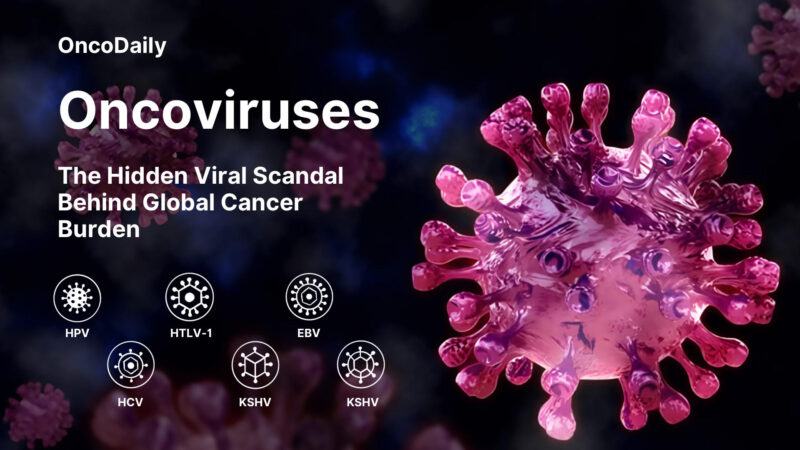
You Can Also Read Oncoviruses and Their Role in Human Cancer: Types, and Global Impact by OncoDaily
Screening and Treating Hepatitis C
Unlike Hepatitis B, Hepatitis C (HCV) is now curable with short, well-tolerated antiviral treatments. Preventive strategy includes:
Testing individuals with risk factors (e.g., born between 1945–1965, history of IV drug use). Using Direct-Acting Antivirals (DAAs) to cure HCV, which significantly reduces the risk of cirrosis and subsequent liver cancer.
Limiting Alcohol and Avoiding Carcinogens
Strictly limiting or avoiding alcohol consumption is strongly recommended, as alcohol is a direct cause of liver damage and cirrhosis, which are significant risk factors for liver cancer. In addition to alcohol, exposure to aflatoxins represents a major risk factor in certain regions. These are toxins produced by molds that can contaminate crops like grains and nuts; therefore, proper storage of these foods is essential to minimize exposure.
Lifestyle Modifications
Beyond diet and alcohol, smoking cessation is critical, as smoking acts as a cofactor that can significantly increase the risk of liver cancer, particularly in individuals who already have underlying liver disease. Furthermore, for high-risk individuals, such as those with chronic hepatitis or cirrhosis, regular monitoring is vital. Medical guidelines recommend that these patients undergo surveillance every six months, utilizing tools like abdominal ultrasound and alpha-fetoprotein (AFP) testing, to detect any early signs of cancer when it is most treatable.
Written by Aharon Tsaturyan, MD, Editor at OncoDaily Intelligence Unit
FAQ
Did David Bowie die of liver cancer?
Yes, David Bowie died of liver cancer. His friend and collaborator Ivo van Hove confirmed that the singer had been diagnosed with liver cancer and that the disease had spread throughout his body by late 2015.
When was David Bowie diagnosed with liver cancer?
Bowie was diagnosed with liver cancer in mid-2014, but he kept the diagnosis completely private, sharing it only with his family and close collaborators.
How long did David Bowie battle cancer?
While diagnosed in mid-2014, Bowie continued working until just before his death. He was told in November 2015 that the cancer was inoperable and terminal, giving him only a few months to live.
Did David Bowie's album Blackstar relate to his illness?
Yes. Blackstar was released on his 69th birthday, January 8, 2016, just two days before his death. The album and the stage play Lazarus are widely interpreted as his final artistic statements on mortality and legacy.
What are the survival rates for the type of liver cancer David Bowie had?
Survival rates vary by stage. For localized liver cancer, the 5-year survival rate is about 37.6%, but for distant (metastatic) disease, it drops to 3.5%. Bowie’s case was terminal, indicating advanced disease.
What are the first signs of liver cancer?
Early liver cancer often has no symptoms. As it progresses, symptoms may include weight loss, loss of appetite, abdominal pain, nausea, and jaundice. This is why regular screening is vital for high-risk individuals.
How did David Bowie’s family react to his diagnosis?
His wife, Iman, and children were among the few who knew about his condition. His family has since spoken about his privacy and his desire to keep his battle private.
Did David Bowie receive treatment for his cancer?
While specifics were never confirmed by his family, reports indicate he received experimental treatments up until the end. He was known to be very private about his medical care.
Why is David Bowie’s final album considered a masterpiece?
Blackstar is considered a masterpiece because it was a deliberate, curated farewell. The lyrics and visuals are rich with symbolism about death and legacy, transforming his terminal diagnosis into a profound artistic statement.
What did David Bowie's daughter Lexi Jones recently reveal about her teenage struggles?
Lexi Jones shared in February 2026 that at age 14 (around 2014, coinciding with her father's secret liver cancer diagnosis), she battled depression, an eating disorder, substance abuse, and self-harm. She described being "forcibly taken" from home by two men to a 91-day wilderness therapy program in Utah, where she learned survival skills outdoors.
Does Lexi Jones blame her parents for sending her to treatment, and was she there when Bowie died?
No, Lexi clarified on February 26, 2026, that she does not blame her parents or family—they were trying to help. She was still in residential treatment (after 91 days in wilderness therapy) when Bowie died on January 10, 2016; she spoke to him two days earlier on his birthday.