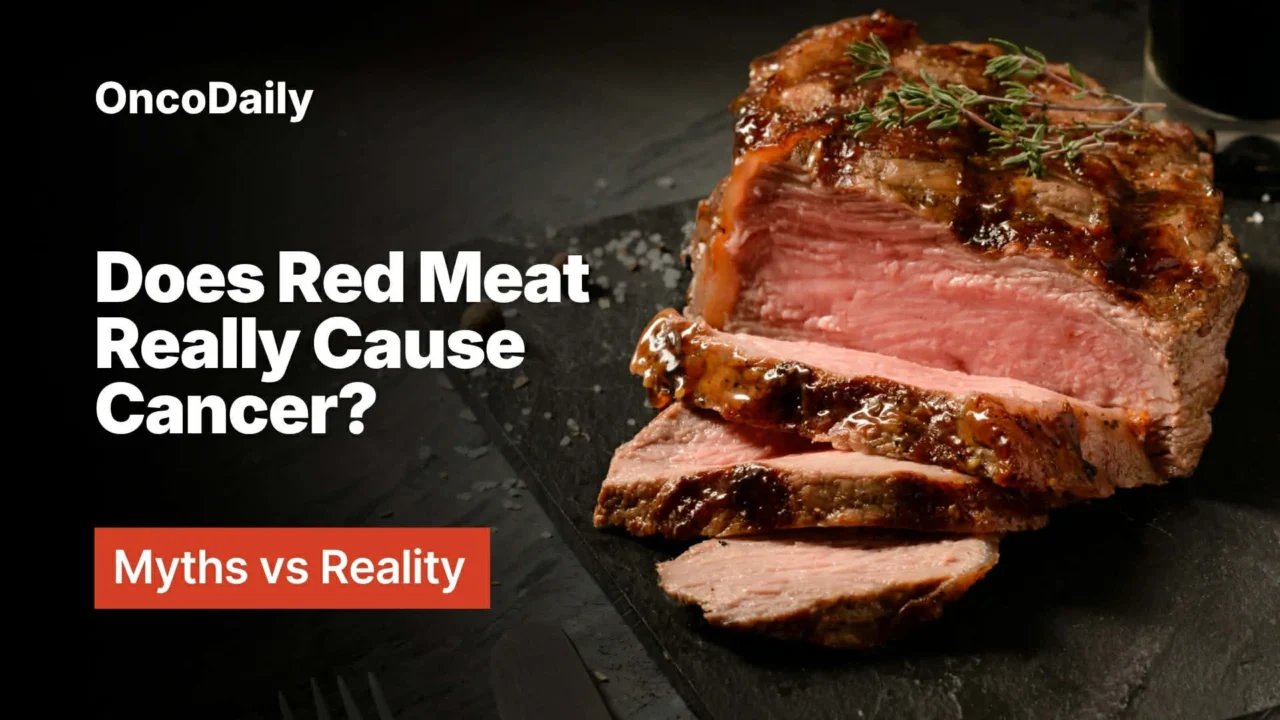
Red meat refers to muscle meat from mammalian animals such as beef, pork, lamb, goat, and sometimes veal. In contrast, processed meat includes any meat that has been transformed through salting, curing, fermentation, smoking, or other preservation methods, such as sausages, bacon, ham, hot dogs, salami, and many deli meats. These products often contain added nitrates, nitrites, salt, and other preservatives, which influence how they are evaluated in cancer‑risk studies.
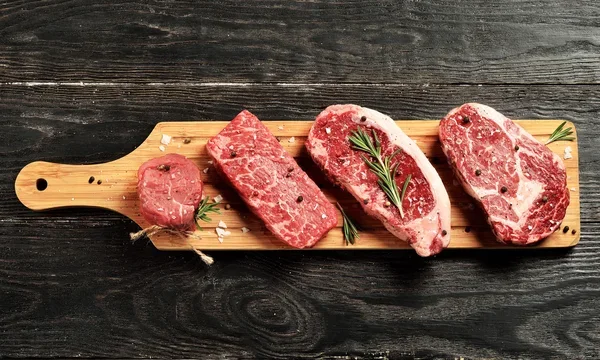
Photo: Depositphotos
The World Health Organization’s International Agency for Research on Cancer (WHO/IARC) classifies processed meat as “carcinogenic to humans” (Group 1), based on sufficient evidence linking it to colorectal cancer, particularly when consumed regularly in large amounts. Red meat, by comparison, is classified as “probably carcinogenic to humans” (Group 2A), meaning there is limited evidence of carcinogenicity in humans but strong mechanistic and animal‑study support. These classifications reflect the strength of the scientific evidence, not the absolute size of the risk, and they form the backbone of current dietary guidance on red and processed meat intake.
What the Latest Evidence Shows (≤5 years)
Over the past five years, large‑scale meta‑analyses and umbrella reviews have strengthened, rather than overturned, the view that high and frequent red and processed meat intake is linked to higher cancer risk but the associations are modest and strongly dose‑ and context‑dependent.
Colorectal Cancer Risk
A 2025 meta‑analysis pooling 60 prospective cohort and case‑control studies found that high consumption of red and processed meat is significantly associated with increased risk of colorectal, colon, and rectal cancers. Specifically, the analysis reported hazard ratios around 1.15–1.22 for colorectal or colon cancer with the highest versus lowest intake levels, and similar elevations for rectal cancer, indicating about a 15–20% higher relative risk in heavy consumers. Zoltan Ungvari , GeroScience, Meta Analysis 2025 Apr
These figures align with and extend the classic IARC‑derived estimate that roughly every additional 50 g per day of processed meat is associated with about an 18% higher relative risk of colorectal cancer. It is crucial to emphasize that this is a relative risk increase; for most individuals, the absolute lifetime risk of colorectal cancer remains modest, especially when other risk factors (such as overweight, smoking, and low‑fiber diet) are controlled. Several recent overviews also note that the association appears particularly pronounced in certain regions, including parts of Asia, where traditional diets are shifting toward higher meat and lower‑fiber intakes. Xiaoyun Ding et. al, Front Public Health . 2025 May
Gastrointestinal and Hormone‑Related Cancers
Beyond the colon and rectum, newer umbrella‑style evidence suggests broader but more heterogeneous links between red and processed meat and other cancers. A 2024–2025 umbrella‑review protocol and supporting meta‑analytic work in PLOS One illustrate that high red‑meat intake is consistently associated with elevated risks of esophageal, pancreatic, liver, colon, and rectal cancers, while processed meat shows similar patterns for pancreatic and colorectal cancers. These associations are generally modest (often in the 10–30% relative‑risk range), but they persist across multiple studies and geographic settings after adjustment for confounders such as body mass index, alcohol, and smoking. Maryam S Farvid et. al. Meta-Analysis Eur J Epidemiol . 2021 Sep.
For hormone‑related cancers, the picture is less settled. A 2021–2025 body of evidence, including a large meta‑analysis, links high red‑meat intake with slightly increased breast‑cancer risk, with some estimates suggesting that an additional 100 g of red meat per day is associated with roughly 11–51% higher relative risk in certain subgroups. A 2025 global‑burden‑of‑disease‑style analysis further highlights that rising red‑meat consumption contributes to an increasing burden of breast‑cancer mortality and disability, particularly among women in low‑ and middle‑socioeconomic environments. However, other studies report inconsistent results, and methodological differences (dietary assessment, follow‑up duration, population characteristics) mean that the hormone‑related‑cancer evidence is still considered suggestive rather than definitive. Ying Li et al., PLoS One. 2025 Mar.
Biologic Plausibility: How Red Meat May Contribute to Cancer Risk
The epidemiologic links between red and processed meat and cancer are supported by several well‑studied biological mechanisms. Red meat is rich in heme iron, which can promote oxidative stress in the gut and stimulate the formation of N‑nitroso compounds (NOCs) in the colon; these compounds are mutagenic and have been shown to promote tumor formation in experimental models. In processed meats, added nitrites and nitrates further enhance NOC formation, providing one reason why processed meat is classified more strongly (Group 1) than unprocessed red meat (Group 2A).
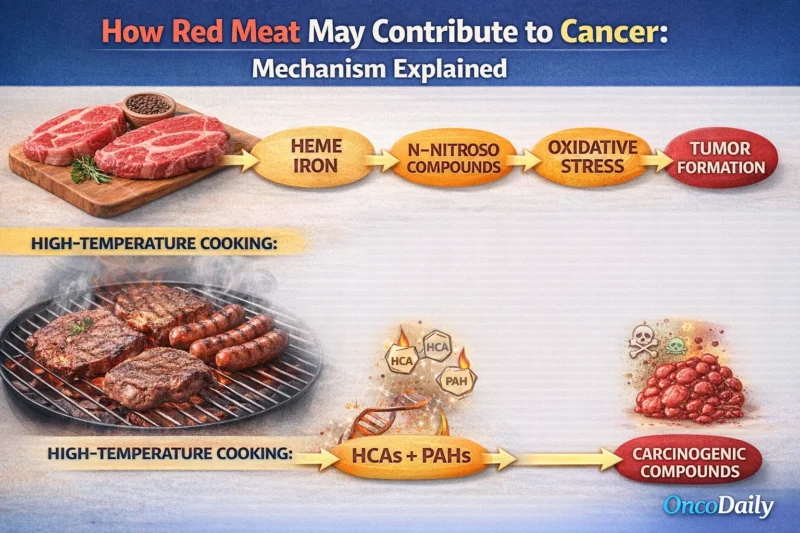
Cooking red and processed meat at high temperatures such as grilling, frying, or barbecuing generates heterocyclic amines (HCAs) and polycyclic aromatic hydrocarbons (PAHs), both of which are known or suspected carcinogens that can damage DNA and promote carcinogenesis in animal models. These compounds have been shown to increase oxidative stress, induce DNA adducts, and activate signaling pathways involved in inflammation and cell proliferation, all of which are hallmarks of cancer development. While this mechanistic evidence is compelling, it is important to stress that biological plausibility alone does not prove causality in humans; the totality of evidence from large prospective cohorts, meta‑analyses, and global burden‑of‑disease studies is what underpins current public‑health recommendations rather than mechanisms alone.
How Major Organizations Frame This (Official Guidance)
Global cancer and public health organizations have taken a consistent position on red and processed meat consumption: while these foods are not prohibited outright, leading authorities including the World Health Organization, International Agency for Research on Cancer, and American Cancer Society recognize them as modifiable dietary risk factors linked to increased cancer risk, particularly colorectal cancer, and recommend limiting intake as part of a cancer-prevention lifestyle.
WHO / IARC Classification
The World Health Organization’s International Agency for Research on Cancer (IARC) continues to classify processed meat as “carcinogenic to humans” (Group 1), based on sufficient epidemiologic evidence that its consumption causes colorectal cancer. This label reflects the strength of the evidence, not the absolute risk size; IARC still estimates that each additional 50 g per day of processed meat is associated with about an 18% higher relative risk of colorectal cancer.
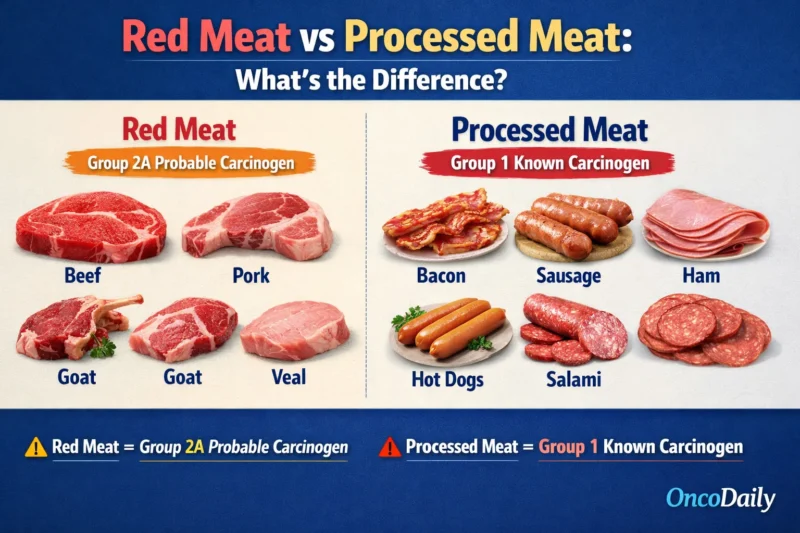
Red meat, in contrast, is classified as “probably carcinogenic to humans” (Group 2A), meaning there is limited evidence in humans but strong mechanistic and animal‑study support for a potential role in colorectal and some other cancers. These classifications underpin much of the cautious messaging from cancer and nutrition bodies worldwide.
American Cancer Society (ACS) Guidance
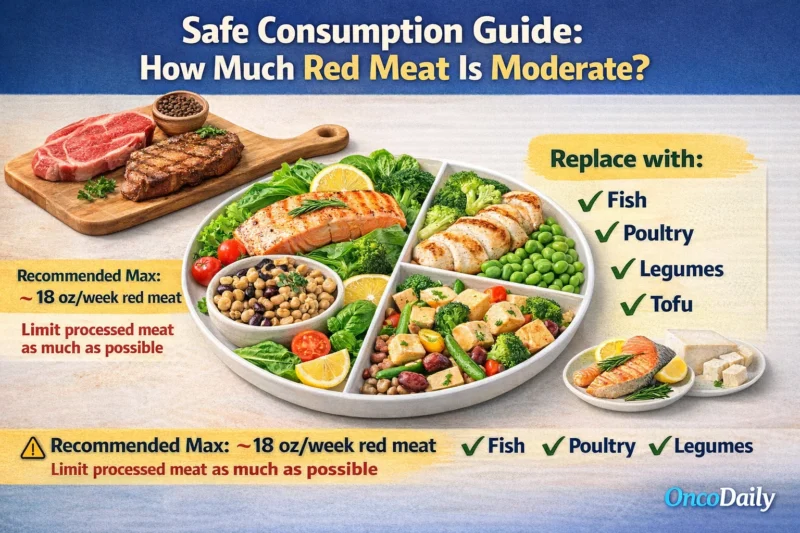
The American Cancer Society reinforces these findings in its lifestyle and dietary‑risk‑reduction guidance, stating that diets high in red and processed meat are associated with higher colorectal‑cancer risk and may also increase the risk of breast, pancreatic, prostate, and stomach cancers, though the evidence for some of these is less consistent. ACS and partner organizations such as the American Institute for Cancer Research (AICR) recommend limiting processed meat consumption and keeping red‑meat intake moderate typically no more than about 18 ounces (roughly 3–4 servings) of red meat per week—to help reduce cancer risk. They also advise choosing lean cuts, minimizing high‑temperature cooking (e.g., grilling and frying), and replacing some red meat with fish, poultry, legumes, and plant‑based proteins.
NCCN‑Aligned and National Cancer‑Prevention Guidelines
While NCCN does not issue nutrition‑specific “red meat” guidelines as a standalone document, its broader cancer‑prevention and survivorship frameworks align closely with ACS and AICR messaging by emphasizing a diet rich in vegetables, fruits, whole grains, and plant‑based proteins, while discouraging high intake of processed and red meats. Several national and regional bodies echo this: for example, Cancer Council Australia advises cutting out processed meats altogether or keeping them to an absolute minimum, and limiting lean red meat to no more than about one serve per day or 3–4 serves per week.
Similarly, the World Cancer Research Fund (WCRF) explicitly recommends eating little, if any, processed meat and only moderate amounts of red meat as part of its broader cancer‑prevention strategy, citing the colorectal‑cancer data and mechanistic evidence on heme iron and N‑nitroso compounds. Together, these authorities treat red and especially processed meat as modifiable risk factors that should be moderated within an overall plant‑rich, energy‑balanced diet rather than labeled as harmless or universally forbidden.
Quantifying Red Meat Cancer Risk: Absolute vs. Relative Risk Explained
Public‑health headlines often focus on “15–20% higher risk” of colorectal cancer with each additional 50 g of processed meat per day, but this is a relative risk increase, not the absolute probability that someone will develop cancer. For most people with a generally healthy lifestyle maintaining a normal weight, not smoking, limiting alcohol, and eating a fiber‑rich diet this elevated relative risk translates into only a small rise in absolute lifetime risk; in other words, the baseline risk may move from, for example, about 4–5% to roughly 5–6%, rather than becoming inevitable.
The situation changes for heavy consumers, such as those who eat processed meats daily (e.g., sausages, bacon, deli meats) and pair them with diets low in vegetables, fruits, and whole grains. In these subgroups, the combination of large, frequent meat intake and other risk factors can substantially amplify cumulative risk over decades, which is why guidance targets heavy users and people already at higher risk (e.g., those with a family history of colorectal cancer or a history of polyps). For them, cutting back on processed meat and improving overall diet quality can meaningfully shift the balance toward lower cancer risk without requiring complete elimination.
You Can Also Read Spicy Food and GI Cancer Risk: Myths, Facts, and Evidence From Large Cohort Studies (2019–2025) by OncoDaily
“Red Meat = Tobacco?”
No. While the International Agency for Research on Cancer (IARC) classifies processed meat in the same Group 1 (“carcinogenic to humans”) as tobacco, this reflects the strength of the evidence, not the size of the risk. Smoking dramatically multiplies absolute cancer risk, whereas processed meat modestly elevates relative risk only when consumed frequently and in large amounts.
“White Meat and Fish are Protective?”
Observational data do not show that white meat or fish “prevent” cancer outright, but they tend to be neutral or modestly protective for colorectal cancer when they replace red and especially processed meat in the diet. Choosing poultry, fish, and plant‑based proteins more often than red and processed meats aligns with a lower‑risk dietary pattern, even if no single food acts as a magic shield.
Written by Aharon Tsaturyan, MD, Editor at OncoDaily Intelligence Unit
FAQ
Does red meat really cause cancer?
Current evidence shows that high and frequent intake of red and processed meat is associated with a modestly increased risk of colorectal and some other gastrointestinal cancers. The risk is dose‑dependent and influenced by cooking methods and overall diet, so occasional red meat within a plant‑rich pattern is considered low‑risk for most people.
Is processed meat really carcinogenic?
Yes. The WHO’s International Agency for Research on Cancer (IARC) classifies processed meat as “carcinogenic to humans” (Group 1), mainly for colorectal cancer. This is based on consistent epidemiologic evidence, but the absolute risk increase per person is small unless processed meat is eaten daily in large amounts.
What is the difference between red meat and processed meat?
Red meat includes muscle meat from mammals such as beef, pork, lamb, and goat. Processed meat refers to products that have been preserved by salting, curing, fermenting, smoking, or adding preservatives (e.g., sausages, bacon, ham, hot dogs, salami, deli meats). Processed meat carries a stronger cancer‑risk signal than unprocessed red meat.
How much processed meat is safe to eat?
Major health organizations recommend limiting or avoiding processed meat whenever possible. If consumed, it should be kept to small, occasional amounts rather than a daily staple, especially alongside a diet rich in fiber, vegetables, fruits, and whole grains.
How much red meat is safe to eat per week?
Guidelines from the American Cancer Society and similar bodies suggest keeping red meat moderate: about 18 ounces (roughly 3–4 servings) of lean red meat per week or less. Larger, more frequent portions are linked to higher relative risk, particularly for colorectal cancer.
Is red meat as dangerous as smoking or tobacco?
No. Although processed meat shares the same IARC “Group 1” classification as tobacco, this reflects the strength of evidence, not the magnitude of risk. Tobacco multiplies cancer risk far more strongly than processed meat; the latter modestly elevates risk mainly when consumed heavily and regularly.
Can cooking methods change the cancer risk of red meat?
Yes. High‑temperature cooking methods such as grilling, frying, or charring generate carcinogenic compounds like heterocyclic amines (HCAs) and polycyclic aromatic hydrocarbons (PAHs). Boiling, stewing, steaming, or slow‑cooking reduces these compounds and lowers potential risk.
Are white meat and fish safer than red meat?
Observational data suggest that poultry, fish, and plant‑based proteins are generally neutral or modestly protective for colorectal cancer compared with high red‑and‑processed‑meat patterns. Replacing some red meat with these options is recommended as part of a cancer‑preventive diet.
Does red meat increase the risk of breast, pancreatic, or liver cancer?
Some recent meta‑analyses link high red‑meat intake with slightly higher risks of breast, pancreatic, esophageal, liver, colon, and rectal cancers, but the evidence is less consistent than for colorectal cancer. These associations are usually modest and may depend on overall diet and lifestyle.
How can I reduce my cancer risk while still eating red meat?
To lower risk, limit red meat to a few servings per week, avoid processed meats as much as possible, choose lean cuts, use gentler cooking methods, and build most meals around vegetables, fruits, whole grains, legumes, fish, and poultry. No single food “causes” cancer; the overall dietary pattern matters most.