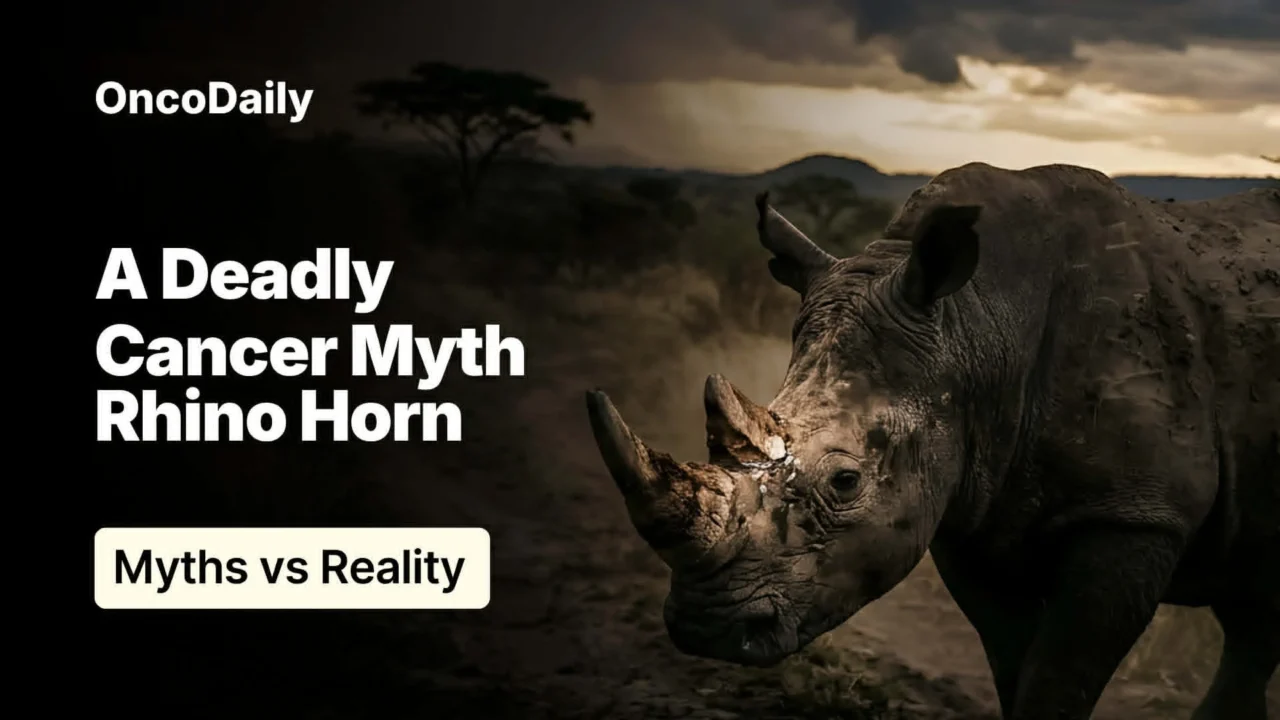
A persistent and dangerous myth has taken hold in parts of Asia and beyond: the belief that rhino horn can cure cancer and other serious diseases. Some people consume powdered horn or take it as a tonic, hoping it will shrink tumors, boost immunity, or prolong life. This belief is not supported by any credible scientific evidence and instead feeds a brutal black‑market trade that puts one of the world’s most iconic animals in even greater peril.
The core problem is simple: false hope for human health is driving real extinction pressure on rhinos. Today, there are fewer than 28,000 rhinos left worldwide across all five species, a catastrophic drop from an estimated 500,000 rhinos at the start of the 20th century. Of these, only about 16,000 are white rhinos, roughly 6,300 black rhinos, around 4,000 greater one‑horned (Indian) rhinos, and fewer than 100 Javan rhinos and fewer than 80 Sumatran rhinos, the latter two teetering on the brink of extinction.
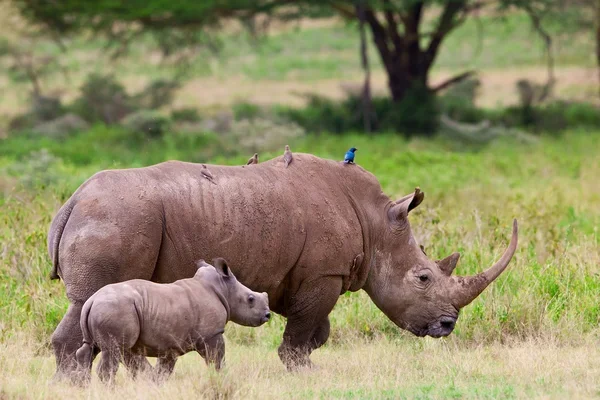
Photo: Depositphotos
This myth fuels poaching, accelerates population declines, and legitimizes a criminal network that kills rhinos for their horns. Rhino horn is chemically keratin, which is the same protein that makes up human hair and nails. No clinical study has shown that it has any anticancer properties. Its use in this context is a tragic mix of superstition, misinformation, and ecological destruction. It threatens both patients who delay real treatment and rhinos, which are already one of the most endangered large mammals on Earth.
What Is Rhino Horn Made Of?
Rhino horn is composed almost entirely of keratin, the same tough, fibrous protein that makes up human fingernails, toenails, and hair. Structurally, it is not a bone or a true hollow horn like those of cattle or antelope; instead, it is a densely packed mass of keratin fibers that grow from the skin of the rhino’s snout.
Because it is chemically identical to ordinary keratin, rhino horn contains no unique medicinal ingredients and is biologically inert meaning it does not interact with the body in any special way that would treat disease. The horn also grows continuously throughout a rhino’s life, similar to how human hair and nails keep lengthening if not trimmed or worn down, rather than being fixed or attached to the skull bone.
History of Rhino Horn in Traditional Medicine
Rhino horn has a long‑standing role in Traditional Chinese Medicine (TCM), where it was historically used primarily to treat high fevers and infections, often in combination with other herbal ingredients. Practitioners would shave or grind the horn into powder and dissolve it in boiling water to make a decoction believed to “cool the blood,” reduce inflammation, and calm symptoms such as convulsions, delirium, and certain skin rashes associated with severe fevers.
Importantly, classical TCM texts do not describe rhino horn as a cure for cancer; its documented uses focus on fever‑related conditions, infections, and certain inflammatory or neurological symptoms, not oncology. Modern TCM experts and medical historians emphasize that rhino horn was never part of traditional protocols for treating tumors or malignancies.
In response to the global rhino‑poaching crisis, China, Taiwan, and South Korea implemented bans on rhino‑horn medicines around 1993, removing rhino horn from official pharmacopeias and prohibiting its domestic trade and medical use. These bans were tied to an international trade ban under CITES and aimed to protect wild rhino populations while promoting herbal and synthetic alternatives within TCM practice.
The Rise of the “Rhino Horn Cures Cancer” Myth’
The modern myth that rhino horn can cure cancer emerged in Vietnam around the mid‑2000s, years after international trade bans had already driven demand down. At the center of the rumor is an urban legend about a high‑ranking Vietnamese politician often described as a former prime minister said to have been “cured” of liver or terminal cancer after consuming powdered rhino horn. Despite being entirely anecdotal and never verified medically, this story spread rapidly through word‑of‑mouth and later across social media, creating a powerful emotional narrative that rhino horn was a miracle cure.
In reality, no scientific study supports rhino horn as an anticancer agent; clinical and pharmacological research has found it to be biologically inert and ineffective against cancer. Nevertheless, the myth dramatically inflated demand in Vietnam, helping transform the country into one of the world’s largest markets for illegal rhino horn and directly contributing to a surge in African rhino poaching.
Beyond the cancer myth, rhino horn is also marketed as a hangover cure and “health tonic” for the wealthy, often used after heavy drinking or as a general “detox” or status symbol. Affluent users grind the horn into powder and mix it with water or alcohol, believing it will reduce headaches, cleanse the body, or boost vitality. This dual framing as both a cancer “elixir” and an elite wellness product has further fueled poaching pressure on already‑fragile rhino populations.
Rhino Populations Under Threat
There are five extant rhino species alive today: white and black rhinos in Africa, and greater one‑horned (Indian), Javan, and Sumatran rhinos in Asia. All five species are threatened, with black, Javan, and Sumatran rhinos classified as critically endangered, the greater one‑horned as vulnerable, and the white rhino also listed as vulnerable or near‑threatened in parts of its range. Populations are now concentrated in a small number of protected areas in southern Africa and parts of India and Southeast Asia, a drastic reduction from their historical range.
The main driver of their decline is poaching for horn, not natural factors such as disease or habitat loss alone. Criminal networks target rhinos specifically to supply black‑market demand in Asia and elsewhere, where horn is sold at extremely high prices. As an example, South Africa lost more than 1,000 rhinos to poaching in 2017 alone, illustrating how the trade in horn can decimate populations faster than they can reproduce.
How the Myth Directly Fuels Hunting and Poaching
When demand for rhino horn rises often stoked by myths that it cures cancer or acts as a powerful health tonic poaching syndicates ramp up their operations, launching more frequent raids into protected areas. National parks and private reserves in countries such as South Africa, Namibia, and Kenya are repeatedly targeted, as these are where rhino populations have been concentrated and partially recovered. The belief that rhino horn has high medicinal or status value creates a powerful financial incentive for organized crime groups to treat rhinos as lucrative commodities rather than wildlife.
Typical poaching methods are brutal and efficient: armed gangs may tranquilize or shoot rhinos, then saw or hack off the horns, often leaving the animals alive but severely injured and bleeding. The horns are then smuggled across borders through complex trafficking networks that use falsified documents, corruption, and hidden shipments to reach consumers in Asia and beyond. In some cases, entire horn‑supply chains from local hunters to middlemen and international couriers are run by well‑organized criminal networks.
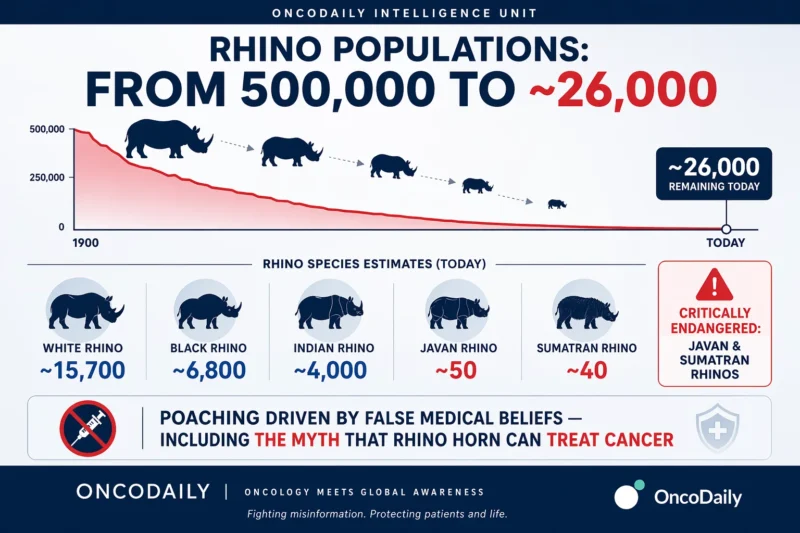
On the black market, rhino horn can fetch prices that exceed those of gold by weight, sometimes reaching tens of thousands of dollars per kilogram. This sky‑high value makes rhinos among the most profitable “targets” in the illicit wildlife trade, turning conservation landscapes into high‑risk hunting grounds and fueling a cycle of poaching that is extremely difficult to break.
Cancer Patients and the Risk of Misinformation
Promoting rhino horn as a cancer cure poses a serious danger to patients, because it can discourage or delay evidence‑based oncology treatment such as surgery, chemotherapy, immunotherapy, hormone therapy, or radiotherapy. When people believe they are “trying” a miracle remedy, they may postpone or partially skip standard care, thinking the horn is enough to control their disease. This delay can allow tumors to grow, spread, or become resistant to treatment, making later interventions less effective.
Delaying or abandoning standard oncology care under the influence of this myth can worsen prognosis and increase mortality. The World Health Organization, major oncology societies, and numerous cancer‑care professionals emphasize that unproven “alternative cures” should never replace scientifically validated therapies. At the same time, respected experts in traditional medicine systems, including Traditional Chinese Medicine (TCM), also reject rhino horn as a legitimate cancer therapy. They stress that classical TCM texts never list rhino horn for treating cancer and that modern practice should rely on herbal and pharmacological approaches that are both safe and evidence‑informed. Using rhino horn in this context therefore endangers both patients and a critically endangered species.
You Can Also Read Cancer Misinformation in 2025: How Viral Narratives Are Putting Patients at Risk by OncoDaily

Conclusion: Saving Rhinos and Patients at the Same Time
Rhino horn does not cure cancer, and every horn sold supports a brutal poaching industry that kills an already endangered animal for profit. The myth that rhino horn is a miracle remedy not only harms rhinos but also puts cancer patients at risk by encouraging them to delay or abandon proven treatments in favor of an unproven, biologically inert substance.
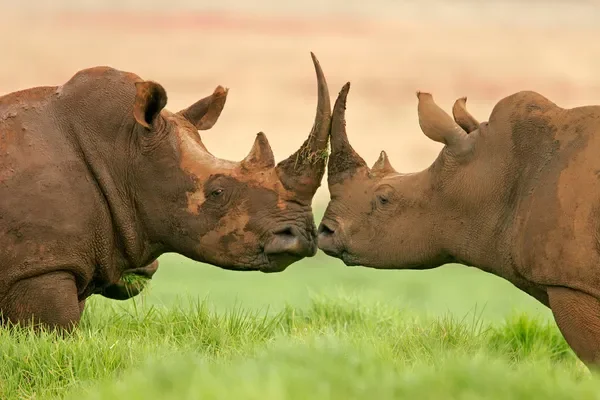
Photo: Depositphotos, Portrait of two white (square-lipped) rhinoceros (Ceratotherium simum), South Africa
By rejecting this myth and choosing evidence‑based oncology care, patients protect their own lives and health, while also helping to dismantle the demand that drives rhino poaching. Fighting the “rhino‑horn‑cures‑cancer” narrative is therefore a win for both biodiversity and human medicine: it preserves a keystone species at the edge of extinction and keeps people on safe, effective treatment paths rather than false promises.
Written by Aharon Tsaturyan, MD, Editor at OncoDaily Intelligence Unit
FAQ
Can rhino horn really cure cancer?
Short answer: No. Scientific studies and medical organizations consistently find that rhino horn has no anticancer properties and is biologically inert, like human hair or nails. Promoting it as a cancer cure can delay effective treatment and endanger patients.
Why do some people believe rhino horn cures cancer?
This myth spread mainly in Vietnam in the mid‑2000s, fueled by an urban legend about a high‑ranking politician “cured” of cancer after taking powdered rhino horn. The story went viral, even though it was never medically verified and is not supported by evidence.
What is rhino horn made of?
Rhino horn is made of keratin, the same protein in human hair, fingernails, and toenails. It contains no special medicinal ingredients and is biologically inert, meaning it does not interact with the body in a way that can treat disease.
Is rhino horn used in traditional medicine?
Historically, in Traditional Chinese Medicine (TCM), rhino horn was used for high fevers and infections, usually in combination with herbal formulas, not as a standalone cure. It was believed to “cool the blood,” reduce inflammation, and calm severe fevers.
Was rhino horn ever approved to treat cancer in traditional medicine?
No. Classical TCM texts do not list rhino horn as a cancer treatment. Modern TCM experts and medical historians stress that rhino horn was never part of traditional protocols for tumors or malignancies.
Are there legal bans on rhino‑horn medicines?
Yes. China, Taiwan, and South Korea banned rhino‑horn medicines around 1993, removing it from official pharmacopeias and prohibiting its use in traditional medicine. These bans were part of wider CITES‑linked efforts to protect rhinos.
How does the cancer myth affect rhino populations?
The myth dramatically increased demand, especially in Vietnam, turning it into one of the world’s largest markets for illegal rhino horn. This has driven record poaching levels, with more than 1,000 rhinos killed in South Africa alone in 2017.
How much is rhino horn worth on the black market?
In many black‑market surveys, rhino horn can exceed the price of gold by weight, sometimes reaching tens of thousands of dollars per kilogram. This extreme value fuels organized‑crime networks and incentivizes ruthless poaching.
Should cancer patients try rhino horn as a treatment?
No. Medical experts and oncology societies warn that using rhino horn instead of, or in place of, proven therapies can delay treatment, worsen prognosis, and increase mortality. Patients should rely on evidence‑based oncology care—such as surgery, chemotherapy, and immunotherapy—rather than unproven “miracle cures.”