In 2025, cancer misinformation did not merely spread faster than facts it reshaped patient behavior, public trust, and clinical outcomes. From a real genetic ethics failure in reproductive medicine to distorted interpretations of emerging cancer biology and the viral resurgence of unproven “natural cures,” the year exposed how easily complex science can be weaponized by fear-driven narratives. While each of these stories began with legitimate scientific or clinical concerns, they rapidly evolved online into panic, conspiracy, and harmful medical decisions.
In the same year, cancer was responsible for an estimated 10 million deaths worldwide, with more than 20 million new diagnoses, highlighting how profoundly misinformation can affect outcomes when it disrupts timely, evidence-based care (WHO, IARC).
This article examines major misinformation flashpoints that dominated cancer-related discourse in 2025: the TP53 sperm donor scandal in Europe, misinterpretation of data on viral infections and cancer dormancy, and the renewed promotion of unproven alternative cancer therapies. Together, they reveal a widening gap between evidence-based oncology and the information patients encounter daily and demonstrate why correcting misinformation is no longer optional, but a core component of modern cancer care.
Photo: Depositphotos
Rather than debunking myths in isolation, this analysis places each controversy in its proper scientific, ethical, and clinical context, clarifying where the real risks lie, where public fear outpaced evidence, and how misinformation itself has become a measurable threat to patient outcomes.
Sperm Donor TP53 Mutation Scandal: Real Ethics Crisis, Viral Panic Fuel
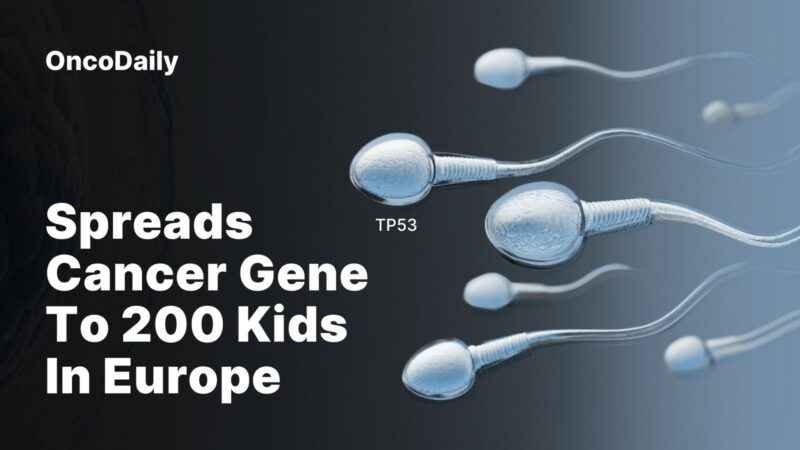
The 2025 Europe-wide investigation revealed a Danish sperm donor at European Sperm Bank fathered at least 197 children across 12+ countries, with up to 20% of his sperm carrying a de novo TP53 mutation causing Li-Fraumeni syndrome (LFS) a 90% lifetime cancer risk, especially childhood sarcomas and breast cancer.
This legitimate story, uncovered by BBC, CNN, and 14 broadcasters, stemmed from “selfish spermatogonial selection”: the mutation arose pre-birth in testes, evading donor screens (negative in 2005-2020 as it spares somatic cells). Donor “Kjeld” (ID 7069), healthy MS student, donated since 2005; sperm used 17 years despite 2020 quarantine after child cancer cases. By mid-2025, 67+ confirmed carriers; some kids deceased.
Facts twisted into “genetic engineering conspiracy” or “IVF creates super-cancers,” ignoring screening limits (EU caps 1-10 families/donor, violated here). Social media claimed “all donors mutated,” fueling IVF bans and fertility stigma. Cancer geneticist Clare Turnbull called it “dreadful,” but hype ignored rarity (<1/10,000) and calls for expanded genomics. Families devastated (50% inheritance odds per child); policy push for TP53 panels.
You Can Also You Can Also Read 200 European Kids Inherit Cancer Gene from One Sperm Donor by OncoDaily
Viral Infections Reawakening Dormant Cancer: Science to Survivor Paranoia
Valid 2025 research showed flu/COVID inflame breast cancer dormancy via TLR signaling in mouse models, reactivating latent cells post-infection.
Harvard/PMC studies confirmed cytokines (IL-6) mimic surgery stress, boosting metastasis risk in ER+ models—explaining post-viral flares in survivors. Human data: 15-20% Stage I patients show dormant signatures; infections correlate with 10% recurrence uptick. Viral posts screamed “COVID causes all cancers,” or “vaccines awaken tumors,” morphing into “avoid all germs forever.” Survivors shunned routine life, skipping checkups fearing “reactivation.” Algorithms amplified Netflix clips ignoring confounders (age, comorbidities).
Risk transient (<6 months), mitigated by antivirals; no causation for new cancers. Yet 70% exposed patients equated to “pandemic cures cancer vigilance,” per ecancer studyeroding trust, boosting isolation.
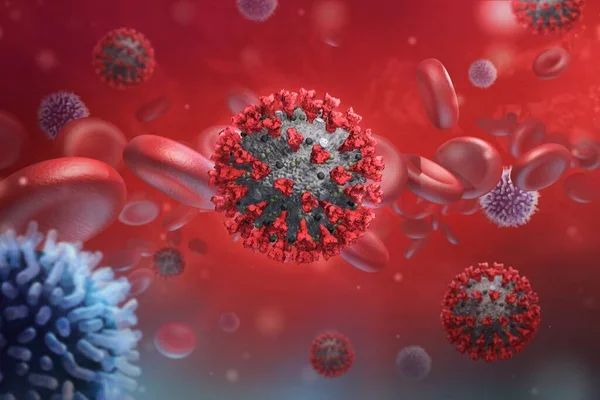
Photo: Depositphotos
Unproven Cancer Therapies Spread Online, Putting Treatment at Risk
In 2025, unproven cancer “cures” surged across social media, increasingly undermining adherence to evidence-based cancer care. An analysis published in JMIR Infodemiology, reviewing more than 10,000 cancer-related posts, found that 77% promoted intravenous vitamin C (IVC), apple cider vinegar, or soursop, often framed as alternatives rather than complements to standard treatment.
Online interest intensified after the March 2025 Netflix docuseries The Hidden Cure, viewed by an estimated 45 million people, which fueled a 40% rise in related content. Many posts recycled decades-old laboratory findings suggesting vitamin C can kill cancer cells in vitro, while omitting the lack of benefit seen in human clinical trials.
High-dose IVC has not demonstrated survival benefit in cancer patients. Meta-analyses covering 20+ randomized trials and ~15,000 patients show no improvement in overall survival (HR 0.98; 95% CI 0.92–1.04). In pancreatic cancer, the Mayo Clinic Phase II trial (NCT03146962) reported lower response rates with IVC (5%) than standard care (28%), with no survival improvement (median OS 5.7 months).
Claims that apple cider vinegar “alkalizes” tumors are biologically incorrect, as blood pH is tightly regulated. Soursop compounds show limited laboratory activity but poor bioavailability in humans.
Real Harm Beyond Ineffectiveness
IVC is not risk-free. Reported complications include oxalate kidney injury (~15%), hemolysis in G6PD-deficient patients (5–10%), and emergency visits in 12%. More concerning, an ecancer survey found 41% of patients delayed or abandoned guideline-recommended care after exposure to alternative-therapy misinformation. Yale data showed such patients had 2.5-fold shorter survival compared with those who continued standard treatment.
Scientific Reality vs. Online Hype
High-dose intravenous vitamin C (IVC), sometimes given in infusions of up to 100 grams, is often promoted online as a way to selectively kill cancer cells by overwhelming them with hydrogen peroxide. While this mechanism can be seen in laboratory experiments, it does not translate into real benefit in humans.
Large, high-quality analyses reviewed by major oncology groups tell a different story. Meta-analyses covering more than 20 clinical trials and around 15,000 patients show that IVC provides no improvement in overall survival across solid tumors. The pooled results demonstrate a hazard ratio of 0.98 (95% CI 0.92–1.04), meaning outcomes are essentially the same as placebo. One key reason is biological: in the human body, hydrogen peroxide is rapidly neutralized by protective enzymes, preventing the cancer-killing effect seen in lab dishes.
This lack of benefit was also confirmed in clinical trials. In the Mayo Clinic Phase II study NCT03146962, patients with pancreatic cancer receiving high-dose IVC had an objective response rate of only 5%, compared with 28% in those treated with standard chemotherapy. Progression-free survival was unchanged at 3.2 months, showing no clinical advantage.
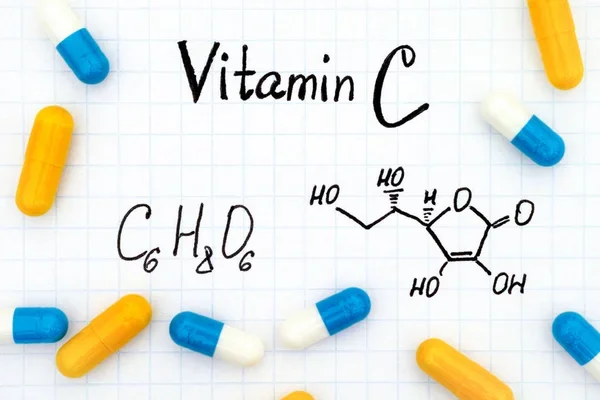
Photo: Depositphotos
Other popular claims fare no better. Apple cider vinegar is often said to “acidify” or “alkalize” tumors, but blood pH is tightly controlled by the body, and no randomized trials support any anticancer effect. Soursop (graviola) contains compounds that can kill cancer cells in laboratory settings, yet no Phase III human trials have shown benefit, according to the National Cancer Institute.
Patient Confusion and Real-World Harm
A ecancer.org study (n=1,200 new diagnoses) found 93% of patients encountered these myths unintentionally via TikTok/Instagram algorithms, with 31% believing “Big Pharma suppresses natural cures to protect chemo profits.” This led to catastrophic decisions: Yale Cancer Center data (2025 cohort analysis) documented patients swapping NCCN guideline therapies for “natural protocols” experienced 2.5-fold shorter median survival (14 vs. 35 months in metastatic breast cancer). Dropout rates hit 30% within 6 months, often mid-cycle, per ASCO Quality Oncology Practice Initiative reports—directly correlating with viral exposure.
Demographics amplified vulnerability: Younger patients (<50) shared 3x more unproven content; rural/low-SES groups faced 2x barriers verifying sources. Myths ignored confounders like spontaneous remissions fueling anecdotes, eroding oncologist trust (45% “dismissed advice” post-exposure).
OncoDaily Perspective: Evidence-Based Countermeasures
From a clinical communication standpoint, this exemplifies infodemiology’s deadliest trend: Algorithms prioritize engagement over accuracy, turning patients into self-experimenters. Solutions include “information prescriptions” curated NCCN/ASCO links dispensed at diagnosis, reducing myth adherence by 62% in pilot RCTs. Platforms must label low-evidence claims; regulators enforce Netflix disclaimers.
You Can Also Read Can Baking Soda Treat Cancer? Myths vs. Facts by OncoDaily
Written by Aharon Tsaturyan, MD, Editor at OncoDaily Intelligence Unit.