Every year on May 8, people around the world come together to recognize World Ovarian Cancer Day — a global initiative dedicated to increasing awareness about ovarian cancer, encouraging earlier diagnosis, supporting patients and survivors, and advancing research efforts aimed at improving outcomes.
Observed internationally, the day unites advocacy organizations, healthcare professionals, survivors, caregivers, and communities in a shared mission: ensuring that ovarian cancer receives the attention, education, and research investment it urgently needs.
Why World Ovarian Cancer Day Matters
Ovarian cancer remains one of the most serious gynecological cancers worldwide. Despite advances in treatment and research, many cases are still diagnosed at advanced stages because symptoms are frequently subtle, nonspecific, or mistaken for common gastrointestinal or hormonal conditions.
This is one of the reasons why awareness remains critically important.
World Ovarian Cancer Day was established to help improve public understanding of the disease and encourage conversations around symptoms, risk factors, early diagnosis, treatment options, survivorship, and ongoing scientific progress.
For many women, recognizing symptoms early and seeking timely medical evaluation can make a significant difference in outcomes.
Understanding Ovarian Cancer Symptoms
One of the major challenges surrounding ovarian cancer is that symptoms can appear vague and easily overlooked. However, persistent symptoms should never be ignored.
Common signs may include:
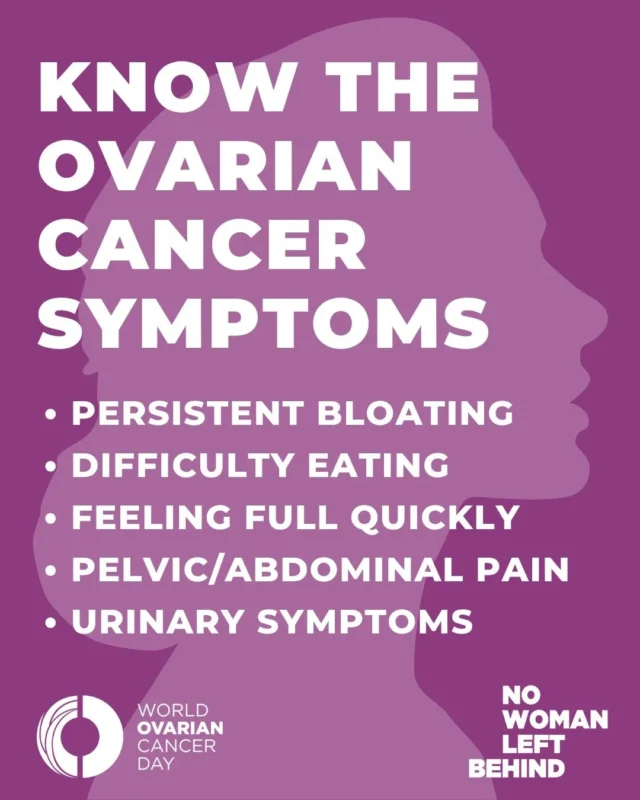
- Persistent bloating
- Pelvic or abdominal pain
- Difficulty eating or feeling full quickly
- Urinary urgency or frequency
- Fatigue
- Unexplained weight changes
- Changes in bowel habits
While these symptoms do not necessarily mean ovarian cancer is present, ongoing or worsening symptoms should be discussed with a healthcare professional.
Awareness campaigns associated with World Ovarian Cancer Day continue to emphasize the importance of listening to the body and recognizing when symptoms are unusual or persistent.
A Global Movement for Advocacy and Support
Since its launch, World Ovarian Cancer Day has evolved into a truly international awareness movement.
Across countries and healthcare systems, organizations use the day to promote education campaigns, survivor stories, fundraising efforts, scientific discussions, and patient advocacy initiatives. The observance also highlights the emotional, physical, and financial impact ovarian cancer can have on patients and families.
The History Behind World Ovarian Cancer Day
World Ovarian Cancer Day was first launched in 2013 by a coalition of ovarian cancer advocacy organizations from around the world.
The initiative was created to establish a unified international voice focused on ovarian cancer awareness and to strengthen global collaboration in addressing the disease. Over the years, participation has continued to grow, with increasing involvement from healthcare institutions, advocacy groups, researchers, survivors, and public health communities worldwide.
The annual observance has become an important opportunity to highlight ongoing scientific research while also bringing attention to the everyday experiences of those living with ovarian cancer.
How People Around the World Participate
World Ovarian Cancer Day encourages both individual and community involvement. Participation can take many forms, from educational outreach to fundraising and advocacy efforts.
Many people choose to:
Share Educational Information
Social media campaigns, blogs, community programs, and awareness posts help spread information about ovarian cancer symptoms, diagnosis, and treatment.
Support Research and Advocacy Efforts
Fundraising events and donations contribute to ovarian cancer research programs, patient services, and advocacy initiatives working to improve care and outcomes.
Wear the Teal Ribbon
The teal ribbon has become the international symbol of ovarian cancer awareness and support for patients, survivors, and families affected by the disease.
World Ovarian Cancer Day 2026 is being recognized around the world through awareness campaigns, educational initiatives, patient advocacy efforts, and messages of support shared across social media. Organizations, healthcare professionals, survivors, and advocates are using their platforms to highlight the importance of early detection, research, and access to care for patients affected by ovarian cancer.
Below are some of the posts shared in recognition of World Ovarian Cancer Day and the ongoing efforts to raise awareness about this disease.
World Ovarian Cancer Coalition:
“Today is World Ovarian Cancer Day
If there is one thing to share, it is awareness.
Far too many women with Ovarian Cancer are diagnosed too late. Knowledge of symptoms and risk factors can help drive earlier diagnosis and better outcomes.
Awareness is a collective responsibility, and every share helps move us closer to No Woman Left Behind
Share this post to help make ovarian cancer visible.”
The Institute of Cancer Research:
“This World Ovarian Cancer Day, we stand with everyone affected by ovarian cancer and highlight the vital role of research in improving outcomes for people living with this disease.
The ICR’s SOPRANO trial is looking for participants to help us understand whether targeted radiotherapy either on its own or followed by the PARP inhibitor niraparib can help treat certain types of advanced ovarian cancer.
PARP inhibitors are targeted drugs, commonly used to treat ovarian cancer by preventing cancer cells from repairing their DNA, causing the cells to die. However, for some people, cancer can still spread despite this treatment. SOPRANO is focused on understanding how best to prevent further progression.
We’re looking for patients with:
◾ Epithelial ovarian cancer
◾ Primary peritoneal cancer
◾ Fallopian tube cancer
Find out more about the SOPRANO trial, the science behind it, and how to get involved ”
European Research Council (ERC):
“Every year, around 3.2 million women are diagnosed with breast, ovarian or cervical cancers. Together, these diseases cause over 1.2 million deaths annually.
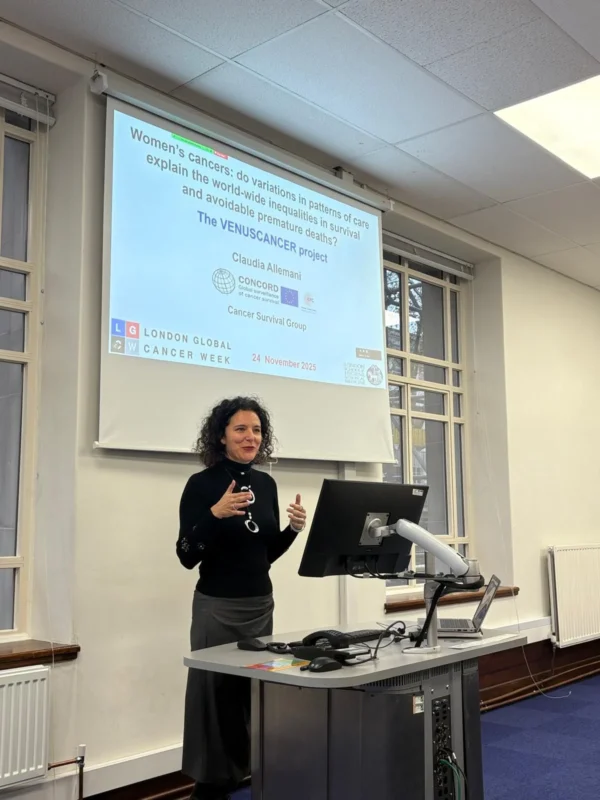
An ERC-funded project led by Claudia Allemani is tackling a crucial question: why survival for these cancers differ so dramatically around the world.
It provides the first truly global picture of cancer care pathways, based on data for more than 275 000 women, diagnosed between 2015 and 2018, across 39 countries.
- The findings show that for ovarian cancer, fewer than 20% of women are diagnosed at an early stage worldwide, although the situation remains slightly worse for women in low-and middle-income countries.
- Access to surgery and treatments that align with international guidelines also varies widely, and older women are less likely to receive recommended care.
Read more about the results https://bit.ly/48MCYGc
By identifying where and why care falls short, the project aims to guide policymakers and help prevent avoidable deaths worldwide.
“Optimal treatment for early-stage tumours is more accessible in most countries. Efforts to promote early detection should continue, especially for ovarian cancer,” says Professor Allemani, based at the London School of Hygiene and Tropical Medicine in the UK.
In addition, the study’s co-author Veronica Di Carlo refers to international clinical guidelines, stressing that “women everywhere need to be able to discuss their treatment with medical professionals and make decisions in the knowledge that they can access the best available options according to recommended guidelines.”
“World Ovarian Cancer Day is an important reminder that, despite progress already made, many patients still face significant challenges navigating ovarian cancer, highlighting the need for continued innovation and comprehensive support.
At GSK, we’re committed to not only raising awareness of these challenges but also actively developing innovative solutions that help people with ovarian cancer live longer and live well.
Our ‘Your Cancer Is Our Challenge’ initiative revealed an overwhelming 89% of people with gynecologic cancers surveyed want to understand more about available testing options to help inform their treatment plan.
This feedback is so important, it tells us there’s a real need for clarity around how genetic and biomarker testing can help doctors identify treatment options that are personalized to each patient.
Hear more from Dr. Amina Ahmed, a leading gynecologic oncologist, as she shares her insights on the vital role of genetic and biomarker testing in gynecologic cancer care.
We see and hear patients, families and caregivers experiencing ovarian cancer. Their lived experience is the engine of our work.”
“Today is World Ovarian Cancer Day and I wanted to share something covering the main symptoms and the need to advocate for yourself in our current medical system. This morning I came across this post from Dr Shabnam Gujadhur which really struck a chord with me and summed up the key issues.
Please read the post below to learn more about the symptoms and share them to spread awareness. I too was fortunate that my diagnosis in 2022 was made at an early stage, initially from the sheer luck of seeing a brilliant GP who recognised my symptoms and couldn’t have acted quicker
“Today is World Ovarian Cancer Day – a day dedicated to raising awareness, driving meaningful change, and standing alongside every woman impacted by ovarian cancer.
It is a day to make ovarian cancer impossible to ignore .
This year’s theme, #NoWomanLeftBehind, highlights the urgent need for equitable ovarian cancer outcomes worldwide.
No woman’s symptoms should be dismissed.
No woman should face unnecessary delays in diagnosis.
No woman should be denied quality care because of where she lives.
Today, we join forces to raise awareness, advocate for earlier diagnosis, and urge health systems, policy makers and communities to close the gaps in ovarian cancer globally.
Today, is also a very personal day for me
Living in Australia and working within the healthcare system, I was fortunate to be able to advocate for myself and access high quality healthcare. My ovarian cancer was detected early, giving me a better prognosis – and today, four years later, I am still here because of that.
However, far too many women are diagnosed late, often after their symptoms were dismissed, misunderstood, or simply unknown.
Across the world, limited awareness and barriers to timely healthcare continue to delay diagnosis and access to care for many women, especially in lower socioeconomic settings.
Earlier diagnosis saves lives.
Know the symptoms of ovarian cancer.
Advocate for yourself.
Today is about advocacy, hope and making sure more women have the chance at the future they deserve.
and then from a referral into excellent specialist care. I know this is not the same for everyone who is diagnosed but we can change this by spreading awareness.
How appropriate for a World awareness day to do this with some wise words from the other side of the world.”
” Today on World Ovarian Cancer Day, I’m reflecting on the urgent need for earlier recognition, faster diagnosis, and equitable care for women facing ovarian cancer.
In a disease with no standard screening and symptoms that are too often overlooked, awareness, advocacy, and action can change outcomes — and save lives. Every woman deserves to be heard, taken seriously, and given timely access to quality care.”
“Today is World Ovarian Cancer Day and this year’s theme, “No Woman Left Behind,” is a powerful reminder of why awareness matters.
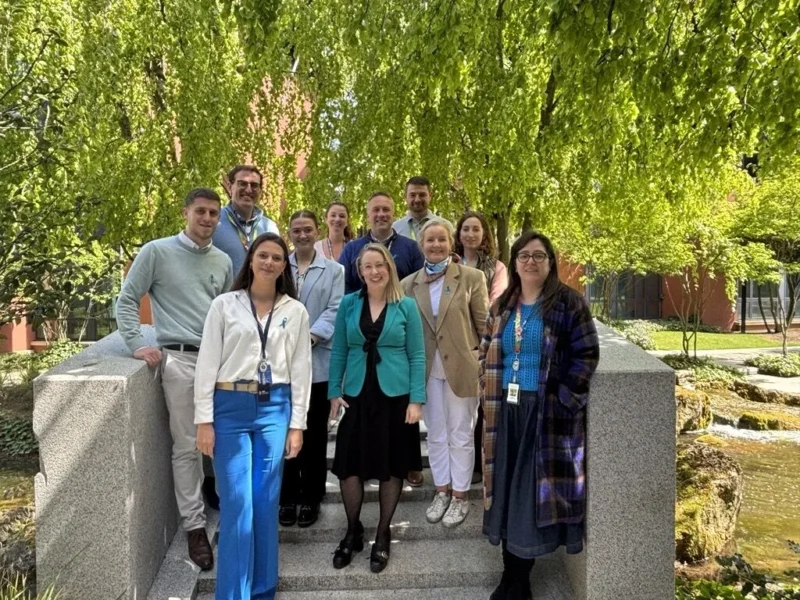
Earlier this week, our AbbVie Ireland colleagues came together for a Turquoise Walk to raise awareness of ovarian cancer and the importance of recognising the BEAT symptoms:
Bloating
Eating difficulties
Abdominal or pelvic pain
Toilet changes
Ovarian cancer symptoms can often be subtle, overlooked, or misattributed, and with no routine screening test currently available, recognising the signs early can make a real difference.
Late diagnosis, burdensome treatments and disease recurrence are realities for many women with ovarian cancer. Read more about the growing ovarian cancer burden across Europe and why action is needed now (article linked in the comments).
At AbbVie, we remain committed to advancing innovation in oncology and supporting efforts that help improve outcomes for women impacted by ovarian cancer.”
Find more exclusive oncology content on OncoDaily
Written by Nare Hovhannisyan,MD