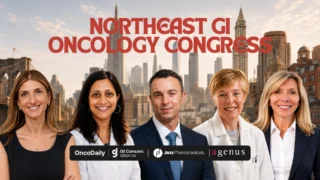
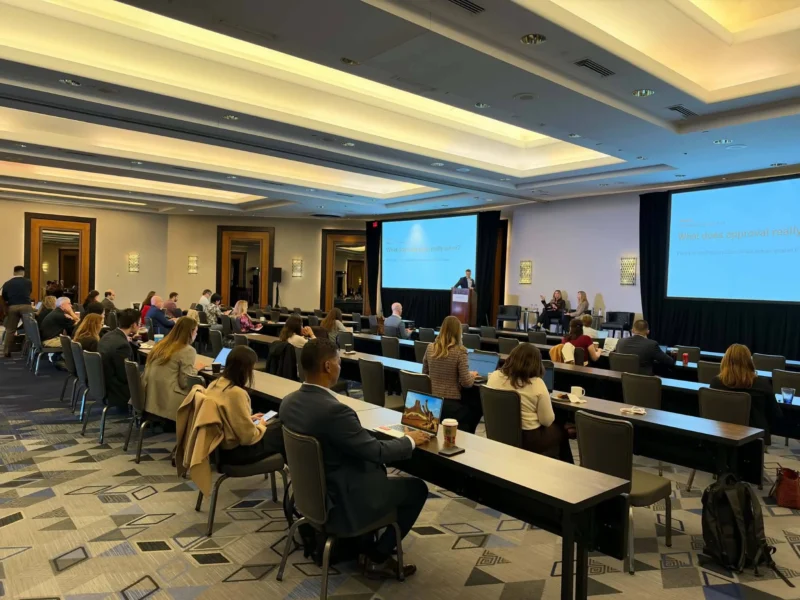
The Northeast GI Oncology Congress 2026 brought together leading oncologists, clinical investigators, researchers, and patient advocates in Cambridge, Massachusetts, on November 19–20 for two days of discussions on the evolving landscape of gastrointestinal cancer care.
From molecular testing and emerging therapeutic targets to clinical trial design, treatment resistance, and quality of life, the congress examined the scientific developments and clinical decisions shaping GI oncology.
The program was organized around two themes: “The Patient at the Table” on November 19 and “The Whole Field, One Room” on November 20, emphasizing the importance of connecting scientific progress with meaningful improvements in patient care.
Day One: The Patient at the Table
Beyond the Diagnosis: Bringing Patient Voices Into Research
The congress opened with welcoming remarks from Yelena Janjigian of Memorial Sloan Kettering Cancer Center, followed by the patient advocacy plenary, “Patient-Partnered Research in GI Cancer.”
Moderated by Martha Raymond, CEO of the GI Cancers Alliance, the session featured Margaret-Ann Simonetta, who explored the importance of incorporating patient experiences into clinical research.
The discussion emphasized that cancer outcomes extend beyond survival statistics. Employment, family responsibilities, financial challenges, treatment-related symptoms, and the ability to maintain independence all influence patients’ experiences.
Health literacy, survivorship, and patient navigation were also highlighted as essential components of comprehensive care.
A central message was that patients should contribute to research from the earliest stages, helping determine which questions are investigated, which outcomes are measured, and whether trial participation requirements are realistic.
The Clinical Case Board: Translating Evidence Into Decisions
An upper GI cancer case board, moderated by Yelena Janjigian, brought multidisciplinary decision-making into focus.
Armen Gevorgyan, representing Mikayelyan University Hospital and OncoDaily, presented the clinical case, with panelists Hannah Roberts of Brigham and Women’s Hospital and Sienna Durbin of Massachusetts General Hospital.
The discussion reflected the complexity of treatment selection in upper gastrointestinal malignancies, where molecular findings, patient fitness, therapeutic sequencing, and available treatment options must be considered together.
When Less Is Better: Quality of Life and Treatment Burden
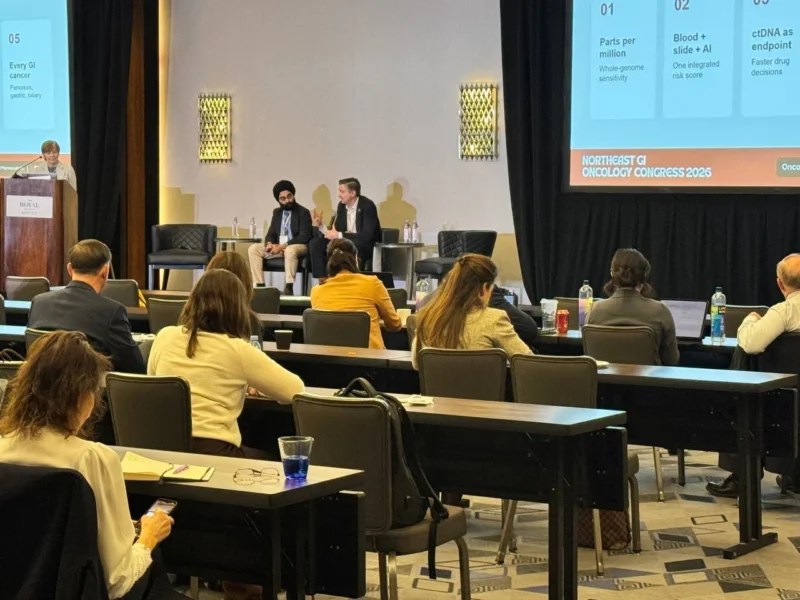
One of the day’s most patient-centered sessions, “When Less Is Better: Quality of Life and Treatment Burden,” featured Martha Raymond and Laura Baum of Dana-Farber Cancer Institute.
The discussion examined the physical and practical demands of cancer treatment, including repeated hospital visits, testing, travel, financial costs, and disruptions to everyday life.
Particular attention was given to time toxicity: the amount of time patients spend receiving healthcare rather than living their lives.
The session raised an important clinical question: when treatment strategies offer comparable outcomes, could reducing treatment burden represent better care?
Designing Clinical Trials That Answer the Right Questions
Moderated by Aparna Parikh, “Designing a GI Trial That Matters” featured Bennett Caughey and Martha Raymond.
The session examined the challenges of conducting clinical trials as treatment standards evolve and molecularly defined patient populations become increasingly specific.
Selecting appropriate control arms, identifying meaningful endpoints, and ensuring trial accessibility were central themes.
Speakers also addressed how restrictive eligibility criteria, frequent hospital visits, and financial barriers may limit participation, reinforcing the importance of designing trials that reflect patients’ circumstances.
The Future of Adjuvant Therapy: Will Biomarkers Change Everything?
The afternoon session, “In Five Years, Most Adjuvant Therapy Will Be Guided by What?” brought together Aparna Parikh, Yelena Janjigian, and Laura Baum.
The discussion examined whether molecular profiling and circulating tumor DNA (ctDNA) could increasingly influence adjuvant treatment decisions traditionally guided by pathological staging and clinicopathological risk factors.
These technologies may help identify patients at greater risk of recurrence while potentially allowing others to avoid unnecessary treatment.
However, an important distinction remained: predicting recurrence does not automatically demonstrate that biomarker-guided treatment improves survival.
Rapid-Fire Research: KRAS and Emerging Therapeutic Opportunities
The first day’s scientific discussions concluded with rapid-fire presentations featuring Leon Pappas, Li Xuanyi of Yale University, and Richard Ebright of Dana-Farber Cancer Institute.
The session addressed emerging directions in GI cancer research, including KRAS-targeted therapies and strategies to overcome treatment resistance.
As molecularly directed treatments continue to develop, identifying appropriate patient populations and determining how new therapies fit into existing treatment pathways remain important priorities.
The day concluded with closing remarks from Yelena Janjigian.
Day Two: The Whole Field, One Room
New Treatments in GI Cancer: What Do They Mean for Patients?
The second day opened with remarks from Samuel Klempner, followed by a session moderated by Martha Raymond, featuring Klempner and Yelena Janjigian.
The discussion examined how expanding treatment options affect patients and clinical decision-making.
While new therapies offer additional opportunities, they also introduce questions about molecular testing, treatment sequencing, toxicity, and the interpretation of emerging evidence.
The session emphasized the importance of communicating scientific developments clearly without overstating the certainty of early findings.
Gastroesophageal Cancer: New Targets and Treatment Resistance
Chaired by Samuel Klempner, the gastroesophageal cancer session examined the growing complexity of molecularly guided treatment.
Yelena Janjigian participated in the panel discussion, while Nilay Sethi addressed treatment resistance and Haeseong Park explored emerging therapeutic targets.
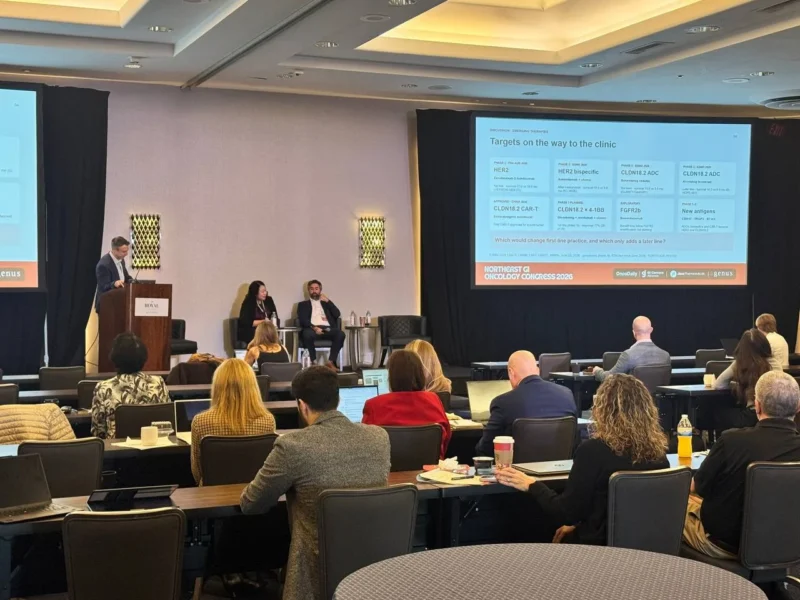
Among the topics was the development of treatments targeting molecular and cell-surface alterations, including CLDN18.2.
The discussion highlighted the challenges of selecting and sequencing therapies, particularly when tumors demonstrate biological heterogeneity or acquire resistance.
Understanding why treatments stop working remains essential to improving future therapeutic strategies.
ctDNA and MRD: When Is a Biomarker Ready to Guide Treatment?
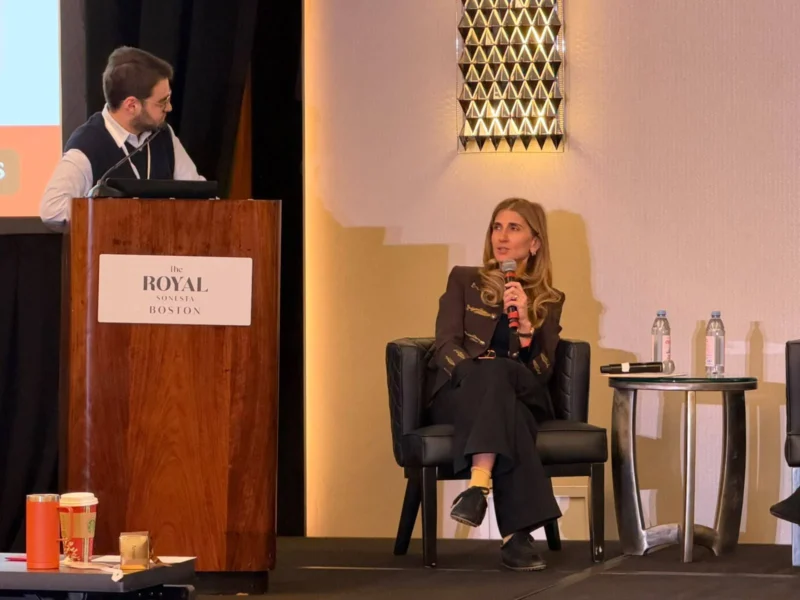
One of the most clinically relevant debates focused on circulating tumor DNA and molecular residual disease (MRD).
Moderated by Eileen O’Reilly, the session featured Joe Lennerz of Natera and Harshabad Singh.
ctDNA testing offers opportunities to detect molecular evidence of residual disease and identify patients at increased risk of recurrence. However, the discussion emphasized that detecting a molecular signal does not automatically establish the appropriate clinical response.
A positive MRD result may indicate increased recurrence risk, but whether treatment escalation improves survival remains an important research question.
Similarly, a negative result does not completely exclude residual disease.
The session highlighted the need for prospective evidence, careful interpretation of assay performance, and disease-specific validation before these technologies can reliably guide treatment decisions.
Emerging Immunotherapies and New Therapeutic Strategies
The late-morning rapid-fire session examined investigational approaches in gastrointestinal oncology.
Robin Taylor of Agenus presented the immunotherapy combination botensilimab and balstilimab, while Martha Raymond contributed the patient advocacy perspective.
The discussion reflected the continued development of immunotherapy strategies across GI malignancies, where treatment benefit remains closely related to tumor biology, molecular characteristics, and the tumor microenvironment.
Pancreatic and Biliary Cancers: Identifying New Vulnerabilities
Chaired by Eileen O’Reilly, the pancreatic and biliary cancer session featured Andrew Aguirre of Dana-Farber Cancer Institute and Harshabad Singh.
The discussion focused on emerging molecular vulnerabilities and opportunities for more personalized treatment in malignancies that remain particularly challenging to manage.
Among the areas explored was MTAP loss, a molecular alteration under investigation as a potential therapeutic target, including through PRMT5 inhibition.
The session also addressed the complementary roles of tissue-based testing and liquid biopsy.
Because the detection of molecular alterations in blood depends partly on the amount of circulating tumor-derived material, negative liquid biopsy results may require careful interpretation and, in selected circumstances, additional tissue testing.
These considerations reinforced the importance of combining therapeutic innovation with reliable molecular diagnostics.
Colorectal Cancer: New Targets, New Decisions
The final disease-focused session, moderated by Aparna Parikh, featured Rona Yaeger, Leon Pappas, and Natasha Setia.
The discussion examined the expanding role of molecular profiling in colorectal cancer, including emerging targeted therapies, resistance mechanisms, and treatment sequencing.
Increasing interest in liquid biopsy and MRD testing has introduced further questions about postoperative risk assessment and adjuvant treatment selection.
As emphasized throughout the congress, identifying molecular risk is only one part of clinical decision-making. Determining whether acting on that information improves patient outcomes remains essential.
Beyond the Next Drug: The Questions That Will Shape GI Oncology
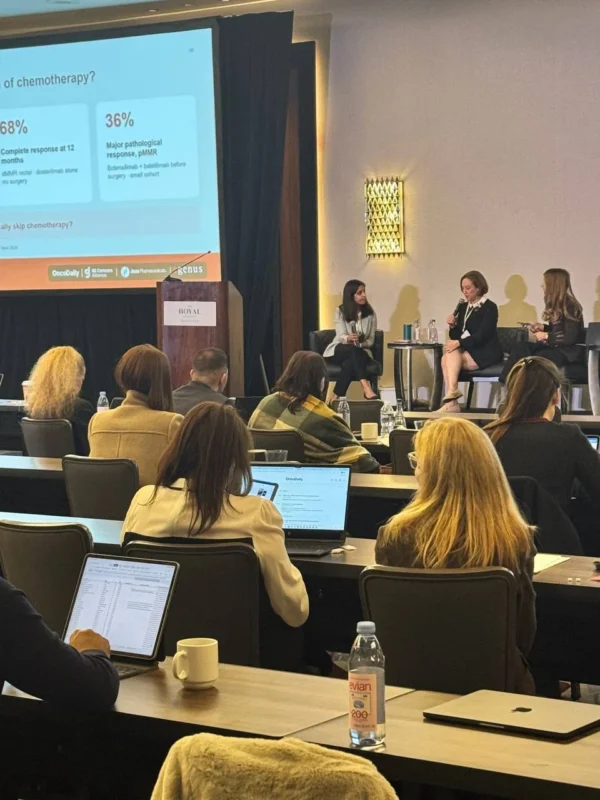
The Northeast GI Oncology Congress 2026 concluded with a cross-GI discussion featuring Samuel Klempner, Aparna Parikh, and Eileen O’Reilly.
Across both days, several themes emerged: the importance of meaningful clinical trial endpoints, the growing influence of molecular testing, the challenges of treatment resistance, and the need to balance therapeutic benefit with quality of life.
Patient advocacy was not treated as a separate discussion but as an essential part of research, treatment development, and clinical decision-making.
The congress also highlighted a distinction that will remain important as precision oncology advances: a promising scientific discovery must demonstrate clinical value before it can meaningfully change practice.
By bringing researchers, clinicians, and patient advocates into the same conversations, the Northeast GI Oncology Congress 2026 examined not only which treatments may define the future of gastrointestinal oncology, but also how those treatments can deliver better outcomes for the people receiving them.