In the first half of 2026, the U.S. Food and Drug Administration approved 22 drugs across 15 distinct indications in oncology. Behind these pivotal trials that led to the approvals are the principal investigators whose names are often not discussed when talking about the practice-changing historical impact resulting from the trials. In this article, we spotlight the Principal Investigators of oncology clinical trials that resulted in FDA approvals in the first half of 2026.
About this data
We searched the FDA website for oncology drug and biologic approvals made between January 1 and June 30, 2026, and extracted data on each approval’s trial name, approved drug name(s), approval date, approved indication(s), and responsible party. This search identified 22 approvals across distinct tumor types.
For each of the 22 approvals in this window, we identified the trial’s principal investigator and their primary academic institution: whoever was named the global or lead PI, or came up most consistently in that role across trial registries, sponsor communications, and the trial’s main publication.
Key PIs and where they come from
Home for “starring” Principal Investigators in 2026 was not surprisingly the United States.
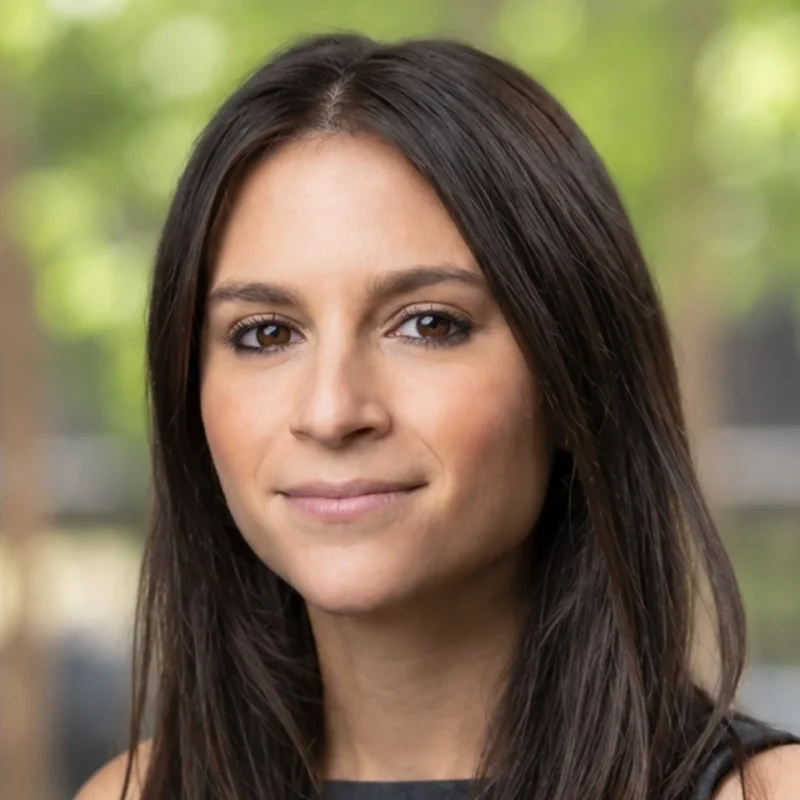
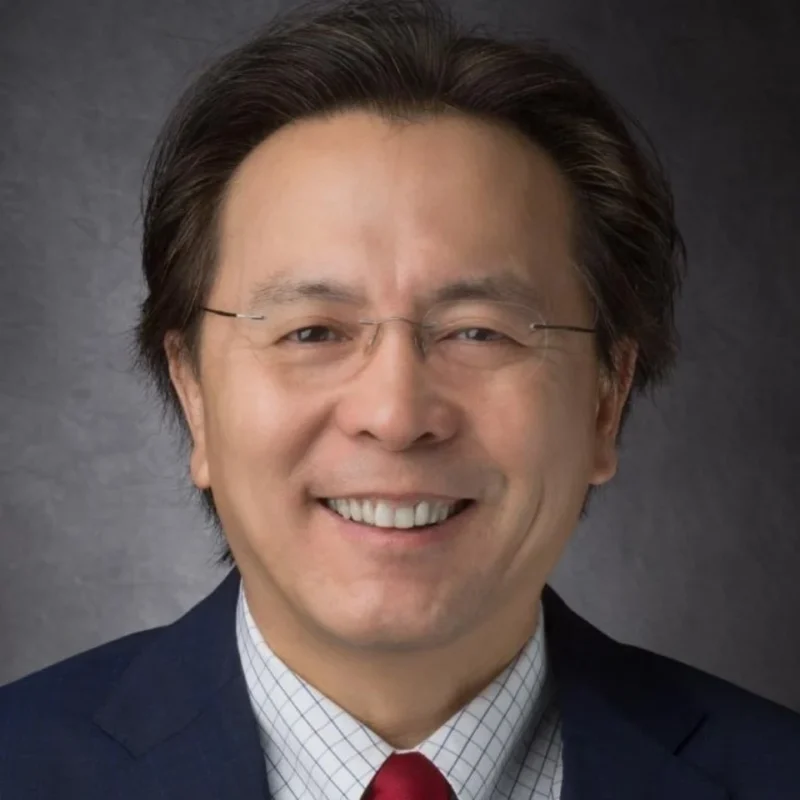
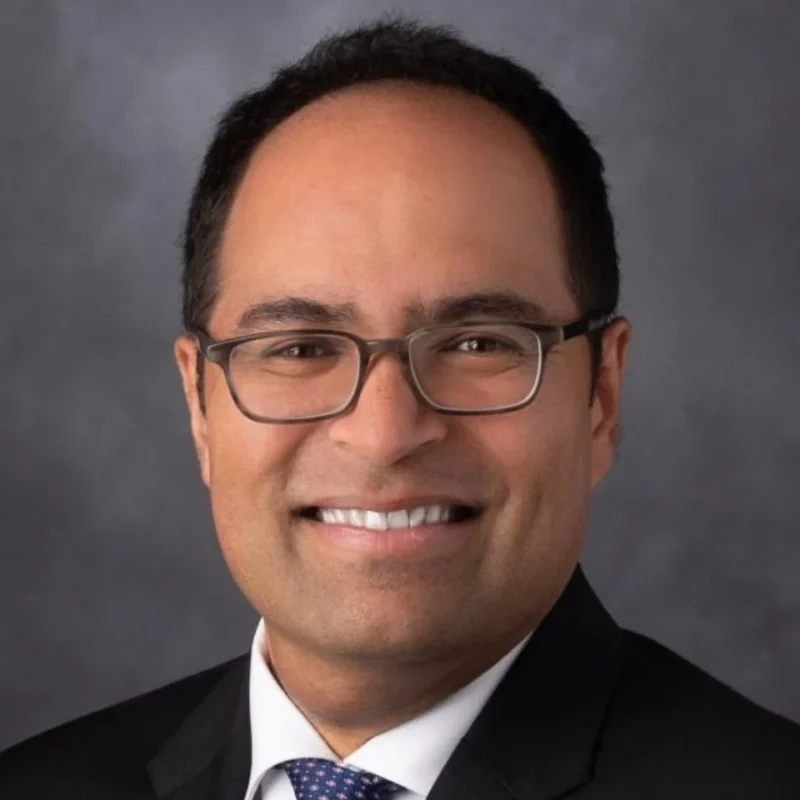
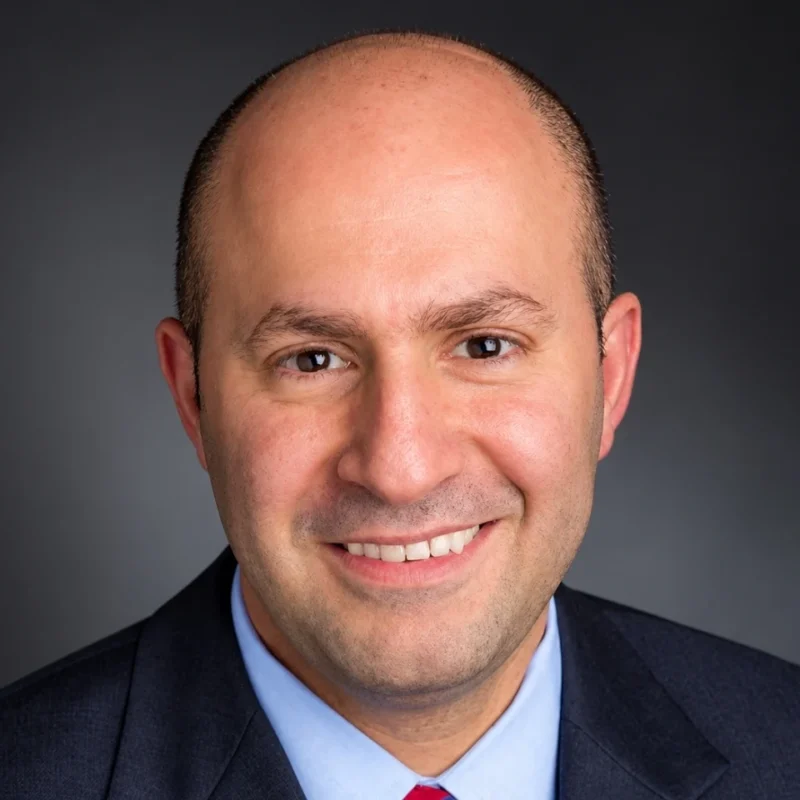

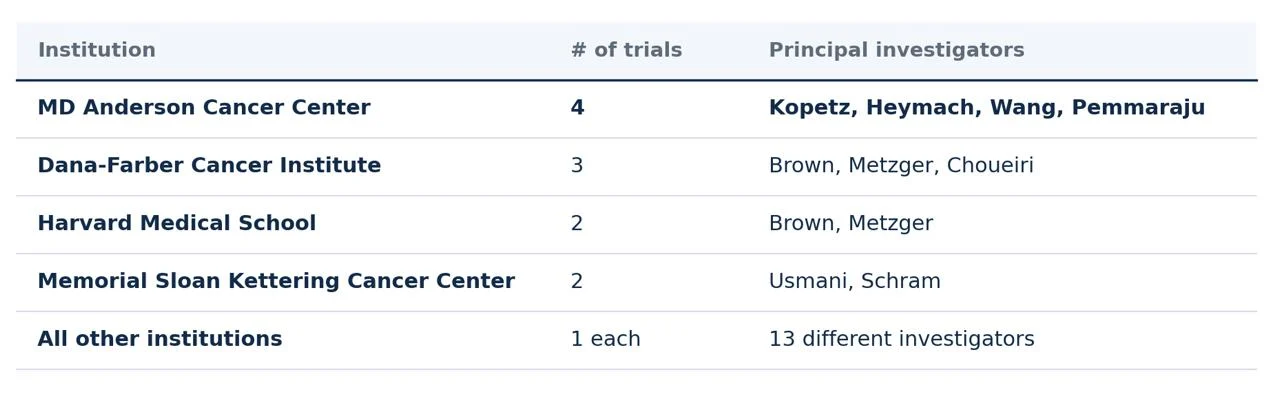
Which institutions had the biggest share?
University of Texas MD Anderson Cancer Center
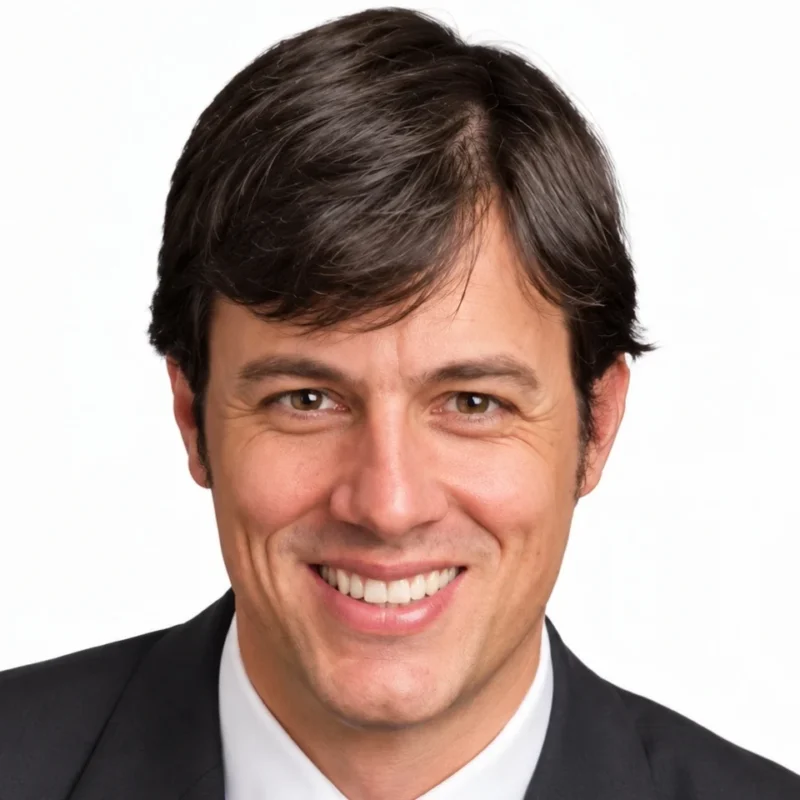
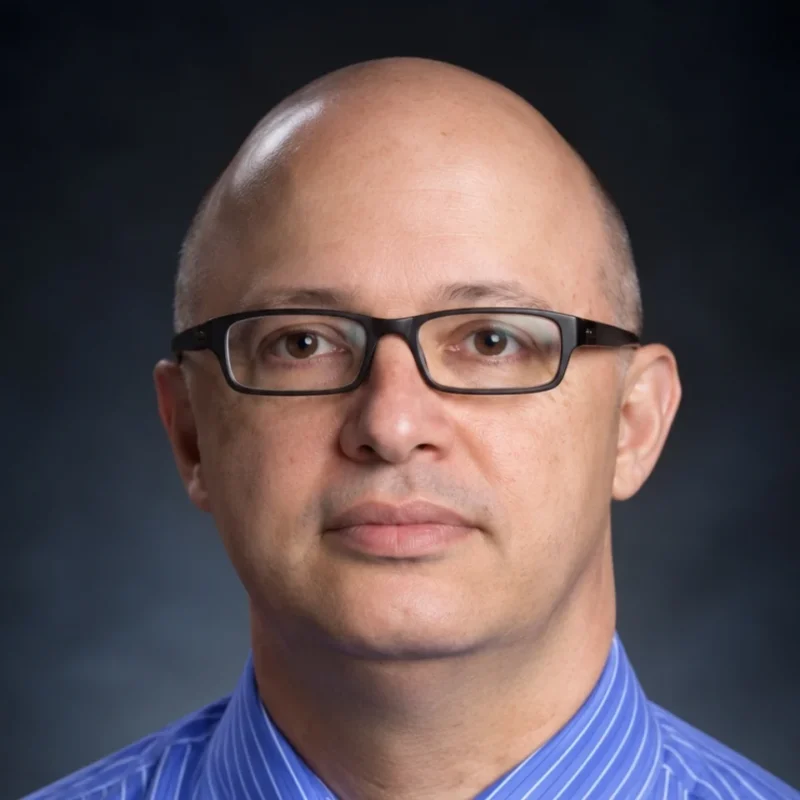
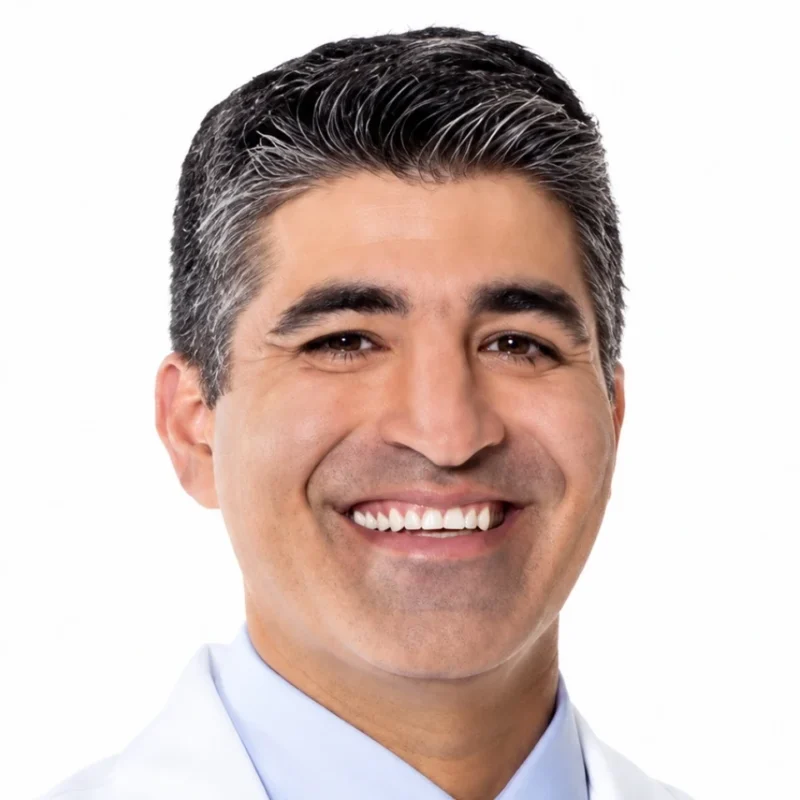
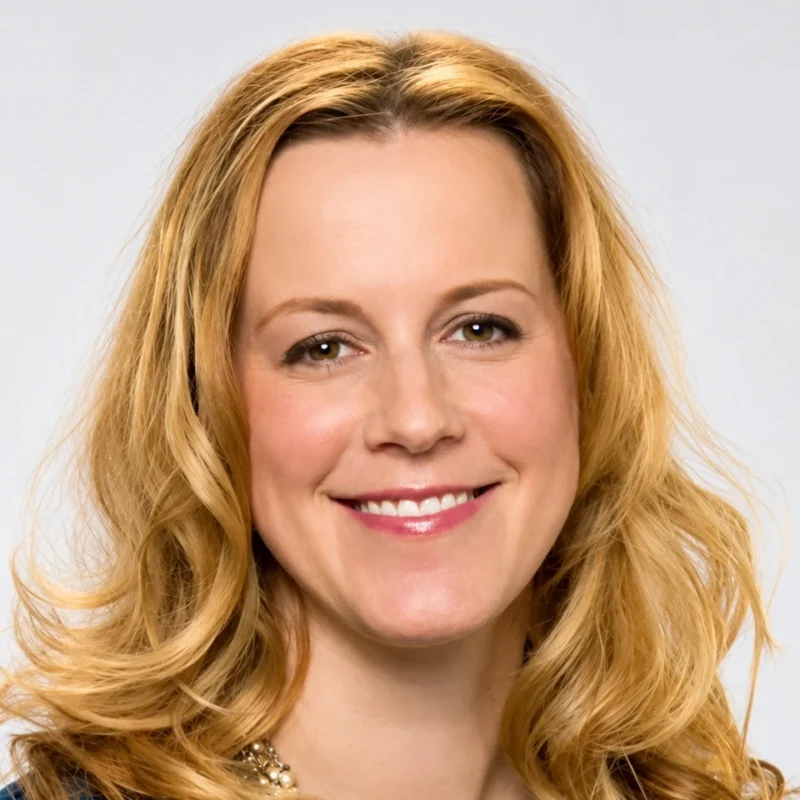
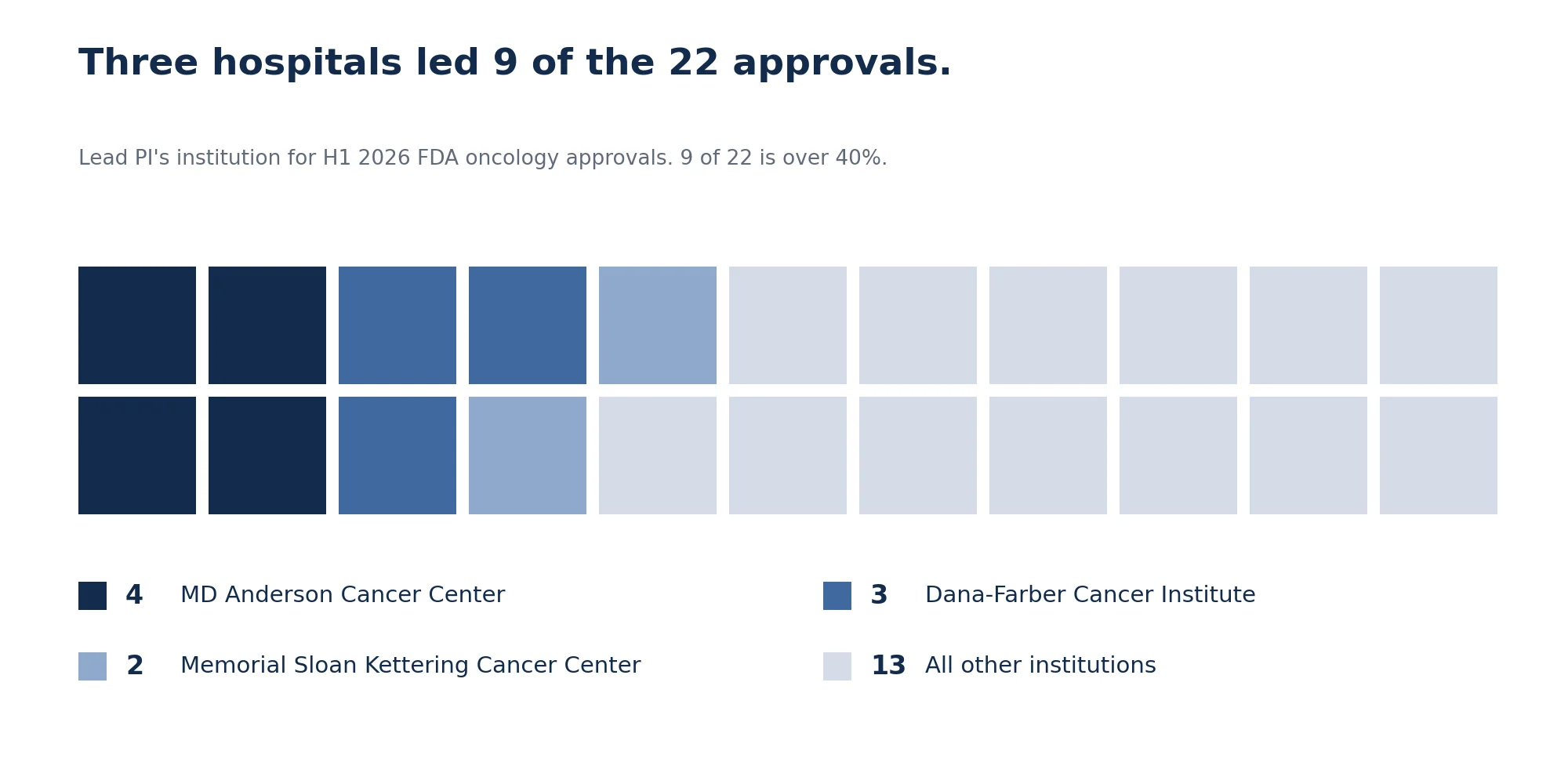
UT MD Anderson leads the list. One of the largest cancer hospitals in the world holds its position not only in quality care but also continuous, impactful cancer research. Its investigators led 4 trials in this six-month window.
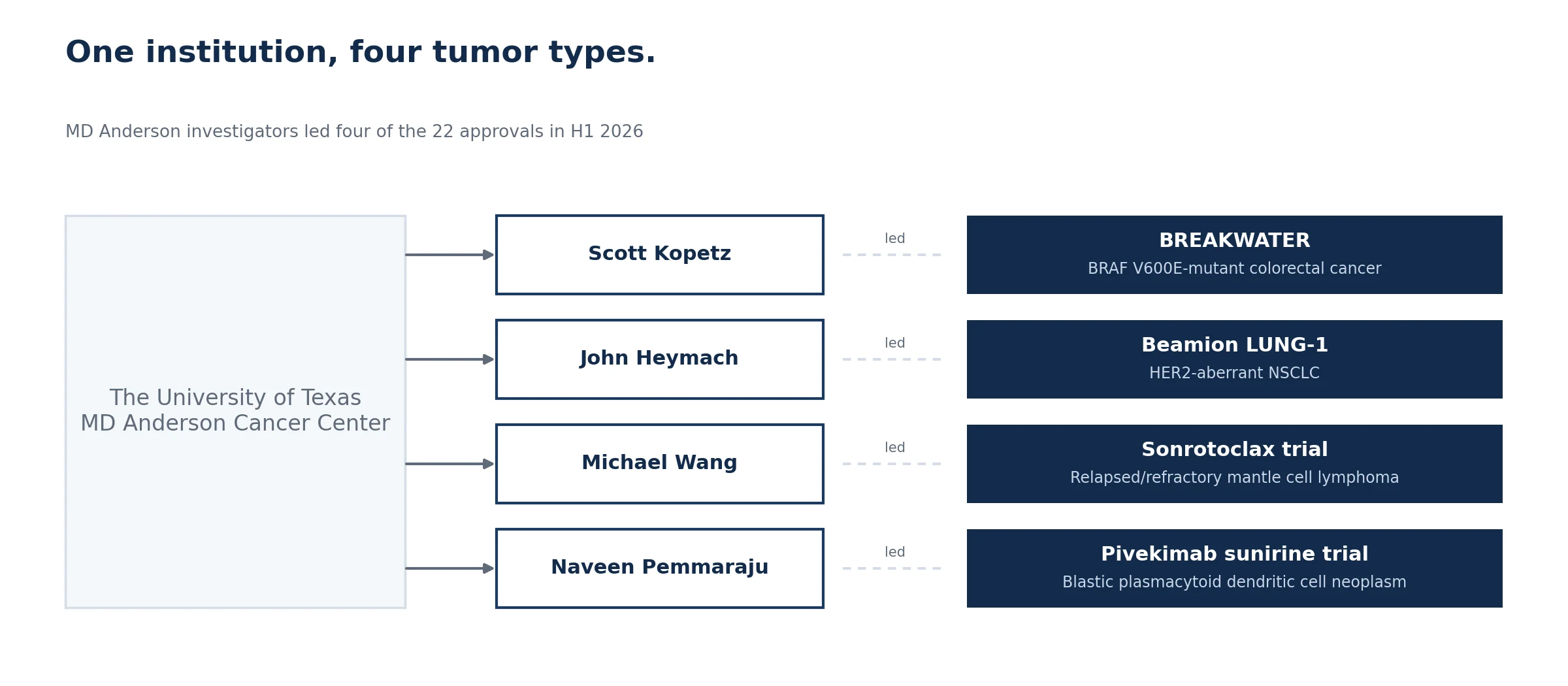
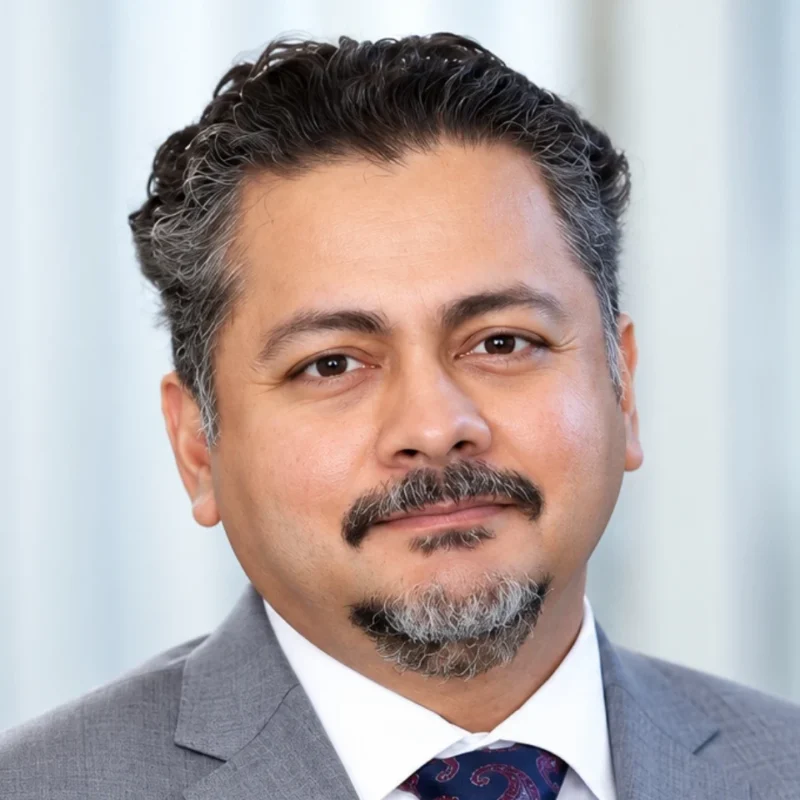
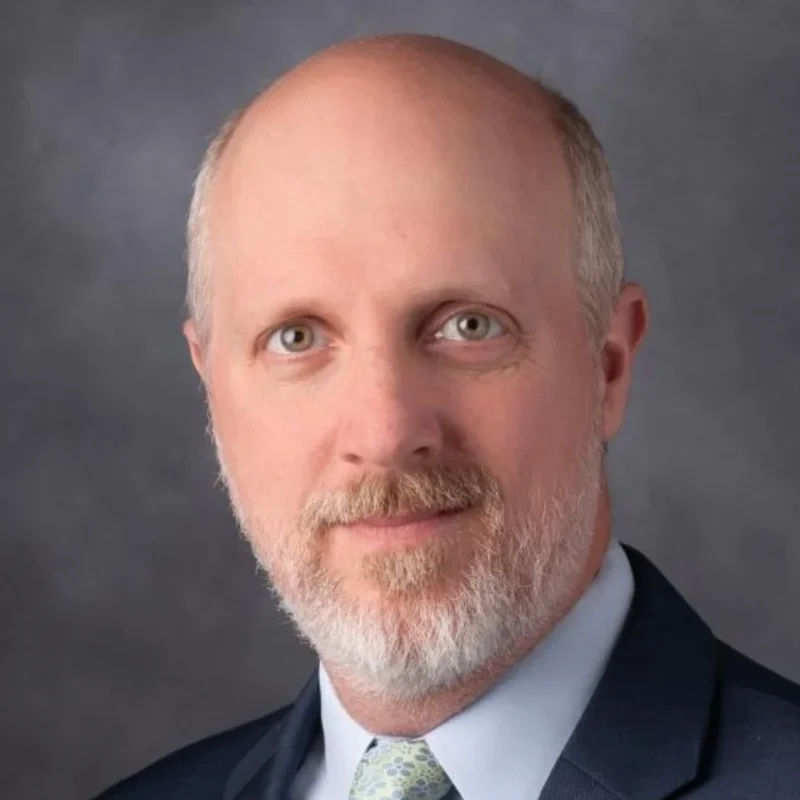
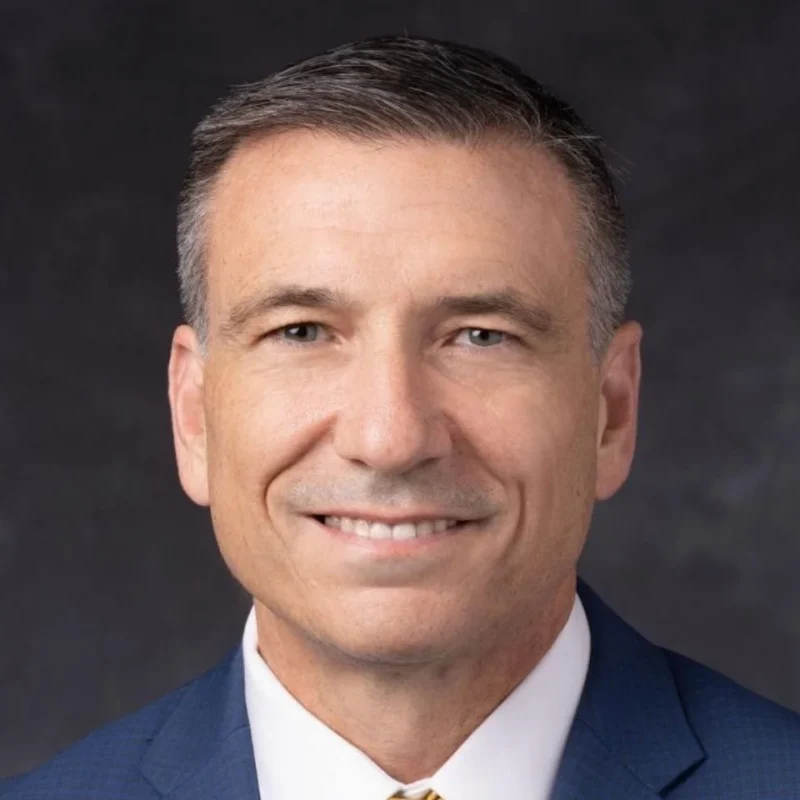
- Scott Kopetz serves as a Professor and Deputy Chair in the Department of Gastrointestinal Medical Oncology at MD Anderson. At the ESMO GI Cancers Congress 2026, he presented molecular analyses from the phase 3 BREAKWATER study.
- John Heymach is the Chair and Professor in the Department of Thoracic/Head and Neck Medical Oncology and holds the prestigious Ruth Legett Jones Distinguished Chair. He presented the Beamion LUNG-1 trial during the European Lung Cancer Congress 2026.
- Michael Wang ran the study behind sonrotoclax in mantle cell lymphoma. He is a Professor in the Department of Lymphoma & Myeloma.
- Naveen Pemmaraju led the pivekimab sunirine trial in blastic plasmacytoid dendritic cell neoplasm. He is a Professor in the Department of Leukemia.
Dana-Farber Cancer Institute
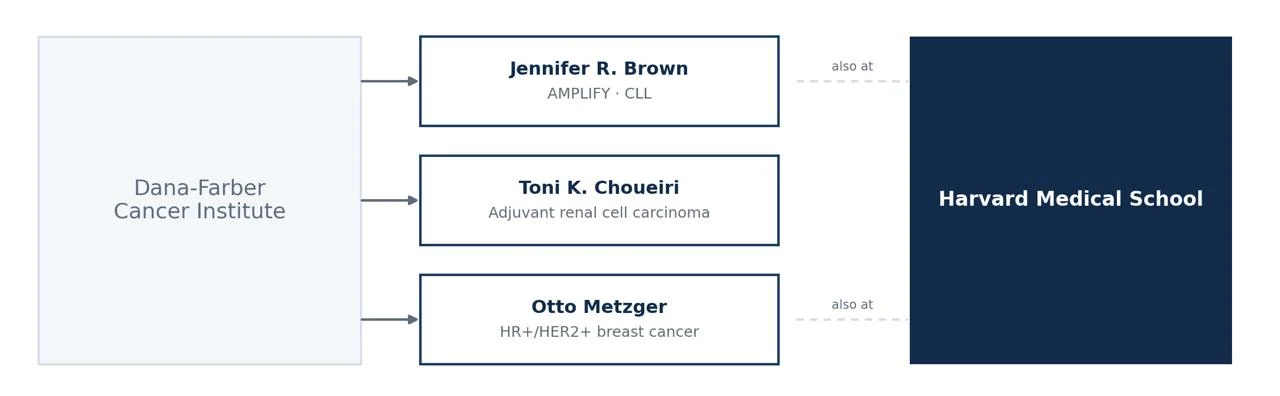
Dana-Farber brought oncology new regimens from hematology to breast cancer (as expected), with three separate investigators.
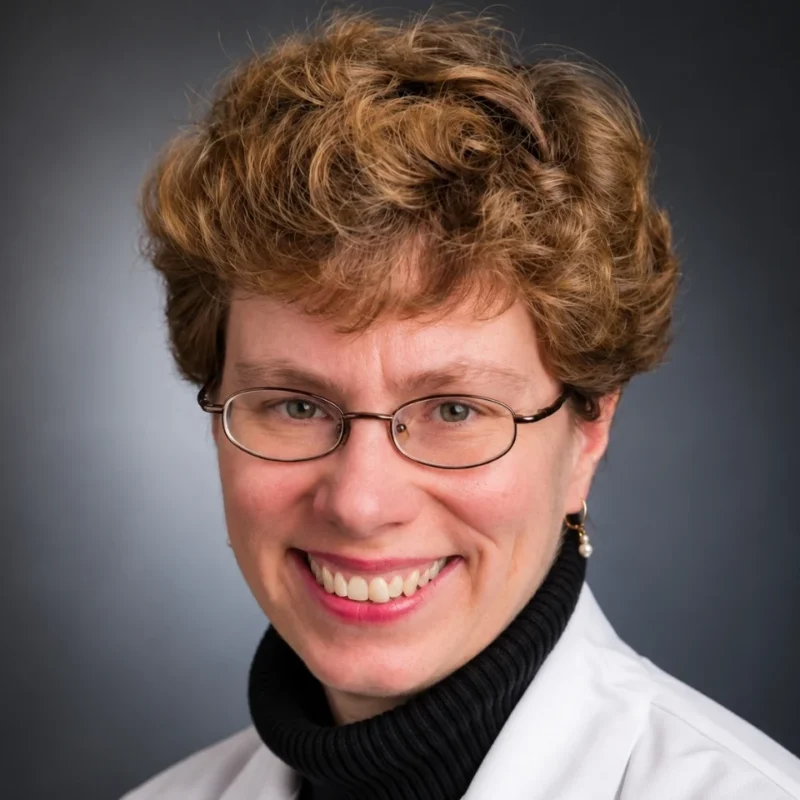
- Jennifer Brown is the Director of the CLL Center of the Division of Hematologic Malignancies. She is also a Professor of Medicine in the Field of Hematologic Oncology at Harvard Medical School. She led the phase 3 AMPLIFY trial, which she presented at the ASH 2024 Annual Meeting.
- Toni Choueiri serves as Chief of the Lank Center for Genitourinary (GU) Oncology and co-leader of the Harvard Cancer Consortium Kidney Cancer Program. At the 2026 ASCO Genitourinary Cancers Symposium, he presented results from the phase 3 LITESPARK-022 trial.
- Otto Metzger is a medical oncologist at Dana-Farber and a professor at Harvard Medical School. He led the phase 3 PATINA (AFT-38) trial, which he presented as a late-breaking abstract at the 2024 San Antonio Breast Cancer Symposium (SABCS).
Dana-Farber’s lead investigators also hold academic appointments at Harvard Medical School.
Notably, Otto Metzger’s study was sponsored by Alliance Foundation Trials, making it one of the two academically sponsored studies on this list.
Memorial Sloan Kettering Cancer Center
MSKCC is the home for two PIs whose research led to regulatory approvals:
- Saad Usmani (CEPHEUS in newly diagnosed multiple myeloma). Dr. Usmani is a hematologist-oncologist specializing in the care of patients with multiple myeloma and other disorders affecting plasma cells.
- Alison Schram (eNRGy in NRG1 fusion-positive cholangiocarcinoma), who serves as a Gynecologic Medical Oncologist at MSKCC.
The global breakdown of the PI institutions
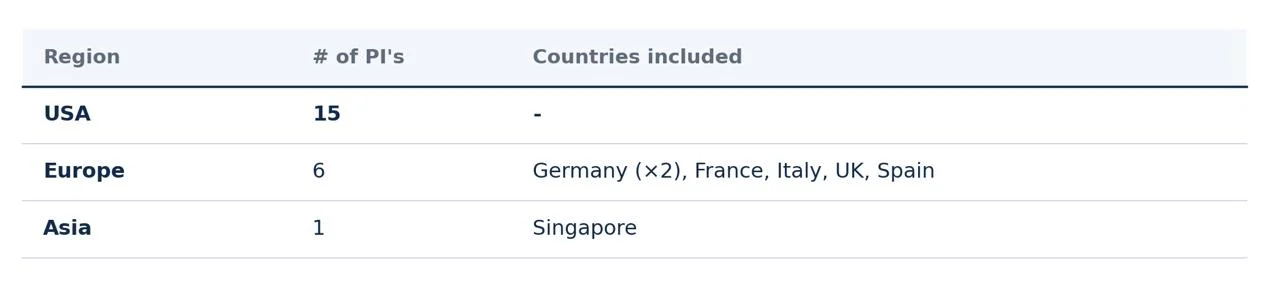
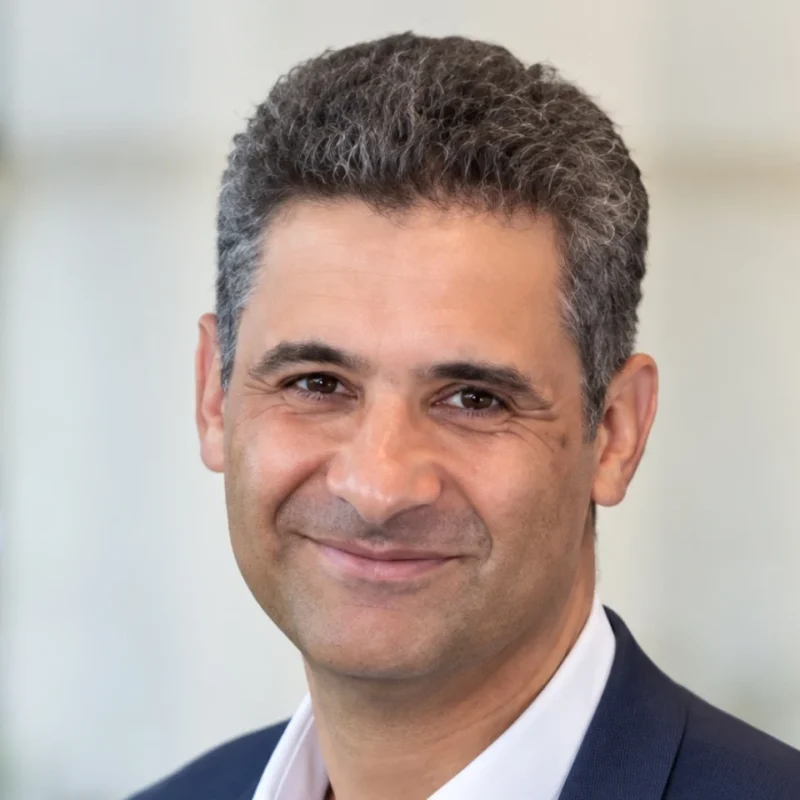
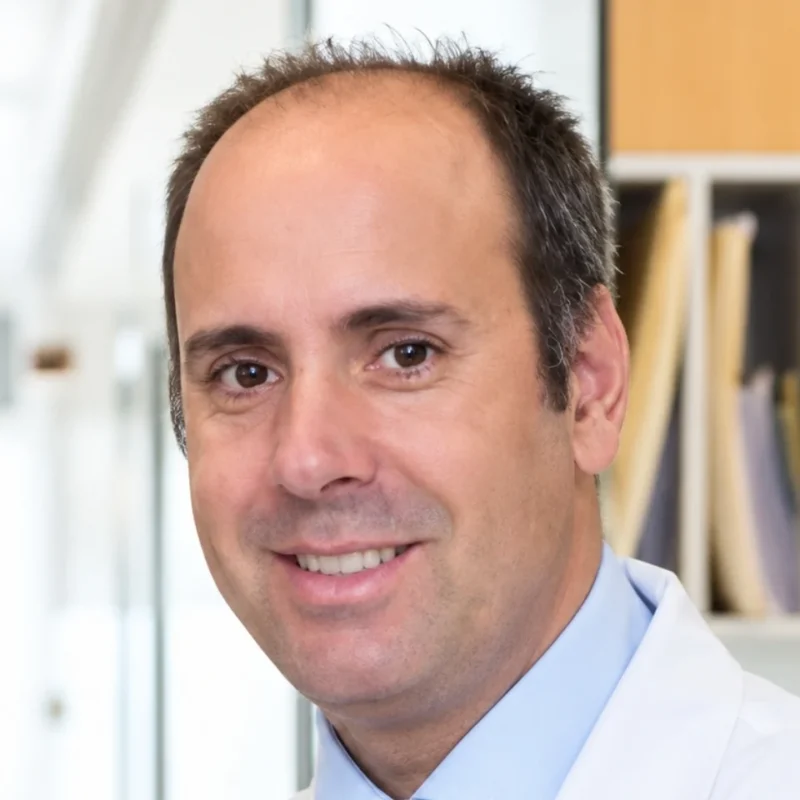
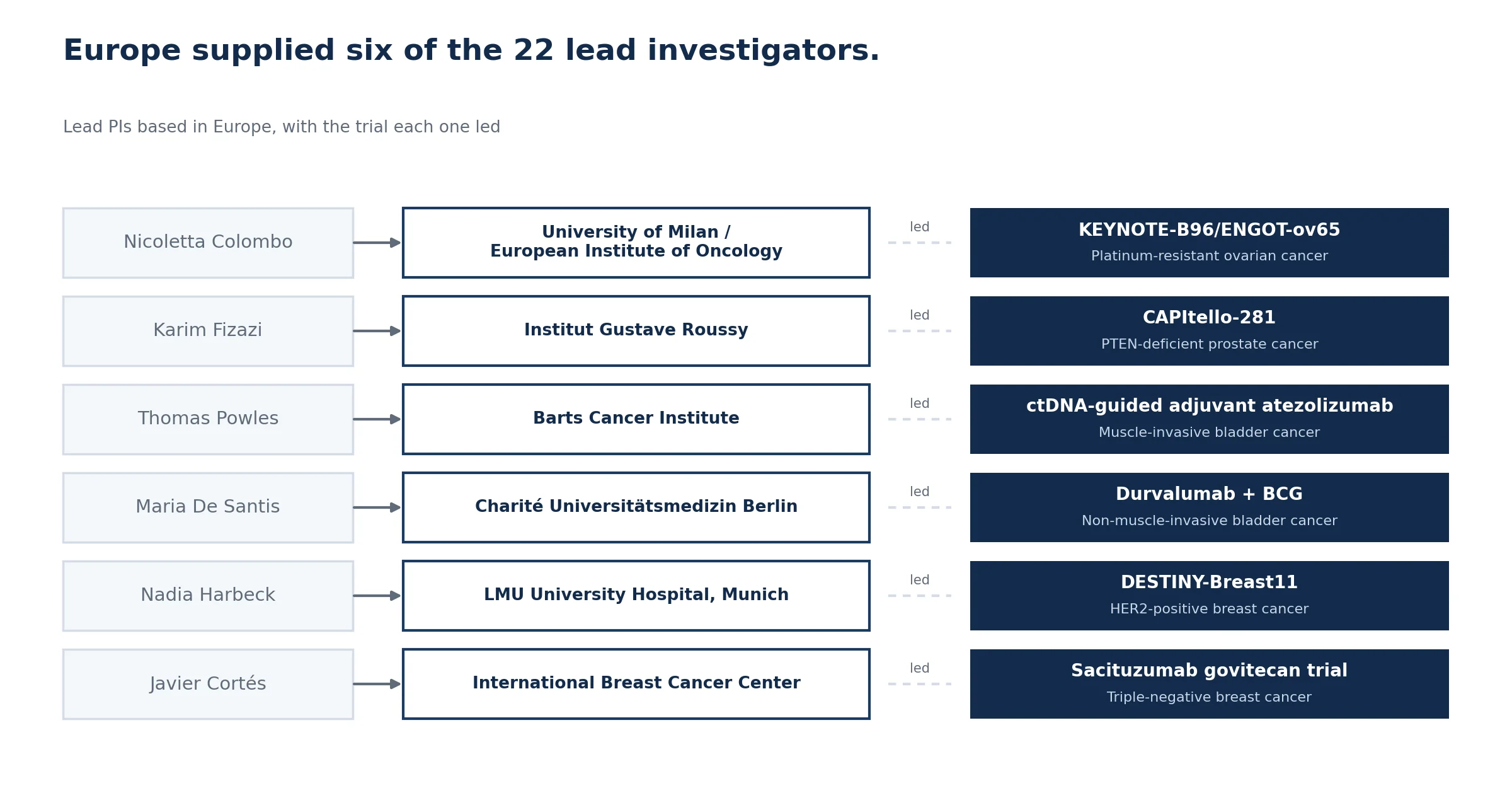
Seven of the twenty-two trials were led by investigators from outside the United States. Six of them came from Europe, and one came from Asia.
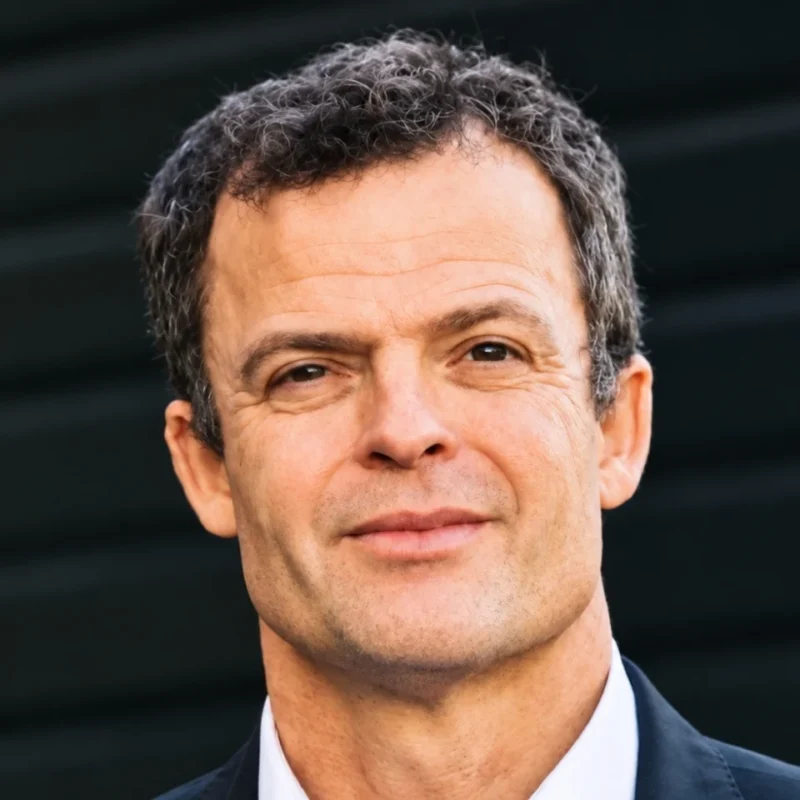
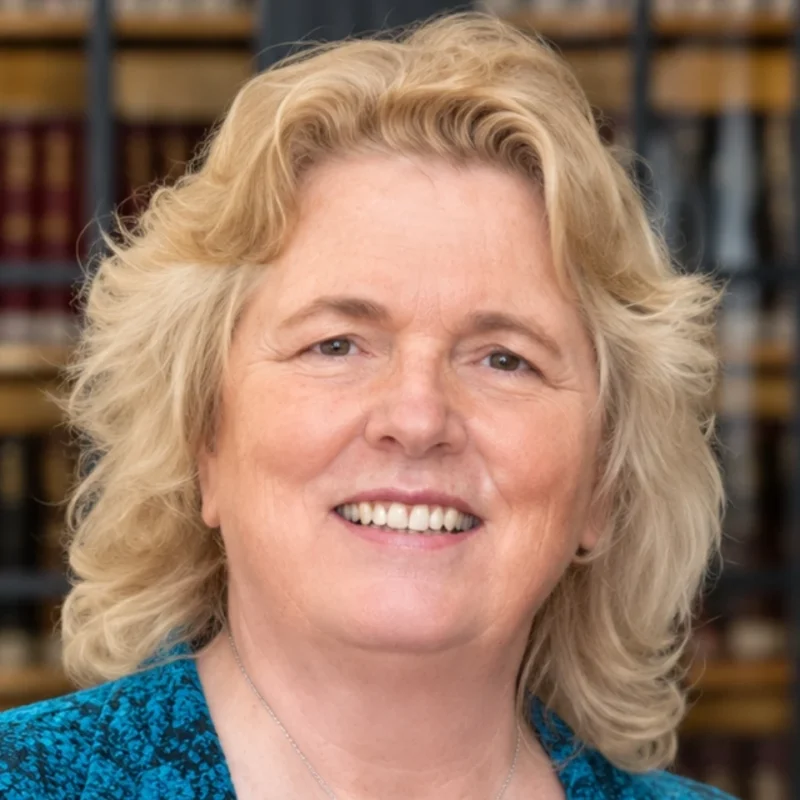
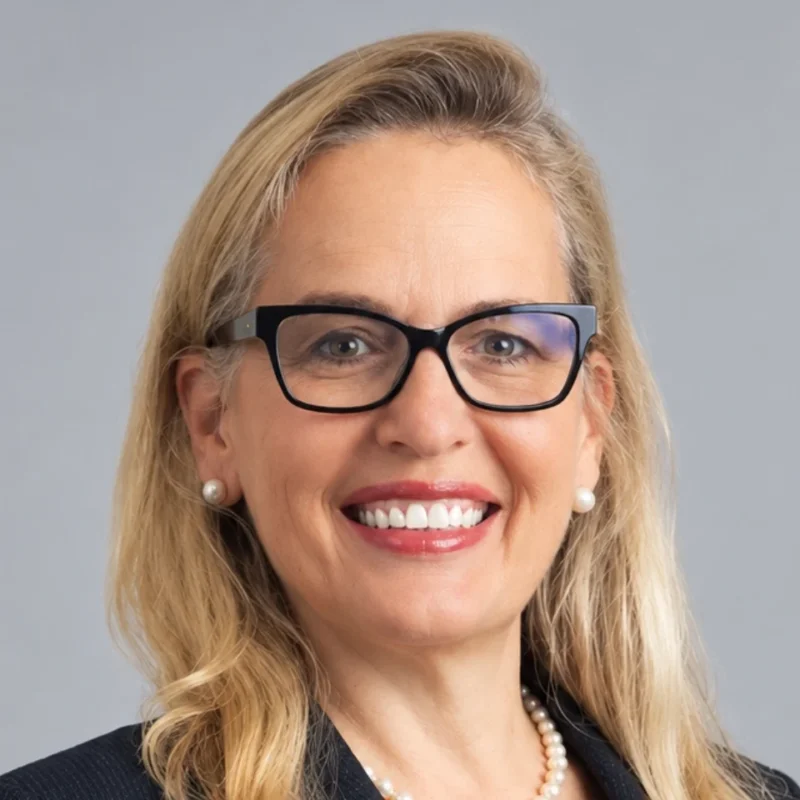
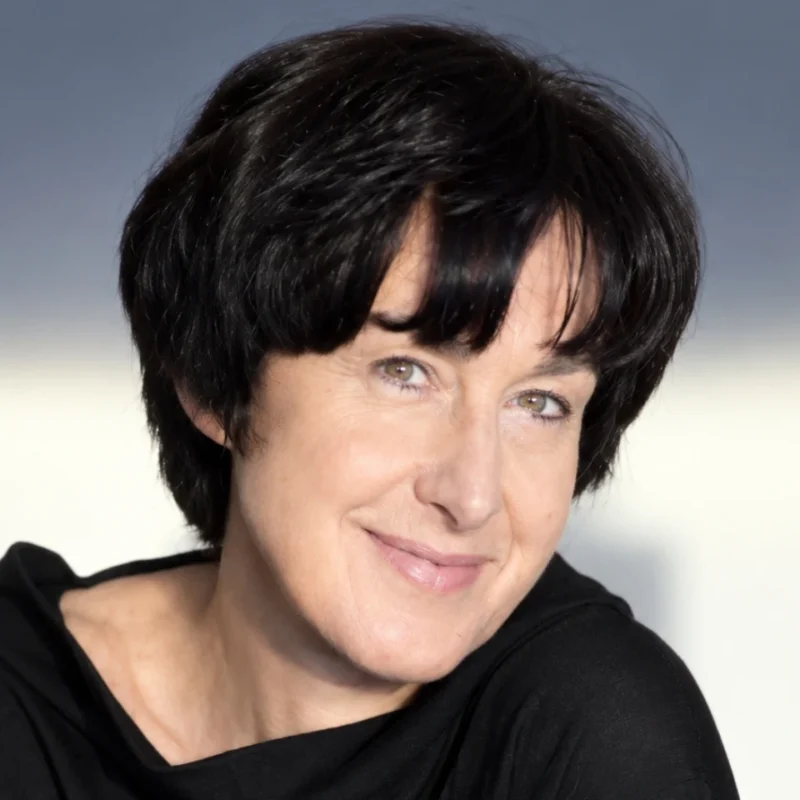
In Asia, Rebecca Dent (National Cancer Centre Singapore) led TROPION-Breast02 in metastatic triple-negative breast cancer, the sole approval in this period with a lead PI based in Asia.
Conclusion
Looking at the pattern of the institution’s PIs come from, we can see that pharmaceutical sponsors often go to the same group of institutions to find investigators. Over 40 percent of all trials in a six-month window feature lead investigators from just three hospitals, so this shows where the industry turns when it needs the patient volume, infrastructure, and expertise to get a complex trial across the finish line.
The international sites don’t break that pattern either. Institut Gustave Roussy, Charité Universitätsmedizin Berlin, Barts Cancer Institute, and the University of Milan aren’t smaller centers getting their first pivotal trial. They’re the same tier of large and established institutions.
Going with familiar infrastructure is the safer choice for the sponsor, but if industry keeps returning to the same handful of institutions, newer and more diverse centers will never get the chance to build the infrastructure or experience that would let them be ready for the next one. Patients who need access to breakthrough treatment but don’t live near one of these regions and hospitals, whether for geographic, socioeconomic, or other reasons, may never have the option to enroll in the studies.
Most of the pivotal trials behind these approvals being completed at a small set of institutions is not a flaw in a single trial. But as a pattern repeated this many times over six months, it raises a real question: who gets to lead the next generation of cancer research, and who gets left out of it by default.
About BIGR
This study was conducted by the Boston Institute for Global Rankings (BIGR) – an academic initiative dedicated to transparent, data-driven evaluation of excellence in universities, medical centers, and healthcare professionals worldwide. With a focus on performance, impact, and innovation, BIGR aims to create meaningful global benchmarks for the future.
Think BIGR
Read our previous articles analyzing the 2026 FDA approvals in oncology:
- Which Drugs and Pharma Shaped Oncology in the First Half of 2026? Breaking Down FDA Approvals
- Who Shaped Oncology in the First Half of 2026: Breaking Down Approvals by Indications