
Key takeaways
- 22 FDA approvals
- 15 distinct indications
- 5 breast cancer approvals
- 8 blood cancers approvals
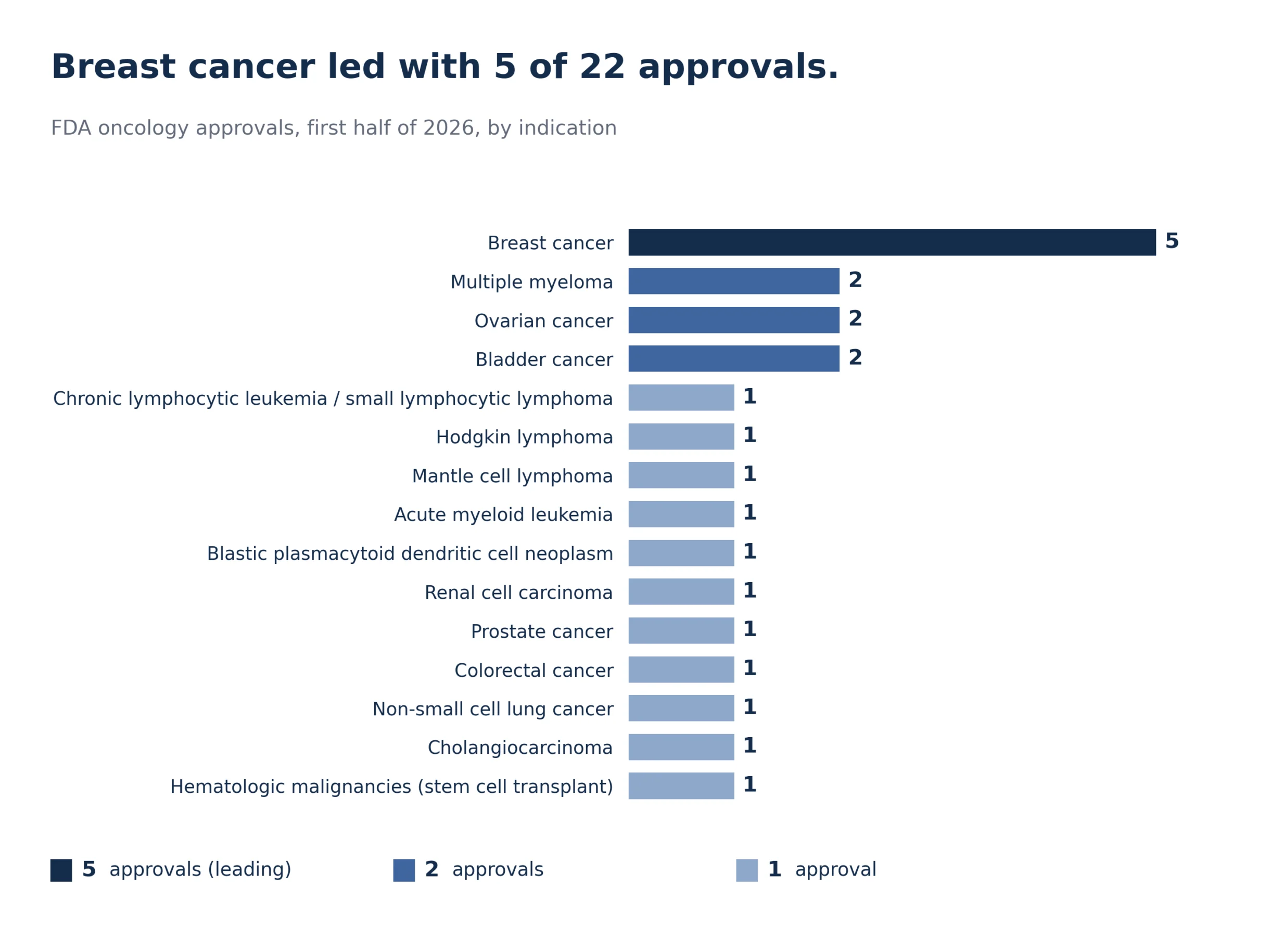
This article focuses on where the 2026 approvals landed by their indications. The 22 approvals covered 15 distinct indications, with breast cancer leading the list with 5 approvals. Blood cancers received 8 approvals across 7 indications overall. Multiple myeloma, ovarian cancer, and bladder cancer got 2 approvals each. Rare and genomically narrow diseases such as BPDCN, NRG1 fusion-positive cholangiocarcinoma, and PTEN-deficient prostate cancer also received one approval each. Two of the approvals brought genuinely new mechanisms. Vepdegestrant is the first approved PROTAC, and relacorilant is the first approved selective glucocorticoid receptor antagonist.
Across the first half of 2026, the U.S. Food and Drug Administration cleared twenty-two new oncology approvals, each one the product of a pivotal trial and years of evidence. In this article we grouped the approvals by their indications: cancer types. The data reveals which diseases made the most progress during these six months.
About This Data
We searched the FDA website for oncology drug and biologic approvals made between January 1 and June 30, 2026, and extracted data on each approval’s trial name, approved drug name(s), approval date, approved indication(s), and responsible party. This search identified twenty-two approvals across distinct tumor types.
In this article, we focus on the disease areas where these approvals were concentrated. The companies and drugs behind each approval are discussed in our previous article.
Breast Cancer
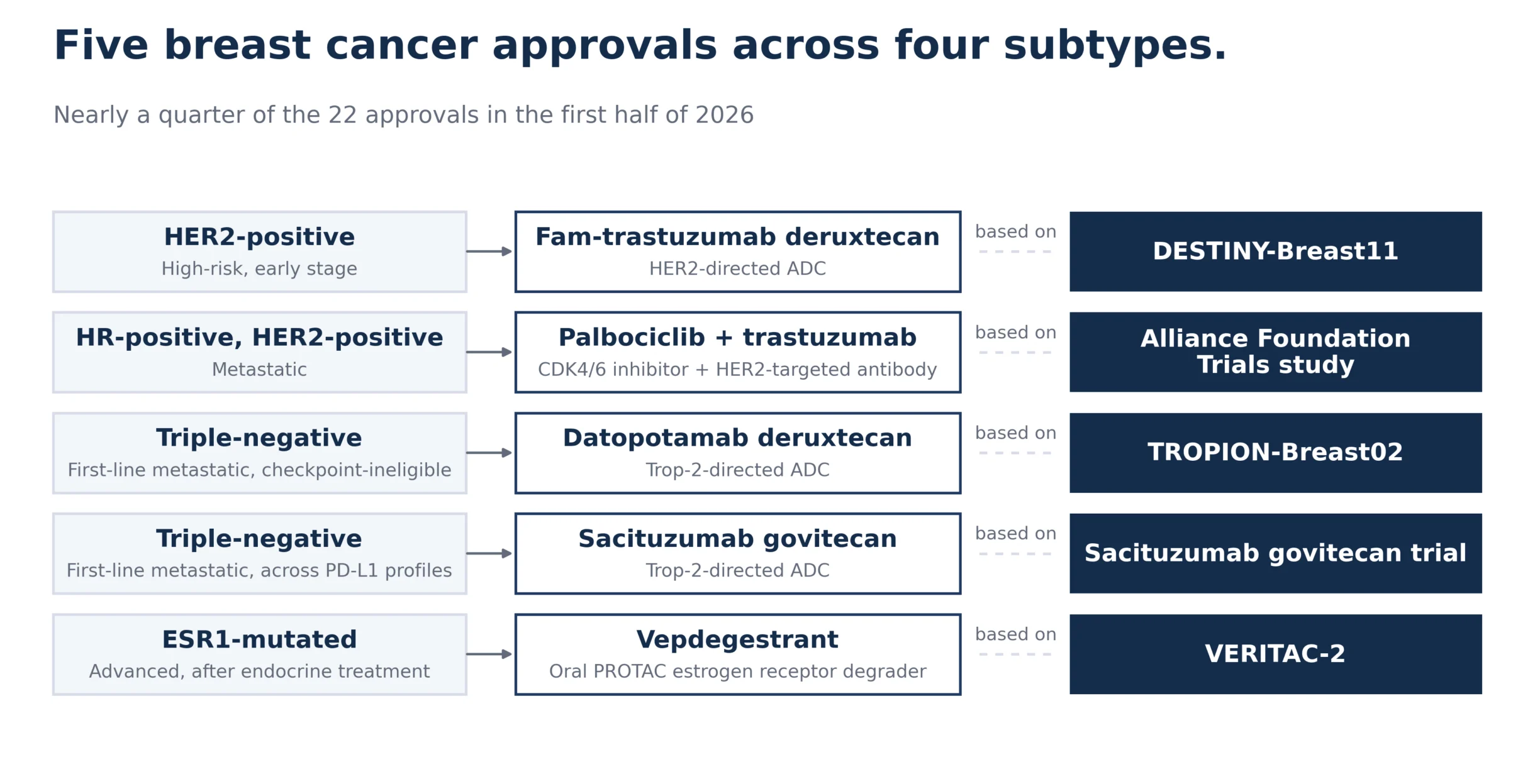
Breast cancer dominated the landscape, accounting for five of the twenty-two approvals, which is nearly a quarter of the total. This half’s approvals touched nearly every major subtype the disease comes in.
- HER2-positive breast cancer, defined by overexpression of the HER2 receptor on tumor cells, is a fast-growing disease but also gives oncologists a clear molecular target. In high-risk, early-stage HER2-positive disease, fam-trastuzumab deruxtecan, a HER2-directed antibody-drug conjugate, was approved as neoadjuvant therapy, based on the DESTINY-Breast11 trial.

Read about HER2-positive breast cancer.
- In HR-positive, HER2-positive metastatic disease, a subtype expressing both targets, the CDK4/6 inhibitor palbociclib earned approval in combination with the HER2-targeted antibody trastuzumab.
- Triple-negative breast cancer has historically been the hardest subtype to target precisely, since it doesn’t respond to hormone therapy or HER2-directed drugs. First-line metastatic disease in this subtype picked up two separate Trop-2-directed antibody-drug conjugates: datopotamab deruxtecan, for patients not eligible for checkpoint inhibitor therapy, based on TROPION-Breast02, and sacituzumab govitecan, approved across differing PD-L1 profiles.
Meanwhile, ESR1 mutations represent a common pathway by which hormone receptor-positive breast cancer develops resistance to standard endocrine therapy.
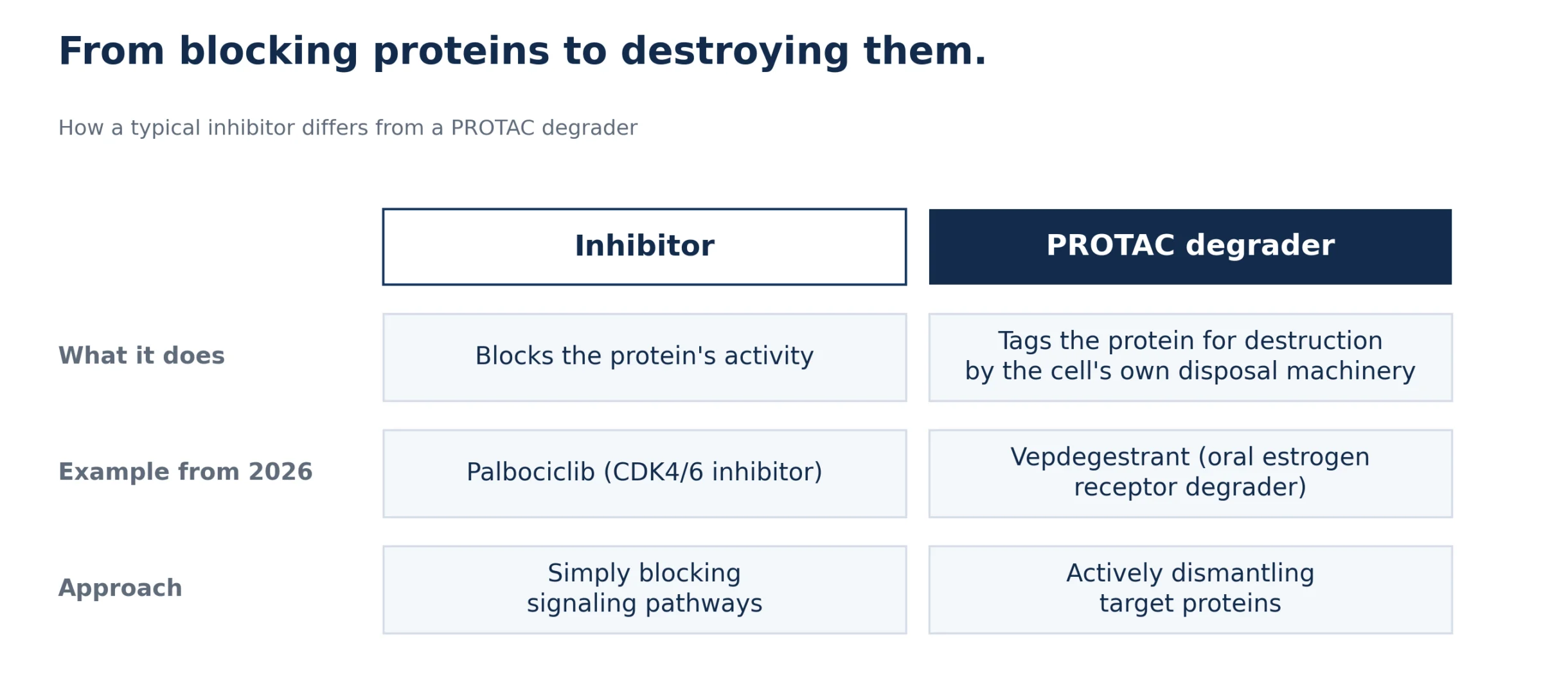
- In ESR1-mutated advanced disease following prior endocrine treatment, vepdegestrant – an oral PROTAC-based estrogen receptor degrader- was approved based on the VERITAC-2 trial. PROTACs work differently from almost every other drug group on this list: instead of blocking a protein activity the way a typical inhibitor does, they tag the protein for destruction by the cell’s own disposal machinery. Arvinas has been developing it since 2013. It took years for that idea to produce an approved medicine, and breast cancer happened to be where it landed first.
Together, these five approvals span nearly every major breast cancer subtype and every stage of disease, from early, potentially curable presentations to heavily pretreated metastatic settings.
Read more about breast cancer on OncoDaily.
Blood Cancers
Hematologic malignancies’ momentum was spread across a wide range of individual blood cancers rather than concentrated in a single disease.
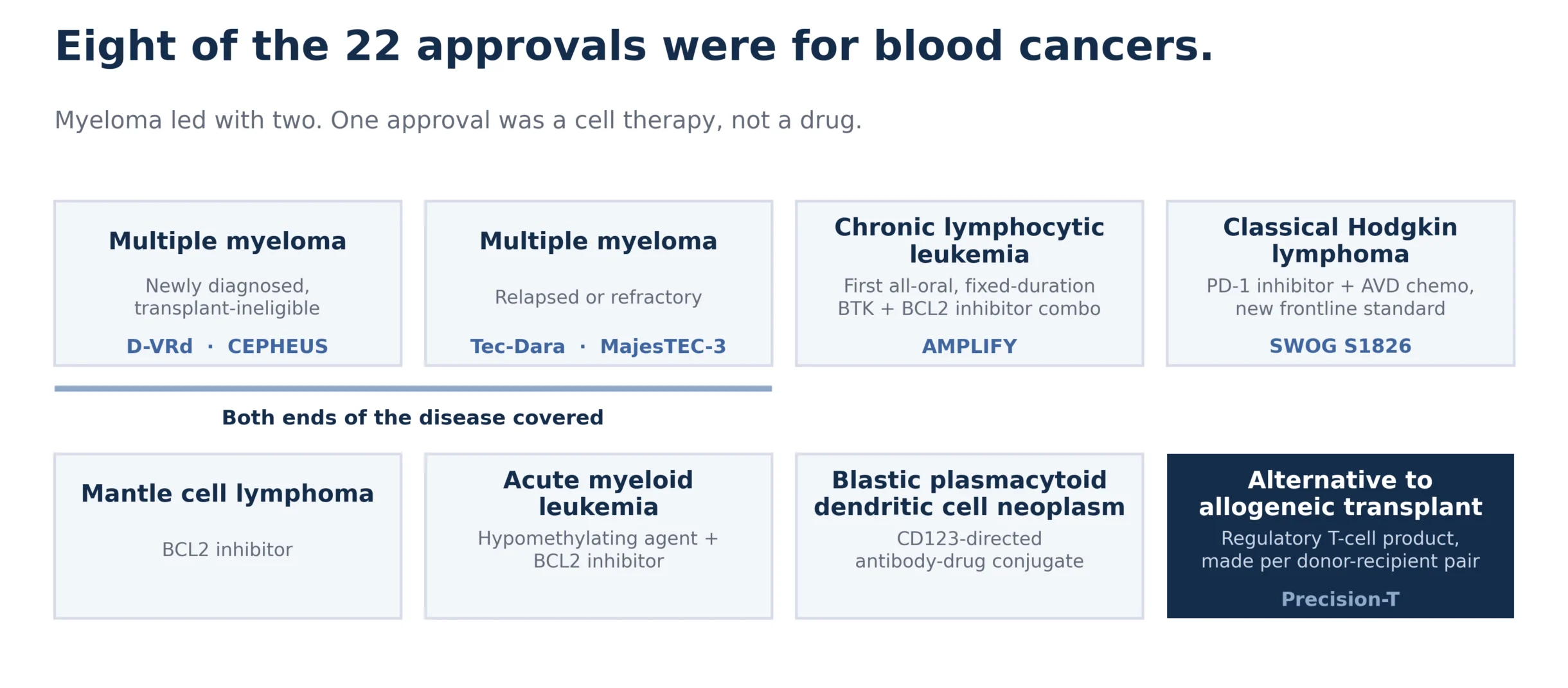
- Multiple myeloma picked up two approvals. In newly diagnosed, transplant-ineligible disease, D-VRd, an anti-CD38 antibody combined with a proteasome inhibitor, an immunomodulator, and a steroid, was approved based on the CEPHEUS trial. In relapsed or refractory disease, Tec-Dara, a BCMA-targeted bispecific antibody paired with the same anti-CD38 antibody, was approved based on MajesTEC-3. Together they cover both the newly diagnosed and previously treated ends of the disease.
- Chronic lymphocytic leukemia gained its first all-oral, fixed-duration combination of a BTK inhibitor and a BCL2 inhibitor, acalabrutinib plus venetoclax, through the AMPLIFY trial.
- Classical Hodgkin lymphoma saw a PD-1 inhibitor added to standard AVD chemotherapy as a new frontline standard for newly diagnosed advanced-stage disease, via the SWOG S1826 trial.
- Mantle cell lymphoma, acute myeloid leukemia, and blastic plasmacytoid dendritic cell neoplasm each picked up one approval as well: a BCL2 inhibitor for mantle cell lymphoma, a hypomethylating agent combined with a BCL2 inhibitor for AML, and a CD123-directed antibody-drug conjugate for BPDCN.
Read about the Current Perspectives on Blastic Plasmacytoid Dendritic Cell Neoplasm
- The most structurally distinct approval in this dataset also falls under blood cancer. An allogeneic, regulatory T-cell-based cell therapy was cleared as an alternative to standard-of-care allogeneic transplant for patients with AML, ALL, high-risk MDS, and mixed-phenotype acute leukemia, based on the Precision-T trial. Manufactured individually for each donor-recipient pair, it sits closer to a personalized cellular product than a conventional drug.
Gynecologic Cancers
Ovarian cancer produced two approvals addressing platinum-resistant disease from different mechanistic angles. Pembrolizumab combined with paclitaxel and bevacizumab introduced effective checkpoint inhibition to a disease setting where immunotherapy previously failed to take hold (KEYNOTE-B96/ENGOT-ov65), while relacorilant, paired with nab-paclitaxel, took a cortisol modulation approach (ROSELLA).
Relacorilant is the first selective glucocorticoid receptor antagonist ever approved by the FDA, working through blocking cortisol from protecting tumor cells against the chemotherapy they’re already being given. Results from the ROSELLA trial translated into an overall survival improvement from 11.9 to 16.0 months, delivering a clear survival advantage in a population historically marked by resistant disease and limited therapeutic progress. Two approvals in the same disease, one built on an existing mechanism, one introducing a mechanism that was not relevant in oncology before this year.
Read about the ROSELLA trial.
Genitourinary Cancers: Bladder, Kidney, and Prostate
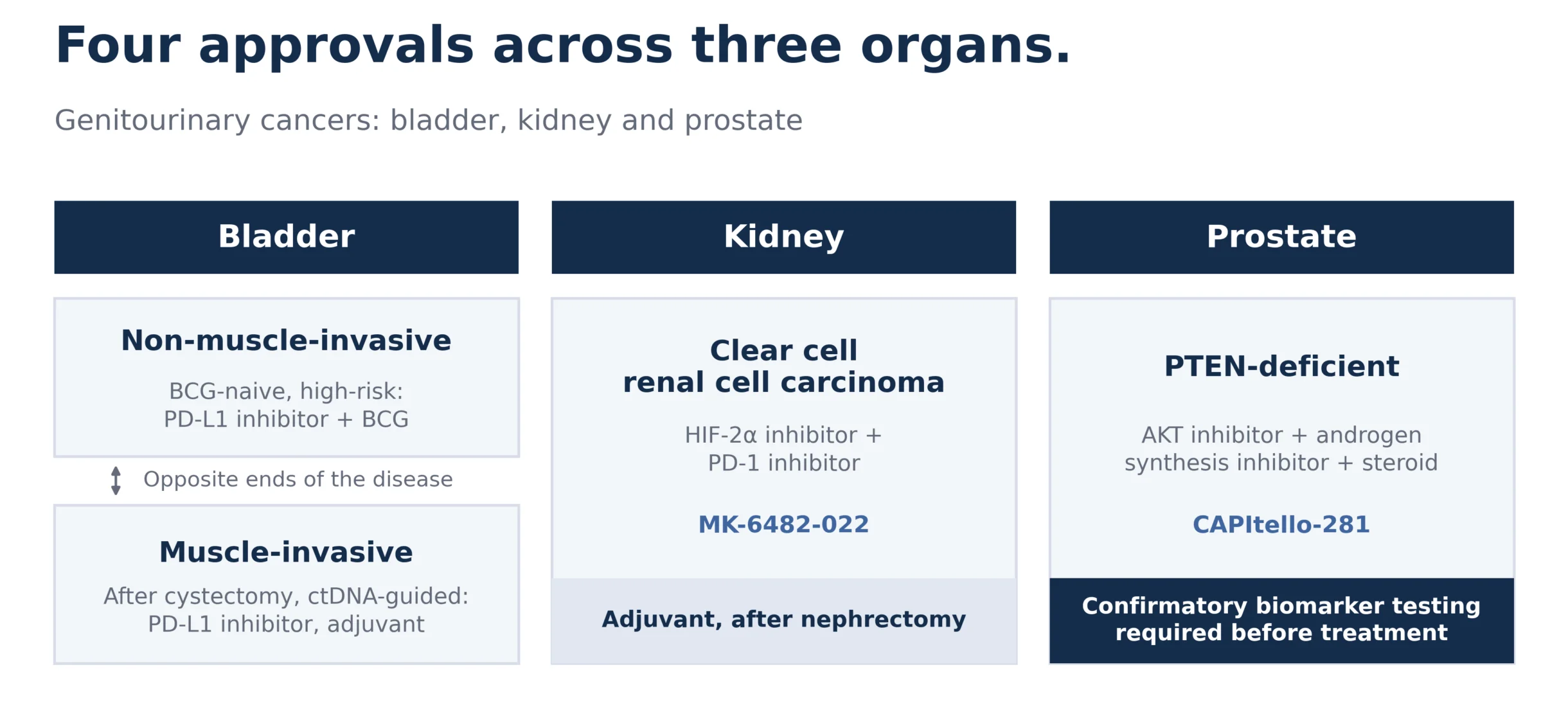
Genitourinary malignancies saw activity across three distinct organs.
- Bladder cancer picked up two approvals addressing opposite ends of the disease spectrum: a PD-L1 inhibitor as ctDNA-guided adjuvant therapy after cystectomy for muscle-invasive disease, and a second PD-L1 inhibitor combined with BCG for BCG-naïve, high-risk non-muscle-invasive disease.
- Renal cell carcinoma gained a HIF-2α inhibitor combined with a PD-1 inhibitor as adjuvant therapy for clear cell disease following nephrectomy, through the MK-6482-022 trial.
- Prostate cancer’s approval combined an AKT inhibitor with an androgen synthesis inhibitor and a steroid, for PTEN-deficient, androgen pathway modulation-naïve or -sensitive disease, based on the CAPItello-281 trial, a biomarker-defined indication that requires confirmatory testing before treatment.
Lung, Colorectal, and Biliary Cancer
Solid tumors outside the major categories above rounded out the period.
- In BRAF V600E-mutant colorectal cancer, a BRAF inhibitor combined with an EGFR inhibitor, with or without chemotherapy, was approved as first-line therapy based on the BREAKWATER trial.
- In HER2-aberrant non-small cell lung cancer, a HER2-directed tyrosine kinase inhibitor was approved based on Beamion LUNG-1.
- In NRG1 fusion-positive cholangiocarcinoma, a HER2/HER3-targeted bispecific antibody was approved based on the eNRGy trial, a bile duct cancer subtype defined entirely by a rare gene fusion.
Read about ESMO 2026 Guideline: Redefining the Management of Metastatic Colorectal Cancer.
Distribution of the Indications
Breast cancer’s five approvals reflect a field with a large, well-characterized patient population and a correspondingly large and mature pipeline of agents competing for market share within it. The long list of single-approval indications, by contrast, reflects the opposite dynamic: rare or genomically narrow diseases – BPDCN, NRG1-fusion cholangiocarcinoma, PTEN-deficient prostate cancer, where a single approval can represent the entirety of a patient population’s new treatment options for the foreseeable future.
Conclusion
The first half of 2026 proved that traditional target inhibition is no longer the research aim. We are moving from simply blocking signaling pathways to actively dismantling target proteins, reprogramming cellular environments, and unlocking pathways previously thought unaddressable.
In diseases like breast cancer, multiple myeloma, and ovarian cancer, the progress is coming from combining drugs with different mechanisms of action within a single regimen, so that resistance to one component does not translate into failure of the medication as a whole. Potent ADCs and quadruple-combination regimens are being moved directly to the frontline rather than being saved for late-line relapse. The arrival of genuinely new drug classes, oral PROTAC degraders and selective glucocorticoid receptor antagonists points to a different strategy for beating acquired resistance. Instead of blocking a receptor on the tumor’s surface, these drugs dismantle the mechanism the cancer depends on to survive in the first place.
For rare types of cancer, a single approval can reset the standard of care for a group of patients who had no targeted option before.
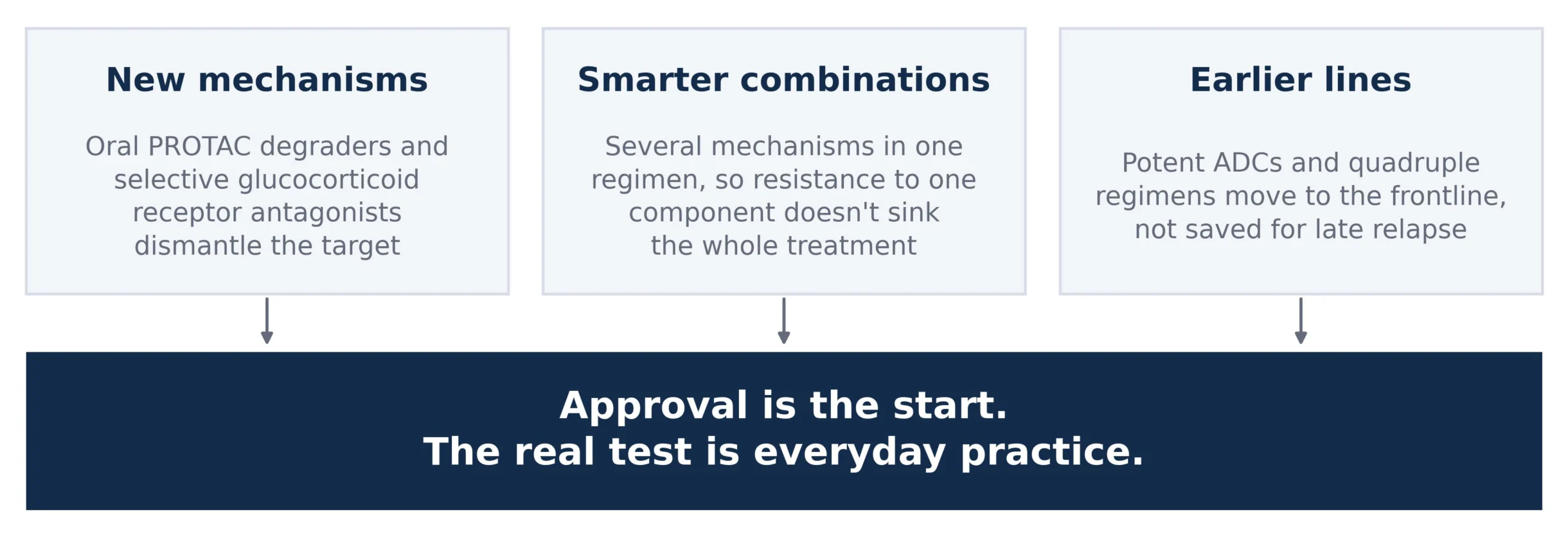
The real story of early 2026 isn’t just the number of successful approvals, but how much smarter and more complex these new medicines are becoming. Whether these approvals actually pay off will come down to something harder to measure right now: how effectively clinicians can integrate these regimens into everyday practice, and stay ahead of how the tumors evolve in response.
About BIGR
This study was conducted by the Boston Institute for Global Rankings (BIGR) – an academic initiative dedicated to transparent, data-driven evaluation of excellence in universities, medical centers, and healthcare professionals worldwide. With a focus on performance, impact, and innovation, BIGR aims to create meaningful global benchmarks for the future.
Think BIGR