NRG1 gene fusions define a rare but actionable oncogenic driver across multiple solid tumors, particularly pancreatic ductal adenocarcinoma (PDAC) and cholangiocarcinoma (CCA), where therapeutic options after progression remain extremely limited. Targeting the HER2–HER3 signaling axis has emerged as a rational strategy in this molecular subset.
Study Design and Methods
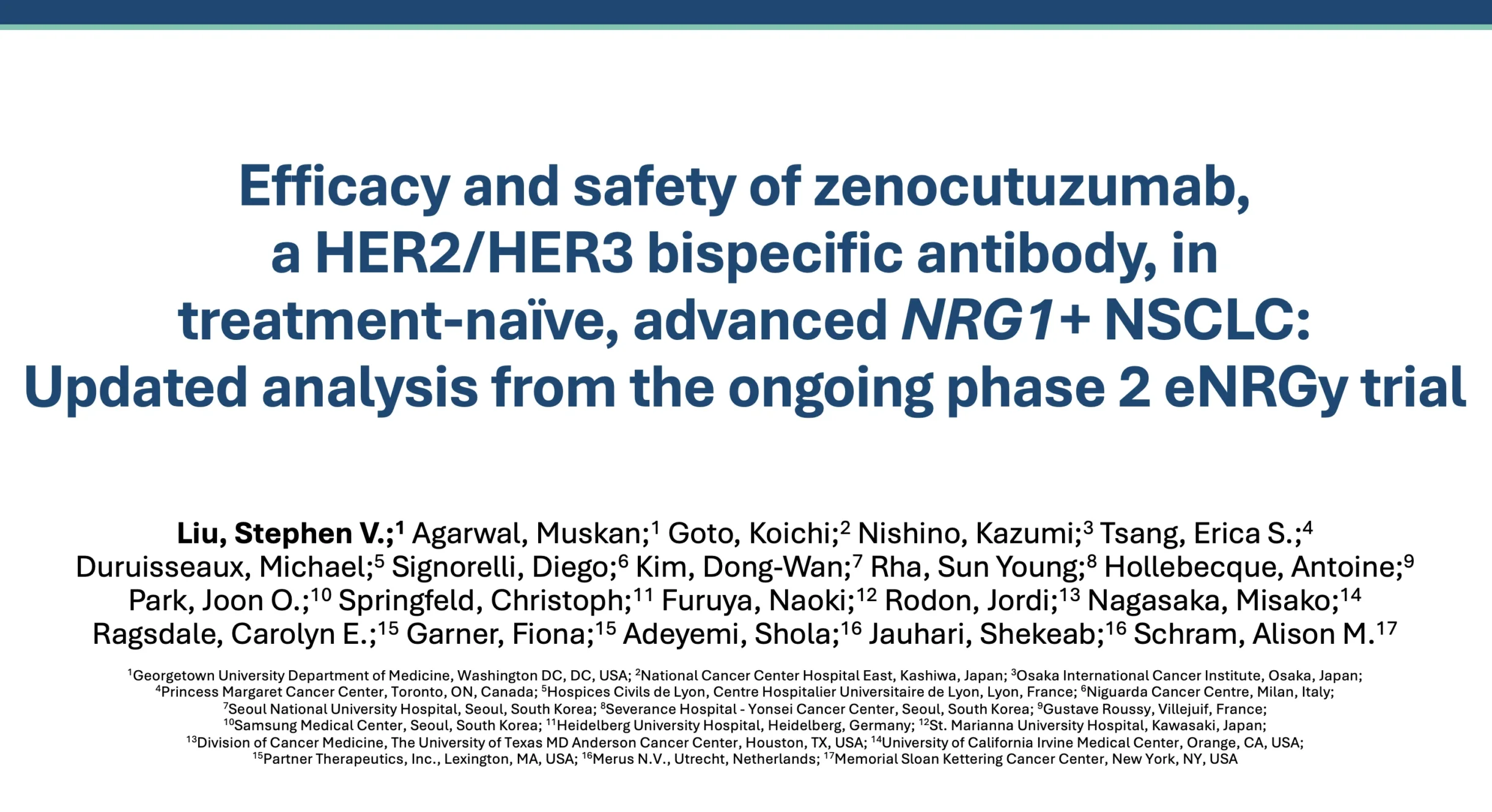
A post hoc analysis from the phase 1/2 eNRGy trial (NCT02912949) evaluated the efficacy and safety of Zenocutuzumab in patients with advanced NRG1 fusion–positive gastrointestinal malignancies who continued treatment beyond radiographic progression. The analysis focused on 17 patients (12 PDAC, 5 CCA) who received at least three doses of zenocutuzumab after documented disease progression.
Key Results
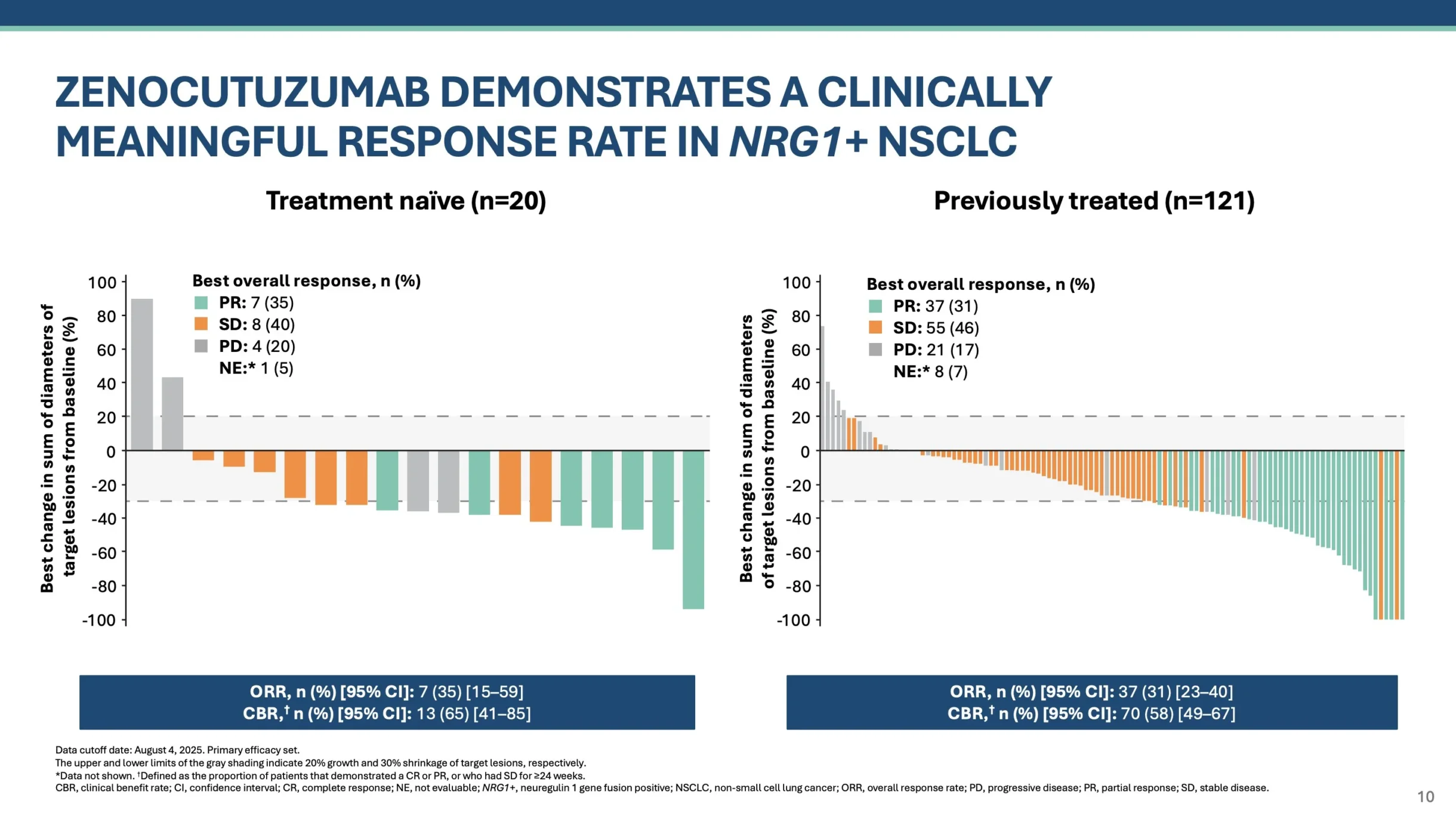
Among these heavily pretreated patients, zenocutuzumab achieved an objective response rate (ORR) of 35%, including 1 complete response and 5 partial responses, with an additional 8 patients experiencing stable disease. Importantly, the clinical benefit rate reached 65%, defined as complete response, partial response, or stable disease lasting at least 24 weeks. These findings were presented at the American Society of Clinical Oncology (ASCO) 2026 Gastrointestinal Cancers Symposium.
Durability of benefit was notable, with some patients maintaining disease control for multiple years despite prior progression, highlighting the potential value of continued HER3-directed therapy in selected cases.
Safety and Tolerability
Zenocutuzumab maintained a favorable safety profile in this extended-treatment setting. No adverse event–related treatment discontinuations were reported, and toxicities remained largely low-grade, consistent with earlier trial data.
Expert Perspective
“These findings highlight an important therapeutic opportunity for patients with NRG1[+] pancreatic and biliary cancers, which are often difficult to treat,”
said Alison M. Schram, lead author and medical oncologist at Memorial Sloan Kettering Cancer Center.
“In this analysis, zenocutuzumab provided ongoing benefit after radiographic progression, including multiyear disease control in some patients.”
Mechanism and Regulatory Context
Zenocutuzumab is a bispecific IgG1 antibody targeting HER2 and HER3, designed to block NRG1-driven oncogenic signaling while preserving receptor downregulation and immune engagement. In December 2024, the agent received FDA accelerated approval for advanced NRG1 fusion–positive pancreatic cancer and non–small cell lung cancer following priority review. In October 2025, the FDA also granted breakthrough therapy designation for unresectable or metastatic NRG1+ cholangiocarcinoma, with a supplemental biologics license application anticipated.
Clinical Implications
This post hoc analysis supports the concept that continuing targeted therapy beyond conventional progression criteriamay be clinically meaningful in select molecularly defined populations. For patients with NRG1-fusion GI tumors—where treatment options are scarce—zenocutuzumab represents a promising strategy capable of delivering sustained disease control with manageable toxicity.