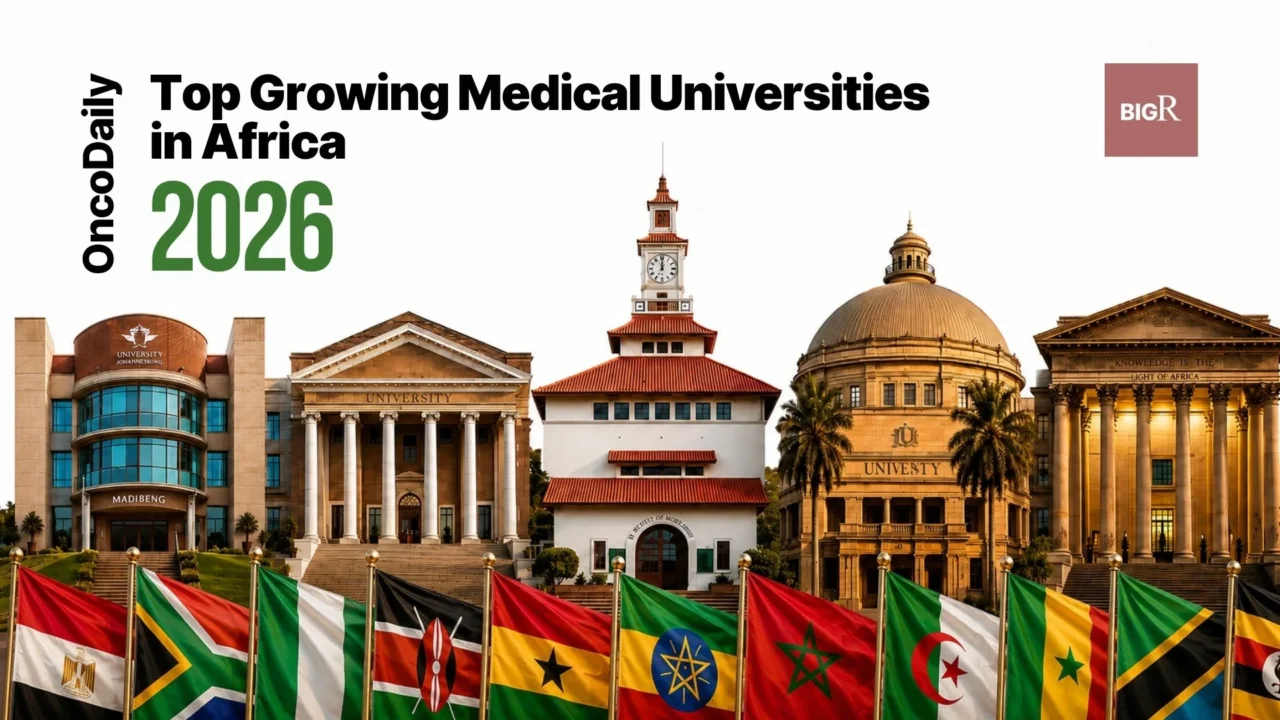
In December 1967, a surgeon at a hospital on the southern tip of Africa did something the entire world stopped to watch: he transplanted a human heart for the first time in history. Dr. Christiaan Barnard performed that surgery at Groote Schuur Hospital in Cape Town and in doing so, placed African medical science at the center of global attention in a way it had never been before.
That moment was not an accident. It was the product of an African medical education system that, even then, was building something remarkable.
Africa is a continent of 54 countries, more than 1.4 billion people, and one of the highest burdens of preventable disease on Earth. It is also a continent where medical universities are, against considerable odds, building research cultures that are beginning to show up in global data in ways that demand attention.
We identified 108 medical universities across the entire African continent that met our inclusion threshold of at least 500 PubMed-indexed publications between 2000 and 2024. 108 is not a small number, but for a continent of this size and population, it tells a story that goes beyond rankings. It tells a story about where the world has underinvested, where research infrastructure remains thin, and where the gap between medical need and medical science capacity remains largest.
That context matters. It means that when a university from Uganda, Ghana, Ethiopia, or Sudan appears in this ranking, it has done something remarkable: it has sustained research output at a meaningful level, in a system that offers far less support than the institutions it is being compared to.
Which of these institutions is not just surviving – but accelerating?
To find out, the Boston Institute for Global Rankings (BIGR) applied its signature Exponentially Weighted Growth Index (EWGI) to medical research output indexed in the National Library of Medicine’s PubMed database from 2000 to 2024. This edition is the next installment of BIGR’s global series, following our analyses of USA and Canada, the Post-Soviet Region, Europe, Latin America and Asia.
Scope of the Study
- Geography: Africa (all 54 countries)
- Period analyzed: 2000-2024 (inclusive)
- Data source: All publications indexed in PubMed affiliated with each institution, across all medical and biomedical disciplines
- Inclusion threshold: ≥ 500 PubMed-indexed publications across the period
- Final sample: 108 medical institutions meeting the criterion
- Countries represented: 25
Our analysis began with the World Directory of Medical Schools, comprising medical institutions across Africa. Only universities with at least 500 publications indexed in PubMed during the 2000-2024 period were included. This threshold, consistent across all BIGR editions, ensures that every ranked institution has demonstrated sustained, meaningful research activity. The relatively small number of qualifying institutions is itself a finding, and one we address directly in the discussion section.
Note: Rankings are based on data collected in 2025-2026 and cover the period 2000-2024; publications from 2025 onward were not included in the analysis.
Why Measure Growth in Research Output?
In Africa more than anywhere, the question of research momentum carries weight beyond academia. Medical research output is directly tied to the continent’s ability to define its own health priorities, build its own clinical evidence base, and train the next generation of physicians and scientists who will stay, rather than leave, to build careers at home.
An African university that is accelerating its research output is not just climbing a ranking. It is building the infrastructure of a health system.
Methodology: The Exponentially Weighted Growth Index (EWGI)
To evaluate growth fairly across institutions of vastly different sizes, ages, and national contexts, we developed the Exponentially Weighted Growth Index (EWGI). Here is how it works:
Step 1: Assigning Exponential Weights
Each year from 2000 to 2024 was assigned a weight that naturally emphasized more recent years. Using a decay parameter of seven years (τ = 7), the method ensures that a publication from 2023 carries more weight than one from 2003, while still allowing every year of output to contribute to the overall picture.
Step 2: Calculating Weighted Average Growth (WAG)
We multiplied each year’s publication count by its respective weight and divided the total by the sum of all weights. This provides a measure of recent productivity that gradually prioritizes newer work without erasing historical contributions.
Step 3: Calculating Historical Average (HA)
We computed the simple, unweighted average number of publications across all years of active output. Only years with at least one publication were counted — years with zero output were excluded from the denominator to avoid penalizing institutions for periods of inactivity before their research programs began.
Step 4: Computing the EWGI
The weighted recent performance was compared to the historical average and expressed as a percentage. An EWGI above 100% signals that an institution is outperforming its own history – a sign of genuine acceleration.
Strategic Insights: What Is Driving African Research Momentum
Five forces explain the acceleration visible in the institutions leading this ranking:
- Egypt’s research expansion – Egypt’s medical universities have undergone a systematic expansion of research output, driven by national incentive programs, growing international collaboration, and a large base of medically trained faculty with strong publication cultures. Egyptian institutions dominate both the EWGI top 10 and the All-Time Giants list – a dual dominance that reflects both historical depth and recent acceleration.
- East Africa’s emergence – Uganda, Kenya, and Ethiopia together account for a significant portion of this ranking’s most compelling growth stories. Makerere University in Uganda, Addis Ababa University in Ethiopia, and multiple Kenyan faculties are accelerating in ways that reflect the region’s growing integration into global health research networks, particularly in infectious disease, maternal health, and tropical medicine.
- Ghana’s quiet rise – Four Ghanaian universities appear in this ranking, with the University of Cape Coast School of Medical Sciences leading the entire continent by EWGI. Ghana’s investment in higher education infrastructure and its growing connections to international research consortia have produced results that are beginning to attract global attention.
- South Africa’s sustained excellence – South Africa’s universities dominate the All-Time Giants list, with the University of Cape Town and the University of the Witwatersrand producing publication volumes that rival mid-sized European institutions. Their sustained output reflects decades of research infrastructure investment and deep integration into global academic networks.
- The pan-African research network effect – Institutions that have connected to international programs – whether through the NIH’s Fogarty International Center, the Wellcome Trust’s African programs, the Gates Foundation’s global health initiatives, or the African Academy of Sciences – consistently show stronger EWGI scores than those operating in isolation. Connectivity, more than funding alone, appears to be the decisive variable.
The 2026 List: Top Growing Medical Universities in Africa
- University of Cape Coast School of Medical Sciences, Ghana – 226.7%
- Al-Azhar University, Egypt – 224.4%
- College of Human Medicine Benha University, Egypt – 223.2%
- Faculty of Medicine, South Valley University, Egypt – 221.9%
- Menoufia University Faculty of Medicine, Egypt – 216.5%
- Mbarara University of Science and Technology Faculty of Medicine, Uganda – 213.2%
- Tanta University Faculty of Medicine, Egypt – 211.8%
- Addis Ababa University College of Health Sciences School of Medicine, Ethiopia – 209.0%
- University of Gezira Faculty of Medicine, Sudan – 208.6%
- Misr University for Science and Technology College of Medicine, Egypt – 208.4%
- Alexandria University Faculty of Medicine, Egypt – 206.8%
- Jimma University Institute of Health Faculty of Medical Science, Ethiopia – 206.0%
- Minia University Faculty of Medicine, Egypt – 205.0%
- Zagazig University Faculty of Medicine, Egypt – 204.5%
- University of Ghana Medical School, Ghana – 204.3%
- Kwame Nkrumah University of Science & Technology School of Medical Sciences, Ghana – 202.0%
- Kenyatta University School of Medicine, Kenya – 199.7%
- Suez Canal University Faculty of Medicine, Egypt – 197.9%
- Delta State University College of Health Sciences, Nigeria – 196.4%
- Mansoura University Faculty of Medicine, Egypt – 195.4%
- Jomo Kenyatta University of Agriculture and Technology School of Medicine, Kenya – 195.1%
- University of Zambia School of Medicine, Zambia – 194.9%
- Makerere University School of Medicine, Uganda – 194.7%
- University of Namibia School of Medicine, Namibia – 193.7%
- Assiut University Faculty of Medicine, Egypt – 192.8%
- University of the Free State Faculty of Health Sciences, South Africa – 191.9%
- University of Gondar College of Medicine and Health Sciences, Ethiopia – 191.8%
- Nnamdi Azikiwe University College of Health Sciences, Nigeria – 191.8%
- Kampala International University Faculty of Medicine and Dentistry, Uganda – 191.6%
- Cairo University Faculty of Medicine, Egypt – 191.0%
- Ain Shams University Faculty of Medicine, Egypt – 190.0%
- University of Jos College of Health Sciences, Nigeria – 189.6%
- Usmanu Danfodiyo University College of Health Sciences, Nigeria – 189.6%
- Universidade Eduardo Mondlane Faculdade de Medicina, Mozambique – 187.1%
- University of Nigeria College of Medicine, Nigeria – 187.0%
- Ladoke Akintola University of Technology (LAUTECH) College of Health Sciences, Nigeria – 185.4%
- Bayero University Faculty of Medicine, Nigeria – 185.1%
- Moi University School of Medicine, Kenya – 185.0%
- University of Calabar College of Medical Sciences, Nigeria – 184.9%
- University of Khartoum Faculty of Medicine, Sudan – 184.8%
- Egerton University Faculty of Health Sciences, Kenya – 184.2%
- Fayoum University Faculty of Medicine, Egypt – 183.8%
- Ahmadu Bello University Faculty of Medicine, Nigeria – 181.9%
- University of Rwanda College of Medicine and Health Sciences, Rwanda – 181.7%
- University of the Witwatersrand Faculty of Health Sciences, South Africa – 180.5%
- University of Ilorin College of Health Sciences, Nigeria – 180.5%
- University of Nairobi School of Medicine, Kenya – 178.8%
- University of Buea Faculty of Health Sciences, Cameroon – 177.8%
- Beni Suef University Faculty of Medicine, Egypt – 177.2%
- University of Uyo College of Health Sciences, Nigeria – 177.1%
- Ebonyi State University College of Health Sciences, Nigeria – 176.9%
- Walter Sisulu University Faculty of Health Sciences, South Africa – 176.6%
- University of Abuja College of Health Sciences, Nigeria – 175.9%
- University of Ibadan College of Medicine, Nigeria – 174.5%
- University of Pretoria School of Medicine, South Africa – 173.9%
- Kafrelsheikh University Faculty of Medicine, Egypt – 173.2%
- Lagos State University College of Medicine, Nigeria – 172.1%
- University of Lagos College of Medicine, Nigeria – 172.0%
- October 6 University Faculty of Medicine, Egypt – 171.9%
- Université d’Abomey-Calavi Faculté des Sciences de la Santé, Benin – 171.6%
- University of Cape Town Faculty of Health Sciences, South Africa – 171.6%
- University of Mauritius Faculty of Medicine and Health Sciences, Mauritius – 171.2%
- Maseno University School of Medicine, Kenya – 170.4%
- University of Zimbabwe Faculty of Medicine and Health Science, Zimbabwe – 169.4%
- Mekelle University College of Health Sciences, Ethiopia – 169.1%
- University of Port Harcourt College of Health Sciences, Nigeria – 169.1%
- Bowen University College of Health Sciences, Nigeria – 168.1%
- Sohag University Faculty of Medicine, Egypt – 167.4%
- University of Maiduguri College of Medical Sciences, Nigeria – 166.8%
- Wollo University College of Medicine and Health Sciences, Ethiopia – 166.3%
- Obafemi Awolowo University College of Health Sciences, Nigeria – 164.8%
- Bahir Dar University College of Medicine and Health Sciences, Ethiopia – 163.4%
- University for Development Studies School of Medicine, Ghana – 162.5%
- University of Kwazulu-Natal College of Health Sciences, South Africa – 162.2%
- Hawassa University College of Medicine and Health Science, Ethiopia – 161.6%
- Faculté de Médecine de Tunis, Tunisia – 159.8%
- Obafemi Awolowo College of Health Sciences, Olabisi Onabanjo University, Nigeria – 158.7%
- Gulu University Faculty of Medicine, Uganda – 158.4%
- Université Cheikh Anta Diop Faculté de Médecine de Pharmacie et d’Odonto-Stomatologie, Senegal – 157.8%
- University of Benin College of Medical Sciences, Nigeria – 153.8%
- Muhimbili University of Health and Allied Sciences School of Medicine, Tanzania – 148.5%
- Port Said University Faculty of Medicine, Egypt – 147.7%
- University of Dodoma School of Medicine and Dentistry, Tanzania – 144.2%
- Debre Markos University School of Medicine, Ethiopia – 141.3%
- School of Medicine and Allied Health Sciences, University of the Gambia, Gambia – 140.9%
- Debre Berhan University School of Health Science, Ethiopia – 140.9%
- Arba Minch University College of Medicine and Health Sciences, Ethiopia – 140.7%
- Université Mohammed V de Rabat Faculté de Médecine et de Pharmacie, Morocco – 138.2%
- University of Limpopo School of Medicine Turfloop Campus, South Africa – 137.3%
- Wolaita Sodo University College of Health Sciences and Medicine, Ethiopia – 132.4%
- St. Paul’s Hospital Millennium Medical College, Ethiopia – 130.9%
- University of Sierra Leone College of Medicine & Allied Health Sciences, Sierra Leone – 130.7%
- Université Cadi Ayyad Faculté de Médecine et de Pharmacie de Marrakech, Morocco – 130.2%
- Aswan University Faculty of Medicine, Egypt – 123.4%
- Debre Tabor University College of Medicine and Health Science, Ethiopia – 116.6%
- University of Tripoli Faculty of Medicine, Libya – 115.5%
- University of Bamenda Faculty of Health Sciences, Cameroon – 115.2%
- Nahda University Faculty of Medicine, Egypt – 114.9%
- Afe Babalola University College of Medicine and Health Sciences, Nigeria – 114.4%
- University of Health and Allied Sciences School of Medicine, Ghana – 114.0%
- Ekiti State University College of Medicine, Nigeria – 111.9%
- Wachemo University College of Medicine and Health Sciences, Ethiopia – 111.5%
- Busitema University Faculty of Health Science, Uganda – 111.2%
- Université Joseph Ki-Zerbo l’Unité de Formation et de Recherche en Sciences de la Santé, Burkina Faso – 109.5%
- Weill Bugando School of Medicine, Catholic University of Health and Allied Sciences, Tanzania – 109.3%
- University of Stellenbosch Faculty of Medicine and Health Sciences, South Africa – 106.0%
- Alex Ekwueme Federal University Ndufu Alike Ikwo Faculty of Basic Medical Sciences, Nigeria – 71.3%
- Kamuzu University of Health Sciences School of Medicine and Oral Health, Malawi – 60.3%
Spotlights: The Leaders of African Research Momentum
University of Cape Coast School of Medical Sciences, Ghana – 226.7%
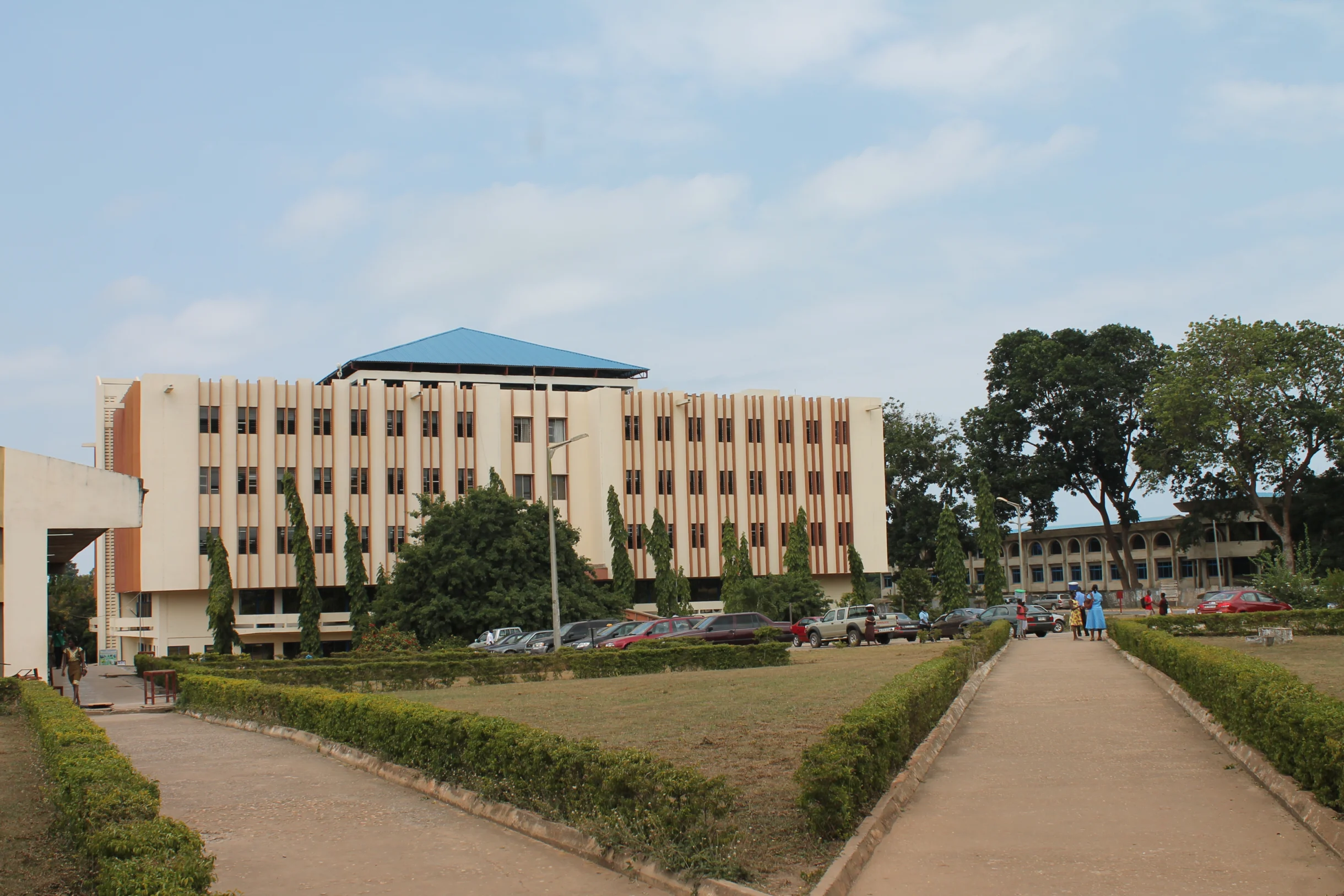
The University of Cape Coast School of Medical Sciences holds a distinction that makes its #1 EWGI ranking all the more remarkable: its first graduating class of doctors walked across the stage only in 2013. The medical school, established in 2008, is among the youngest institutions in this entire ranking, which means its research acceleration has been built almost entirely within the last decade, without the long historical baseline that older institutions rely upon.
Located in the historic coastal city of Cape Coast – where two of Ghana’s most significant colonial-era castles stand as reminders of a very different chapter of history – the school has grown from a pioneering cohort of 42 graduates to a faculty producing internationally recognized research in community medicine, infectious disease, and maternal health. The broader University of Cape Coast counts among its alumni Jane Naana Opoku-Agyemang, who became Ghana’s first female Vice-Chancellor of a state university and subsequently Ghana’s first female Vice President, inaugurated in January 2025 – a reflection of the institution’s deep roots in Ghanaian national life.
Trajectory of growth: As a school founded in 2008, the baseline from 2000 to 2012 is essentially zero – which makes the subsequent acceleration curve one of the steepest in this entire global series. From its first publications post-2010, output climbed consistently year on year, reaching its highest recorded levels in the 2021-2024 period. The EWGI of 226.7% reflects an institution that has gone from nothing to continental leader in under fifteen years.
Al-Azhar University, Egypt – 224.4%

Al-Azhar University is one of the oldest continuously operating universities in the world – founded in 970 AD, making it over a thousand years old. Its Faculty of Medicine is part of an institution whose name is synonymous with Islamic scholarship, and whose influence on education across the Muslim world is without parallel. That an institution of this antiquity should rank second in Africa by research growth momentum is a remarkable statement about the depth of Egypt’s academic renewal.
Al-Azhar’s medical faculty has built particular strength in surgery, internal medicine, and Islamic bioethics – the latter a field of growing global relevance as medical technology raises questions that require engagement with religious and philosophical frameworks. Its research acceleration reflects both national investment in Egyptian medical education and the faculty’s deliberate strategy of integrating traditional scholarly identity with modern biomedical research productivity.
Trajectory of growth: Al-Azhar’s output was relatively steady through the early 2000s, reflecting an institution with deep scholarly traditions but a research culture still developing its PubMed-indexed publication pipeline. The inflection point came around 2012-2014, after which output accelerated steeply and consistently, reaching its highest recorded levels in the 2020-2024 period – a pattern consistent with Egypt’s broader national investment in university research infrastructure during this period.
College of Human Medicine, Benha University, Egypt – 223.2%

Benha University’s College of Human Medicine represents one of the most compelling growth stories in Egyptian medical education. Located in the Nile Delta city of Benha in the Qalyubia Governorate, the college has built its research identity around clinical medicine, surgery, and public health – areas of direct relevance to the densely populated communities it serves. Its EWGI of 223.2% places it third in Africa and reflects the broader acceleration of Egypt’s regional university system beyond its historic Cairo-centered core.
Trajectory of growth: Like many of Egypt’s newer medical colleges, Benha’s output was minimal through the early-to-mid 2000s. The acceleration began around 2013-2015 and has been steep and sustained since, with 2019-2024 representing the most productive period in the college’s research history.
Faculty of Medicine, South Valley University, Egypt – 221.9%
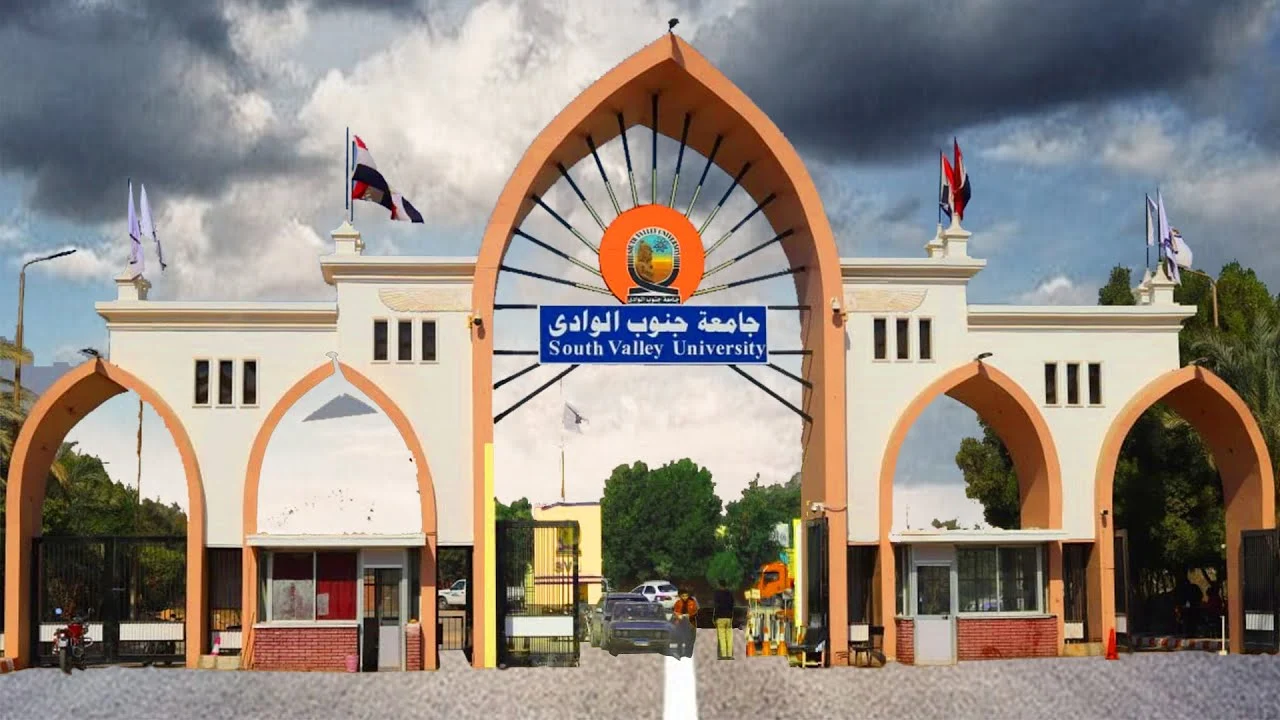
South Valley University’s Faculty of Medicine, based in Qena in Upper Egypt, embodies the geographic redistribution of Egyptian medical research that has been one of the defining trends of the past decade. Located hundreds of kilometers south of Cairo, the faculty serves a population in Upper Egypt – one of the country’s most historically underserved regions – and has built its research profile around the health challenges most relevant to that population: parasitic diseases, nutritional deficiencies, cardiovascular conditions, and maternal health.
Trajectory of growth: South Valley’s trajectory mirrors the broader pattern of Egyptian regional universities: near-zero output through the early 2000s, a sharp acceleration beginning around 2014, and sustained growth through 2024 that reflects both expanding faculty capacity and growing integration into national research grant programs.
Menoufia University Faculty of Medicine, Egypt – 216.5%
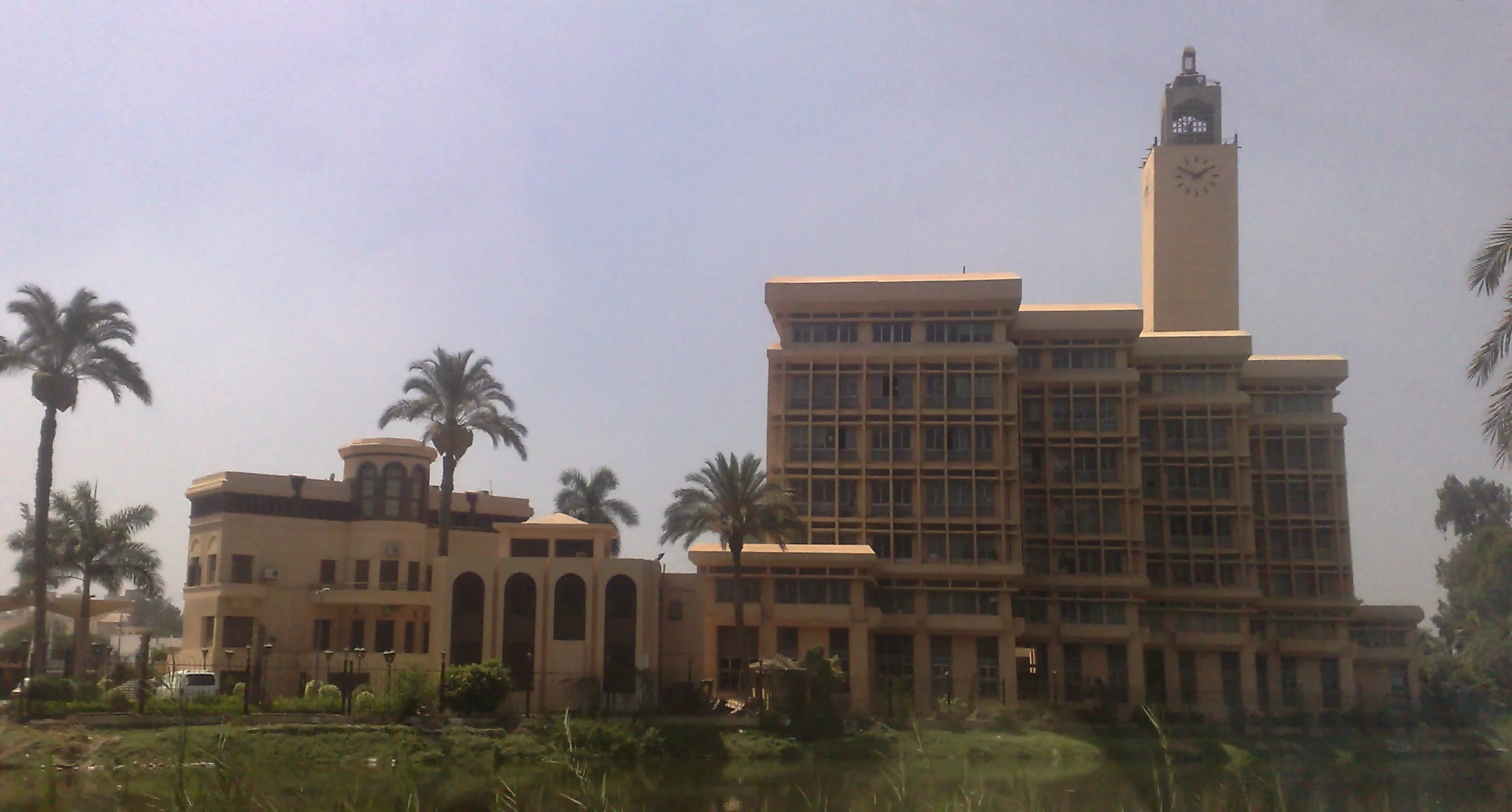
Menoufia University Faculty of Medicine was officially inaugurated in 1976 by Presidential Decree, and its first pioneer class of 54 students graduated in 1987. From that modest beginning, the faculty has grown into one of Egypt’s more research-active regional medical schools, establishing the National Institute of Liver Diseases as a dedicated center for specialized research and clinical care – a field of particular relevance given Egypt’s historically high burden of hepatic disease. Softamo Education GroupSoftamo Education Group
The broader university community has produced not just political leaders but also a tradition of public service and educational excellence that has made Menoufia one of Egypt’s most reliably talent-producing regions despite its relatively small geographic footprint and predominantly rural character.
Trajectory of growth: Like most Egyptian regional universities, Menoufia’s PubMed output was limited through the early 2000s. The acceleration phase began around 2013-2015, driven by expanding faculty capacity, greater integration into national research grant programs, and the growing output of the liver disease research institute. The 2018-2024 period has been the most productive in the faculty’s history, producing an EWGI of 216.5% – fifth in Africa and a reflection of the same regional research renaissance visible across Egypt’s university system.
The All-Time Giants: Top 20 by Total Publications (2000-2024)
- Cairo University Faculty of Medicine, Egypt – 31,709 publications
- University of Cape Town Faculty of Health Sciences, South Africa – 29,284 publications
- University of the Witwatersrand Faculty of Health Sciences, South Africa – 20,987 publications
- University of Kwazulu-Natal College of Health Sciences, South Africa – 16,642 publications
- University of Pretoria School of Medicine, South Africa – 16,429 publications
- Ain Shams University Faculty of Medicine, Egypt – 15,982 publications
- Mansoura University Faculty of Medicine, Egypt – 15,710 publications
- Alexandria University Faculty of Medicine, Egypt – 13,508 publications
- Makerere University School of Medicine, Uganda – 11,408 publications
- Zagazig University Faculty of Medicine, Egypt – 10,711 publications
- Al-Azhar University, Egypt – 10,383 publications
- Assiut University Faculty of Medicine, Egypt – 9,572 publications
- University of Ibadan College of Medicine, Nigeria – 9,352 publications
- Addis Ababa University College of Health Sciences School of Medicine, Ethiopia – 8,988 publications
- University of Ghana Medical School, Ghana – 8,688 publications
- Tanta University Faculty of Medicine, Egypt – 8,146 publications
- University of Nigeria College of Medicine, Nigeria – 6,726 publications
- Suez Canal University Faculty of Medicine, Egypt – 6,424 publications
- University of Gondar College of Medicine and Health Sciences, Ethiopia – 6,095 publications
- Beni Suef University Faculty of Medicine, Egypt – 5,892 publications
Cairo University Faculty of Medicine, Egypt – 31,709 publications
Cairo University Faculty of Medicine produced Sir Magdi Yacoub – one of the greatest cardiothoracic surgeons in history, who has performed over 20,000 open-heart surgeries and pioneered heart transplantation in the United Kingdom.

Founded as part of the Egyptian University in 1908, Cairo University’s Faculty of Medicine is not only the most prolific medical research institution in Africa – it is one of the most historically significant universities on the entire continent. Its alumni list reads like a who’s who of Egyptian and Arab intellectual life: Naguib Mahfouz, who won the Nobel Prize in Literature in 1988, studied philosophy here. Mohamed ElBaradei, who won the Nobel Peace Prize in 2005 as Director General of the International Atomic Energy Agency, is a Cairo University graduate. And Sir Magdi Yacoub, the Egyptian-British cardiothoracic surgeon who revolutionized heart surgery and transplantation, graduated from the Faculty of Medicine in 1957.
Trajectory of growth: Output was already substantial in the early 2000s, reflecting a long-established research culture. From 2010 onward, the faculty entered a period of accelerated growth, reaching its highest annual publication volumes in the 2019-2024 period – a sustained surge that explains its EWGI of 191.0% despite its enormous historical baseline.
University of Cape Town Faculty of Health Sciences, South Africa – 29,284 publications
The University of Cape Town Faculty of Health Sciences performed the world’s first heart transplant – on December 3, 1967, when Dr. Christiaan Barnard operated at Groote Schuur Hospital, changing medicine forever.

Dr. Christiaan Barnard and his team’s landmark surgery on Louis Washkansky at Groote Schuur Hospital – affiliated with UCT’s Faculty of Health Sciences – was one of the defining medical moments of the 20th century, watched by the entire world and debated by ethicists, scientists, and philosophers for decades afterward.
UCT’s research today spans HIV/AIDS, tuberculosis, non-communicable diseases, maternal health, and genomics – fields where South Africa’s unique epidemiological profile has made it one of the world’s most important sites for clinical research. With 29,284 publications since 2000, it is Africa’s second most prolific medical institution and by far the continent’s most internationally connected research faculty.
Trajectory of growth: UCT’s output has been remarkably consistent across the full 25-year period, with steady annual growth reflecting an institution operating at sustained high capacity. Its EWGI of 171.6% – significant but below the ranking’s leaders – reflects the same paradox seen at the University of Tokyo: an institution that was already excellent has less room for dramatic acceleration than one that is transforming itself.
University of the Witwatersrand Faculty of Health Sciences, South Africa – 20,987 publications
The University of the Witwatersrand was the first South African university to admit students of all races – a decision it made decades before apartheid ended, at considerable political cost.

Founded in 1922 in Johannesburg, the University of the Witwatersrand – known universally as Wits – has been at the center of South African intellectual and political life for over a century. Its Faculty of Health Sciences has produced generations of physicians who have navigated the extraordinary complexity of practicing medicine in a deeply unequal society, and whose research has made foundational contributions to understanding the health consequences of poverty, mining-related disease, and the HIV/AIDS epidemic.
Among the broader Wits community’s most famous medical alumni is Sydney Brenner, who studied medicine there before going on to share the Nobel Prize in Physiology or Medicine in 2002 for his discoveries relating to genetic regulation of organ development and programmed cell death – one of the most consequential scientific discoveries of the 20th century.
Trajectory of growth: Output grew steadily through the 2000s and 2010s, with a notable acceleration phase beginning around 2013 that has continued through 2024. The faculty’s EWGI of 180.5% reflects meaningful recent acceleration despite its large historical baseline.
The Broader Picture: What 108 Universities Tell Us
The number 108 is both a finding and a call to action.
Africa accounts for roughly 17% of the world’s population and carries approximately 25% of the global disease burden, yet it produced only 108 medical universities meeting BIGR’s minimum research threshold, compared to 553 in Asia and 235 in Europe. The imbalance is not a reflection of African scientific potential. It is a reflection of decades of underinvestment in research infrastructure, of brain drain that has taken trained scientists to institutions in Europe and North America, and of funding landscapes that have historically prioritized aid delivery over knowledge generation.
Egypt and South Africa together account for nearly half of all qualifying institutions. Remove those two countries, and Africa’s research-active medical university landscape shrinks to approximately 60 institutions distributed across 52 nations – an approximate average of one per country.
Yet within that constrained landscape, the growth stories are extraordinary. A Ugandan university founded as a deliberate act of decentralization is outpacing institutions with three times its history. A Ghanaian medical school that graduated its first doctors in 2013 now leads the entire continent by momentum. Ethiopia’s university system – Addis Ababa, Jimma, Gondar, and others – is building a research ecosystem almost from scratch, and the data is beginning to show it.
The most important finding of this analysis is not who is at the top of the ranking. It is that so many institutions are growing at all – in conditions where growth is hard-won, and where every publication represents a researcher who chose to build something here rather than somewhere else.
Discussion: The Research Gap and the Road Ahead
Rankings tell us where things stand. EWGI tells us where things are going. In Africa, both pictures matter, and they tell very different stories.
The All-Time Giants ranking is dominated by Egypt and South Africa – two countries with research infrastructures that, by African standards, are exceptional. The EWGI ranking is more geographically distributed, with Ghana, Uganda, Ethiopia, Sudan, Zambia, Namibia, Rwanda, and Mozambique all placing institutions in the top 50. That distribution is the more hopeful picture: it suggests that momentum is building across the continent, not just concentrating in its historically strongest research systems.
The institutions that are growing fastest share a common characteristic: they are embedded in international research networks. MUST in Uganda. Jimma University in Ethiopia. The University of Ghana Medical School. These are faculties that have built partnerships with global institutions, recruited faculty with international training, and positioned their research around questions that the global health community cares about funding – which, in Africa’s case, means infectious disease, maternal and child health, and non-communicable disease epidemiology.
The institutions that have not yet crossed BIGR’s 500-publication threshold – and there are many – represent the next frontier. Getting from zero to 500 indexed publications over 25 years is not a scientific challenge. It is an infrastructure, incentive, and investment challenge. And it is solvable.
Africa’s story in global medical science is still being written. The institutions in this ranking are not the conclusion of that story. They are its opening chapter.
Authors: Aren Petrosyan, MD, Research Associate at BIGR, Hana Maheen, MD, Research Associate at BIGR and Editor at OncoDaily, Elen Baloyan, MD, Director of BIGR and Managing Editor at OncoDaily.
About BIGR
This study was conducted by the Boston Institute for Global Rankings (BIGR) – an academic initiative dedicated to transparent, data-driven evaluation of excellence in universities, medical centers, and healthcare professionals worldwide. With a focus on performance, impact, and innovation, BIGR aims to create meaningful global benchmarks for the future.
Think BIGR.
Catch up on the previous chapters:
- Top Growing Medical Universities in Asia: 2026 Edition
- Top Growing Medical Universities in Latin America: 2026 Edition
- Top Growing Medical Universities in Europe: 2026 Edition
- Top Growing Medical Universities in USA and Canada: 2025 Edition
- Top Growing Medical Universities in the Post-Soviet Region: 2025 Edition