





In the tapestry of global medicine, Europe holds a unique position. It is the cradle of the modern university, yet today it serves as a high-tech laboratory for some of the world’s most advanced integrated healthcare systems. From the historic corridors of Oxford and the Karolinska Institute to the rising tech-hubs of Scandinavia and Eastern Europe, the European medical research landscape is undergoing a profound “digital and genomic” shift.
While total publication counts tell us who is large, they rarely tell us who is evolving. In the high-stakes environment of European clinical research, the real metric of interest is trajectory.
We set out to identify the outliers: the universities that are outperforming their own historical benchmarks and rapidly shifting the continent’s scientific center of gravity.
To capture and measure this evolution, the Boston Institute for Global Rankings (BIGR) applied the Exponentially Weighted Growth Index (EWGI) to medical research output indexed in PubMed from 2000 to 2024. This USA and Canada 2025 successor introduces a complementary lens: not only who leads in volume, but who has mastered the art of acceleration.
Scope of the Study: From Hundreds to a Focused Cohort
- Geography: Europe
- Period analyzed: 2000–2024 (inclusive)
- Data source: National Library of Medicine (PubMed)
- Inclusion threshold: ≥ 500 PubMed-indexed publications across the period
- Final sample: 235 medical institutions meeting the criterion
Our analysis began with the World Directory of Medical Schools. To ensure that our ranking was both meaningful and credible, we established a key inclusion criterion: only universities with at least 500 publications indexed in PubMed during the 2000-2024 period were considered. By filtering out smaller or inactive institutions, we focused on those demonstrating sustained, measurable research life.
Methodology: Measuring Momentum with the Exponentially Weighted Growth Index (EWGI)
To fairly evaluate growth, we needed a method that would:
- Reward recent achievements without ignoring historical contributions.
- Avoid arbitrary cutoffs like “last 5 years” or “last 10 years.”
We developed and utilized the Exponentially Weighted Growth Index (EWGI). Here’s how it works:
Step 1: Assigning Exponential Weights
Each year from 2000 to 2024 was assigned a weight that naturally emphasized more recent years. Using a decay parameter of seven years (τ = 7), the method ensures that an article published in 2023 has a greater influence than one from 2003, while still allowing every publication to contribute to the overall trend.
Step 2: Calculating Weighted Average Growth (WAG)
We multiplied each year’s publication count by its respective weight and divided the total by the sum of all weights. This step provided a measure of recent productivity that gradually prioritizes newer work without ignoring earlier contributions.
Step 3: Calculating Historical Average (HA)
We then computed the simple, unweighted average number of publications across all years of active output. Only years with at least one publication were counted, ensuring that newer institutions were not penalized for inactive periods before their research activity began. Years without any publications were excluded from the denominator to ensure a fair reflection of active scientific productivity, avoiding distortion caused by inactive periods.
Step 4: Computing the EWGI
Finally, the weighted recent performance was compared to the historical average and expressed as a percentage. An EWGI above 100 % indicates growth beyond the institution’s historical norm – a sign of acceleration.
This method allows us to highlight institutions demonstrating real, sustained scientific growth – not just temporary publication spikes – and provides a fair basis for comparison across universities of different sizes and ages.
Key Drivers of European Research Momentum
Our study reveals five specific shifts that are fueling the rapid growth of Europe’s top-performing medical faculties:
- Horizon Network Leadership: Top-tier schools are leveraging Horizon Europe “Moonshot” grants to lead massive international trials in cancer and AI.
- Genomic Integration: Schools linked to the 1+ Million Genomes Initiative are seeing a surge in high-impact research on rare diseases and personalized medicine.
- Clinical Trial Agility: Momentum leaders are bypassing old bottlenecks by using ACT EU and CTIS to streamline multinational clinical studies.
- AI Healthcare Hubs: Universities that built dedicated AI “Factories” are now dominating global output in oncology imaging and predictive diagnostics.
- Regional Acceleration: Eastern European faculties are using the “Hop-on Facility” to join elite Western consortia and rapidly close the scientific output gap.
The 2025 List: Meet the Top Growing Medical Universities in Europe
- Universitatea din Oradea Facultatea de Medicină și Farmacie, Romania – 239.85%
- Universität Zürich Medizinische Fakultät, Switzerland – 226.94%
- University of Turku Faculty of Medicine, Finland – 222.85%
- Universität Bern Medizinische Fakultät, Switzerland – 222.12%
- Universität Basel Medizinische Fakultät, Switzerland – 221.71%
- Rīga Stradiņš University Medicīnas Fakultāte, Latvia – 220.59%
- Universitatea de Medicină și Farmacie Carol Davila Facultatea de Medicină, Romania – 220.1%
- University of Rijeka Faculty of Medicine, Croatia – 218.87
- Keele University School of Medicine, UK – 217.15%
- Maastricht University Faculty of Health, Medicine and Life Sciences, Netherlands – 217.0%
- Uppsala University Faculty of Medicine, Sweden – 216.27%
- Vilnius University Faculty of Medicine, Lithuania – 213.16%
- University of Oulu Faculty of Medicine, Finland – 213.14%
- Università Cattolica del Sacro Cuore Facoltà di Medicina e Chirurgia ‘Agostino Gemelli’, Italy – 213.04%
- Medical University ‘Prof. Dr. Paraskev Stoyanov’ Varna Faculty of Medicine, Bulgaria – 212.43%
- Lithuanian University of Health Sciences Faculty of Medicine, Lithuania – 210.37%
- Universiteit Antwerpen Faculteit Geneeskunde en Gezondheidswetenschappen, Belgium – 209.94%
- Lund University Faculty of Medicine, Sweden – 208.14%
- Syddansk Universitet Det Sundhedsvidenskabelige Fakultet Esbjerg, Denmark – 208.06%
- University of Helsinki Faculty of Medicine, Finland – 206.67%
- Università degli Studi di Salerno Facoltà di Medicina e Chirurgia, Italy – 205.91%
- Latvijas Universitātes Medicīnas un Dzīvības Zinātņu Fakultāte, Latvia – 205.1%
- V.N. Karazin Kharkiv National University School of Medicine, Ukraine – 204.43%
- Medical University of Sofia Faculty of Medicine, Bulgaria – 204.4%
- Aarhus University Faculty of Health, Denmark – 204.39%
- Universidad de Sevilla Facultad de Medicina, Spain – 204.19%
- Universidade Nova de Lisboa Faculdade de Ciências Médicas, Portugal – 204.16%
- Instituto de Ciências Biomédicas Abel Salazar, Portugal – 203.99%
- University of Tartu Faculty of Medicine, Estonia – 203.9%
- Katholieke Universiteit Leuven (KULeuven) Faculteit Geneeskunde, Belgium – 202.88%
- University of Ljubljani Faculty of Medicine, Slovenia – 202.41%
- Umea University Faculty of Medicine, Sweden – 202.34%
- Universitatea Ovidius Constanta Facultatea de Medicină, Romania – 202.07%
- Universidade do Minho Escola de Medicina, Portugal – 201.05%
- University of Patras School of Health Sciences, Greece – 201.02%
- Universitetet i Bergen Medisinske Fakultet, Norway – 199.55%
- University of Leeds School of Medicine, UK – 199.49%
- Universität zu Köln Medizinische Fakultät, Germany – 199.45%
- Universiteit Gent Faculteit Geneeskunde en Gezondheidswetenschappen, Belgium – 198.81%
- UFR de Médecine de l’Université Paris Cité, France – 198.4%
- Université de Lausanne Faculté de Biologie et de Médecine, Switzerland – 198.2%
- Manchester Medical School, UK – 197.97%
- Tampere University Faculty of Medicine and Health Technology, Finland – 197.76%
- Université Libre de Bruxelles Faculté de Médecine, Belgium – 197.6%
- Université de Liège Faculté de Médecine, Belgium – 197.17%
- University of Liverpool School of Medicine, UK – 197.13%
- University of Iceland Faculty of Medicine, Iceland – 196.94%
- University of Oxford School of Medicine and Biomedical Sciences, UK – 196.86%
- Masarykova Univerzita Lékařská Fakulta, Czech Republic – 196.19%
- Sumy State University Medical Institute, Ukraine – 195.69%
- University of Nottingham School of Medicine, UK – 195.52%
- Edinburgh Medical School, University of Edinburgh, UK – 195.52%
- Jagiellonian University Medical College, Poland – 192.77%
- Vrije Universiteit Brussel Faculteit Geneeskunde & Farmacie, Belgium – 192.73%
- Université de Genève Faculté de Médecine, Switzerland – 192.67%
- Universitetet i Oslo Medisinske Fakultet, Norway – 192.38%
- Danylo Halytsky Lviv National Medical University, Ukraine – 191.78%
- Semmelweis University Faculty of General Medicine, Hungary – 191.54%
- University of Debrecen Faculty of General Medicine, Hungary – 191.0%
- University of Cambridge School of Clinical Medicine, UK – 190.13%
- University of Belgrade Faculty of Medicine, Serbia – 189.28%
- Universidad de Málaga Facultad de Medicina, Spain – 189.24%
- Medical University of Silesia in Katowice Faculty of Medical Sciences Katowice, Poland – 188.93%
- University of Novi Sad Faculty of Medicine, Serbia – 187.97%
- Københavns Universitet Det Sundhedsvidenskabelige og Medicinsk Fakultet, Denmark – 187.58%
- University of Warmia and Mazury in Olsztyn, Collegium Medicum, School of Medicine, Poland – 187.16%
- Syddansk Universitet Det Sundhedsvidenskabelige Fakultet Odense, Denmark – 187.0%
- Rijksuniversiteit Groningen Faculteit der Medische Wetenschappen, Netherlands – 186.81%
- Medicinski Fakultet, Sveučilišta u Zagrebu, Croatia – 186.66%
- Karolinska Institute Faculty of Medicine, Sweden – 186.24%
- Universidade do Porto Faculdade de Medicina, Portugal – 186.0%
- Univerzita Komenského v Bratislave, Lekárska Fakulta, Slovakia – 185.82%
- University of Glasgow School of Medicine, Dentistry and Nursing, UK – 185.52%
- Bogomolets National Medical University, Ukraine – 185.36%
- Imperial College London Faculty of Medicine, UK – 184.76%
- Université catholique de Louvain Faculté de Médecine et de Médecine Dentaire, Belgium – 184.13%
- Università Campus Bio-Medico di Roma Facoltà di Medicina e Chirurgia, Italy – 183.98%
- Universitatea de Medicină și Farmacie Victor Babeş Facultatea de Medicină, Romania – 183.64%
- Universidad Complutense de Madrid Facultad de Medicina, Spain – 183.42%
- University of Southampton Faculty of Medicine, UK – 183.41%
- Friedrich-Alexander-Universität Erlangen-Nürnberg Medizinische Fakultät, Germany – 182.73%
- Trinity College Dublin School of Medicine, Ireland – 182.68%
- Newcastle University School of Medicine, UK – 182.65%
- Royal College of Surgeons in Ireland School of Medicine, Ireland – 182.5%
- University of Pécs Faculty of General Medicine, Hungary – 181.85%
- Université Paris-Saclay Faculté de Médecine, France – 181.33%
- University of Kragujevac Faculty of Medical Sciences, Serbia – 180.52%
- University of Thessalia Faculty of Medicine, Greece – 180.26%
- Norwegian University of Science and Technology (NTNU) Faculty of Medicine, Norway – 179.77%
- Erasmus Universiteit Faculteit der Geneeskunde, Netherlands – 178.83%
- Medical University of Warsaw Faculty of Medicine, Poland – 178.08%
- Pomorski Uniwersytet Medyczny w Szczecinie, Poland – 178.02%
- Medical University of Lublin, Poland – 177.34%
- Universitat de Barcelona Facultat de Medicina, Spain – 177.16%
- University of Eastern Finland School of Medicine, Finland – 176.53%
- Università Vita-Salute San Raffaele Facoltà di Medicina e Chirurgia, Italy – 176.33%
- Hull York Medical School, UK – 176.02%
- University of Sarajevo Faculty of Medicine, Bosnia and Herzegovina – 175.87%
- Warwick Medical School, UK – 175.51%
- Università degli Studi della Campania Luigi Vanvitelli Scuola di Medicina e Chirurgia, Italy – 175.44%
📋 View Rankings 101–150
101. Universidad Miguel Hernández de Elche Facultad de Medicina (Spain)
102. 2. Lékařská Fakulta, Univerzita Karlova (Czech Republic)
103. Universitatea de Medicină și Farmacie Iuliu Hațieganu Facultatea de Medicină (Romania)
104. Univerzita Palackého v Olomouci Lékařská Fakulta (Czech Republic)
105. University College Cork School of Medicine (Ireland)
106. University of Malta Faculty of Medicine and Surgery (Malta)
107. Brighton and Sussex Medical School (United Kingdom)
108. Universidad de Zaragoza Facultad de Medicina (Spain)
109. Medical University of Gdańsk Faculty of Medicine (Poland)
110. Universitatea de Medicină și Farmacie din Craiova Facultatea de Medicină (Romania)
111. Universidade de Coimbra Faculdade de Medicina (Portugal)
112. Albert-Ludwigs-Universität Freiburg Medizinische Fakultät (Germany)
113. Medicinski Fakultet u Splitu (Croatia)
114. Medizinische Universität Innsbruck (Austria)
115. University of Galway School of Medicine (Ireland)
116. Lékařská Fakulta UK v Hradci Králové (Czech Republic)
117. Università degli Studi di Genova Scuola di Scienze Mediche e Farmaceutiche (Italy)
118. University of St Andrews School of Medicine (United Kingdom)
119. University College Dublin School of Medicine (Ireland)
120. Jesseniova Lekárska Fakulta v Martine, Univerzita Komenského (Slovakia)
121. University of Aberdeen School of Medicine, Medical Sciences and Nutrition (United Kingdom)
122. Medical University of Plovdiv Faculty of Medicine (Bulgaria)
123. University of Szeged Albert Szent-Györgyi Medical School (Hungary)
124. Queen Mary University of London Faculty of Medicine and Dentistry (United Kingdom)
125. Medical University of Lodz Faculty of Medicine (Poland)
126. Faculteit der Geneeskunde, UvA, Amsterdam UMC (Netherlands)
127. Faculty of Medicine VU Amsterdam, Amsterdam UMC (Netherlands)
128. Università Politecnica delle Marche Facoltà di Medicina e Chirurgia (Italy)
129. Universidad de Granada Facultad de Medicina (Spain)
130. Faculté de Médecine, Maïeutique et Métiers de la Santé à Nancy, Université de Lorraine (France)
131. Linköping University Faculty of Medicine and Health Sciences (Sweden)
132. Univerzita P. J. Šafárika Lekárska Fakulta (Slovakia)
133. Medizinische Fakultät Carl Gustav Carus, Technische Universität Dresden (Germany)
134. UFR de Médecine, Université de Reims Champagne-Ardenne (France)
135. Universidad de Murcia Facultad de Medicina (Spain)
136. Università degli Studi di Padova Scuola di Medicina e Chirurgia (Italy)
137. Medical University of Bialystok Faculty of Medicine (Poland)
138. University of Maribor Faculty of Medicine (Slovenia)
139. Universiteit Utrecht Faculteit Medische Wetenschappen (Netherlands)
140. Nicolae Testemitanu State University of Medicine and Pharmacy (Moldova)
141. University of Banja Luka Faculty of Medicine (Bosnia and Herzegovina)
142. Università degli Studi di Milano-Bicocca Facoltà di Medicina e Chirurgia (Italy)
143. University of Nis International College of Medicine (Serbia)
144. University of Nis Faculty of Medicine (Serbia)
145. University of Dundee School of Medicine (United Kingdom)
146. Leiden University Medical Center (Netherlands)
147. Kharkiv National Medical University (Ukraine)
148. Università degli Studi di Ferrara Facoltà di Medicina e Chirurgia (Italy)
149. Università degli Studi di Roma Tor Vergata Facoltà di Medicina e Chirurgia (Italy)
150. Universidad Autónoma de Madrid Facultad de Medicina (Spain)
📋 View Rankings 151–235
151. Universidad de Valladolid Facultad de Medicina (Spain)
152. Universitat Autònoma de Barcelona Facultat de Medicina (Spain)
153. 3. Lékařská Fakulta, Univerzita Karlova (Czech Republic)
154. Università degli Studi di Torino Scuola di Medicina (Italy)
155. UFR des Sciences de Santé de Dijon, Université Bourgogne Europe (France)
156. Lékařská Fakulta, Univerzita Karlova (Czech Republic)
157. Cardiff University School of Medicine (United Kingdom)
158. Peninsula Medical School, University of Plymouth (United Kingdom)
159. Università degli Studi di Brescia Facoltà di Medicina e Chirurgia (Italy)
160. Universidad de Alcalá Facultad de Medicina (Spain)
161. Alma Mater Studiorum Università di Bologna Campus di Forlì Scuola di Medicina e Chirurgia (Italy)
162. Sahlgrenska Academy, University of Gothenburg (Sweden)
163. Medizinische Universität Wien (Austria)
164. Wroclaw Medical University Faculty of Medicine (Poland)
165. Universitatea de Medicină și Farmacie Grigore T. Popa Facultatea de Medicină (Romania)
166. UFR Sciences de la Santé, Université Marie et Louis Pasteur (France)
167. Paracelsus Medizinische Privatuniversität (Austria)
168. Università degli Studi di Napoli Federico II Scuola di Medicina e Chirurgia (Italy)
169. Università degli Studi dell’Insubria Facoltà di Medicina e Chirurgia (Italy)
170. Radboud Universiteit Nijmegen Faculteit der Medische Wetenschappen (Netherlands)
171. Poltava State Medical University (Ukraine)
172. Università degli Studi di Modena e Reggio Emilia (Italy)
173. Universidad de Cantabria Facultad de Medicina (Spain)
174. Università degli Studi di Trieste Facoltà di Medicina e Chirurgia (Italy)
175. UFR Santé de l’Université Caen Normandie (France)
176. Università degli Studi di Udine Facoltà di Medicina e Chirurgia (Italy)
177. Università degli Studi di Pavia Facoltà di Medicina e Chirurgia (Italy)
178. National and Kapodistrian University of Athens School of Medicine (Greece)
179. Medicinski Fakultet Osijek (Croatia)
180. Università degli Studi di Bari Aldo Moro Facoltà di Medicina e Chirurgia (Italy)
181. Uzhhorod National University Faculty of Medicine (Ukraine)
182. City St George’s, University of London (United Kingdom)
183. Euskal Herriko Unibertsitatea Medikuntza eta Erizaintza Fakultatea / University of the Basque Country (Spain)
184. Slovenská Zdravotnícka Univerzita v Bratislave (Slovakia)
185. Universidad Rey Juan Carlos Facultad de Ciencias de la Salud (Spain)
186. Università degli Studi di Palermo (Italy)
187. King’s College London GKT School of Medical Education (United Kingdom)
188. Università degli Studi di Cagliari Facoltà di Medicina e Chirurgia (Italy)
189. University of Birmingham College of Medical and Dental Sciences (United Kingdom)
190. Università degli Studi di Sassari Facoltà di Medicina e Chirurgia (Italy)
191. University of Exeter College of Medicine and Health (United Kingdom)
192. Università degli Studi di Firenze Scuola di Scienze della Salute Umana (Italy)
193. Medizinische Universität Graz (Austria)
194. University of Limerick School of Medicine (Ireland)
195. Ostravská Univerzita v Ostravě Lékařská Fakulta (Czech Republic)
196. RWTH Aachen Medizinische Fakultät (Germany)
197. Université de Strasbourg Faculté de Médecine (France)
198. Università della Calabria Scuola di Medicina e Chirurgia (Italy)
199. Università di Pisa Facoltà di Medicina e Chirurgia (Italy)
200. Università degli Studi di Catania Facoltà di Medicina e Chirurgia (Italy)
201. University of Rzeszów Faculty of Medicine (Poland)
202. University of Ioannina Medical School (Greece)
203. Aalborg Universitet Det Sundhedsvidenskabelige Fakultet (Denmark)
204. Faculté de Médecine Montpellier-Nîmes, Université de Montpellier (France)
205. Università degli Studi di Messina (Italy)
206. University of Tromsø Helsevitenskapelige Fakultet (Norway)
207. Universidad CEU Cardenal Herrera Facultad de Ciencias de la Salud Valencia (Spain)
208. Swansea University Medical School (United Kingdom)
209. Fakulta Vojenského Zdravotnictví, Univerzita Obrany (Czech Republic)
210. Universidad de Oviedo Facultad de Medicina y Ciencias de la Salud (Spain)
211. Collegium Medicum, Nicolaus Copernicus University in Toruń (Poland)
212. UFR de Santé, Médecine et Biologie Humaine, Université Sorbonne Paris Nord (France)
213. UFR des Sciences de la Santé Simone Veil, Université Versailles Saint-Quentin-en-Yvelines (France)
214. Faculté de Médecine et des Sciences de la Santé de Brest, UBO (France)
215. Universidad de Navarra Facultad de Medicina (Spain)
216. Universitat Rovira i Virgili Facultat de Medicina i Ciències de la Salut (Spain)
217. Norwich Medical School, University of East Anglia (United Kingdom)
218. Universitätsmedizin der Johannes Gutenberg-Universität Mainz (Germany)
219. Near East University Faculty of Medicine (Northern Cyprus)
220. Medizinische Hochschule Hannover (Germany)
221. University of Nicosia Medical School (Cyprus)
222. Università degli Studi di Siena Facoltà di Medicina e Chirurgia (Italy)
223. National Pirogov Memorial Medical University, Vinnytsia (Ukraine)
224. Université de Nantes Faculté de Médecine (France)
225. Università degli Studi di Verona Facoltà di Medicina e Chirurgia (Italy)
226. Universitätsmedizin Greifswald (Germany)
227. European University Cyprus School of Medicine (Cyprus)
228. Anglia Ruskin University School of Medicine (United Kingdom)
229. Universitat de Vic – Universitat Central de Catalunya Facultat de Medicina (Spain)
230. Aston Medical School (United Kingdom)
231. Università degli Studi di Parma Facoltà di Medicina e Chirurgia (Italy)
232. Örebro University School of Medical Sciences (Sweden)
233. UCL Medical School (United Kingdom)
234. Saint Camillus International University of Health Sciences (Italy)
235. Faculté de Santé de Sorbonne Université (France)
Universitatea din Oradea Facultatea de Medicină și Farmacie (University of Oradea Faculty of Medicine and Pharmacy), Romania – 239.85%

Built in the decades following Romania’s communist era, the University of Oradea Faculty of Medicine and Pharmacy became part of the country’s post-1989 scientific rebuilding effort, using European Union integration to expand its biomedical research capacity and international collaborations. Positioned near the borders of Hungary and Central Europe, the faculty developed cross-border research partnerships, multilingual medical programs, and clinically linked research infrastructure that connected regional healthcare training with broader European academic networks.
Trajectory of growth: The university maintained a flat, stagnant level of research activity from 2000 to 2014. After a minor uptick, it experienced rapid, steady growth starting in 2018, reaching its highest period of activity between 2020 and 2024.
Universität Zürich Medizinische Fakultät (University of Zurich Faculty of Medicine), Switzerland – 226.94%

Founded in 1833, the University of Zurich Faculty of Medicine became one of Europe’s most influential centers for neuroscience, psychiatry, and molecular medicine. Its medical ecosystem produced pioneers such as Eugen Bleuler, who introduced the term “schizophrenia” in 1908, and Carl Jung, whose work in Zurich reshaped modern psychiatry and psychology. Today, the faculty remains one of Switzerland’s most research-intensive medical institutions, with major strengths in brain science, immunology, oncology, and precision medicine.
Trajectory of growth: The university saw very little change or movement in its research activity between 2000 and 2012. However, starting in 2015, the university entered a period of rapid and steady growth, reaching its highest level of activity between 2021 and 2024.
University of Turku Faculty of Medicine, Finland- 222.85%

Born out of Finland’s wartime expansion of higher education in 1943, the University of Turku Faculty of Medicine grew into one of the Nordic region’s leading biomedical research centers. It became internationally recognized through the Turku PET Centre — among Europe’s top brain-imaging institutes — and the FinnBrain project, whose large-scale neuroscience research reshaped understanding of early brain development, mental health, and human behavior.
Trajectory of growth: Little to no change in its research activity from 2000 to 2012. However, starting in 2014, the university shifted into a period of rapid and continuous growth, reaching its highest level of academic activity between 2020 and 2024.
The All-Time Giants: Top 20 by Total Publications (2000–2024)
- Universiteit Gent Faculteit Geneeskunde en Gezondheidswetenschappen, Belgium – 61,643
- Universiteit Utrecht Faculteit Medische Wetenschappen, Netherlands – 53,316
- Medizinische Universität Wien, Austria – 47,108
- University of Oxford School of Medicine and Biomedical Sciences, UK – 43,806
- Leiden University Medical Center, Netherlands – 43,458
- Faculteit der Geneeskunde, UvA, Amsterdam UMC, Netherlands – 40,497
- Universität Basel Medizinische Fakultät, Switzerland – 32,674
- Syddansk Universitet Det Sundhedsvidenskabelige Fakultet Odense, Denmark – 28,681
- Universiteit Antwerpen Faculteit Geneeskunde en Gezondheidswetenschappen, Belgium – 25,218
- Sahlgrenska Academy, University of Gothenburg, Sweden – 24,339
- Université catholique de Louvain Faculté de Médecine et de Médecine Dentaire, Belgium – 23,677
- Linköping University Faculty of Medicine and Health Sciences, Sweden – 23,156
- Københavns Universitet Det Sundhedsvidenskabelige og Medicinsk Fakultet, Denmark – 23,145
- UFR des Sciences de la Santé Simone Veil, France – 22,653
- Katholieke Universiteit Leuven (KULeuven) Faculteit Geneeskunde, Belgium – 22,028
- Université Libre de Bruxelles Faculté de Médecine, Belgium – 21,820
- Université de Liège Faculté de Médecine, Belgium – 19,734
- Trinity College Dublin School of Medicine, Ireland – 19,390
- Medical University of Warsaw Faculty of Medicine, Poland – 18,992
- University of Glasgow School of Medicine, Dentistry and Nursing, UK – 18,799
Universiteit Gent Faculteit Geneeskunde en Gezondheidswetenschappen (Ghent University Faculty of Medicine and Health Sciences), Belgium – 61,643 publications
Scientists at Ghent University achieved the world’s first complete sequencing of a viral genome in 1976.
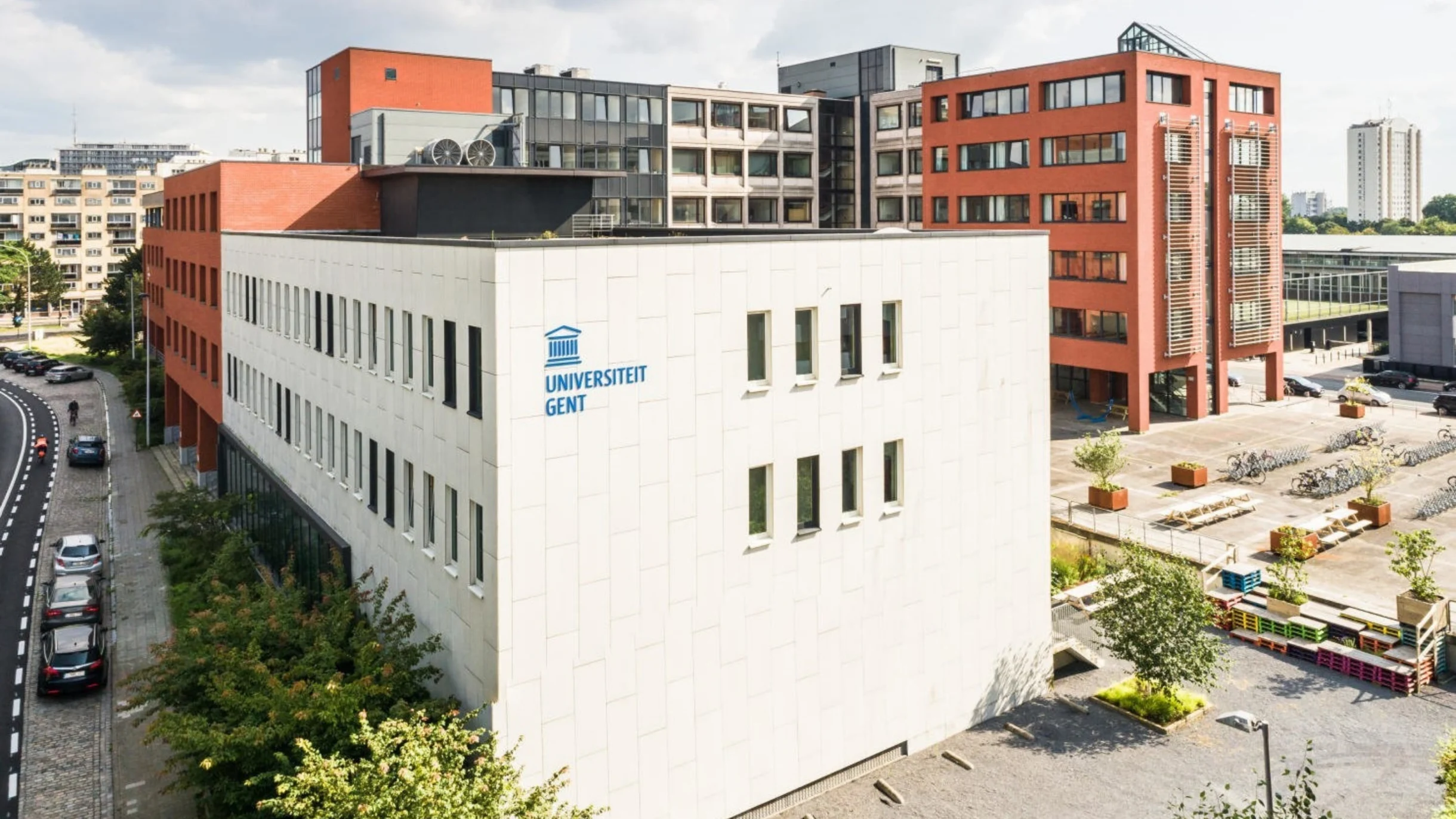
Ghent University helped build the foundations of modern biotechnology. Its scientists pioneered the gene-transfer technologies behind today’s GMO crops, discoveries that transformed global agriculture and launched Belgium as a biotech powerhouse. Few universities have produced breakthroughs with such lasting worldwide scientific and economic impact.
Trajectory of growth: The university showed a steady, stable foundation of activity from 2000 to 2012. After 2013, this turned into a surge of growth that climbed consistently every year, reaching its most impressive, peak level of achievement in 2024.
Universiteit Utrecht Faculteit Medische Wetenschappen (Utrecht University Faculty of Medical Sciences) – 53,316
Utrecht scientists at the Hubrecht Institute discovered the Lgr5 stem cells that made it possible to grow human organoids (‘mini-organs’) in the lab – a breakthrough that transformed regenerative medicine.
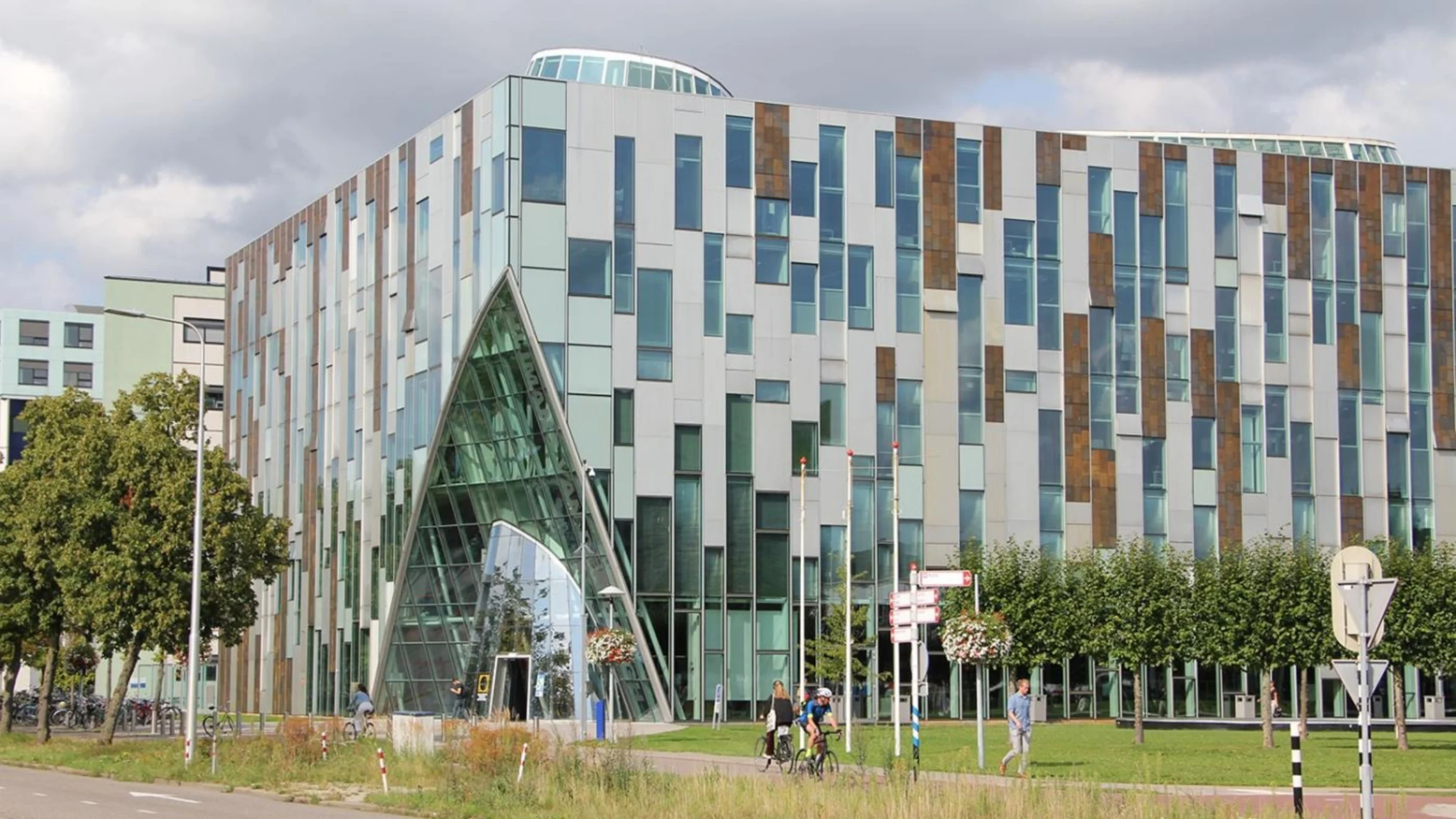
Founded in 1636, Utrecht University built one of Europe’s most influential biomedical research ecosystems, from pioneering the artificial kidney era through Dutch dialysis innovator Willem Kolff to leading the global organoid revolution that transformed modern medicine. Utrecht scientists also became the first to grow stable human intestinal organoids from adult stem cells, launching a new era in disease modeling and personalized therapy.
Trajectory of growth: The university’s activity went on an absolute power-run from 2000 to 2021, climbing year after year to hit a peak in 2021. After reaching that high point, it was consistent all the way through 2024.
Medizinische Universität Wien (Medical University of Vienna), Austria – 47,108
The ABO blood group system which is the foundation of safe blood transfusion worldwide was discovered in Vienna by Karl Landsteiner, later earning the Nobel Prize.
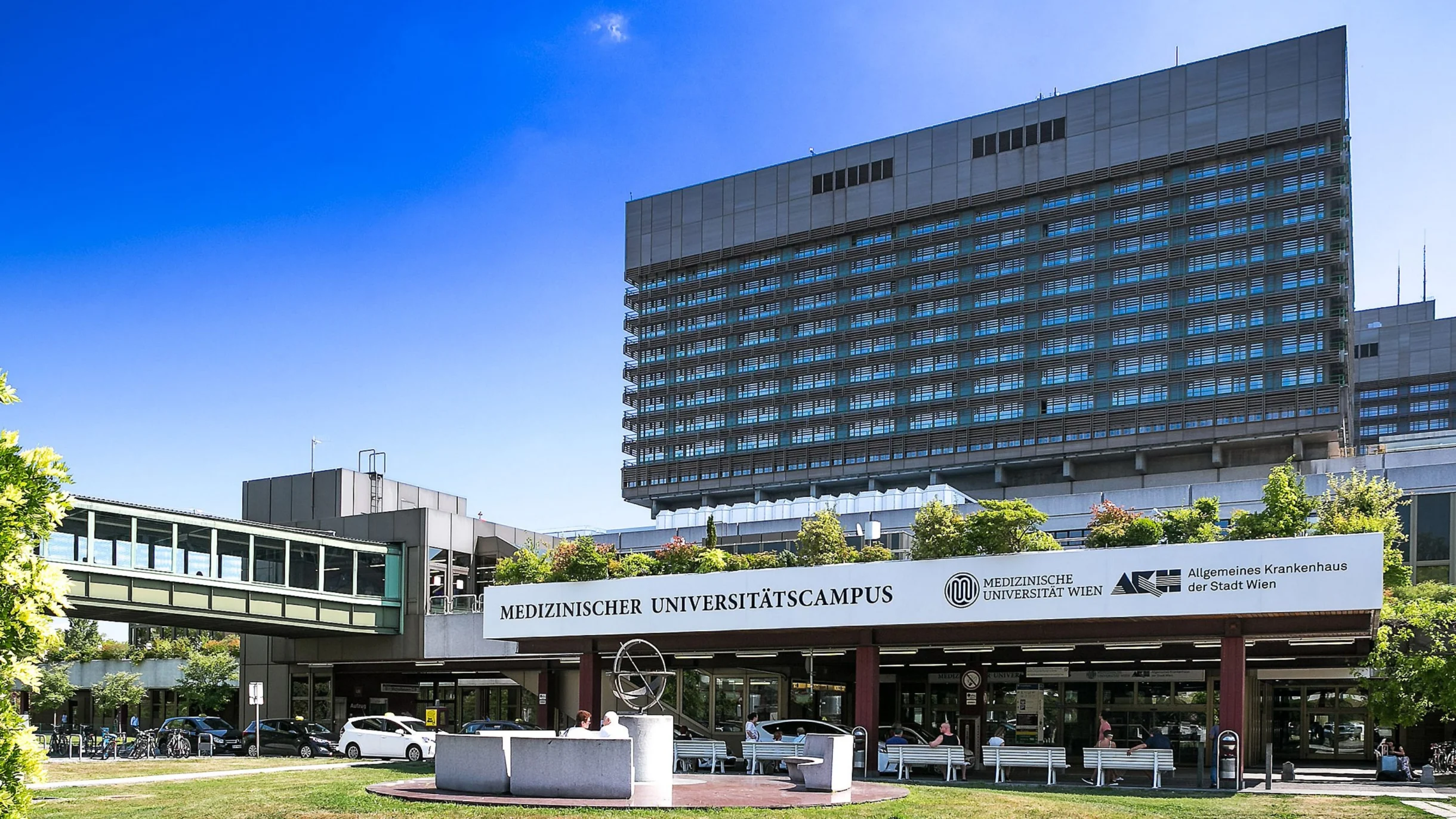
The Medical University of Vienna emerged from the Vienna Medical School, where Ignaz Semmelweis introduced mandatory hand disinfection in 1847 and Sigmund Freud developed psychoanalysis in the 1890s, breakthroughs that transformed modern medicine. Today, it remains one of Europe’s highest-output medical research universities.
Trajectory of growth: The university experienced its most static and slow-growing period between 2005 and 2010, where annual research output remained relatively flat. This was followed by a phase of rapid acceleration that culminated in the university’s highest period of research activity between 2020 and 2024, peaking in 2021.
The New Geography of European Medical Research
Europe’s medical research map is shifting. The old giants still dominate scale with institutions like Ghent, Oxford, Vienna, Leuven, and Amsterdam producing tens of thousands of PubMed-indexed papers between 2000 and 2024 but the sharpest momentum now comes from elsewhere.
More than 25 universities in this study posted EWGI scores above 200%, meaning their recent research output has more than doubled relative to their historical baseline. Much of this acceleration is emerging from Romania, the Baltics, Finland, Croatia, and other parts of Eastern Europe, regions once peripheral to Europe’s biomedical core.
This surge is being driven by Horizon Europe funding, cross-border clinical trial networks, AI-health collaborations, genomic medicine initiatives, and the rapid expansion of English-language medical education. Universities that once operated regionally are now embedded in continent-wide research ecosystems.
Meanwhile, Europe’s historic powerhouses show a different pattern: not explosive growth, but sustained scientific saturation. Their influence is already deeply entrenched. The result is a quieter but significant redistribution of biomedical momentum from a handful of traditional capitals toward a broader, faster-moving European research network.
Discussion: Stability vs. Velocity
Rankings often celebrate what has been achieved; EWGI reveals what is becoming possible. For the “All-Time Giants,” stability is the goal, their curves no longer rise sharply but flow steadily upward, embodying the mastery of institutions that long ago secured their place in history.
Yet, on the other end of the graph, a new kind of energy pulses. New universities in the Nordics, Spain, and Poland are rising fast, their growth trajectories sharp and determined. If they sustain this momentum, they may well stand shoulder-to-shoulder with the Giants within the next decade.
If you’re a student, researcher, or policymaker planning your next move, remember that everyone loves the classics like The Rolling Stones or ABBA, but sometimes the next generation’s rhythm – the Dua Lipas of the medical world is where the future beat begins.
Authors: Hana Maheen, MD, Research Associate at BIGR and Editor at OncoDaily, Aren Petrosyan, MD, Research Associate at BIGR, Elen Baloyan, MD, Director of BIGR and Managing Editor at OncoDaily.
Note: Rankings are based on data collected in late 2025 and cover the period 2000–2024; publications from 2025 onward were not included in the analysis.
About BIGR
The Boston Institute for Global Rankings (BIGR) is an academic initiative dedicated to transparent, data-driven evaluation of excellence.
Think BIGR.
This European analysis is the second part of our global series; catch up on the first chapter with the Top Growing Medical Universities in USA and Canada: 2025 Edition.
Follow our upcoming rankings on the OncoDaily website.