In 1972, a Chinese scientist working in a basement laboratory with no postgraduate degree, no foreign training, and no membership in either of China’s national academies discovered a compound that would go on to save millions of lives. Tu Youyou had screened more than 2,000 traditional Chinese herbal recipes before isolating artemisinin – a breakthrough in malaria treatment that earned her the Nobel Prize in Physiology or Medicine in 2015, making her the first Chinese citizen to win a Nobel in science.
She did it entirely in Asia. Entirely within the systems, institutions, and research culture of a continent that the world had long underestimated.
That story is not an exception. It is a pattern – and one that is accelerating faster today than at any point in history.
Asia is home to more than half the world’s population, the largest concentration of medical schools on Earth, and some of the fastest-growing research ecosystems ever recorded. From the archipelagos of Indonesia to the ancient medical traditions of China, from the cutting-edge hospital campuses of South Korea to the emerging faculties of Iraq and Nepal, Asian medical universities are not just participating in global science – they are increasingly defining it.
But which institutions are not just large, but momentum-driven? Which are outpacing their own histories, compressing decades of institution-building into years, and signaling that their best science is still ahead of them?
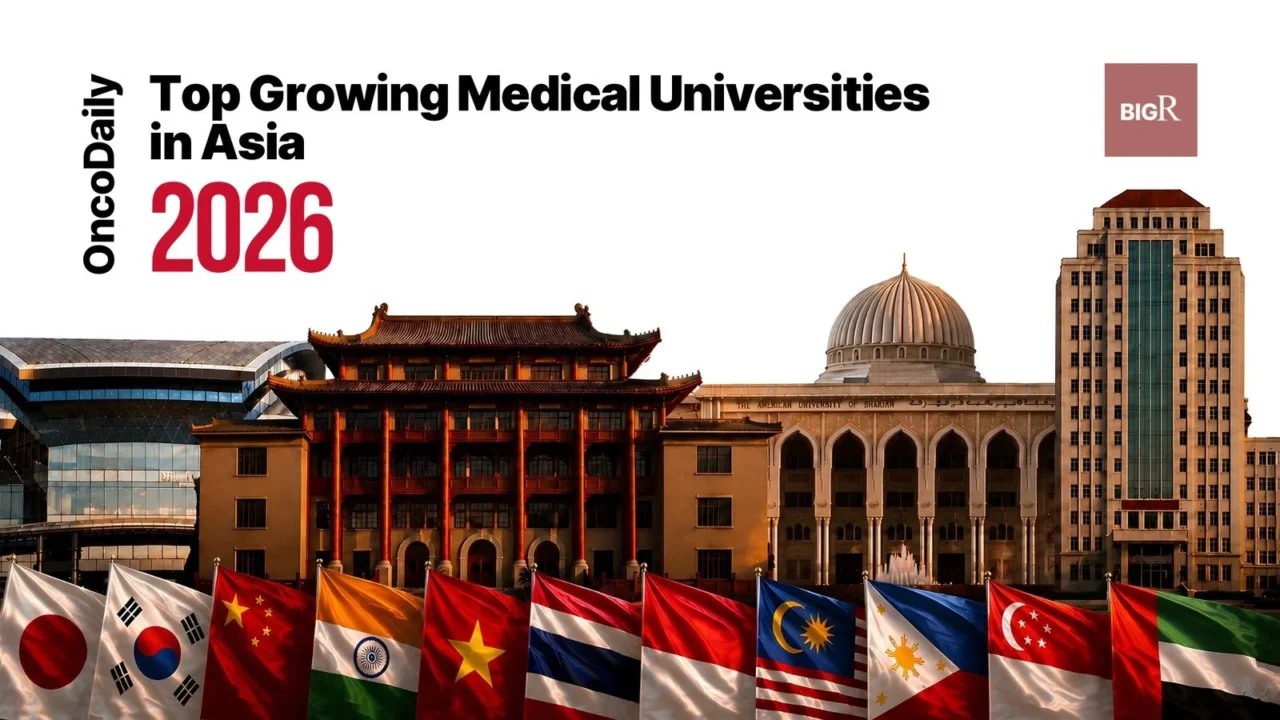
To find out, the Boston Institute for Global Rankings (BIGR) applied its signature Exponentially Weighted Growth Index (EWGI) to medical research output indexed in the National Library of Medicine’s PubMed database from 2000 to 2024. This Asia 2026 edition is the next installment of BIGR’s global series, following our analyses of USA and Canada, the Post-Soviet Region, Europe, and Latin America.
The results map a continent in the middle of a scientific transformation – and the institutions leading it may surprise you.
Scope of the Study
- Geography: Asia (excluding Post-Soviet countries, covered separately in BIGR’s Post-Soviet edition)
- Period analyzed: 2000-2024 (inclusive)
- Data source: All publications indexed in PubMed affiliated with each institution, across all medical and biomedical disciplines
- Inclusion threshold: ≥ 500 PubMed-indexed publications across the period
- Final sample: 553 medical institutions meeting the criterion
- Countries represented: 32
Note: Rankings are based on data collected in 2025–2026 and cover the period 2000–2024; publications from 2025 onward were not included in the analysis. Post-Soviet countries are excluded from this edition and were covered in BIGR’s Post-Soviet analysis.
Our analysis began with the World Directory of Medical Schools, comprising medical institutions across Asia. Only universities with at least 500 publications indexed in PubMed during the 2000-2024 period were included, ensuring that every ranked institution has demonstrated sustained, meaningful research activity. Smaller or newly established faculties with insufficient publication records were excluded to preserve the analytical integrity of the ranking.
Why Measure Growth in Research Output?
In a region as vast and varied as Asia, raw publication counts tell only part of the story. Japan has been publishing world-class biomedical research since the 1950s. China has built the world’s second-largest scientific publishing ecosystem in under three decades. South Korea has systematically transformed itself from a developing-world research landscape into a peer of European powerhouses within a single generation.
Against that backdrop, the question is not who is big – but who is accelerating.
A university whose recent output is double its own historical average is an institution in transformation. That transformation is what EWGI is designed to detect.
For students choosing where to train, for researchers choosing where to build careers, and for policymakers assessing where investment is working, momentum is the most forward-looking signal available.
Methodology: The Exponentially Weighted Growth Index (EWGI)
To evaluate growth fairly across institutions of vastly different ages, sizes, and national contexts, we developed the Exponentially Weighted Growth Index (EWGI). Here is how it works:
Step 1: Assigning Exponential Weights
Each year from 2000 to 2024 was assigned a weight that naturally emphasized more recent years. Using a decay parameter of seven years (τ = 7), the method ensures that a publication from 2023 carries more weight than one from 2003, while still allowing every year of output to contribute to the overall picture.
Step 2: Calculating Weighted Average Growth (WAG)
We multiplied each year’s publication count by its respective weight and divided the total by the sum of all weights. This provides a measure of recent productivity that gradually prioritizes newer work without erasing historical contributions.
Step 3: Calculating Historical Average (HA)
We computed the simple, unweighted average number of publications across all years of active output. Only years with at least one publication were counted – years with zero output were excluded from the denominator to avoid penalizing institutions for periods of inactivity before their research programs began.
Step 4: Computing the EWGI
The weighted recent performance was compared to the historical average and expressed as a percentage. An EWGI above 100% signals that an institution is outperforming its own history – a sign of genuine acceleration.
Strategic Insights: The Forces Driving Asian Research Momentum
Five structural forces explain why so many Asian medical institutions are accelerating simultaneously:
- China’s sustained national research investment – Two decades of government commitment to building world-class research universities, from Project 985 through the Double First Class initiative, has produced a cohort of Chinese medical faculties that are now generating PubMed-indexed output at rates that would have seemed impossible in 2000. The breadth of this acceleration – spanning coastal megacities, inland provinces, and even Tibet, reflects a genuinely national transformation.
- Indonesia’s research awakening – With a population of 280 million and a rapidly expanding university sector, Indonesia has emerged as one of the most surprising stories in global medical science. Several Indonesian faculties lead this entire ranking by EWGI. The country’s growing integration into international research networks, combined with domestic investment in graduate education, is producing results that are only beginning to appear in global analyses.
- The Gulf’s research infrastructure revolution – Saudi Arabia, the UAE, Jordan, and Bahrain have invested heavily in building research-active medical schools over the past 15 years, recruiting internationally trained faculty and embedding their institutions in global clinical trial networks. Multiple Gulf institutions appear in the top 100 of this ranking – a result that would have been almost unthinkable in the early 2000s.
- South Korea’s systematic excellence – South Korea has built one of the most consistent medical research ecosystems on Earth, combining public university investment, private hospital-affiliated schools, and a culture of academic productivity that has placed Korean medical journals and researchers among the most cited in Asia. Korean institutions appear throughout this ranking, from top-20 to the deepest sections of the list.
- Emerging hubs: Vietnam, Nepal, Iraq, and beyond – Some of the most striking individual trajectories in this analysis come from institutions in countries rarely associated with top-tier medical science. Hanoi Medical University, the Institute of Medicine at Tribhuvan University in Nepal, and several Iraqi universities appear in the top 50, signaling that the boundaries of Asian medical research excellence are expanding beyond their traditional centers.
The 2026 List: Top Growing Medical Universities in Asia
- Universitas Padjadjaran Fakultas Kedokteran, Indonesia – 249.9%
- Universitas Airlangga Fakultas Kedokteran, Indonesia – 246.9%
- King Faisal University College of Medicine in Al-Ahsa, Saudi Arabia – 246.5%
- Umm Al-Qura University Faculty of Medicine, Saudi Arabia – 245.6%
- Universitas Surabaya Fakultas Kedokteran, Indonesia – 245.1%
- University of Sharjah College of Medicine, UAE – 242.5%
- Universitas Hasanuddin Fakultas Kedokteran, Indonesia – 242.3%
- Universitas Islam Bandung Fakultas Kedokteran, Indonesia – 237.2%
- Chengdu University School of Medicine and Nursing, China – 237.0%
- Shaoguan University, China – 236.9%
- Changchun University of Chinese Medicine, China – 233.5%
- University of Jordan Faculty of Medicine, Jordan – 231.7%
- Jiangxi Medical College of Nanchang University, China – 231.0%
- Ningbo University Health Science Centre, China – 229.9%
- University of Baghdad College of Medicine, Iraq – 229.9%
- Shenzhen University College of Medicine, China – 229.8%
- Anhui University of Science and Technology College of Medicine, China – 228.5%
- Hashemite University Faculty of Medicine, Jordan – 227.6%
- Universitas Andalas Fakultas Kedokteran, Indonesia – 226.6%
- Shanxi Medical University, China – 226.5%
- University of Mosul College of Medicine, Iraq – 224.8%
- Universitas Indonesia Fakultas Kedokteran, Indonesia – 224.0%
- Fujian Medical University, China – 223.5%
- Hebei University Medical College, China – 222.7%
- Walailak University School of Medicine, Thailand – 221.9%
- Koç Üniversitesi Tıp Fakültesi, Turkiye – 221.6%
- Kunming University of Science and Technology Medical School, China – 220.9%
- Institute of Medicine, Tribhuvan University, Nepal – 220.9%
- Inner Mongolia Medical University, China – 220.1%
- Universitas Udayana Fakultas Kedokteran, Indonesia – 220.1%
- Hanoi Medical University, Vietnam – 220.1%
- Inner Mongolia University for the Nationalities, China – 219.8%
- Yangzhou University College of Medicine, China – 219.8%
- Jianghan University School of Medicine, China – 219.2%
- Zhengzhou University Medical School, China – 218.7%
- King Mongkut’s Institute of Technology Ladkrabang Faculty of Medicine, Thailand – 218.6%
- Jiangsu University School of Medicine, China – 216.5%
- Medical College of Wuhan University of Science and Technology, China – 215.8%
- Qingdao University Qingdao Medical College, China – 215.8%
- University of Basrah College of Medicine, Iraq – 214.3%
- International University of Health and Welfare (IUHW) School of Medicine, Japan – 213.5%
- Hunan Normal University College of Medicine, China – 211.6%
- Anhui Medical University, China – 210.8%
- Bengbu Medical College, China – 209.7%
- Medical College of China Three Gorges University, China – 209.7%
- Jordan University of Science and Technology Faculty of Medicine, Jordan – 208.6%
- Üsküdar Üniversitesi Tıp Fakültesi, Turkiye – 208.5%
- University of the Philippines Manila College of Medicine, Philippines – 207.8%
- Jinan University School of Medicine, China – 207.7%
- Changzhi Medical College, China – 207.1%
- Shenyang Medical College, China – 207.0%
- D.Y. Patil Medical College, Kolhapur, India – 207.0%
- Chongqing Medical University, China – 206.7%
- Universitas Diponegoro Fakultas Kedokteran, Indonesia – 206.0%
- Birjand University of Medical Sciences and Health Services Medical School, Iran – 205.8%
- Xinjiang Medical University, China – 205.6%
- İnönü Üniversitesi Tıp Fakültesi, Turkiye – 205.2%
- Capital Medical University, China – 204.9%
- Lanzhou University Health Science Center, China – 204.8%
- King Saud University College of Medicine, Saudi Arabia – 204.8%
- Guangxi Medical University, China – 204.5%
- Taizhou University Medical School, China – 204.4%
- Faculty of Medicine Vajira Hospital, Thailand – 204.2%
- Iran University of Medical Sciences (IUMS) School of Medicine, Iran – 203.8%
- Karachi Medical and Dental College, Pakistan – 203.5%
- Can Tho University of Medicine and Pharmacy Faculty of Medicine, Vietnam – 203.3%
- Dalian Medical University, China – 202.3%
- University of Santo Tomas Faculty of Medicine and Surgery, Philippines – 202.3%
- Burapha University Faculty of Medicine, Thailand – 202.2%
- Hebei Medical University, China – 202.0%
- Kabul University of Medical Sciences Faculty of Medicine, Afghanistan – 201.5%
- Shantou University Medical College, China – 201.4%
- Soochow University Medical College, China – 201.1%
- Huzhou University School of Medicine and Nursing, China – 201.0%
- Guilan University of Medical Sciences, Iran – 200.8%
- Nanjing Medical University, China – 200.1%
- Tongji University School of Medicine, China – 200.1%
- Qinghai University Medical College, China – 199.9%
- Universitas Sebelas Maret Fakultas Kedokteran, Indonesia – 199.9%
- University of Ruhuna Faculty of Medicine, Sri Lanka – 197.7%
- Xiamen University School of Medicine, China – 197.6%
- Arabian Gulf University College of Medicine and Medical Sciences, Bahrain – 196.8%
- Gannan Medical University, China – 196.6%
- Jiamusi University School of Medicine, China – 196.6%
- Southeast University Medical College, China – 196.5%
- Taif University College of Medicine, Saudi Arabia – 196.5%
- Kerman University of Medical Sciences Faculty of Medicine, Iran – 195.7%
- Universitas Brawijaya Fakultas Kedokteran, Indonesia – 195.5%
- Xi’an Jiaotong University College of Medicine, China – 195.4%
- Kermanshah University of Medical Sciences School of Medicine, Iran – 195.2%
- King Abdulaziz University, Saudi Arabia – 195.1%
- West China School of Medicine, Sichuan University, China – 195.0%
- Yanbian University Health Science Center, China – 195.0%
- Thammasat University Faculty of Medicine, Thailand – 195.0%
- Medical School, Nanjing University, China – 194.8%
- Jiaxing University College of Medicine, China – 194.7%
- Chengdu Medical College, China – 194.1%
- Guangzhou Medical University, China – 194.0%
- Kasetsart University Faculty of Medicine, Thailand – 194.0%
- Tianjin Medical University, China – 193.8%
View rankings 101-150
101: University of Balamand Faculty of Medicine and Medical Sciences, Lebanon
102: Al-Nahrain University College of Medicine, Iraq
103: Hebei North University Faculty of Medicine, China
104: Wuhan University School of Medicine, China
105: Shahid Beheshti University of Medical Sciences Faculty of Medicine, Iran
106: Lebanese University Faculty of Medical Sciences, Lebanon
107: Nankai University School of Medicine, China
108: Tongji Medical College of Huazhong University of Science & Technology, China
109: Tokushima University School of Medicine, Japan
110: Shaoxing University Medical College, China
111: Mazandaran University of Medical Sciences Faculty of Medicine, Iran
112: Henan University of Science and Technology School of Medicine, China
113: Nanjing University of Chinese Medicine, China
114: University of Sri Jayewardenepura Faculty of Medical Sciences, Sri Lanka
115: Qassim University College of Medicine, Saudi Arabia
116: Jishou University School of Medicine, China
117: Medical College of Dalian University, China
118: Sun Yat-sen University School of Medicine, China
119: Ardabil University of Medical Sciences Faculty of Medicine, Iran
120: Peking Union Medical College, China
121: Islamic Azad University Faculty of Medicine, Iran
122: Saveetha Medical College and Hospital, India
123: Dhaka Medical College and Hospital, Bangladesh
124: University of Peradeniya Faculty of Medicine, Sri Lanka
125: Zhejiang University, China
126: Xiangya School of Medicine, Central South University, China
127: Urmia University of Medical Sciences Faculty of Medicine, Iran
128: Universiti Malaysia Sarawak Fakulti Perubatan dan Sains Kesihatan, Malaysia
129: Mashhad University of Medical Sciences Faculty of Medicine, Iran
130: Rangsit University Faculty of Medicine, Thailand
131: Balikesir Üniversitesi Tıp Fakültesi, Turkiye
132: Mersin Üniversitesi Tıp Fakültesi, Turkiye
133: Universiti Sains Malaysia School of Medical Sciences, Malaysia
134: Tsinghua University School of Medicine, China
135: Shanghai Medical College, Fudan University, China
136: Shifa College of Medicine, Pakistan
137: University of Sulaimani College of Medicine, Iraq
138: Sultan Qaboos University College of Medicine, Oman
139: Université Saint-Joseph Faculté de Médecine, Lebanon
140: Hormozgan University of Medical Sciences Faculty of Medicine, Iran
141: Babol University of Medical Sciences Faculty of Medicine, Iran
142: Tabriz University of Medical Sciences Faculty of Medicine, Iran
143: Bar-Ilan University Azrieli Faculty of Medicine, Israel
144: Semnan University of Medical Sciences Faculty of Medicine, Iran
145: Arak University of Medical Sciences School of Medicine, Iran
146: Suranaree University of Technology Institute of Medicine, Thailand
147: Naresuan University Faculty of Medicine, Thailand
148: Shahrekord University of Medical Sciences Faculty of Medicine, Iran
149: Medical College of Yan’an University, China
150: Baotou Medical College, Inner Mongolia University of Science and Technology, China
View rankings 151-200
151: International Islamic University Malaysia Kulliyyah of Medicine, Malaysia
152: Liaquat National Hospital and Medical College, Pakistan
153: Chiang Mai University Faculty of Medicine, Thailand
154: Liaquat University of Medical & Health Sciences, Pakistan
155: Kastamonu Üniversitesi Tıp Fakültesi, Turkiye
156: Tibet University Medical College, China
157: Zhongshan School of Medicine, Sun Yat-Sen University, China
158: Shiraz University of Medical Sciences School of Medicine, Iran
159: King Edward Medical University, Pakistan
160: Atılım Üniversitesi Tıp Fakültesi, Turkiye
161: Shaanxi University of Chinese Medicine, China
162: Harbin Medical University, China
163: IMU University Faculty of Medicine and Health, Malaysia
164: King Saud bin Abdulaziz University for Health Sciences, Saudi Arabia
165: Yeungnam University College of Medicine, Republic of Korea
166: Prince of Songkla University Faculty of Medicine, Thailand
167: Srinakharinwirot University Faculty of Medicine, Thailand
168: Dongguk University School of Medicine, Republic of Korea
169: Chinese University of Hong Kong, Shenzhen, China
170: Chinese University of Hong Kong Faculty of Medicine, Hong Kong S.A.R. China
171: Kashan University of Medical Sciences and Health Services Faculty of Medicine, Iran
172: Universiti Putra Malaysia Fakulti Perubatan dan Sains Kesihatan, Malaysia
173: Chung-Ang University College of Medicine, Republic of Korea
174: Hawler Medical University College of Medicine, Iraq
175: University of Kelaniya Faculty of Medicine, Sri Lanka
176: Peking University Health Science Center, China
177: China Medical University, China
178: Zanjan University of Medical Sciences Faculty of Medicine, Iran
179: Government Medical College Srinagar, India
180: Tehran University of Medical Sciences School of Medicine, Iran
181: Zhejiang Chinese Medical University, China
182: Hamadan University of Medical Sciences Medical School, Iran
183: Eulji University College of Medicine, Republic of Korea
184: Fujita Health University School of Medicine, Japan
185: Jazan University Faculty of Medicine, Saudi Arabia
186: Guangzhou University of Chinese Medicine, China
187: Isfahan University of Medical Sciences Faculty of Medicine, Iran
188: Nantong University Medical School, China
189: Shahed University Faculty of Medicine, Iran
190: Dayanand Medical College, India
191: Kocaeli Üniversitesi Tıp Fakültesi, Turkiye
192: Taibah University College of Medicine, Saudi Arabia
193: Chulalongkorn University Faculty of Medicine, Thailand
194: Hunan University of Chinese Medicine, China
195: Chettinad Hospital & Research Institute, India
196: Fukushima Medical University School of Medicine, Japan
197: Cha University School of Medicine, Republic of Korea
198: Chungnam National University College of Medicine, Republic of Korea
199: LAU Gilbert and Rose-Marie Chagoury School of Medicine, Lebanon
200: Universiti Malaya Fakulti Perubatan, Malaysia
View rankings 201-250
201: Lorestan University of Medical Sciences School of Medicine, Iran
202: Sakarya Üniversitesi Tıp Fakültesi, Turkiye
203: Aichi Medical University, Japan
204: Saga University Faculty of Medicine, Japan
205: Macau University of Science and Technology Faculty of Medicine, Macau S.A.R. China
206: Jinggangshan University Medical School, China
207: Dali University School of Medicine, China
208: St. John’s Medical College, India
209: Ramathibodi Hospital Faculty of Medicine, Thailand
210: Keimyung University College of Medicine, Republic of Korea
211: Vardhman Mahavir Medical College & Safdarjung Hospital, India
212: Kunming Medical University, China
213: Maltepe Üniversitesi Tıp Fakültesi, Turkiye
214: Jeffrey Cheah School of Medicine and Health Sciences, Malaysia
215: Asahikawa Medical University, Japan
216: Eastern Mediterranean University Dr. Fazıl Küçük Faculty of Medicine, Cyprus
217: Gandhi Medical College, India
218: Hanyang University College of Medicine, Republic of Korea
219: Southern Medical University, China
220: Himalayan Institute of Medical Sciences, India
221: Universitas Katolik Indonesia Atma Jaya Fakultas Kedokteran, Indonesia
222: Hallym University College of Medicine, Republic of Korea
223: Bahçeşehir Üniversitesi Tıp Fakültesi, Turkiye
224: Kahramanmaraş Sütçü İmam Üniversitesi Tıp Fakültesi, Turkiye
225: Dankook University College of Medicine, Republic of Korea
226: Chungbuk National University College of Medicine, Republic of Korea
227: Konyang University College of Medicine, Republic of Korea
228: Korea University College of Medicine, Republic of Korea
229: Juntendo University School of Medicine, Japan
230: Kafkas Üniversitesi Tıp Fakültesi, Turkiye
231: Golestan University of Medical Sciences Medical School, Iran
232: Jikei University School of Medicine, Japan
233: Gaziosmanpaşa Üniversitesi Tıp Fakültesi, Turkiye
234: University of South China Faculty of Medicine, China
235: Kangwon National University School of Medicine, Republic of Korea
236: King Fahad Medical City, Saudi Arabia
237: Universitas Syiah Kuala Fakultas Kedokteran, Indonesia
238: Bushehr University of Medical Sciences and Health Services, Iran
239: Khon Kaen University Faculty of Medicine, Thailand
240: Hamamatsu University School of Medicine, Japan
241: Siriraj Hospital Faculty of Medicine, Thailand
242: Government Medical College Chandigarh, India
243: Madras Medical College, India
244: Gyeongsang National University College of Medicine, Republic of Korea
245: B.P. Koirala Institute of Health Sciences, Nepal
246: Kosin University College of Medicine, Republic of Korea
247: Marmara Üniversitesi Tıp Fakültesi, Turkiye
248: Universiti Teknologi Mara Faculty of Medicine, Malaysia
249: Ewha Womans University School of Medicine, Republic of Korea
250: Ordu Üniversitesi Tıp Fakültesi, Turkiye
View rankings 251-300
251: St. Marianna University School of Medicine, Japan
252: Gaziantep Üniversitesi Tıp Fakültesi, Turkiye
253: Pusan National University School of Medicine, Republic of Korea
254: Youjiang Medical University for Nationalities, China
255: Kyung Hee University College of Medicine, Republic of Korea
256: Mae Fah Luang University School of Medicine, Thailand
257: Jichi Medical University School of Medicine, Japan
258: Kyungpook National University School of Medicine, Republic of Korea
259: Nepal Medical College, Nepal
260: Institute of Medical Sciences & SUM Hospital, Bhubaneswar, India
261: Mymensingh Medical College, Bangladesh
262: Kyorin University School of Medicine, Japan
263: Zahedan University of Medical Sciences Faculty of Medicine, Iran
264: Mutah University Faculty of Medicine, Jordan
265: Sungkyunkwan University School of Medicine & Graduate School of Medicine, Republic of Korea
266: Government Medical College Nagpur, India
267: Burdwan Medical College, India
268: Ankara Üniversitesi Tıp Fakültesi, Turkiye
269: King George’s Medical University, India
270: Shimane University School of Medicine, Japan
271: Yokohama City University School of Medicine, Japan
272: Armed Forces Medical College, India
273: Fasa University of Medical Sciences Faculty of Medicine, Iran
274: Al-Balqa Applied University Faculty of Medicine, Jordan
275: Atatürk Üniversitesi Tıp Fakültesi, Turkiye
276: Yonsei University College of Medicine, Republic of Korea
277: Guangdong Pharmaceutical University, China
278: Shahid Sadoughi University of Medical Sciences, Iran
279: Kochi Medical School, Japan
280: Çukurova Üniversitesi Tıp Fakültesi, Turkiye
281: University of Ulsan College of Medicine, Republic of Korea
282: University of Colombo Faculty of Medicine, Sri Lanka
283: Aksaray Üniversitesi Tıp Fakültesi, Turkiye
284: İstanbul Üniversitesi İstanbul Tıp Fakültesi, Turkiye
285: Institute of Medical Sciences, Varanasi, India
286: Tokyo Medical University, Japan
287: Giresun Üniversitesi Tıp Fakültesi, Turkiye
288: University of Miyazaki Faculty of Medicine, Japan
289: Catholic University of Korea College of Medicine, Republic of Korea
290: Inje University College of Medicine, Republic of Korea
291: Beihua University School of Medicine, China
292: Kathmandu Medical College, Nepal
293: Fujian University of Traditional Chinese Medicine, China
294: Yasuj University of Medical Sciences Faculty of Medicine, Iran
295: Eskişehir Osmangazi Üniversitesi Tıp Fakültesi, Turkiye
296: Dong-A University College of Medicine, Republic of Korea
297: Erciyes Üniversitesi Tıp Fakültesi, Turkiye
298: Chonnam National University, Republic of Korea
299: Government Medical College Jammu, India
300: Ajou University School of Medicine, Republic of Korea
Spotlights: The Leaders of Asian Research Momentum
Universitas Padjadjaran Fakultas Kedokteran, Indonesia – 249.9%
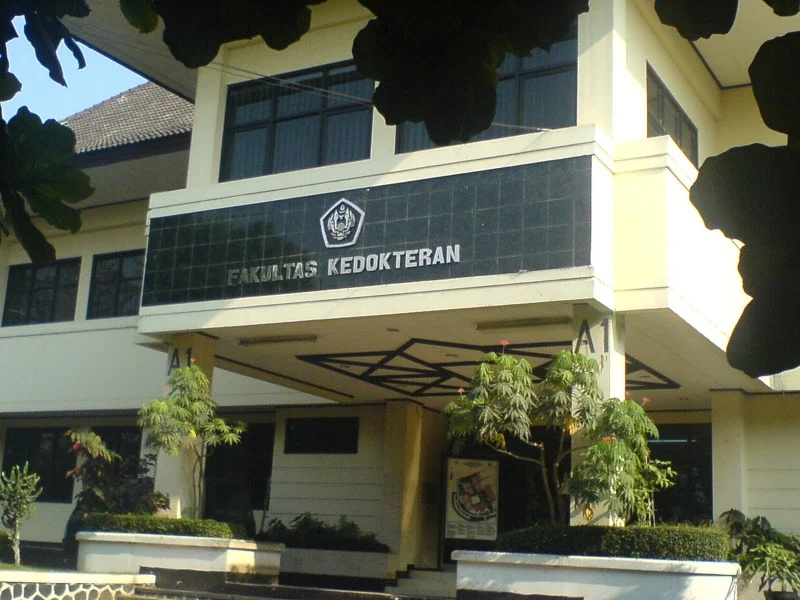
Located in Bandung – the cultural capital of West Java and Indonesia’s third-largest city, Universitas Padjadjaran’s Faculty of Medicine is the fastest-growing medical faculty in all of Asia by EWGI. Founded in 1957 as one of the original four faculties of UNPAD, the medical school has in recent decades transformed from a regionally focused teaching faculty into a nationally significant research institution. Its acceleration reflects Indonesia’s broader scientific awakening: a country of 280 million people that has invested heavily in graduate education, international research partnerships, and biomedical research infrastructure. UNPAD’s Faculty of Medicine is particularly notable for its work in infectious disease, tropical medicine, and maternal and child health – areas of profound national relevance.
Among UNPAD’s most celebrated alumni is Megawati Sukarnoputri, daughter of Indonesia’s founding president Sukarno and herself the fifth president of Indonesia, the country’s first and only female head of state. While she studied agriculture rather than medicine, her connection to the university underscores UNPAD’s historic role as a cradle of Indonesian national leadership.
Trajectory of growth: Output through the early 2000s was modest, anchored primarily in clinical education rather than research. The inflection point came around 2010-2012, coinciding with Indonesia’s expanding national research grant programs and UNPAD’s deliberate push to recruit internationally trained faculty. From 2015 onward, annual publication counts climbed steeply and consistently, with the 2020-2024 window representing the most productive period in the faculty’s history – a compressed acceleration that produced the continent’s highest EWGI score.
Universitas Airlangga Fakultas Kedokteran, Indonesia – 246.9%
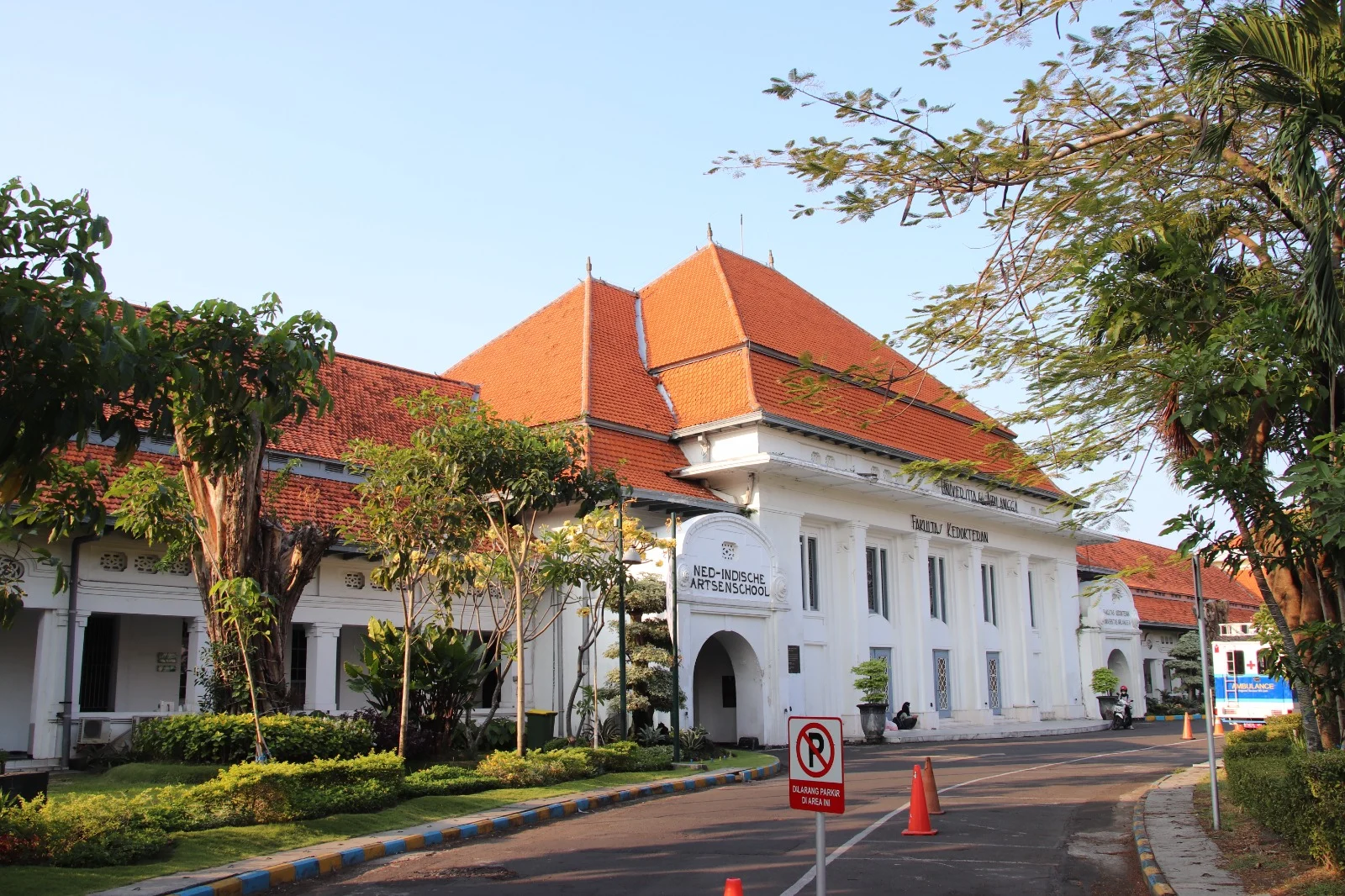
Universitas Airlangga, based in Surabaya – Indonesia’s second-largest city and its historic commercial capital – has long been regarded as one of the country’s premier research universities. Its Faculty of Medicine carries particular significance: the University of Airlangga itself was established in 1954 from the former Surabaya campus of the University of Indonesia, giving it deep roots in the institutional history of Indonesian higher education. Today, the faculty is known for its strength in infectious disease research, pharmacology, and public health – fields where Indonesia’s tropical geography and dense urban populations create both urgent need and unique scientific opportunity.
Trajectory of growth: Airlangga’s research output was steady but relatively flat through the mid-2000s. The acceleration began around 2011-2013, driven by increasing integration into international research consortia, particularly in infectious disease and neglected tropical diseases. The 2016-2024 period saw sustained exponential growth, with annual publications reaching levels multiple times higher than the faculty’s 2000-2010 average – a trajectory that places it second on the entire Asian continent.
King Faisal University College of Medicine in Al-Ahsa, Saudi Arabia – 246.5%
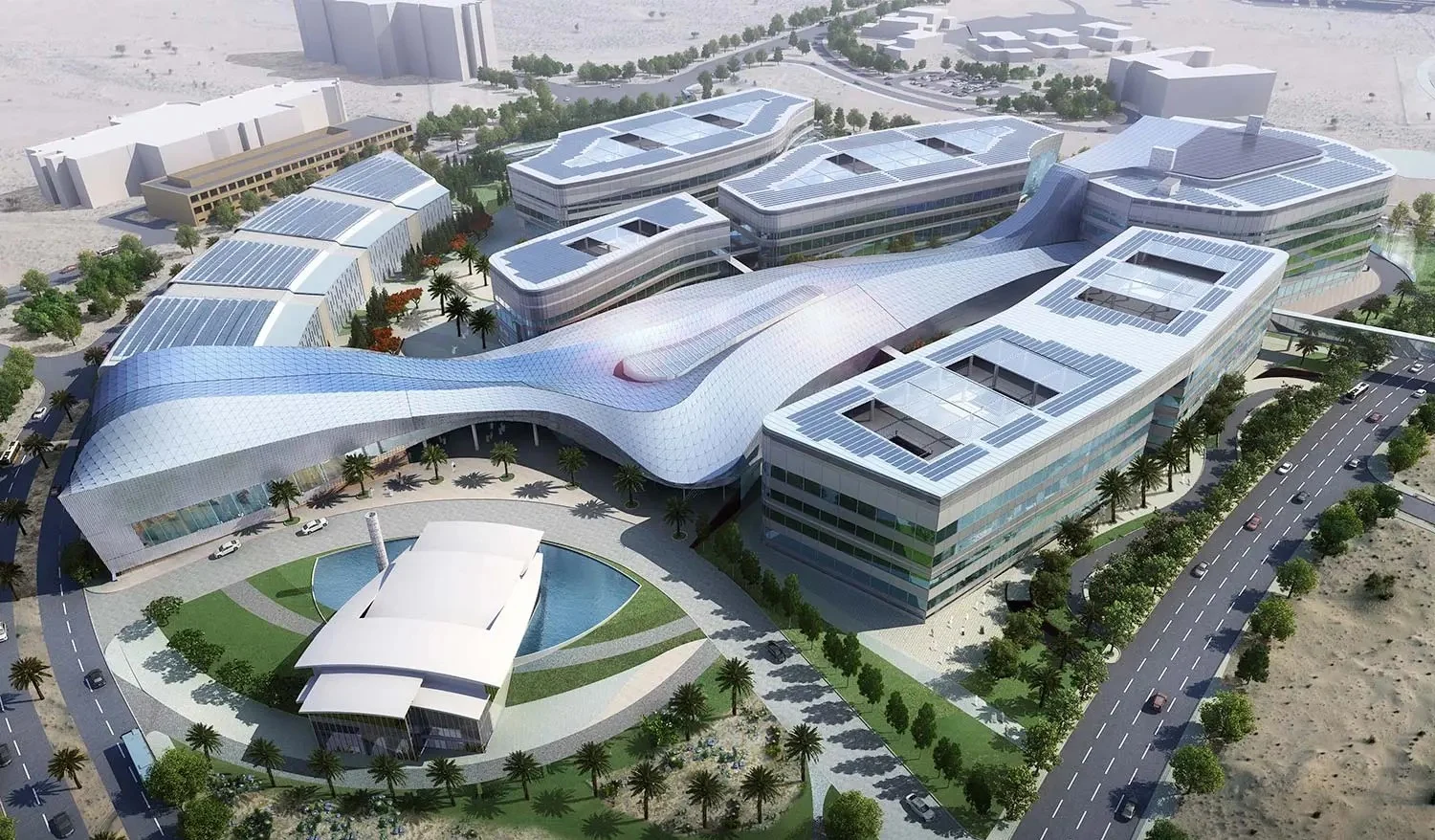
King Faisal University’s College of Medicine, based in Al-Ahsa in eastern Saudi Arabia, embodies one of the most remarkable institutional transformations in global medical education. Established in 1975, the college has evolved from a regionally focused teaching school into a research-active faculty whose recent publication trajectory rivals institutions with decades more history. Its acceleration reflects Saudi Arabia’s Vision 2030 investment in science and higher education, which has channeled significant resources into faculty development, research infrastructure, and international academic partnerships. Al-Ahsa itself – a UNESCO World Heritage oasis city with 6,000 years of continuous habitation – provides a geographic context as ancient as it is unexpected for a top-three ranked medical research accelerator.
Trajectory of growth: Publication output was minimal through the 2000s, reflecting an institution in teaching mode. The transformation began around 2013-2015 as Vision 2030’s precursor policies began directing resources toward research productivity. From 2016 onward the climb was steep, with 2020-2024 representing a near-vertical acceleration – the hallmark of an institution that shifted its institutional identity from education to research in a remarkably short time.
Umm Al-Qura University Faculty of Medicine, Saudi Arabia – 245.6%
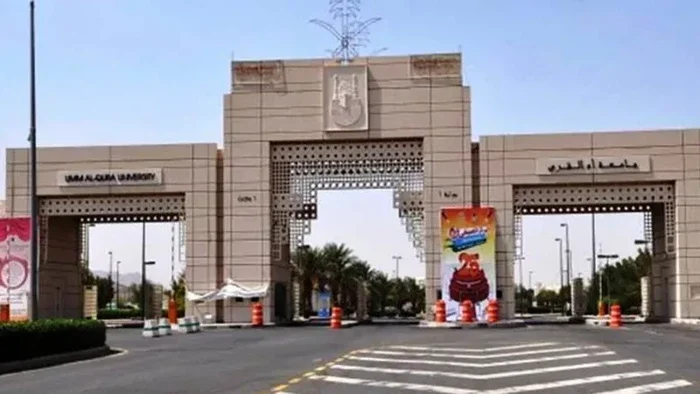
Umm Al-Qura University holds a unique position in the Islamic world: located in Mecca, it is the university of the holiest city on Earth, drawing students and faculty from across the Muslim world and carrying a symbolic weight that no other institution in this ranking can claim. Its Faculty of Medicine has, in recent years, channeled that international connectivity into something more tangible – a rapidly expanding research portfolio in public health, infectious disease, and hajj medicine. The study of mass gatherings and their public health implications – a field that Umm Al-Qura has helped define – is of global significance in an era of pandemics and international travel.
Trajectory of growth: Like many Saudi institutions, Umm Al-Qura’s research output accelerated sharply after 2013, rising from a low baseline to sustained multi-year growth. The 2018-2024 period has been the most productive in the faculty’s history, with publication volumes that dwarf its pre-2010 output by an order of magnitude.
Universitas Surabaya Fakultas Kedokteran, Indonesia – 245.1%

Three of Asia’s top five fastest-growing medical faculties are Indonesian – and Universitas Surabaya’s Faculty of Medicine is the third of them. A private university founded in 1968, UBAYA has built its research identity around pharmacy, biomedical sciences, and health technology, areas where its strong industry connections in Surabaya’s pharmaceutical sector have proven to be a research asset rather than a distraction. Its appearance in the top five reflects something broader: the Indonesian private university sector, long overshadowed by the country’s major public institutions, is producing internationally competitive science at an accelerating rate.
Trajectory of growth: UBAYA’s trajectory is one of the steepest in this entire analysis. Starting from a near-zero research baseline in the early 2000s, the faculty built output methodically through 2015, then entered a period of sharp acceleration from 2016 onward. The compounding effect of a small starting base with a steep growth curve produces EWGI scores that larger, more established institutions simply cannot match – which is precisely what the metric is designed to detect.
The All-Time Giants: Top 20 by Total Publications (2000-2024)
While EWGI measures momentum, the giants of Asian medicine command a scale of output that defines the continent’s research landscape:
- Zhejiang University, China – 135,222 publications
- Shanghai Medical College, Fudan University, China – 107,900 publications
- Seoul National University College of Medicine, Republic of Korea – 104,908 publications
- Sun Yat-sen University School of Medicine, China – 103,886 publications
- University of Tokyo Faculty of Medicine, Japan – 94,878 publications
- Medical School, Nanjing University, China – 87,751 publications
- Capital Medical University, China – 79,323 publications
- Peking Union Medical College, China – 78,679 publications
- West China School of Medicine, Sichuan University, China – 76,497 publications
- Kyoto University Faculty of Medicine, Japan – 71,062 publications
- Yonsei University College of Medicine, Republic of Korea – 66,680 publications
- China Medical University, China – 65,498 publications
- Wuhan University School of Medicine, China – 63,291 publications
- Nanjing Medical University, China – 63,031 publications
- Tehran University of Medical Sciences School of Medicine, Iran – 58,243 publications
- Xiangya School of Medicine, Central South University, China – 55,605 publications
- Zhengzhou University Medical School, China – 54,879 publications
- Tongji Medical College of Huazhong University of Science & Technology, China – 54,071 publications
- Tsinghua University School of Medicine, China – 53,859 publications
- Southern Medical University, China – 50,216 publications
Zhejiang University, China – 135,222 publications
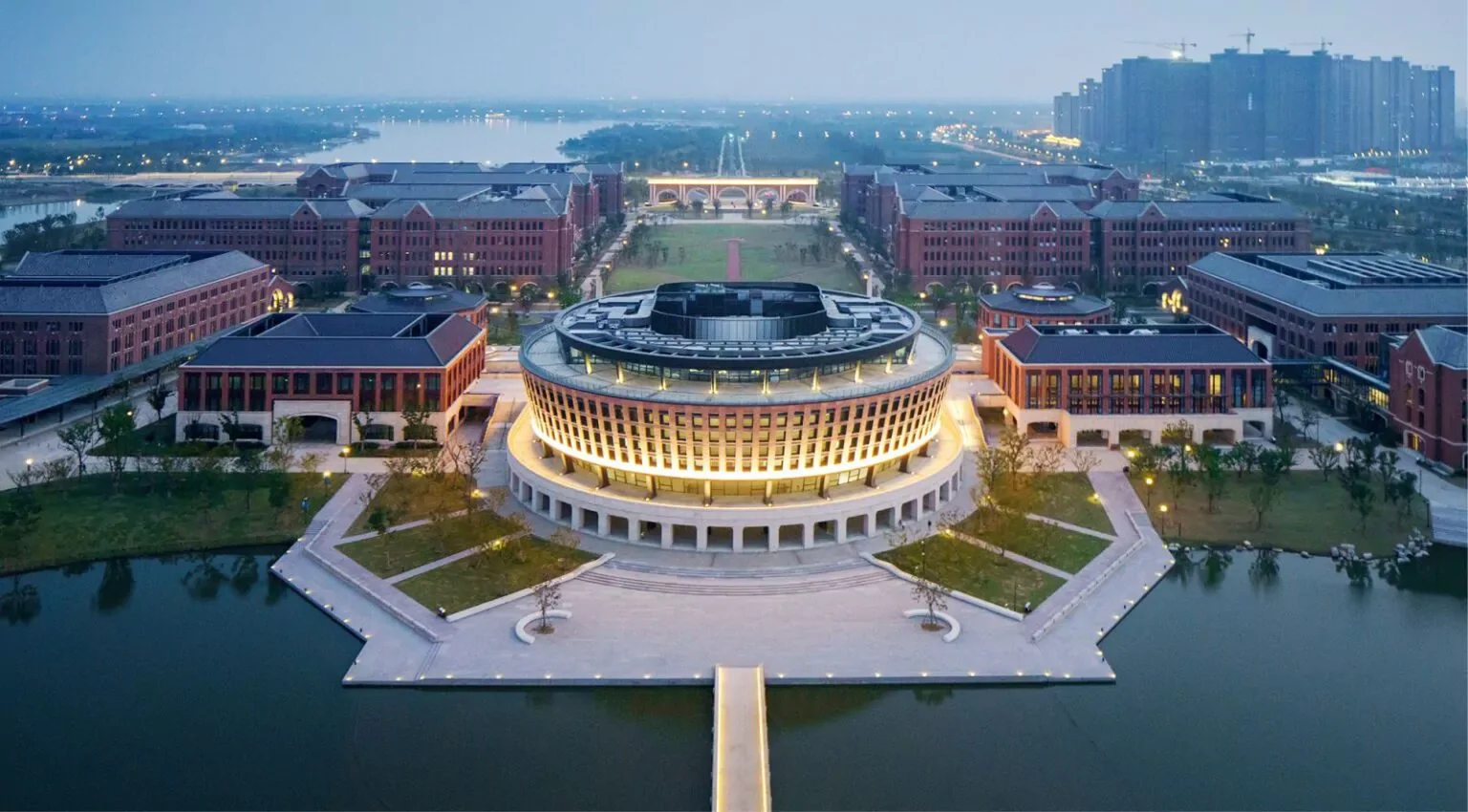
Zhejiang University is not just the most prolific medical research institution in Asia – it sits among the twenty most-published universities on Earth.
Based in Hangzhou, one of China’s most prosperous and innovative cities, Zhejiang University has built a medical research enterprise of extraordinary scale. Its output of 135,222 PubMed-indexed publications over 25 years places it in a category shared only by a handful of institutions globally. The university’s strength spans nearly every medical discipline – from oncology and cardiovascular medicine to neuroscience, infectious disease, and traditional Chinese medicine research.
Among the scientific tradition of Zhejiang Province, Chien-Shiung Wu – one of the most important experimental physicists of the 20th century – studied there, as did Tsung-Dao Lee, who went on to win the Nobel Prize in Physics in 1957. While their work was in physics rather than medicine, their careers reflect the depth of scientific excellence that Zhejiang has historically produced – a legacy that Zhejiang University’s medical school is now building upon at continental scale.
Trajectory of growth: Output grew steadily through the 2000s, reflecting an already active research institution. The acceleration phase began around 2010 and has continued without interruption, reaching its highest annual volumes in 2022-2024. With an EWGI of 189.7%, Zhejiang University is not only the largest but also one of the more actively growing giants in this ranking.
Seoul National University College of Medicine, Republic of Korea – 104,908 publications
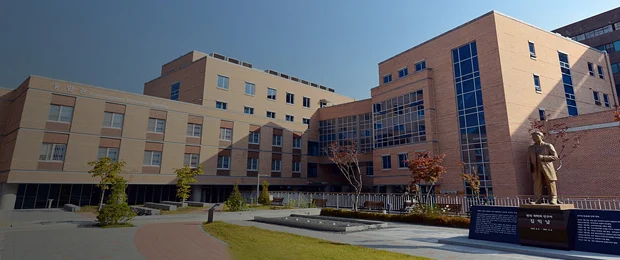
Seoul National University’s College of Medicine produced the former Director-General of the World Health Organization, the discoverer of the Hantavirus, and the scientist who developed the first hepatitis B vaccine.
Established in 1899 as the first accredited medical school in Korea – then under Japanese colonial rule – SNU College of Medicine has been at the center of Korean medicine for over 125 years. Its alumni list reads like a history of Korean public health: Jong-Wook Lee, who served as Director-General of the WHO from 2003 until his death in 2006; Ho-Wang Lee, who discovered the Hantavirus and Seoul Virus; and Chung Yong Kim, who isolated the hepatitis B virus from serum in 1973 and developed the first vaccine against hepatitis B. These are not incidental connections – they reflect an institution that has shaped public health policy and scientific knowledge at the global level for generations.
Trajectory of growth: SNU’s publication record is one of sustained, consistent excellence rather than dramatic acceleration, which explains its EWGI of 155.9% – significant but below the fastest-growing institutions. Output has grown steadily from the 2000s through 2024, with no plateau, reflecting an institution that was already research-active and has continued to expand without disruption.
University of Tokyo Faculty of Medicine, Japan – 94,878 publications
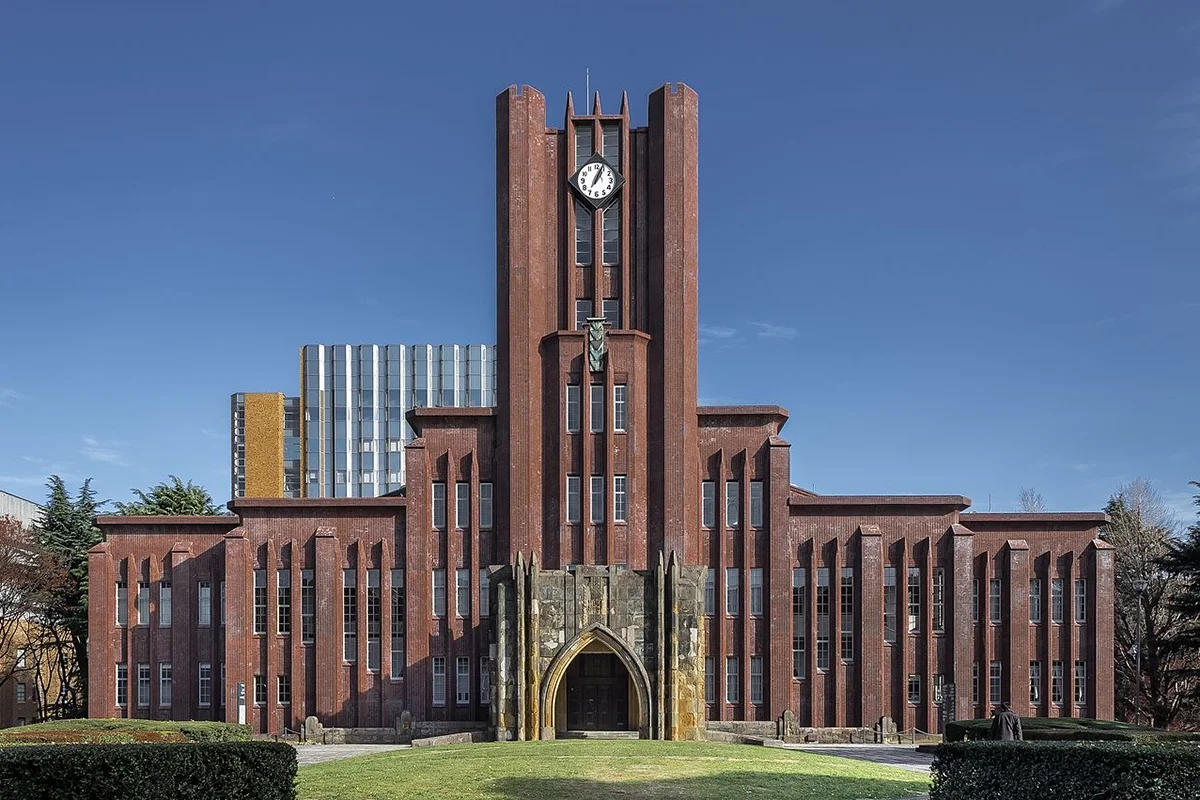
The University of Tokyo Faculty of Medicine has trained more Japanese Prime Ministers than any other institution – and produced research that has shaped global clinical practice from cardiology to oncology.
Founded in 1858 – making it one of the oldest Western-style medical schools in Asia – the University of Tokyo Faculty of Medicine sits at the apex of Japanese academic medicine. Its 94,878 publications over 25 years reflect not just volume, but extraordinary breadth: the faculty has made foundational contributions in gastroenterology, immunology, cancer biology, neuroscience, and infectious disease. Japan’s Nobel laureate tradition in medicine and physiology is substantial, and the University of Tokyo has been central to producing and training the researchers behind several of those prizes.
Its EWGI of 141.0% places it in the lower half of this ranking – not because it is declining, but because it began the analysis period already publishing at rates that left comparatively less room for dramatic acceleration. This is the challenge of measuring momentum in already-excellent institutions: the metric rewards transformation, and Tokyo was already transformed.
Trajectory of growth: Output has been remarkably consistent across the full 25-year period, with modest but steady annual increases reflecting an institution that operates at sustained peak capacity. There is no dramatic inflection point – just the quiet, continuous productivity of one of the world’s great medical research engines.
The New Map of Asian Medical Science
The picture that emerges from 553 institutions across 32 countries is one of a continent in simultaneous, multi-directional acceleration.
China’s dominance by volume is absolute. Thirteen of the top 20 all-time giants are Chinese, and Chinese institutions are distributed throughout every tier of the EWGI ranking. What is striking is not just the size of China’s output, but its geographic distribution – institutions from Inner Mongolia, Xinjiang, Tibet, and Guizhou appear in this ranking alongside those from Shanghai and Beijing, suggesting that China’s research transformation has reached even its most remote regions.
Indonesia’s emergence is the headline story. Four Indonesian universities appear in the top 8 by EWGI. For a country that rarely features in global medical research conversations, this is a seismic finding – and one that should prompt immediate reassessment of how the global scientific community engages with Southeast Asian institutions.
The Gulf’s ambition is now measurable. Saudi Arabia, the UAE, Jordan, and Bahrain collectively place multiple institutions in the top 100 by EWGI. The transformation of Gulf medical education from import-dependent to research-generating is no longer a policy aspiration – it is a data reality.
Japan’s quiet consistency stands in deliberate contrast to the acceleration visible elsewhere. Japanese institutions dominate by total publications in the lower half of the EWGI ranking – not because they are declining, but because they were already excellent. The country’s 40+ institutions in this analysis reflect a medical research culture so deeply embedded that it no longer needs dramatic growth spurts to sustain its global position.
South Korea’s systematic excellence continues to produce institutions that appear at every level of this ranking, from the top 50 to the top 400. Unlike China’s government-driven surge or Indonesia’s dramatic late-stage acceleration, South Korea’s growth pattern is one of steady, relentless, institution-by-institution improvement – a model of national science policy that deserves more global study than it receives.
Discussion: What Asia’s Acceleration Tells the World
The EWGI analysis of Asian medical universities reveals something that aggregate statistics about Asian science often miss: the story is not uniform, and it is not over.
The institutions at the top of this ranking are not the ones with the most resources or the most prestigious histories. They are the ones that committed – sometimes recently, sometimes dramatically – to building research cultures where none existed before. King Faisal University in a Saudi oasis city. A private pharmacy-focused university in Surabaya. A traditional Chinese medicine college in Changchun. These are not the institutions that the global scientific establishment had in mind when it discussed the rise of Asian science.
And yet here they are, measured against their own histories, outperforming everything that came before.
The most powerful force in research is not funding. It is not infrastructure. It is the decision – institutional, cultural, generational, to become something different than you were.
That decision is being made, right now, across dozens of Asian medical faculties simultaneously. The data proves it.
Tu Youyou discovered artemisinin in a basement. The oldest university in the Americas is accelerating faster than institutions with half its age. And the fastest-growing medical school on a continent of five billion people is in Bandung.
The geography of global medical science is being redrawn, and Asia is holding the pen.
Authors: Aren Petrosyan, MD, Research Associate at BIGR, Hana Maheen, MD, Research Associate at BIGR and Editor at OncoDaily, Elen Baloyan, MD, Director of BIGR and Managing Editor at OncoDaily.
About BIGR
This study was conducted by The Boston Institute for Global Rankings (BIGR) – an academic initiative dedicated to transparent, data-driven evaluation of excellence in universities, medical centers, and healthcare professionals worldwide. With a focus on performance, impact, and innovation, BIGR aims to create meaningful global benchmarks for the future.
Think BIGR.
Catch up on the previous chapters:
- Top Growing Medical Universities in Latin America: 2026 Edition
- Top Growing Medical Universities in Europe: 2026 Edition
- Top Growing Medical Universities in USA and Canada: 2025 Edition
- Top Growing Medical Universities in the Post-Soviet Region: 2025 Edition