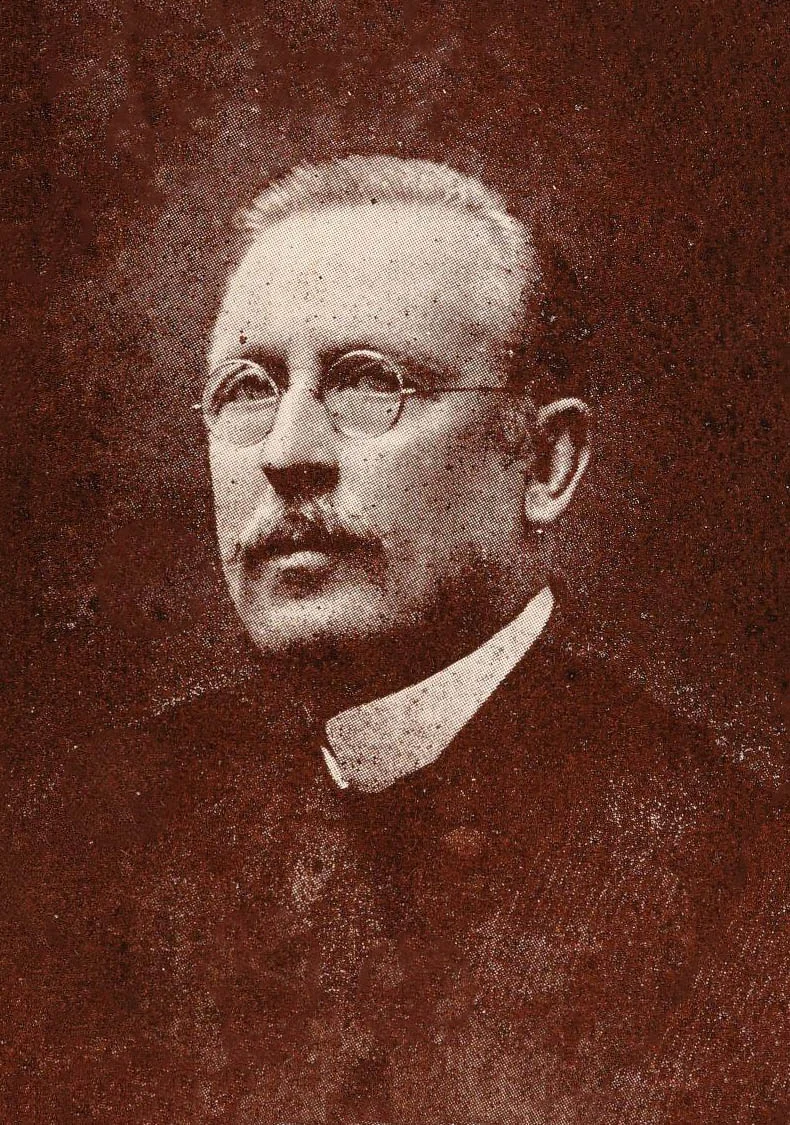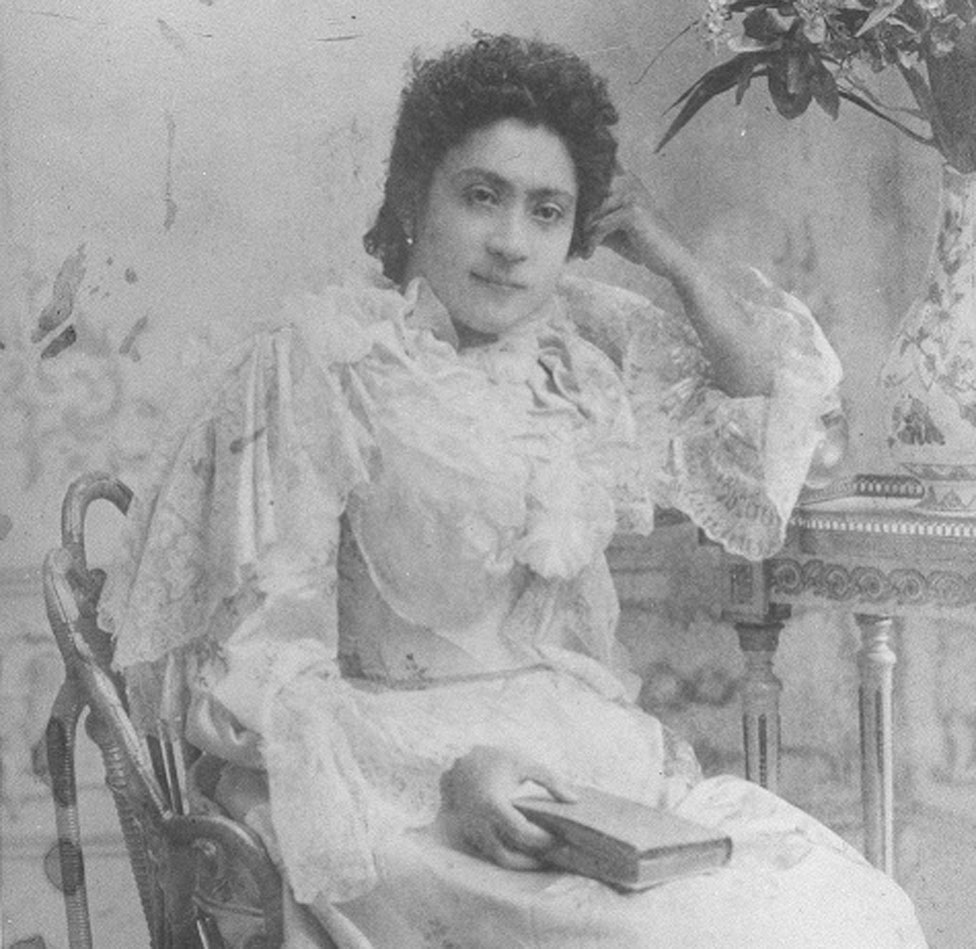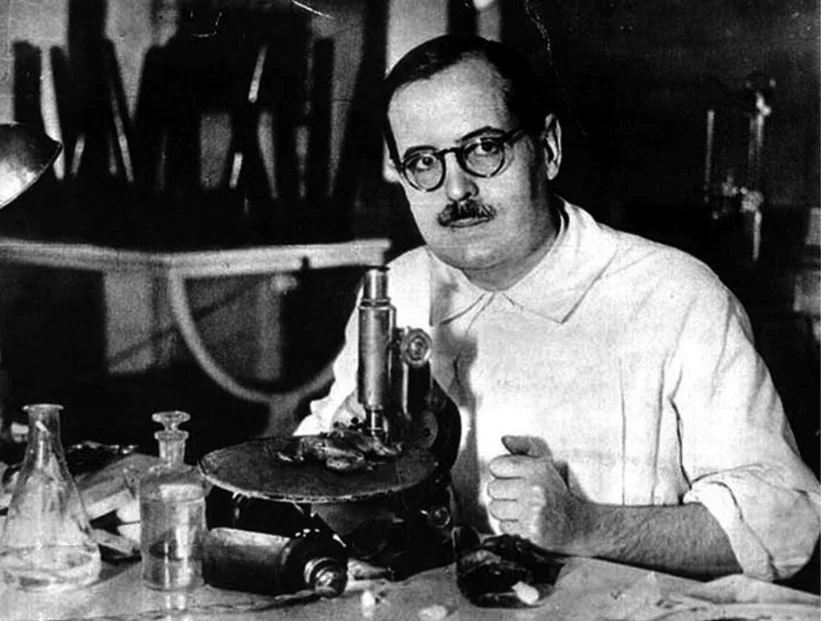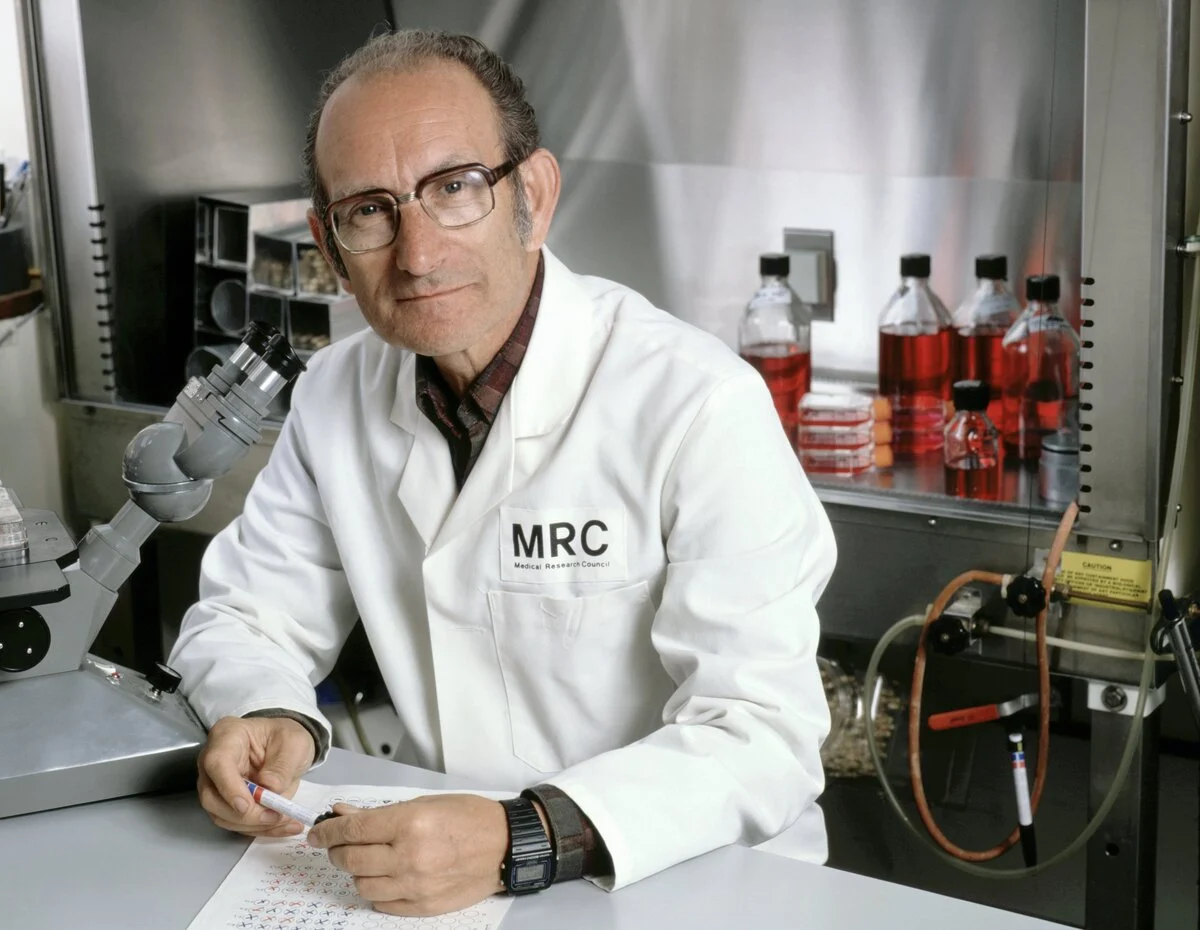
Did you know that Ernesto “Che” Guevara – revolutionary, icon, and trained physician, graduated from the Universidad de Buenos Aires Facultad de Medicina in 1953? Or that Carlos Chagas – the Brazilian physician who discovered the parasitic disease that still bears his name and affects millions across the continent, trained at a university that produced world-changing science on a fraction of the budget of its European contemporaries? Latin America has always produced extraordinary medical minds, and the universities that trained them are now producing science at a pace that matches that legacy.
Latin America is a continent of contrasts – ancient civilizations and ultra-modern research hubs, vast inequalities and extraordinary scientific resilience. From the Amazon basin to the Andes, from Mexico City’s sprawling megalopolis to the research corridors of São Paulo and Santiago, Latin America’s medical universities are telling a story that the world is only beginning to hear, and that story is one of acceleration.
Most global rankings celebrate size, legacy, and prestige. We asked a different question:
Which of these institutions aren’t just generating science, but are actually rewriting their own futures and growing the fastest from their starting points?
And here’s what makes it striking: the fastest-growing medical university in the region right now is not in São Paulo, Buenos Aires, or Mexico City. It’s in Tandil, a city of 130,000 people in the Argentine pampas, quietly outpacing institutions with fifty years of head start and ten times the budget.
To find out the general pattern of growth in Latin America, the Boston Institute for Global Rankings (BIGR) applied its signature Exponentially Weighted Growth Index (EWGI) to medical research output indexed in the National Library of Medicine’s PubMed database from 2000 to 2024. This edition expands BIGR’s global series, which already includes analyses of the USA and Canada, the Post-Soviet Region, and Europe, to highlight a region whose current momentum deserves significantly more global attention.
Scope of the Study: From Hundreds to a Focused Cohort
- Geography: Latin America (including Caribbean medical institutions)
- Period analyzed: 2000-2024 (inclusive)
- Data source: All publications indexed in PubMed affiliated with each institution
- Inclusion threshold: ≥ 500 PubMed-indexed publications across the period
- Final sample: 185 medical institutions meeting the criterion
Our analysis began with the World Directory of Medical Schools, comprising medical institutions across Latin America and the Caribbean. To ensure that our ranking was both meaningful and credible, we established a key inclusion criterion: only universities with at least 500 publications indexed in PubMed during the 2000-2024 period were considered. By filtering out smaller or inactive institutions, we focused on those demonstrating sustained, measurable research activity.
Why Measure Growth in Research Output?
Scientific publications are a fundamental measure of a university’s contribution to global knowledge. But publication counts alone reveal who is large – not who is evolving.
Growth rate captures adaptability, responsiveness, and investment in people, ideas, and technology.
For a region navigating the dual pressures of public health burden and constrained research budgets, growth acceleration is not just a metric – it is a declaration of intent. It signals that a university has committed to building something lasting: a research culture, an infrastructure, a pipeline of ideas that will serve the region’s populations for decades to come.
Methodology: Measuring Momentum with the Exponentially Weighted Growth Index (EWGI)
To fairly evaluate growth, we needed a method that would:
- Reward recent achievements without ignoring historical contributions.
- Avoid arbitrary cutoffs like “last 5 years” or “last 10 years.”
We developed and utilized the Exponentially Weighted Growth Index (EWGI). Here’s how it works:
Step 1: Assigning Exponential Weights
Each year from 2000 to 2024 was assigned a weight that naturally emphasized more recent years. Using a decay parameter of seven years (τ = 7), the method ensures that an article published in 2023 has a greater influence than one from 2003, while still allowing every publication to contribute to the overall trend.
Step 2: Calculating Weighted Average Growth (WAG)
We multiplied each year’s publication count by its respective weight and divided the total by the sum of all weights. This step provided a measure of recent productivity that gradually prioritizes newer work without ignoring earlier contributions.
Step 3: Calculating Historical Average (HA)
We then computed the simple, unweighted average number of publications across all years of active output. Only years with at least one publication were counted, ensuring that newer institutions were not penalized for inactive periods before their research activity began. Years without any publications were excluded from the denominator to ensure a fair reflection of active scientific productivity.
Step 4: Computing the EWGI
Finally, the weighted recent performance was compared to the historical average and expressed as a percentage. An EWGI above 100% indicates growth beyond the institution’s historical norm – a sign of acceleration.
Strategic Insights: The Engines of Latin American Research Momentum
Our analysis reveals five distinct forces fueling the region’s fastest-growing medical faculties:
- Federal and national investment programs – Government-backed research councils such as Brazil’s CNPq and CAPES, Mexico’s CONAHCYT, and Chile’s ANID have systematically funded institutional research capacity, enabling smaller universities to compete alongside historically dominant institutions.
- Internationalization of graduate training – The rise of dual-degree programs, international sandwich doctorates, and postdoctoral exchanges has injected global research norms into local academic cultures, producing faculty who publish internationally from day one.
- Regional collaboration networks – Latin America’s fastest-growing institutions are embedded in cross-border clinical research networks – particularly in infectious disease, tropical medicine, oncology, and non-communicable diseases – that generate high-volume, high-impact output.
- The Brazilian public university surge – Brazil’s federal and state universities have undergone a remarkable expansion of campus infrastructure, faculty hiring, and research incentives since the early 2000s, and their EWGI scores now reflect that sustained long-term investment.
- Chile and Colombia as regional research anchors – Both countries have implemented deliberate science and innovation policy frameworks that are now visibly reflected in the PubMed output acceleration of their leading medical schools.
The 2026 List: Meet the Top Growing Medical Universities in Latin America
- Facultad de Ciencias de la Salud (UNICEN), Argentina – 218.8%
- Universidad de Concepción Facultad de Medicina, Chile – 212.1%
- Universidad de Los Andes Facultad de Medicina, Chile – 211.0%
- Universidad Nacional Mayor de San Marcos Facultad de Medicina San Fernando, Peru – 209.6%
- Universidade Federal de Goiás (UFG) Faculdade de Medicina, Brazil – 207.8%
- Universidade Federal de Pernambuco (UFPE) Faculdade de Medicina, Brazil – 204.6%
- Universidade Federal Fluminense (UFF) Faculdade de Medicina, Brazil – 204.6%
- Universidad de Santiago de Chile Facultad de Ciencias Médicas, Chile – 203.5%
- Universidad de Valparaíso Facultad de Medicina, Chile – 203.5%
- Faculdade de Ciências Médicas de Minas Gerais (FCMMG), Brazil – 202.5%
- Universidade Federal de Uberlândia (UFU) Faculdade de Medicina, Brazil – 201.9%
- Escola Bahiana de Medicina e Saúde Pública (EBMSP), Brazil – 201.5%
- Pontificia Universidad Javeriana, Colombia – 200.9%
- Instituto Universitario Escuela de Medicina del Hospital Italiano, Argentina – 200.7%
- Universidade Estadual do Maranhão (UEMA), Brazil – 198.8%
- Universidad El Bosque Facultad de Medicina, Colombia – 198.4%
- Universidade Federal do Rio Grande (FURG) Faculdade de Medicina, Brazil – 198.0%
- Universidad del Cauca Facultad de Ciencias de la Salud, Colombia – 197.3%
- Universidade Federal de Pelotas (UFPel) Faculdade de Medicina, Brazil – 196.9%
- Universidad de la Frontera Facultad de Medicina, Chile – 196.8%
- Universidad Autónoma de Zacatecas Unidad Académica de Medicina y Ciencias de la Salud, Mexico – 196.6%
- Universidade Federal de Minas Gerais (UFMG) Faculdade de Medicina, Brazil – 196.4%
- Universidad del Norte Programa de Medicina, Colombia – 196.1%
- Universidade Federal do Rio de Janeiro (UFRJ) Faculdade de Medicina, Brazil – 195.2%
- Universidad de Antioquia Facultad de Medicina, Colombia – 195.2%
- Universidade da Região de Joinville (UNIVILLE), Brazil – 193.9%
- Universidad Nacional de Colombia Facultad de Medicina, Colombia – 193.5%
- Universidade Federal do Maranhão (UFMA) Faculdade de Medicina, Brazil – 193.4%
- Instituto Universitario CEMIC Escuela de Medicina, Argentina – 193.2%
- Universidade Federal do Rio Grande do Norte (UFRN) Faculdade de Medicina, Brazil – 193.2%
- Universidade Estadual de Feira de Santana (UEFS), Brazil – 192.6%
- Universidade Federal do Pará Faculdade de Medicina, Brazil – 192.6%
- Universidad Nacional de Asunción Facultad de Medicina, Paraguay – 192.2%
- Universidade Federal do Rio Grande do Sul (UFRGS) Faculdade de Medicina, Brazil – 191.7%
- Universidad de Caldas Facultad de Ciencias para la Salud, Colombia – 191.6%
- Universidad Austral Facultad de Ciencias Biomédicas, Argentina – 190.6%
- Universidad Austral de Chile Facultad de Medicina, Chile – 190.6%
- Universidade de Pernambuco (UPE), Brazil – 190.4%
- Universidad Autónoma de Nuevo León Facultad de Medicina, Mexico – 189.8%
- Universidade do Estado do Rio de Janeiro (UERJ) Faculdade de Ciências Médicas, Brazil – 189.6%
- Benemérita Universidad Autónoma de Puebla Facultad de Medicina, Mexico – 189.6%
- Universidad CES Escuela de Medicina, Colombia – 189.4%
- Universidade Federal de São Paulo (UNIFESP) Faculdade de Medicina, Brazil – 189.3%
- Universidad Católica del Maule Facultad de Medicina, Chile – 189.0%
- Universidad Autónoma de Sinaloa Facultad de Medicina, Mexico – 189.0%
- Universidade Federal de Sergipe (UFS), Brazil – 188.9%
- Universidad Nacional Autónoma de México Facultad de Estudios Superiores, Mexico – 188.9%
- Instituto Politécnico Nacional Escuela Superior de Medicina, Mexico – 188.6%
- Universidad del Valle Escuela de Medicina, Colombia – 188.4%
- Universidade Federal de Santa Maria (UFSM) Faculdade de Medicina, Brazil – 187.8%
- Universidad de Guadalajara Centro Universitario de Ciencias de la Salud, Mexico – 185.9%
- Universidade Federal de Lavras (UFLA), Brazil – 185.7%
- Universidad de Cartagena Facultad de Medicina, Colombia – 185.7%
- Universidad Pontificia Bolivariana Facultad de Medicina, Colombia – 185.0%
- Pontifícia Universidade Católica do Paraná Escola de Medicina, Brazil – 184.9%
- Universidad Autónoma de Bucaramanga, Colombia – 184.9%
- Pontifícia Universidade Católica de São Paulo (PUCSP), Brazil – 184.7%
- Universidad Católica Boliviana San Pablo Facultad de Medicina, Bolivia – 184.5%
- Universidade Federal de Mato Grosso (UFMT), Brazil – 184.5%
- Universidade de Santo Amaro (UNISA) Faculdade de Medicina, Brazil – 184.1%
- Universidad del Rosario Escuela de Medicina y Ciencias de la Salud, Colombia – 184.1%
- Universidad Autónoma del Estado de Hidalgo Instituto de Ciencias de la Salud, Mexico – 182.9%
- Universidade Federal de Ouro Preto (UFOP), Brazil – 181.7%
- Universidad de Colima Facultad de Medicina, Mexico – 181.6%
- Faculdade de Medicina de Bahia, Universidade Federal da Bahia (UFBA), Brazil – 180.8%
- Universidade Federal do Acre (UFAC), Brazil – 180.8%
- Universidad Michoacana de San Nicolas de Hidalgo, Mexico – 180.7%
- Universidade de Passo Fundo (UPF) Faculdade de Medicina, Brazil – 180.5%
- Faculdade de Medicina do ABC (FMABC), Fundação Universitária do ABC, Brazil – 180.4%
- Universidad de la República Facultad de Medicina, Uruguay – 180.4%
- Universidad Industrial de Santander Escuela de Medicina, Colombia – 180.1%
- Pontificia Universidad Católica de Chile Escuela de Medicina, Chile – 179.9%
- Universidad Peruana Cayetano Heredia, Peru – 179.8%
- Universidade Federal de Campina Grande (UFCG) Faculdade de Medicina, Brazil – 179.3%
- Universidade Federal de Mato Grosso do Sul (UFMS) Faculdade de Medicina, Brazil – 178.9%
- Universidad Militar Nueva Granada Facultad de Medicina, Colombia – 178.4%
- Faculdade de Medicina de Marília (FAMEMA), Brazil – 178.0%
- Universidade Estadual do Ceará (UECE), Brazil – 177.6%
- Universidade de São Paulo Faculdade de Odontologia de Bauru, Brazil – 177.4%
- Universidade Federal de São Carlos (UFSCAR), Brazil – 177.4%
- Universidad Autónoma del Estado de México Facultad de Medicina, Mexico – 177.4%
- Universidade de Fortaleza (UNIFOR), Brazil – 177.1%
- Universidade Federal de Viçosa (UFV), Brazil – 176.8%
- Universidade Federal do Ceará Faculdade de Medicina, Brazil – 176.8%
- Universidade de Brasília (UnB) Faculdade de Medicina, Brazil – 176.5%
- Universidade Estadual de Santa Cruz (UESC), Brazil – 176.0%
- Universidade Tiradentes (UNIT), Brazil – 175.8%
- Universidad de Costa Rica Facultad de Medicina, Costa Rica – 175.0%
- Universidad Autónoma del Estado de Morelos Facultad de Medicina, Mexico – 174.6%
- Universidade do Estado da Bahia (UNEB), Brazil – 173.9%
- Universidade Federal do Paraná Faculdade de Medicina, Brazil – 173.1%
- Universidade Estadual do Oeste do Paraná (UNIOESTE), Brazil – 171.7%
- Universidade de São Paulo Faculdade de Medicina São Paulo (FMSP-USP), Brazil – 171.1%
- Faculdade de Ciências Médicas da Santa Casa de São Paulo (FCMSCSP), Brazil – 170.0%
- Universidad del Desarrollo Facultad de Medicina, Chile – 170.0%
- Universidad Nacional de Córdoba Facultad de Ciencias Médicas, Argentina – 169.4%
- Universidade Estadual de Montes Claros (UNIMONTES), Brazil – 169.1%
- Universidad Autónoma de San Luis Potosí Facultad de Medicina, Mexico – 169.0%
- Universidad Autónoma de Yucatán Facultad de Medicina, Mexico – 168.8%
- Universidade Federal do Tocantins (UFT), Brazil – 168.7%
View rankings 101-150
101: Faculdade de Medicina de Ribeirão Preto (FMRP-USP), Brazil
102: Universidade Federal de Santa Catarina (UFSC) Florianópolis, Brazil
103: Universidad de Chile Facultad de Medicina, Chile
104: Universidade Católica de Pelotas (UCPEL) Faculdade de Medicina, Brazil
105: Universidad de Los Andes Facultad de Medicina (Colombia), Colombia
106: Universidade de Franca (UNIFRAN), Brazil
107: Universidad Autónoma Metropolitana Unidad Xochimilco, Mexico
108: Universidade do Vale do Taquari (UNIVATES), Brazil
109: Universidad Nacional de Rosario Facultad de Ciencias Médicas, Argentina
110: Universidade Federal do Espírito Santo (UFES) Faculdade de Medicina, Brazil
111: Universidade de Caxias do Sul (UCS) Faculdade de Medicina, Brazil
112: Universidade Estadual de Londrina (UEL), Brazil
113: Universidade Federal de Alfenas (UNIFAL), Brazil
114: Faculdade de Medicina de São José do Rio Preto (FAMERP), Brazil
115: Universidade Federal de Piauí (UFPI) Faculdade de Medicina, Brazil
116: Universidad Central de Venezuela Escuela de Medicina, Venezuela
117: Universidade Estadual Paulista ‘Júlio de Mesquita Filho’ (UNESP), Brazil
118: Universidade Católica de Brasília (UCB), Brazil
119: Pontifícia Universidade Católica do Rio Grande do Sul (PUCRS) Faculdade de Medicina, Brazil
120: Universidade Estadual de Campinas (UNICAMP) Faculdade de Ciências Médicas, Brazil
121: Universidade Regional Integrada do Alto Uruguai e das Missões, Brazil
122: Universidad de la Sabana Facultad de Medicina, Colombia
123: Universidade Estadual de Maringá (UEM), Brazil
124: Universidade Feevale Novo Hamburgo, Brazil
125: Universidade Federal Rural do Semi-Árido, Brazil
126: Universidade Federal de Alagoas (UFAL) Faculdade de Medicina, Brazil
127: Universidad de Buenos Aires Facultad de Medicina, Argentina
128: Universidade de Santa Cruz do Sul (UNISC), Brazil
129: Universidade Estadual do Sudoeste da Bahia (UESB), Jequié, Brazil
130: Universidade Cidade de São Paulo (UNICID) Faculdade de Medicina, Brazil
131: Universidad Juárez Autónoma de Tabasco, Mexico
132: Universidade Federal do Amapá (UNIFAP), Brazil
133: Universidade do Estado de Minas Gerais (UEMG), Brazil
134: Universidade do Sul de Santa Catarina (UNISUL) Tubarão, Brazil
135: Universidade Veiga De Almeida (UVA), Brazil
136: Fundación Universitaria de Ciencias de la Salud (FUCS) Facultad de Medicina, Colombia
137: University of the West Indies Faculty of Medicine St. Augustine, Trinidad and Tobago
138: Universidade do Vale do Itajaí (UNIVALI), Brazil
139: Universidade do Estado de Mato Grosso (UNEMAT), Brazil
140: Universidad Favaloro Facultad de Ciencias Médicas, Argentina
141: Universidad Tecnológica de Pereira, Colombia
142: Universidade Federal do Estado do Rio de Janeiro (UNIRIO) Escola de Medicina e Cirurgia, Brazil
143: Universidad Nacional de la Plata Facultad de Ciencias Médicas, Argentina
144: Universidad ICESI Facultad de Ciencias de la Salud, Colombia
145: Universidad Nacional de Cuyo Facultad de Ciencias Médicas, Argentina
146: Universidade Federal do Amazonas (UFAM) Faculdade de Medicina Manaus, Brazil
147: Universidad Andrés Bello Escuela de Medicina Santiago, Chile
148: Universidade Federal do Triângulo Mineiro, Uberaba (UFTM) Faculdade de Medicina, Brazil
149: Universidade Federal do Vale do São Francisco (UNIVASF), Brazil
150: Universidade do Contestado (UnC), Brazil
View rankings 151-185
151: Universidad Anáhuac México Escuela de Medicina, Mexico
152: Universidad Mayor Facultad de Medicina, Chile
153: Universidade Nove de Julho (UNINOVE), Brazil
154: Universidad de Monterrey Facultad de Medicina, Mexico
155: Universidad de San Martin de Porres Facultad de Medicina Humana, Lima, Peru
156: Universidad Diego Portales Facultad de Medicina, Chile
157: Universidade do Extremo Sul Catarinense (UNESC/RCT), Brazil
158: Universidade Ceuma, Brazil
159: Universidade Positivo (UP), Brazil
160: University of the West Indies Faculty of Medical Sciences, Jamaica
161: Universidade Brasil, Brazil
162: Universidade Federal da Grande Dourados (UFGD) Faculdade de Ciências da Saúde, Brazil
163: Universidad Simón Bolívar Facultad de Ciencias de la Salud, Colombia
164: Universidade Federal do Pampa, Brazil
165: Universidad de Santander (UDES) Facultad de Ciencias de la Salud, Colombia
166: Universidade Federal de Ciências da Saúde de Porto Alegre (UFCSPA), Brazil
167: Universidad Peruana de Ciencias Aplicadas (UPC), Peru
168: Universidad Científica del Sur Facultad de Ciencias de la Salud, Peru
169: Universidade Federal de São João del Rei (UFSJ), Brazil
170: Universidad de Talca Escuela de Medicina, Chile
171: Universidad San Ignacio del Loyola, Peru
172: Universidade Christus, Brazil
173: Universidade Federal dos Vales do Jequitinhonha e Mucuri Faculdade de Medicina Diamantina, Brazil
174: Universidade Federal de Mato Grosso (UFMT), Brazil
175: Universidad del Zulia Facultad de Medicina, Venezuela
176: Universidad Finis Terrae Facultad de Medicina, Chile
177: Universidad Antonio Nariño, Colombia
178: Pontifícia Universidade Católica de Goiás (PUC Goiás), Brazil
179: Universidade Federal de Sergipe (UFS), Brazil
180: Faculdade São Leopoldo Mandic, Campinas, Brazil
181: Institución Universitaria Visión de las Américas, Colombia
182: Universidad Continental Escuela de Medicina Humana, Peru
183: Universidad San Sebastián Facultad de Medicina Santiago, Chile
184: Universidade Estadual de Mato Grosso do Sul (UEMS), Brazil
185: Universidad Autónoma de Chile Facultad de Ciencias de la Salud Talca, Chile
Spotlights: The Leaders of Latin American Momentum
Facultad de Ciencias de la Salud (UNICEN), Argentina – 218.8%
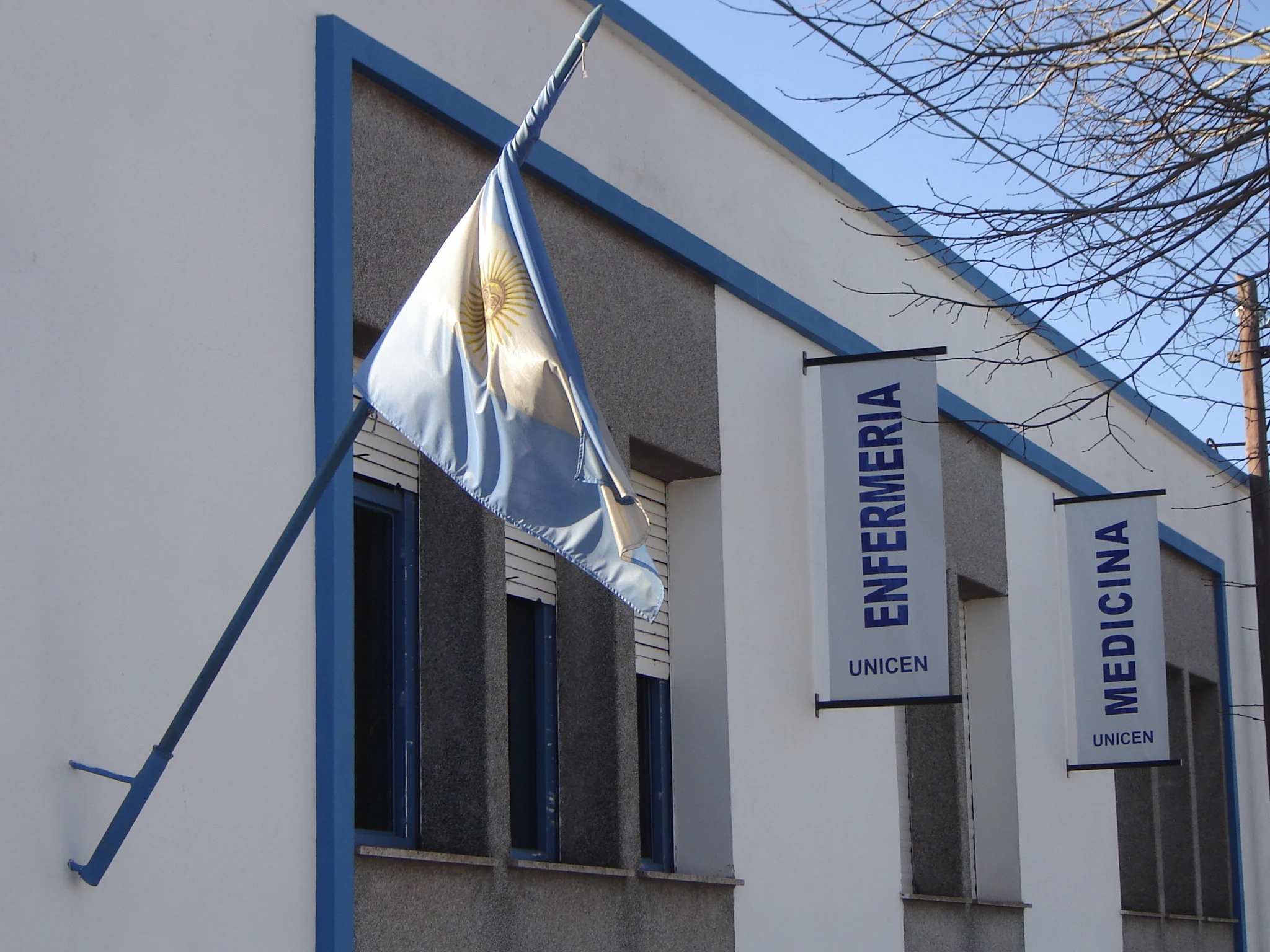
The National University of the Center of the Buenos Aires Province has cultivated a health sciences faculty that punches well above its geographic weight. Based in Tandil, a mid-sized city that most global rankings overlook entirely, UNICEN’s health sciences faculty has built its research acceleration around community health, epidemiology, and environmental medicine – disciplines that speak directly to the daily realities of Argentina’s interior provinces. Its trajectory reflects what focused investment in research culture, even far from a national capital, can produce.
Trajectory of growth: UNICEN’s output was modest but consistent through the early 2000s, reflecting a faculty still establishing its research identity. The inflection point came around 2012-2014, when a combination of expanded postgraduate programs and greater integration into national CONICET research networks began to produce measurable results. From 2016 onward, annual publication counts accelerated sharply, reaching their highest recorded levels in the 2020-2024 window, a compressed surge that explains why its EWGI leads the entire continent.
Universidad de Concepción Facultad de Medicina, Chile – 212.1%
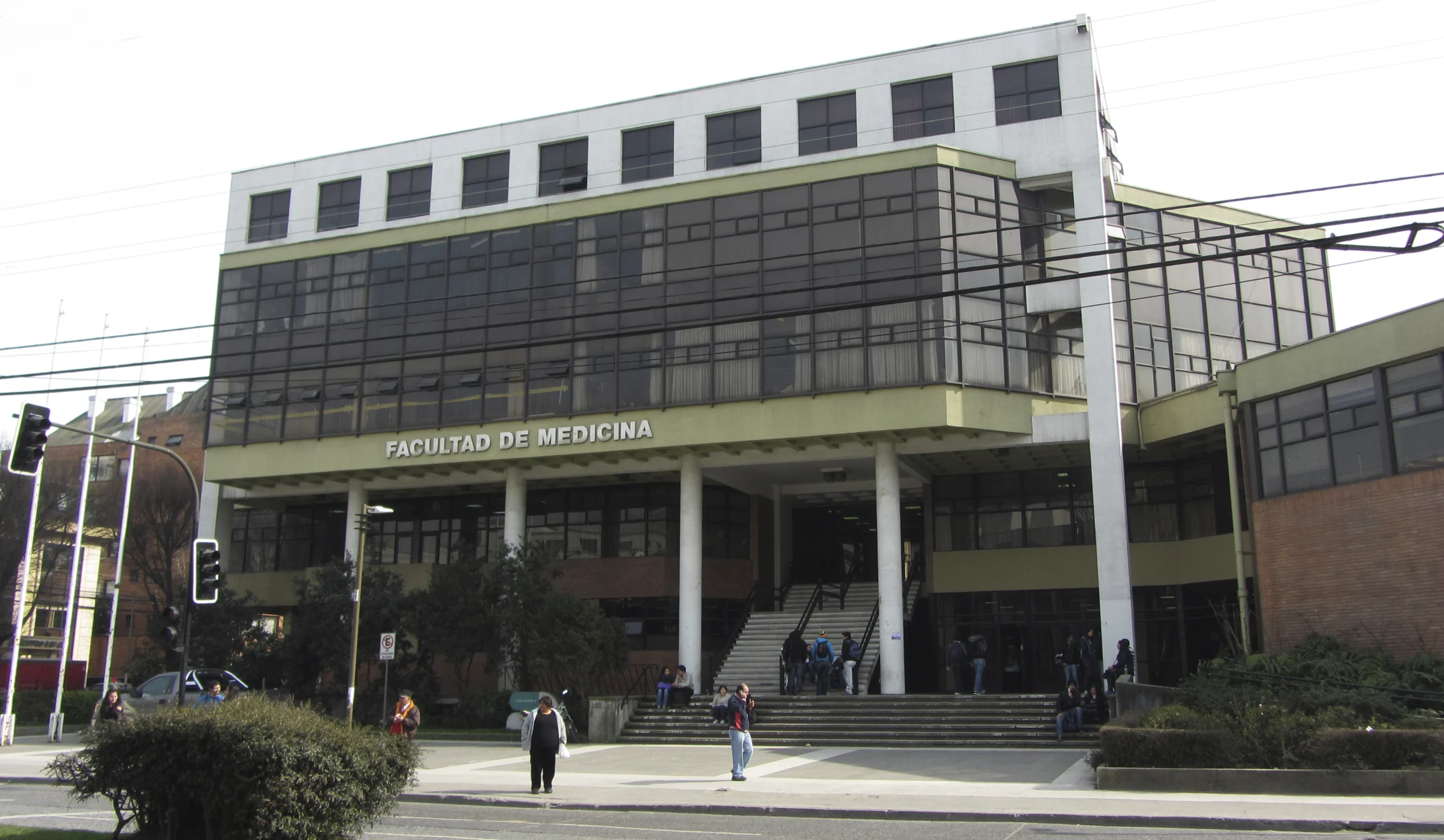
One of Chile’s oldest and most prestigious universities, the Universidad de Concepción has steadily transformed its medical faculty into one of the Southern Cone’s most dynamic research engines. Located in Chile’s second-largest city, the faculty has channeled national ANID funding and international partnerships into oncology, cardiovascular research, and infectious disease programs, producing a growth curve that places it clearly at the vanguard of Chilean science.
Trajectory of growth: Output through the 2000s was steady but unspectacular. The faculty was publishing, but not yet accelerating. The shift began around 2011-2013, coinciding with Chile’s major expansion of Fondecyt research grants and the faculty’s deliberate push to recruit internationally trained researchers. The 2015-2024 period represents a sustained and steep upward trajectory, with no significant plateaus, a rare continuous acceleration that distinguishes UdeC from institutions that grew in bursts.
Universidad de Los Andes Facultad de Medicina, Chile – 211.0%
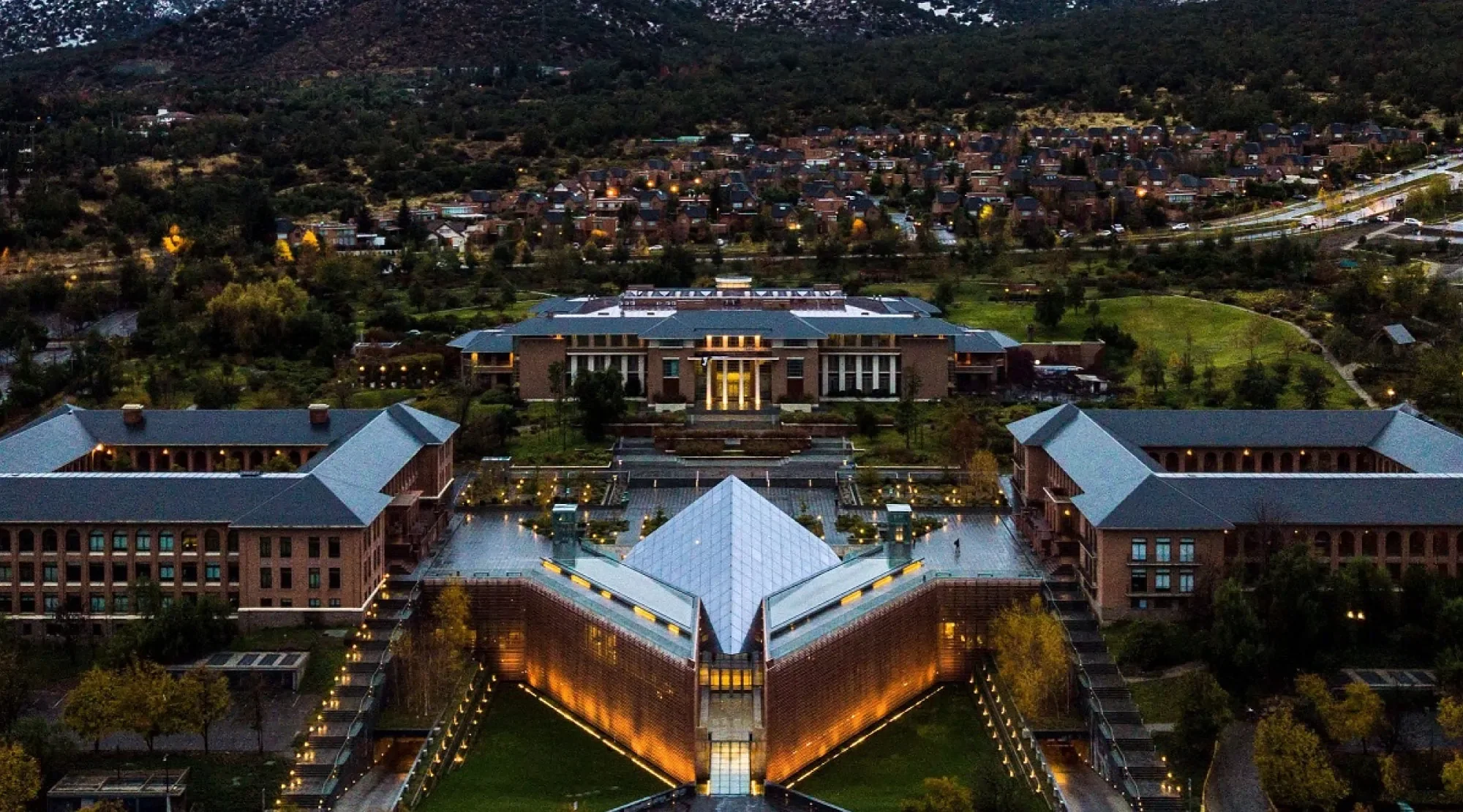
Few institutions in Latin America illustrate the rise of private medical research as vividly as the Universidad de Los Andes in Santiago. Founded in 1989 and long known for its strong clinical training, the faculty has in recent years undergone a significant shift toward research-intensive medicine recruiting internationally trained faculty, building biomedical research infrastructure, and embedding its students in the clinical trial networks that now define competitive medical academia across the region.
Trajectory of growth: As a relatively young private institution, UAndes’ early-2000s publication baseline was low – which makes its subsequent growth curve all the more striking. From near-negligible output pre-2005, the faculty grew steadily through 2010, then entered a steeper acceleration phase from 2013 onward as its research infrastructure matured. The 2018-2024 period saw its highest annual volumes, with the faculty effectively compressing a generation’s worth of research institution-building into roughly a decade.
Universidad Nacional Mayor de San Marcos Facultad de Medicina San Fernando, Peru – 209.6%

The oldest university in the Americas, founded in 1551, San Marcos carries more history than almost any institution on this list – yet it is accelerating rather than resting on its past. Its Facultad de Medicina San Fernando has emerged as a regional leader in tropical disease research, neglected pathogens, and epidemiology, driven in part by Peru’s unique position as a megadiverse country where ecology and public health intersect in ways that attract global scientific attention.
Few institutions anywhere can claim alumni as extraordinary as Daniel Alcides Carrión – the medical student who in 1885 inoculated himself with the bacteria causing Oroya fever to prove its transmissibility, dying 40 days later in the process. He is now a national hero of Peru, and the day of his death is commemorated annually as the Day of Peruvian Medicine. San Marcos also counts among its alumni Mario Vargas Llosa, the Nobel Prize-winning novelist, and Alberto Barton, the microbiologist who identified the pathogen behind Carrión’s disease, completing a circle of scientific legacy that spans centuries.
Trajectory of growth: San Marcos’ growth story is one of a sleeping giant awakening. Output through the 2000s was relatively flat. The institution carried enormous prestige but limited modern research infrastructure. The transformation began around 2010, catalyzed by Peru’s growing investment in science through CONCYTEC and the faculty’s increasing collaboration with international partners in infectious disease and public health. From 2014 onward, annual publications climbed steeply and consistently, with the 2019-2024 period yielding the highest output in the institution’s modern history.
Universidade Federal de Goiás (UFG), Brazil – 207.8%
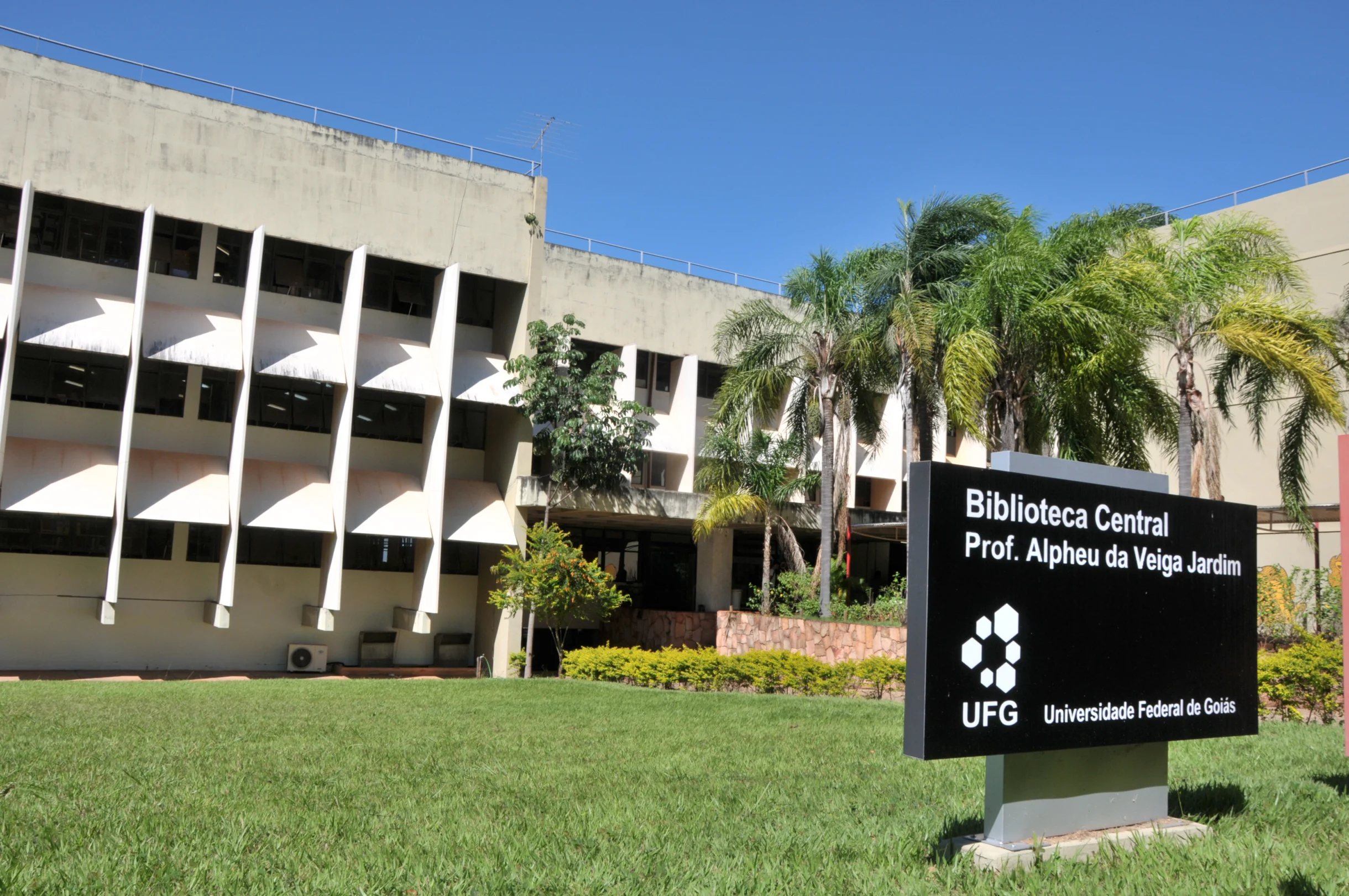
Brazil’s federal university system is the backbone of the country’s scientific enterprise, and UFG’s Faculdade de Medicina in Goiânia illustrates why. Long operating in the shadow of powerhouses like USP and UNIFESP, UFG has quietly built a research profile anchored in tropical medicine, chronic disease epidemiology, and population health – fields of immense relevance for Brazil’s vast Central-West region. Its top-five EWGI ranking signals that the geographic redistribution of Brazilian science, long concentrated in São Paulo and Rio de Janeiro, is now well underway.
Trajectory of growth: UFG’s trajectory mirrors that of Brazil’s federal university expansion policy. Early 2000s output was modest, reflecting a faculty that was primarily teaching-focused. The REUNI program (2008-2012), which dramatically expanded Brazil’s federal universities in size and scope, marks UFG’s clear inflection point: faculty hiring surged, graduate programs expanded, and research output followed. From 2013 onward the climb was steep and uninterrupted, with 2020-2024 representing the highest publication density in the faculty’s history – the delayed but powerful dividend of a decade of structural investment.
Remarkably, more than 40 Brazilian federal and state universities appear in the top 100 of this ranking – a testament not to any single institution, but to the sheer scale and ambition of Brazil’s public university research ecosystem. No other country in Latin America has invested as consistently or as broadly in academic medical science as Brazil.
The All-Time Giants: Top 20 by Total Publications (2000-2024)
While EWGI highlights momentum, the enduring giants of Latin American medicine command unparalleled scale:
- Universidade de São Paulo Faculdade de Medicina São Paulo (FMSP-USP), Brazil – 60,876 publications
- Universidade Federal do Rio Grande (FURG) Faculdade de Medicina, Brazil – 14,075 publications
- Universidade Federal de São Paulo (UNIFESP) Faculdade de Medicina, Brazil – 13,935 publications
- Universidade Federal do Paraná Faculdade de Medicina, Brazil – 13,923 publications
- Universidade Federal de Santa Catarina (UFSC), Brazil – 13,588 publications
- Universidade de Brasília (UnB) Faculdade de Medicina, Brazil – 12,763 publications
- Faculdade de Medicina de Ribeirão Preto (FMRP-USP), Brazil – 12,707 publications
- Universidade Federal de Minas Gerais (UFMG) Faculdade de Medicina, Brazil – 11,825 publications
- Universidade Estadual de Campinas (UNICAMP) Faculdade de Ciências Médicas, Brazil – 11,115 publications
- Universidad de Chile Facultad de Medicina, Chile – 11,111 publications
- Universidade Federal do Rio Grande do Sul (UFRGS) Faculdade de Medicina, Brazil – 10,482 publications
- Universidade Estadual Paulista ‘Júlio de Mesquita Filho’ (UNESP), Brazil – 9,994 publications
- Universidade Federal de São Carlos (UFSCAR), Brazil – 9,691 publications
- Pontificia Universidad Católica de Chile Escuela de Medicina, Chile – 9,181 publications
- Universidade Federal do Rio de Janeiro (UFRJ) Faculdade de Medicina, Brazil – 9,046 publications
- Universidade Federal de Viçosa (UFV), Brazil – 8,293 publications
- Universidad de Buenos Aires Facultad de Medicina, Argentina – 8,271 publications
- Universidade de Pernambuco (UPE), Brazil – 7,374 publications
- Universidade Estadual de Londrina (UEL), Brazil – 6,265 publications
- Universidade Federal do Pará Faculdade de Medicina, Brazil – 6,229 publications
Universidade de São Paulo Faculdade de Medicina São Paulo (FMSP-USP), Brazil – 60,876 publications
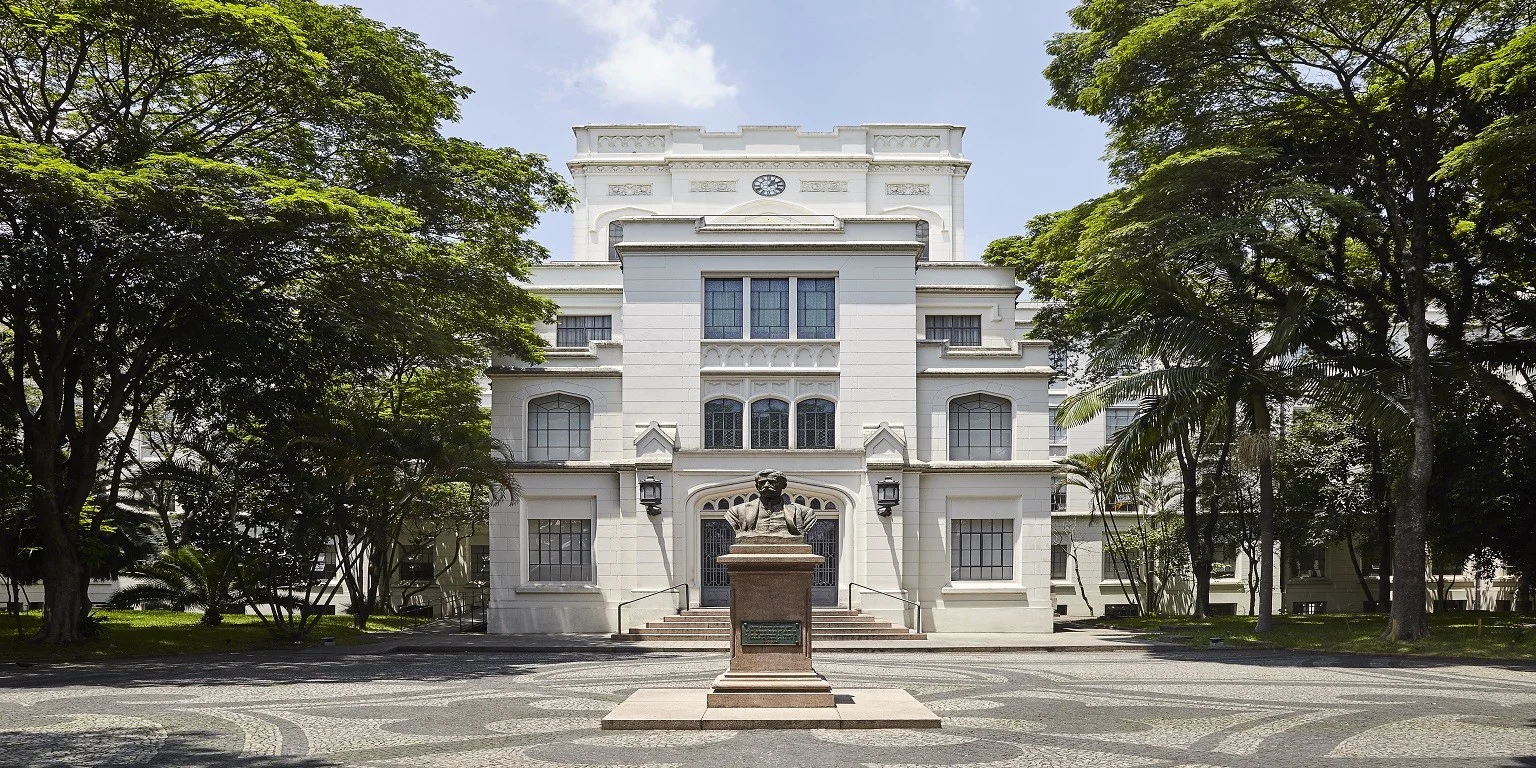
USP is not just Latin America’s most prolific medical school – it is one of the most-published medical institutions on Earth.
No institution in Latin America comes close to FMSP-USP’s absolute output. Founded in 1912 in the heart of São Paulo, the faculty has long functioned as Brazil’s de facto national medical research hub, producing landmark work in oncology, cardiology, infectious disease, and transplantation medicine. Its 60,876 PubMed-indexed publications over 25 years represent a volume that rivals many European all-time giants – and it continues to grow.
FMSP-USP’s alumni list reads like a history of Brazilian medicine. Its graduates performed one of the first living-donor liver transplants in the world, pioneered the surgical correction of transposition of the great vessels, and conducted the first successful uterine transplant. Brazilian physician and science communicator Drauzio Varella – one of the most recognized medical voices in Brazil, known to tens of millions through television and bestselling books, trained here. So did Michel Temer, who went on to become President of Brazil, though his path took him from medicine into law and politics.
Trajectory of growth: After a period of steady, linear output from 2000 to 2010, the faculty entered a pronounced acceleration phase, reaching its highest annual publication volumes between 2018 and 2024, driven by expanded postgraduate programs and major national research center designations.
Universidad de Chile Facultad de Medicina, Chile – 11,111 publications
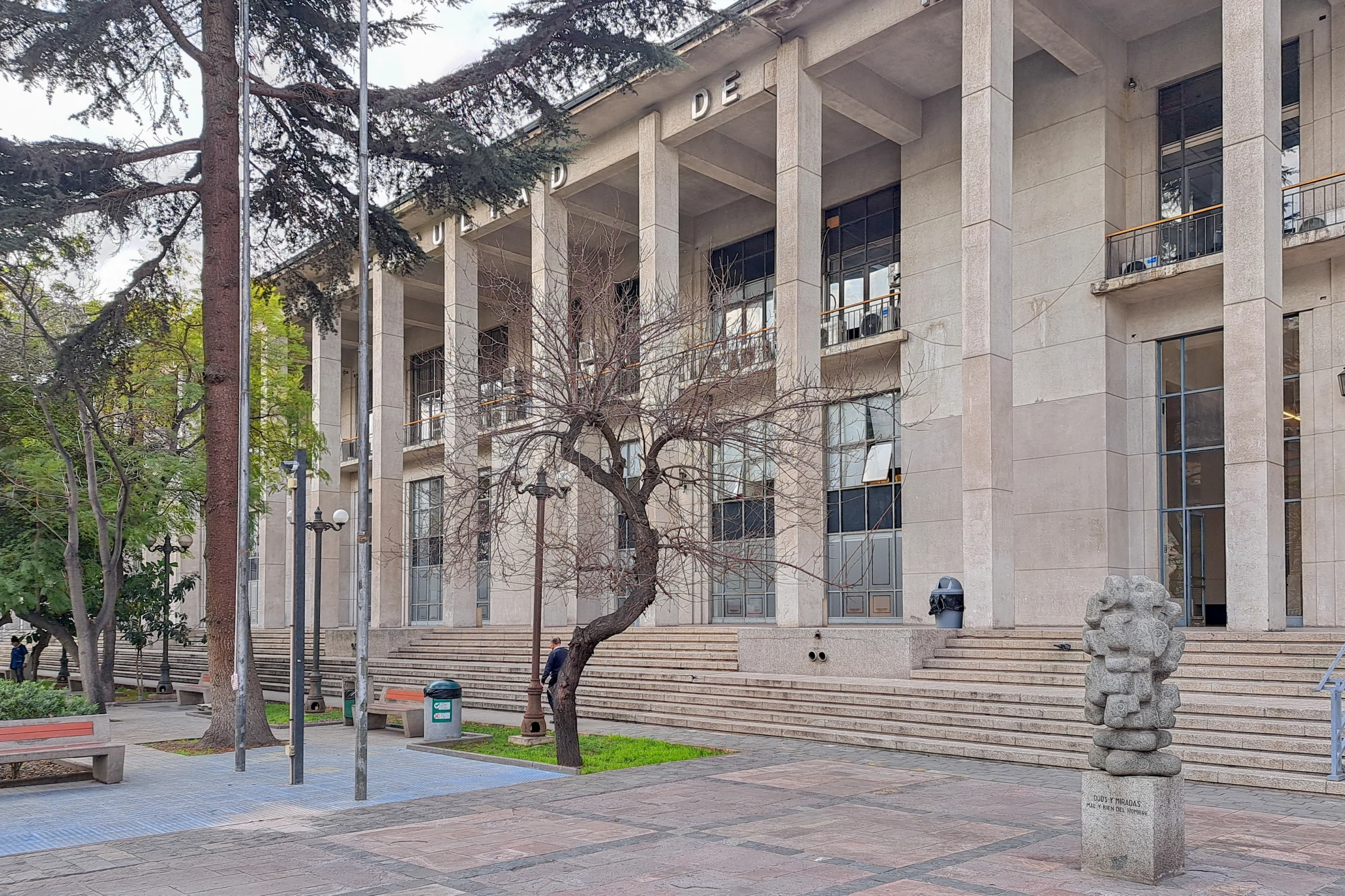
The Universidad de Chile has produced every one of Chile’s two Nobel laureates in medicine and physiology, and remains the country’s single largest contributor to medical research.
Established in 1842 and anchored in Santiago, the Facultad de Medicina has served as the intellectual cornerstone of Chilean biomedicine for nearly two centuries. From pioneering research in nutrition and public health epidemiology to cutting-edge work in genomics and cancer biology, it remains Chile’s defining scientific institution – and at 11,111 publications, it sits well clear of any regional competitor.
The faculty’s most celebrated historical figure is Eloísa Díaz, who in 1887 became the first woman to graduate in medicine in all of South America – a milestone of continental significance. The institution has also shaped the careers of researchers nominated for the Nobel Prize in Medicine, including neuroscientist Ricardo Maccioni, known globally for his work on Alzheimer’s disease, who holds a full professorship at the faculty.
Trajectory of growth: The faculty maintained a strong baseline from 2000 to 2012, then accelerated steadily through the following decade, reaching its peak output between 2020 and 2024 – a reflection of both continued state investment and Chile’s deepening integration into global research consortia.
Universidad de Buenos Aires Facultad de Medicina, Argentina – 8,271 publications
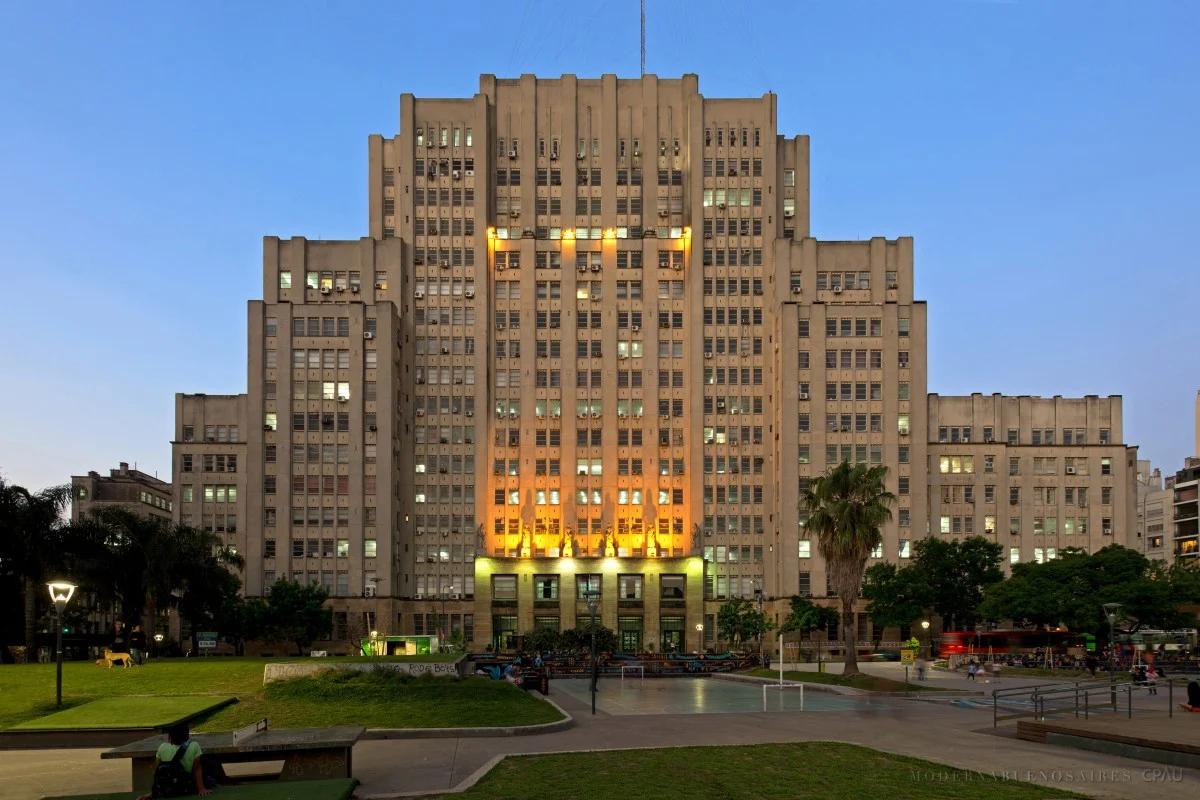
UBA’s Facultad de Medicina is home to the oldest operating university hospital in Latin America – the Hospital de Clínicas José de San Martín, founded in 1883.
Buenos Aires has long been Latin America’s intellectual capital, and UBA’s medical faculty embodies that tradition. With a research heritage spanning neuroscience, immunology, infectious disease, and health equity studies, the faculty has consistently produced work of continental and global significance.
UBA’s Facultad de Medicina holds a distinction that no other medical school in Latin America can claim: three Nobel laureates trained within its walls. Bernardo Houssay won the Nobel Prize in Physiology or Medicine in 1947, the first Latin American ever to win a Nobel in science, for his work on the role of the pituitary gland in regulating blood sugar. His student Luis Federico Leloir won the Nobel Prize in Chemistry in 1970 for his discoveries on sugar nucleotides. And César Milstein, who trained at UBA before moving to Cambridge, won the Nobel Prize in Physiology or Medicine in 1984 for his pioneering work on monoclonal antibodies. Three laureates, one faculty, one city.
Trajectory of growth: Output remained consistent throughout the 2000s before a notable surge beginning around 2015, likely corresponding to renewed national investment in science and technology during that period.
The New Geography of Latin American Medical Science
The map that emerges from this analysis looks different from anything that conventional rankings produce.
Brazil dominates by volume – and rightly so. With a population of over 210 million and a federal university system that spans every major region, Brazil’s breadth of medical research output is unmatched in the Americas south of the US border. Over 60 Brazilian institutions
qualify for this ranking, and they collectively represent the most significant scientific ecosystem in the developing world outside of East Asia.
But the most intriguing story belongs to Chile and Colombia. Chile’s concentrated investment in research infrastructure – channeled through institutions from Concepción to Valparaíso to the capital – has produced a university system that punches far above its 19- million-person population size. Five Chilean institutions appear in the top 10 by EWGI. Colombia, meanwhile, is experiencing what can only be described as a research awakening: Pontificia Universidad Javeriana, Universidad de Antioquia, Universidad Nacional de Colombia, and others are ascending rapidly, driven by a new generation of faculty trained in Europe and North America who have returned home committed to building world-class research programs.
Argentina’s paradox is also worth noting. Facing years of economic turbulence that would have shuttered research programs at less resilient institutions, Argentina’s medical schools continue to generate internationally competitive science particularly in basic research, cardiology, and infectious disease. That UNICEN leads the EWGI table while operating from a secondary city speaks to the breadth and depth of Argentina’s academic culture.
And Peru? San Marcos entering the top 5 is not a surprise to anyone who has followed Latin American medical science closely but it will be a revelation to those who have not. Peru’s emergence as a hub for tropical disease, global health, and neglected tropical disease research, driven by institutions like San Marcos and Universidad Peruana Cayetano Heredia, is one of the continent’s most important scientific developments of the past decade.
Discussion: Velocity, Resilience, and What the Data Tells Us
Rankings often celebrate what has been achieved; EWGI reveals what is becoming possible.
For policymakers, this analysis offers something rare: a data-driven portrait of where research investment is actually working. The institutions leading this ranking are not necessarily the ones with the largest budgets or the most famous names. They are the ones that have built research cultures systems of incentives, mentorship, international connection, and institutional memory that compound over time.
For young researchers in Latin America, this list carries a different message: that worldclass science is being done in Goiânia and Concepción and Tandil and Lima, not just in São Paulo and Santiago. The geography of opportunity is expanding.
The data also reveals a regional peculiarity worth examining. Unlike Europe, where a handful of well-funded institutions in small countries dominate the All Time Giants table by volume, Latin America’s giants are almost entirely Brazilian and the gaps between Brazil and its neighbors are enormous. USP’s 60,876 publications is more than five times the next largest institution on the list. That imbalance reflects both the scale of Brazil’s public university investment and the relative underfunding of medical research infrastructure elsewhere in the region.
The hope and the trajectory visible in the data is that Chile, Colombia, Argentina, Peru, and Mexico are closing that gap faster than most observers realize.
If the previous 25 years were defined by Brazil’s rise as a medical research superpower, the next 25 may belong to the broader continent. The EWGI data suggests the acceleration is already underway.
Everyone knows Samba and Cumbia – but the world is only now discovering the rhythm of Latin American science. And the beat is getting faster.
Authors: Aren Petrosyan, MD, Research Associate at BIGR, Hana Maheen, MD, Research Associate at BIGR and Editor at OncoDaily, Elen Baloyan, MD, Director of BIGR and Managing Editor at OncoDaily.
Note: Rankings are based on data collected in late 2025 and cover the period 2000-2024; publications from 2025 onward were not included in the analysis.
About BIGR
This study was conducted by The Boston Institute for Global Rankings (BIGR) – an academic initiative dedicated to transparent, data-driven evaluation of excellence in universities, medical centers, and healthcare professionals worldwide. With a focus on performance, impact, and innovation, BIGR aims to create meaningful global benchmarks for the future.
Think BIGR.
Catch up on the previous chapters:
- Top Growing Medical Universities in Europe: 2026 Edition
- Top Growing Medical Universities in USA and Canada: 2025 Edition
- Top Growing Medical Universities in the Post-Soviet Region: 2025 Edition
Follow our upcoming rankings on the OncoDaily website.