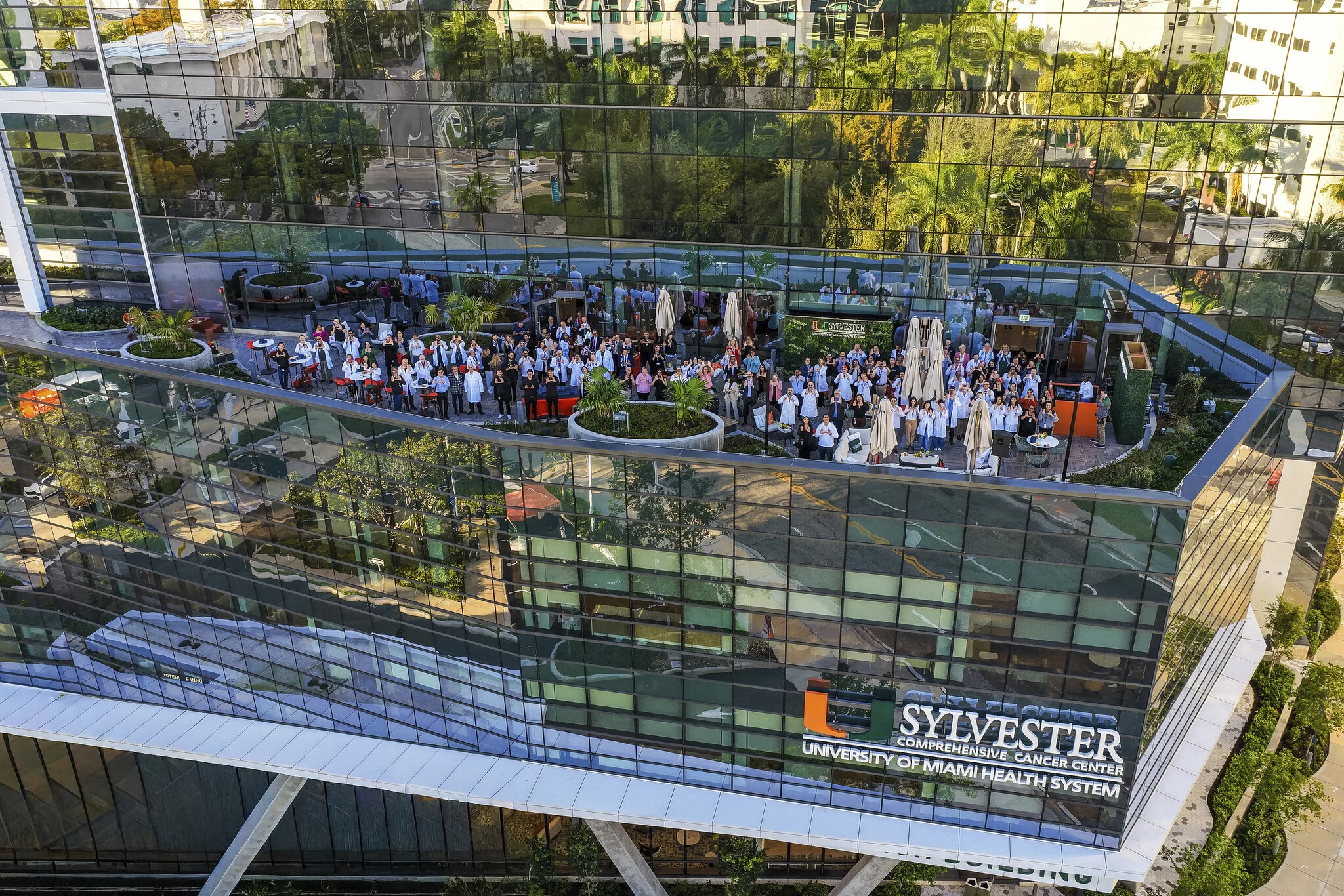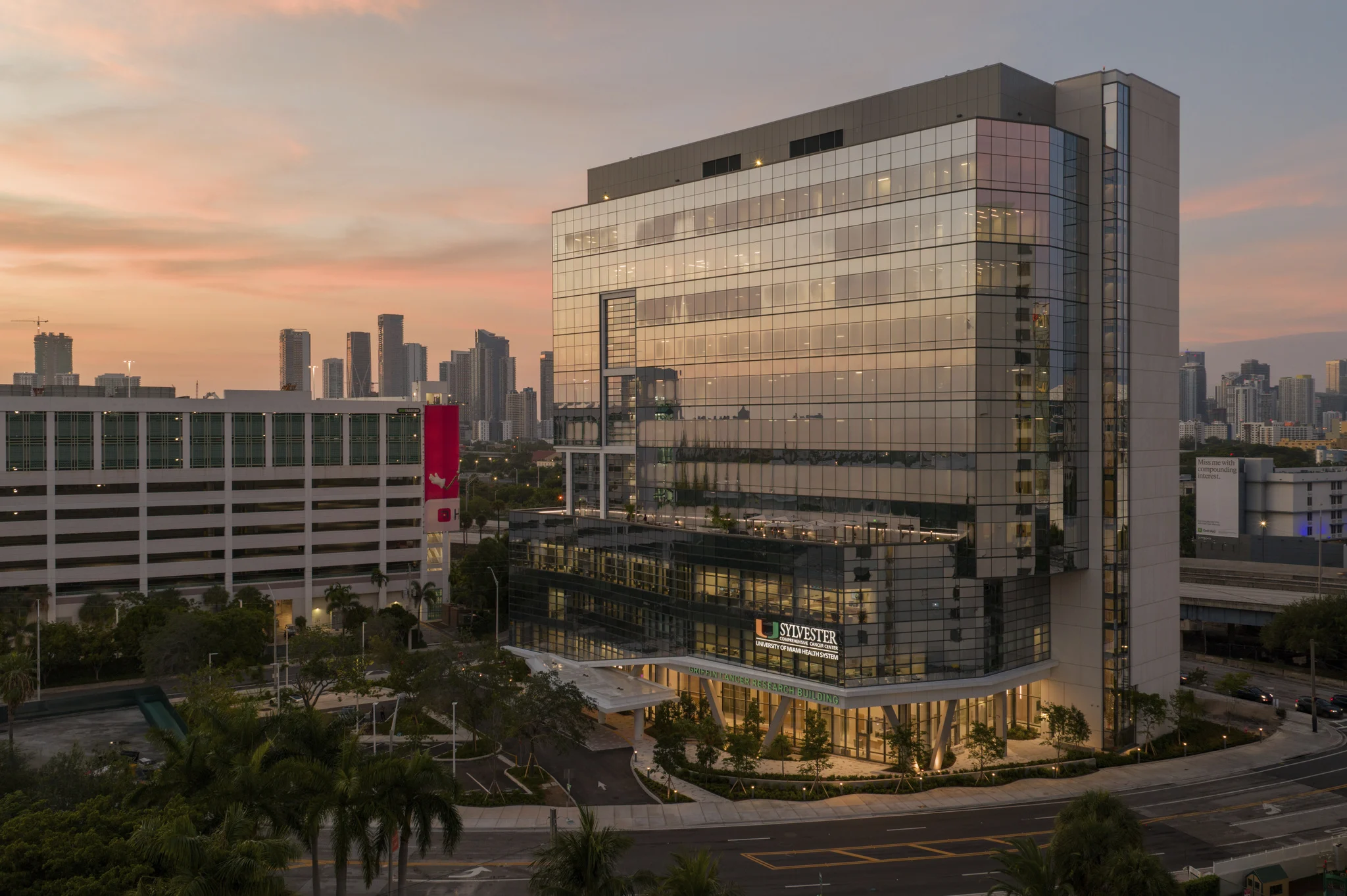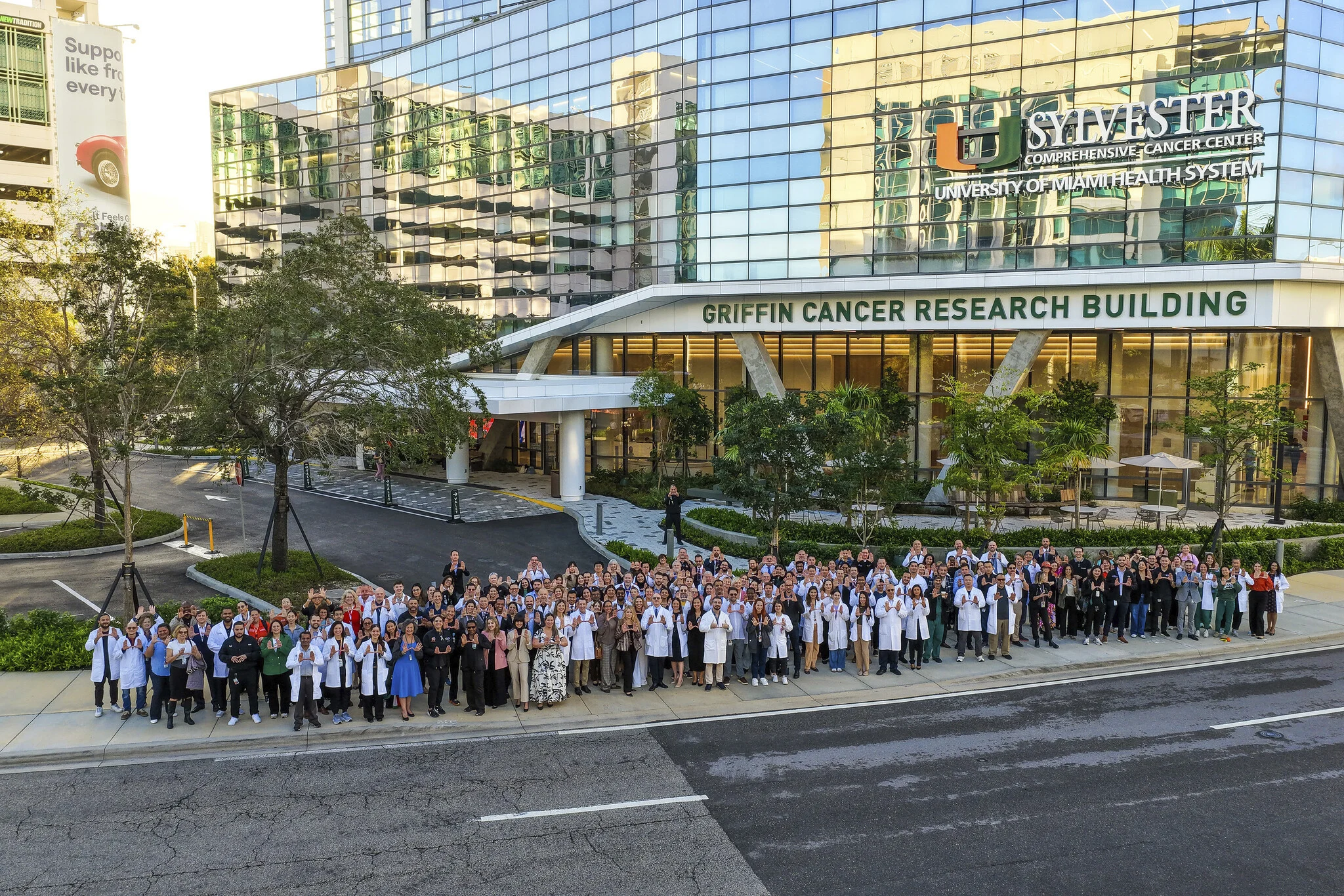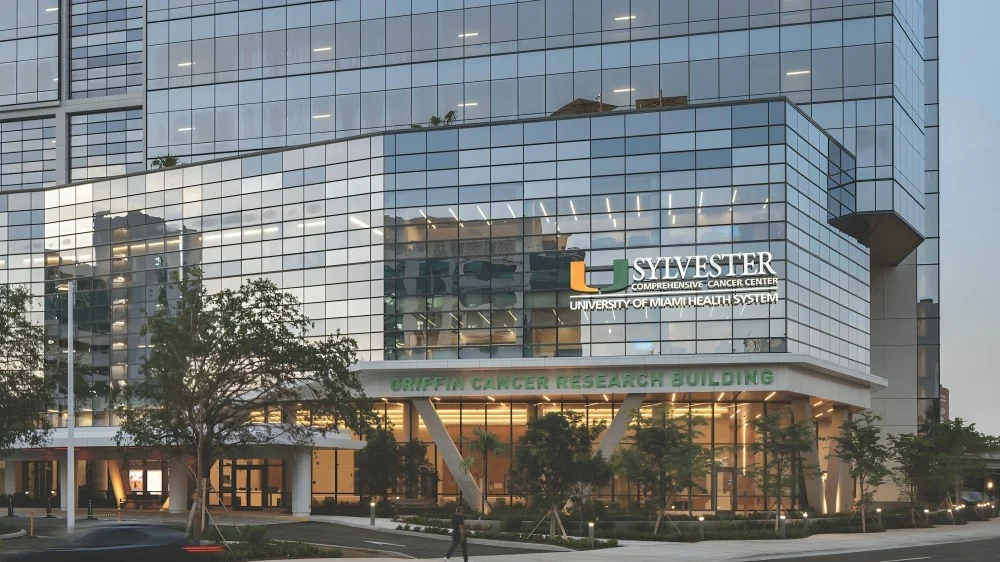
The new facility doubles Sylvester’s research footprint, breaking down barriers between scientific research and patient care, and rises as both a beacon of hope and pioneer for scientific collaboration and advancement.
As South Florida’s only National Cancer Institute (NCI)-designated cancer center and academic-based hub for early-phase clinical trials, Sylvester Comprehensive Cancer Center, part of the University of Miami Health System and Miller School of Medicine, has long been at the forefront of discovery—and with the recent opening of the Kenneth C. Griffin Cancer Research Building, it is making a bold declaration that the next era of cancer research and care has arrived for patients in South Florida and beyond.
The need for such focus has never been greater. Florida bears the second-highest cancer burden in the nation, with one-third of its population living in South Florida. Situated among one of America’s most varied populations, Sylvester is uniquely positioned to conduct research that benefits communities locally and globally—even more so now that the Griffin Cancer Research Building has doubled Sylvester’s research footprint, breaking down barriers between scientific research and patient care.
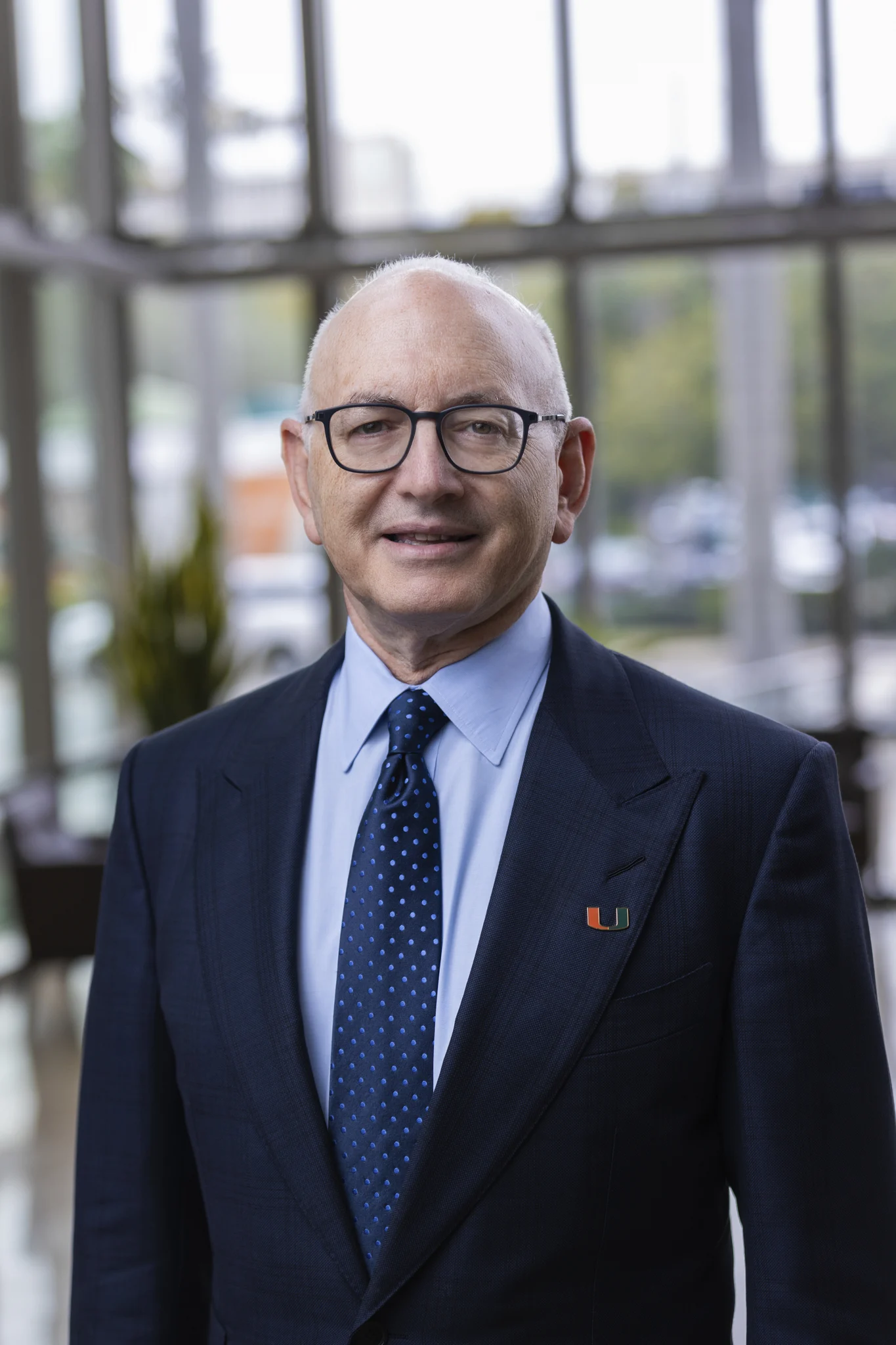
‘Our mission to reduce the cancer burden in our communities and beyond is driven by scientific ambition and a deep culture of collaboration,’ said Stephen D. Nimer, M.D., director of Sylvester and executive dean for research at the Miller School. ‘Since 2012, we had a vision to build a world class cancer center in South Florida to meet the needs of its 6.2 million residents. Having assembled teams of multidisciplinary collaborative researchers, we are now able to provide state-of-the art facilities and scientific neighborhoods, where cancer discoveries can flourish. This new facility reflects that shared commitment to transforming cancer care in benefit of patients.’
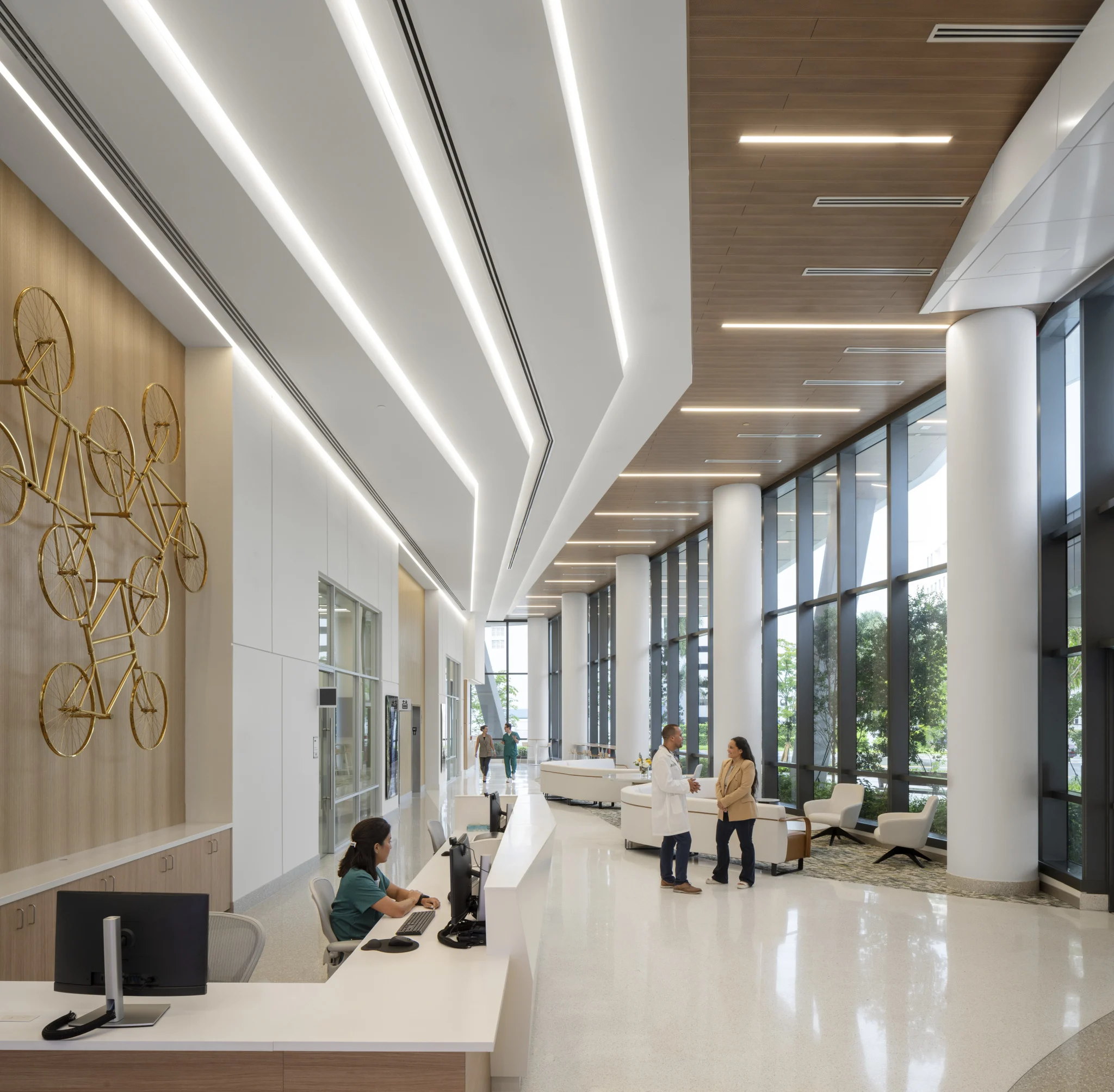
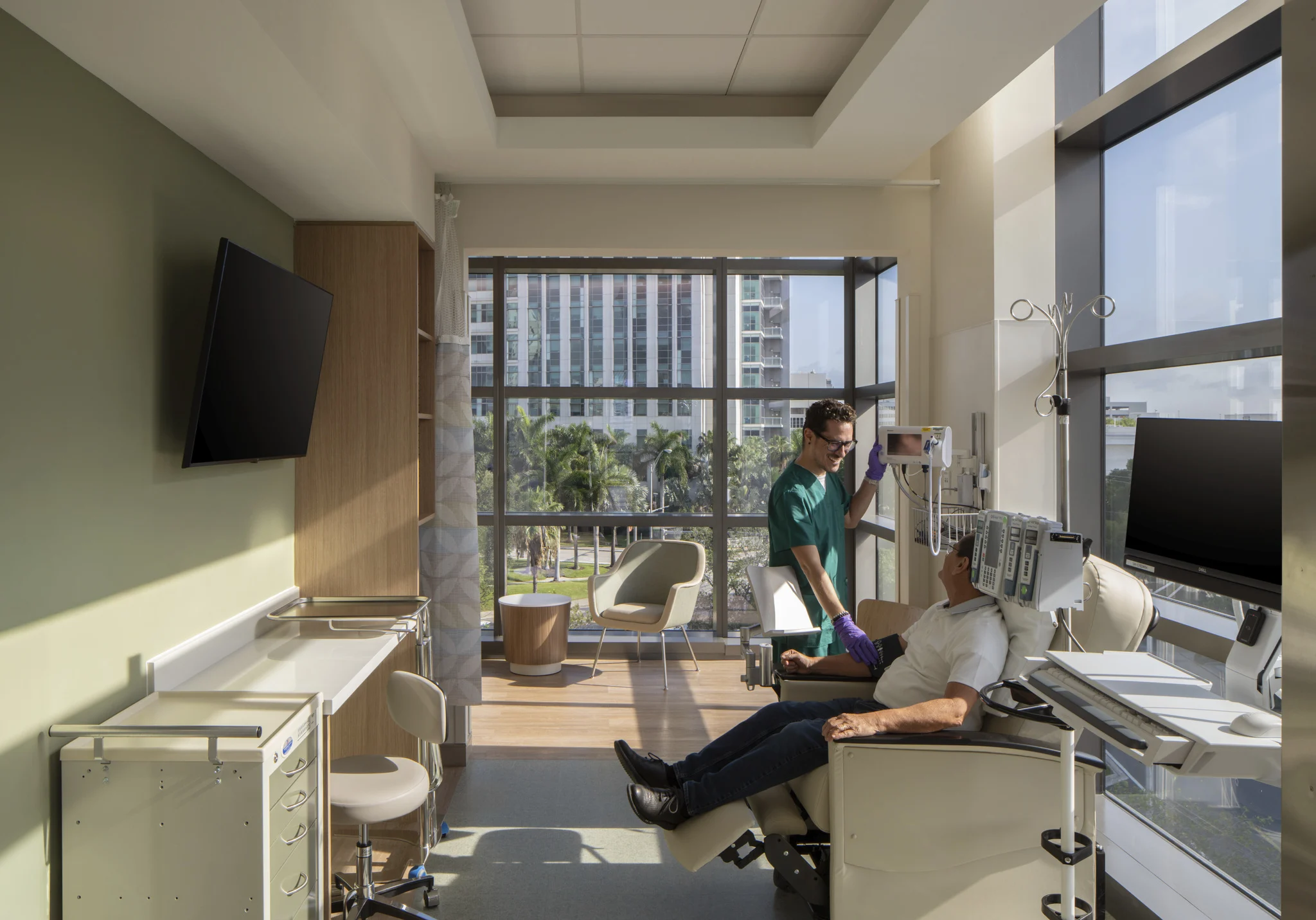
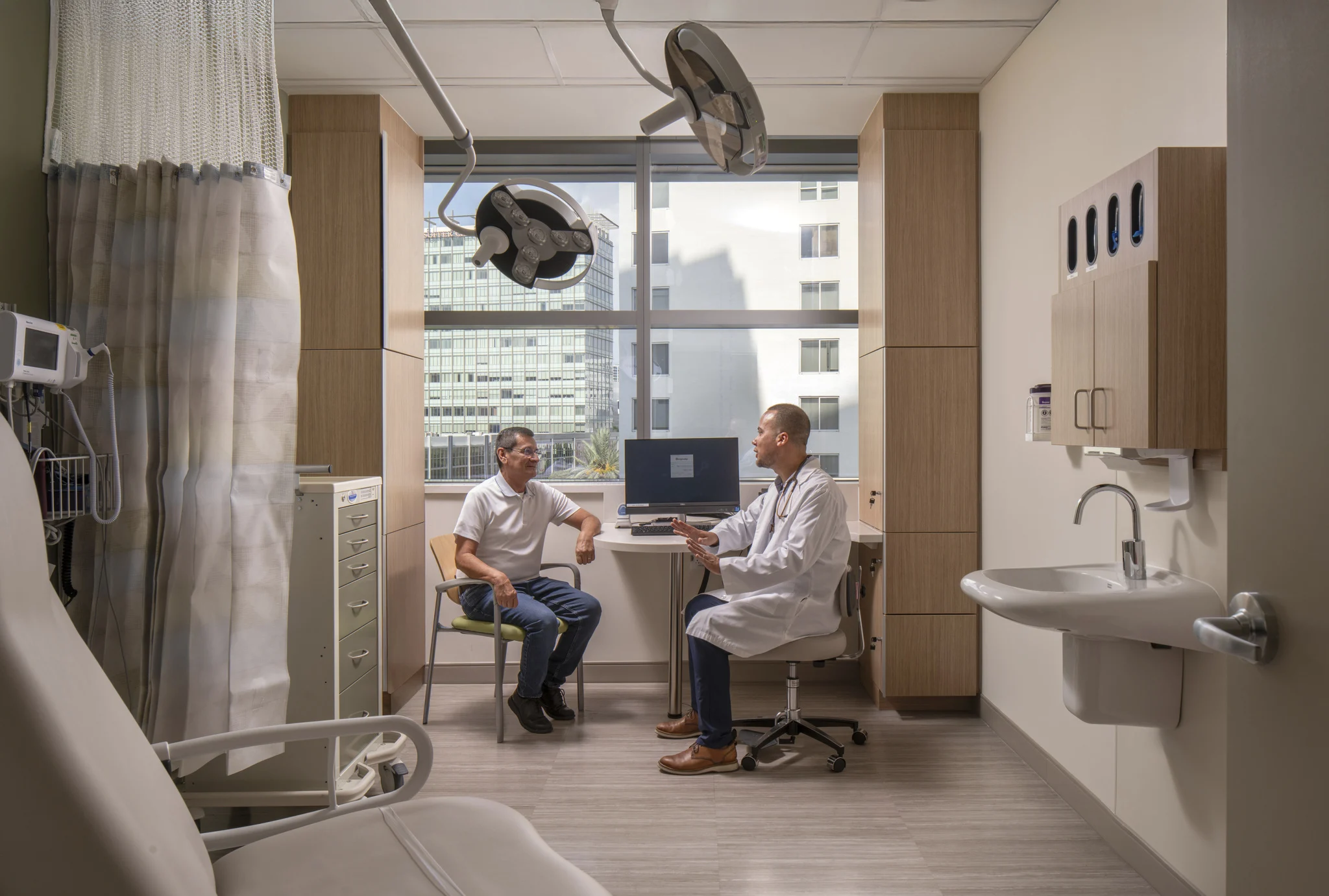
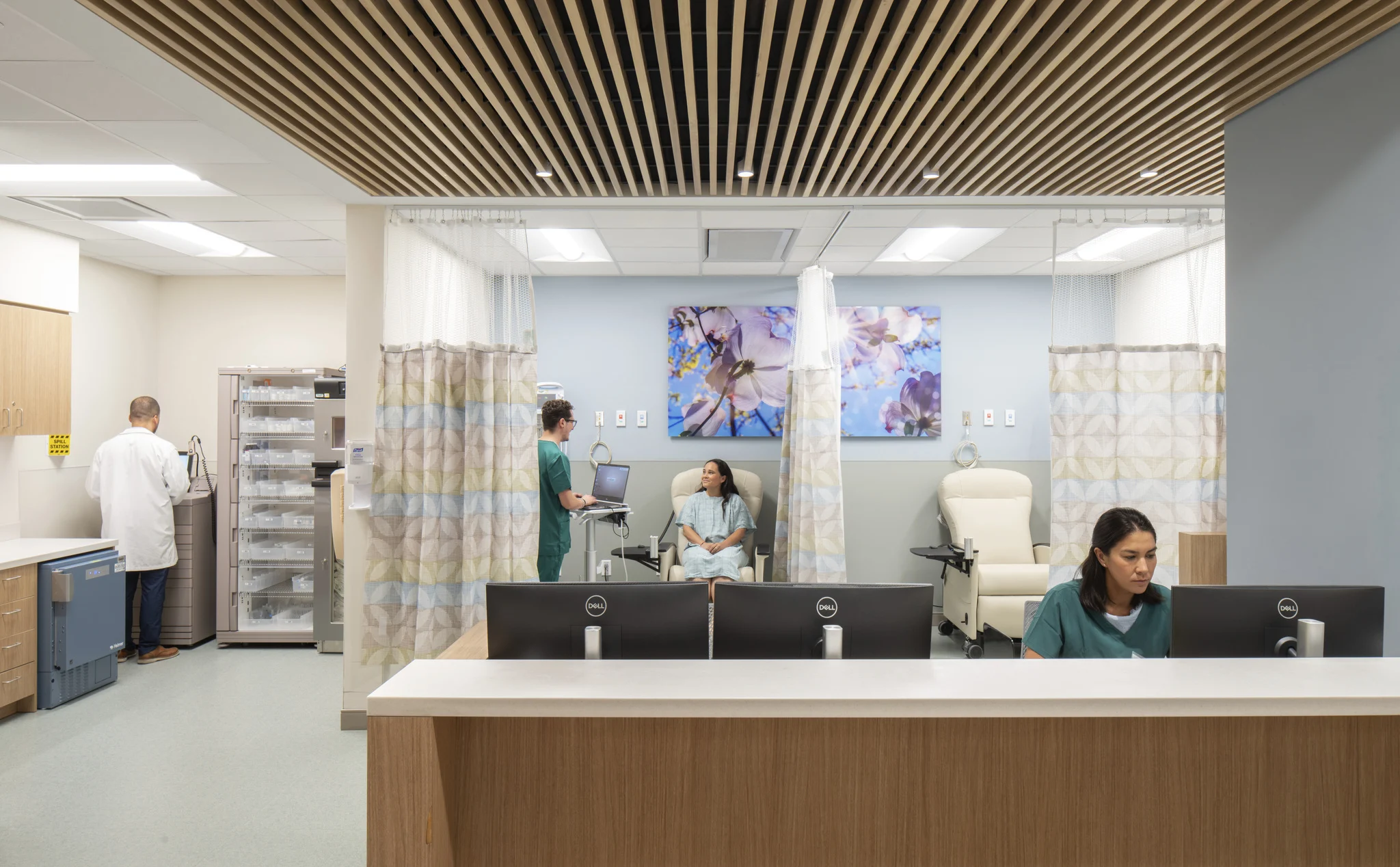
The Griffin Cancer Research Building’s second, third and fourth floors are devoted to healing, offering a clinic with 27 infusion bays, advanced imaging suites and an onsite pharmacy, alongside cancer supportive care services like nutrition counseling, yoga, art and music therapy, wig-fitting services in the Image Boutique, and a meditation room.
Just a short elevator ride away, AI-driven ‘dry labs’ and research ‘neighborhoods’ foster collaboration on tumor biology, cancer epigenetics, translational and clinical oncology, and cancer control. By linking these scientific worlds, discoveries can move faster from the lab bench to the patient’s bedside. In all, the facility creates a seamless, patient-centered environment where hope and healing are infused into every space.
Nancy Paulter, 76, is one of more than 6,270 patients participating in clinical trials at the Griffin Cancer Research Building and Sylvester more broadly. After she was diagnosed with follicular lymphoma in 1999, Paulter put her treatment on pause until she found a facility, doctor, and treatment regime that felt right—then she visited Sylvester.
‘We went over the options that I had, and I decided to go with the clinical trial. I feel that I’m in the right place and I have a lot of faith in the treatment that I’m doing,’ Paulter said. ‘My doctor has treated me like an individual and not a statistic, whereas in the past I’ve felt that everything had to be protocol, so I think that’s extremely important that you get a doctor that you’re comfortable with.’
In 2025, Sylvester ran 520 clinical research studies. From identifying biomarkers that speed drug approvals in myeloma to advancing new treatments for sarcoma and lymphoma, Sylvester researchers are improving lives of patients living with ovarian, breast, and prostate cancer, and conducting studies on gastrointestinal cancers as well as cancer metabolism.
The Griffin Cancer Research Building will take this momentum to the next level, expanding collaboration between its own faculty and with top universities, pharmaceutical companies and medical institutions worldwide. Inside, the facility has an estimated total capacity for up to 1,000 staff members including oncologists, geneticists, data scientists, and epidemiologists to work side by side. The expanded research capacity now means treatments can be increasingly tailored to genetic, molecular and environmental factors, moving personalized medicine from promise to practice.
‘By bringing research and clinical care under one roof, the Kenneth C. Griffin Cancer Research Building redefines academic medicine in Miami and sets a higher standard for how we turn discovery into outcomes,’ said Dipen Parekh, M.D., chief executive officer of the University of Miami Health System and executive vice president for health affairs at the University of Miami. ‘It reflects a systemwide commitment to move insights quickly to the bedside, personalize treatment for every patient and lead with compassion and science for South Florida and beyond.’
Sylvester Comprehensive Cancer Center, part of UHealth—University of Miami Health System and the Miller School of Medicine, is the only cancer center in South Florida designated by the National Cancer Institute (NCI). Sylvester is known as South Florida’s leader in cancer research and care, offering the only academic-based phase 1 clinical trials program in the region. U.S. News & World Report has ranked Sylvester among the nation’s top 50 for cancer care. Sylvester also earned High Performing ratings in the treatment of leukemia, lymphoma and myeloma, as well as in surgeries for colon, lung and prostate cancers. With a network of 11 facilities in South Florida and one office in Southwest Florida, Sylvester operates 16 site disease groups, including transplant and cellular therapy, classical hematology, myeloma, lymphoma, leukemia, sarcoma, neuro-oncology, endocrine tumors as well as skin, thoracic, gynecological, genitourinary, gastrointestinal, pediatric, breast and head and neck cancers.
You can also read more posts featuring Sylvester Comprehensive Cancer Center on OncoDaily.