





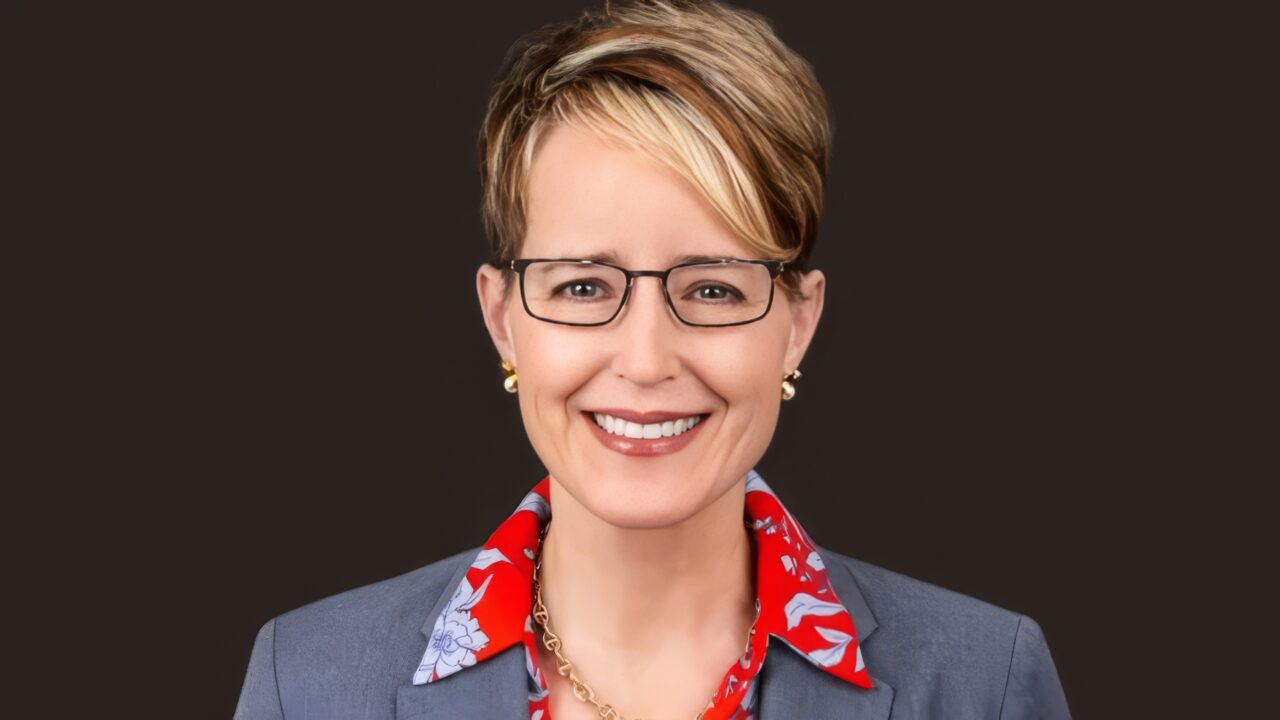
Susanna Fletcher Greer, Chief Scientific Officer of the V Foundation, shared a post on LinkedIn:
“What if cancer already knows where it’s going?
For many patients, the hardest part of cancer is not the tumor itself, but where it goes next. What if that path is set much earlier than we thought? That’s the idea that has stuck with me after reading a new study and review from the V Foundation grantee Dr. Benjamin Izar and team at Columbia University Irving Medical Center. They looked at pancreatic cancer, one of the most aggressive cancers we face, and asked a simple but important question: why does this cancer spread to different places in different patients?
What they found changes how we think about that process. For a long time, we’ve treated cancer spread as something that happens…later. A tumor grows, cells break away, and then they travel to another part of the body. But this study from the Izar team suggests that the story may start much earlier.
Dr. Izar demonstrates that while still in the original tumor, some cancer cells are already beginning to act like the place they will eventually go. Some cells start behaving like liver cells. Others like lung cells. It’s as if they are preparing themselves in advance for where they will land.
And that matters more than you might think. For example, in this study, patients whose cancer came back in the liver had significantly worse outcomes than those whose cancer spread to the lungs. This isn’t just a biological curiosity. It may help explain why some patients do better than others, even when their cancers look similar at the start.It also raises a more sobering idea: part of what happens later in cancer may already be written into the earliest version of a tumor. Wow. Sobering indeed.
But this is also where the hope is. Because if we can understand these early signals, we may be able to change them. We may be able to predict where a cancer is headed and intervene before it gets there.
The reason we can even see this now is because of a major shift in how cancer research is done. For years, we studied tumors by averaging everything together. But tumors are not ‘one thing.’ They are made up of many different cells, each cell behaving in its own way. Some are more aggressive. Some are more adaptable. Some are already primed to spread.
Newer technologies allow researchers to look at cancer one cell at a time and to understand how those cells interact with their surroundings. That level of detail is changing everything. It’s showing us that cancer is not just driven by mutations, but by behavior, by identity, and by how cancer cells adapt to the environment around them.
And that shift matters for patients. Because if we can understand where cancer is headed earlier, we have a real chance to change where it ends.
Find the Izar lab at Home | Izar Lab.”
Other articles featuring Susanna Fletcher Greer on OncoDaily.