





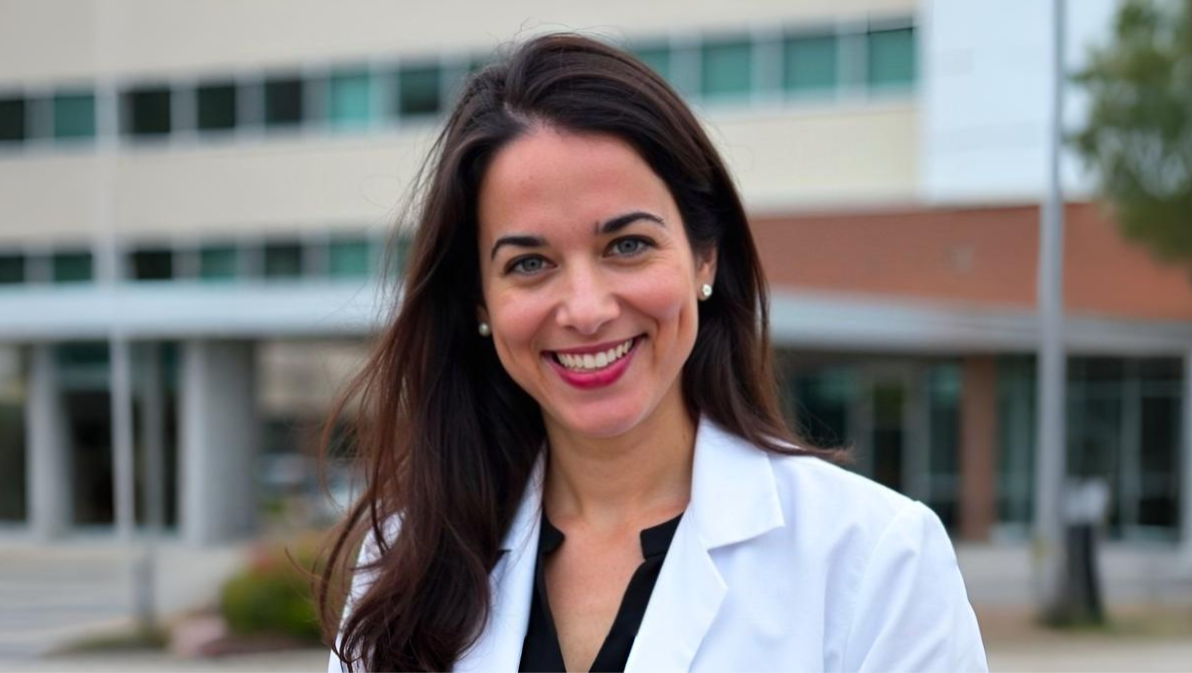
Sarah Sammons, Breast Medical Oncologist and Senior Physician at Dana-Farber’s Breast Oncology Center, shared a post by Clairity, Inc. on LinkedIn, adding:
“AI has made it into breast cancer screening guidelines.
For decades, these women walked out of their mammogram labeled ‘average risk‘ and sent home.
NCCN’s 2026 guidelines just changed the calculus. AI analysis of a routine mammogram can now identify women with a ≥1.7% five-year breast cancer risk starting at age 35, including the majority who would never have been flagged by genetics or family history alone.
What happens when you’re identified? This isn’t just a number.
The guidelines link that risk score directly to action:
- Supplemental imaging (MRI, ultrasound).
- Consideration of risk-reduction strategies (chemoprevention, lifestyle).
- Periodic reassessment, because risk changes over time.
This means a woman who would have been told ‘see you next year‘ may instead get an MRI that finds a 6mm cancer. Or start a conversation about tamoxifen.
The mammogram was always carrying this information. AI can now read it. And NCCN is saying: act on it.”
Quoting Clairity, Inc‘s post:
“Today marks an important step forward in breast cancer risk assessment.
The 2026 National Comprehensive Cancer Network® (NCCN®) Clinical Practice Guidelines in Oncology for Breast Cancer Screening and Diagnosis now include AI imaging-based models for five-year breast cancer risk assessment.
For women age 35 and older with a five-year risk >1.7% based on an imaging-based model, the guidelines include recommendations for enhanced clinical care, supplemental imaging, and counseling for risk reduction, along with periodic reassessment of risk.
These updates reflect continued progress toward more individualized, risk-informed approaches to care, particularly for women who may not be identified through traditional methods such as genetics or family history.
At Clairity, Inc., we’ve long believed the mammogram contains important information, not only to detect cancer today, but also to predict future risk.
Clairity Breast is currently the only FDA-authorized risk model that provides a five-year breast cancer risk assessment from screening mammograms, designed to support more personalized, risk-informed care.
We’re encouraged to see continued advancement toward more proactive and individualized screening and prevention for the full diversity of women.”
Other articles about NCCN on OncoDaily.