





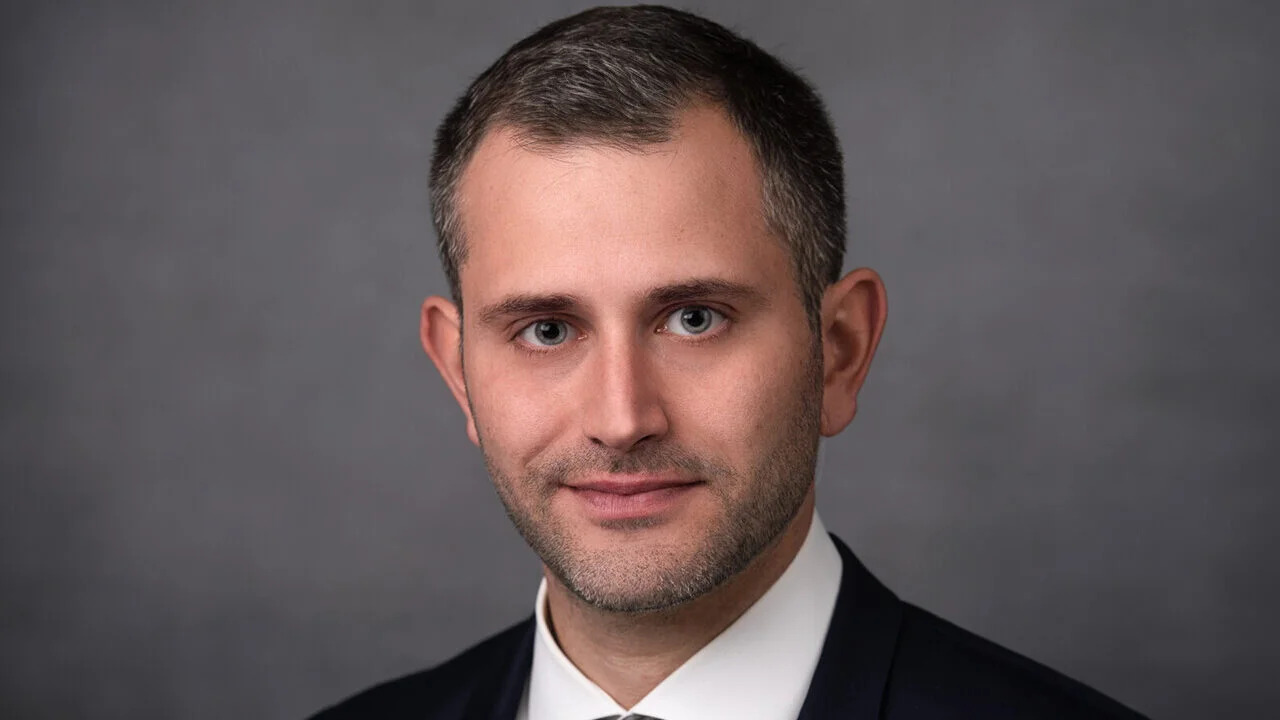
Paolo Tarantino, Clinical Research Fellow at Dana-Farber Cancer Institute, shared a post on X:
“What are the key issues that have emerged on the Nature Medicine time-of-day IO paper?
1. The clinical trial protocol uploaded to Nature was v1 dated Jan 2, 2022; however, the protocol includes references published in 2024. This calls into question when the protocol was written and if/when it was amended.
2. The record is concerning and calls into question whether the study was actually randomized.
- In the first record 9/2022, although the study was noted as randomized, the inclusion/exclusion criteria read as though it was a retrospective study, e.g., “First-line patients received immunological monotherapy or immunological combined chemotherapy” as an inclusion criteria and “Lack of clinical diagnosis and treatment information or loss of follow-up” as an exclusion criteria.
- In the first record, the primary endpoint, sample size, treatment and ECOG criteria do not match what was in the protocol dated Jan 2, 2022.
- On 3/19/2024, the study was changed from randomized/interventional to an observational case-control study
- It was not until 3/30/2024 (2 months before end of randomization) that the study was changed to the design described in the manuscript.
3. The OS K-M curve presented at ASCO had errors – i.e., the censor marks do not match the at-risk table. This raises concerns about the integrity of statistical analyses.
4. The shape of the PFS does not match expectations. With a 6-week scan schedule, one would expect a stair-step drop every 6 weeks when patients have their scheduled imaging. Their PFS curve does not – it is smooth. Of note, in an observational study, a PFS curve generally does not have a staircase look because scans are not performed on a regular set schedule.
5. The 95% CI for the lower bound of the median OS in the manuscript is NE. This is not possible as the median was estimated. There are inconsistencies in the p-values in Table 1 (Baseline Characteristics)
Credit to Daniel Brickman, Amanda Nottke and David Swank for creating this list — and to L for first identifying several of these issues.”
Other articles featuring Paolo Tarantino.