





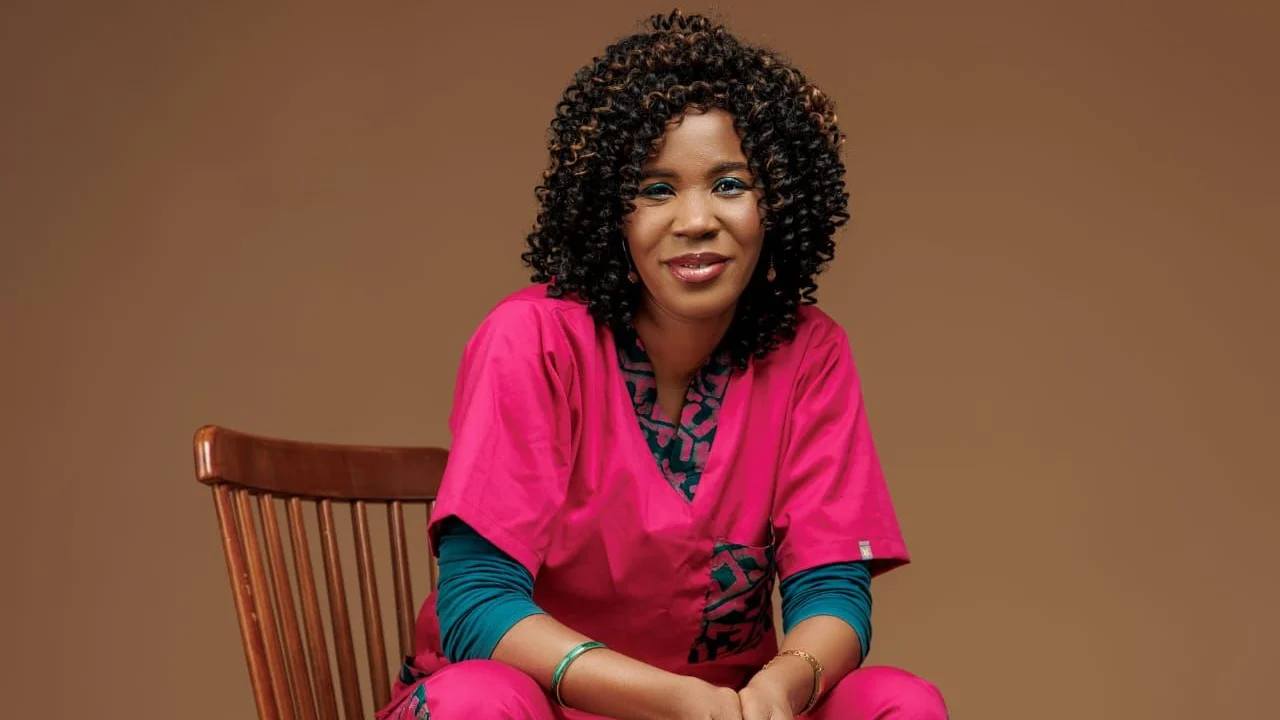
Miriam Mutebi, Breast Surgical Oncologist and Assistant Professor in the Department of Surgery at the Aga Khan University Hospital, shared a post on LinkedIn:
“Medical education has an ageism problem and it is costing young women time, options, and sometimes their lives.
I’ve mentioned before how medical school taught me that breast cancer is an older woman’s disease, and that young women with breast lumps are likely to have benign conditions.
To be clear, most of them are.
Breast cancer risk does increase with age, and that remains true. But lower risk is not the same as no risk.
That truth has been overlearned to the point where it becomes a blind spot.
Because when something does not behave like a benign condition, the index of suspicion is often not raised quickly enough.
So it looks like this:
Young women present with lumps – dismissed as ‘too young’.
They return weeks later – told to ‘wait and see’.
They push for answers – often labeled ‘anxious’ or ‘difficult’.
In breast feeding women, symptoms are often attributed to infection, with multiple courses of antibiotics prescribed, sometimes escalating to third- or fourth-line treatment, before alternative diagnoses are explored.
By the time someone takes them seriously, what could have been curable disease may already be advanced.
This is not anecdotal. Study after study shows that young women experience longer diagnostic delays than older women, not because their symptoms are less concerning, but because training has unconsciously conditioned clinicians to look for cancer in older women, and overlook it in younger ones.
In many African contexts, the mismatch is even more pronounced:
- The median age of breast cancer diagnosis is 10-15 years younger than in many Western countries.
- Young women are more likely to present with aggressive disease.
- Genetic and population profiles differ from those on which much of our medical training is built.
Yet we continue to teach and practice as though these differences do not matter.
- What would it look like to do this differently?
- What if we talked more clearly about risk, that while breast cancer is more common with age, it could still affect women at any age?
- What if we raised, not lowered, our index of suspicion when something does not fit?
- What if clinical suspicion wasn’t filtered through purely demographic expectations?
- What if we trained doctors to investigate symptoms based on presentation, not age?
- What if we trained doctors to truly listen to young women?
Recalibrating medical education is not optional. It is more than necessary. I explore this further in my book Stuff Id Tell My Sister.
Medical professionals: What assumption from training have you had to unlearn?”

Other articles about Breast Cancer on OncoDaily.