By Ekta Grewal | Founder, Sikhs in Clinical Research (SICR)
Through my work with Sikhs in Clinical Research (SICR), I have had the opportunity to listen to patients and families share their experiences navigating cancer diagnoses, treatment decisions, and healthcare systems. Two conversations in particular reinforced an important message: lung cancer does not always present in the way we expect, and awareness must extend beyond smoking history to include listening, advocacy, and culturally responsive care.
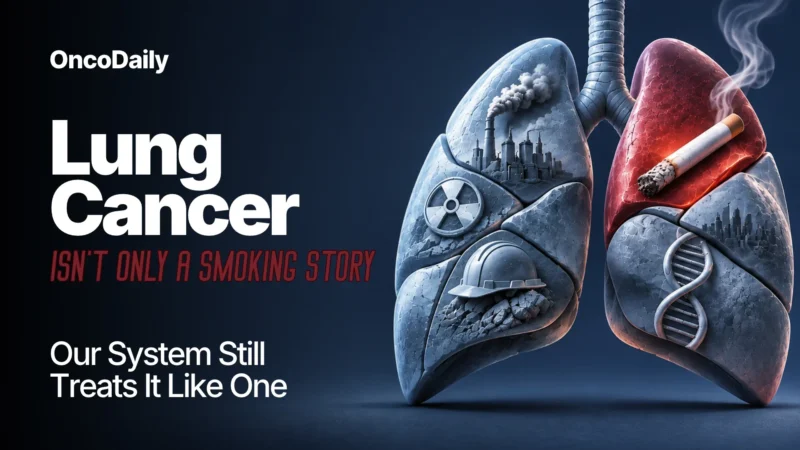
Lung cancer is commonly associated with smoking, but this association can create a misconception that people who have never smoked are not at risk. The reality is more complex. Lung cancer can affect anyone, including individuals with no smoking history and people who experience few or no noticeable symptoms before diagnosis.
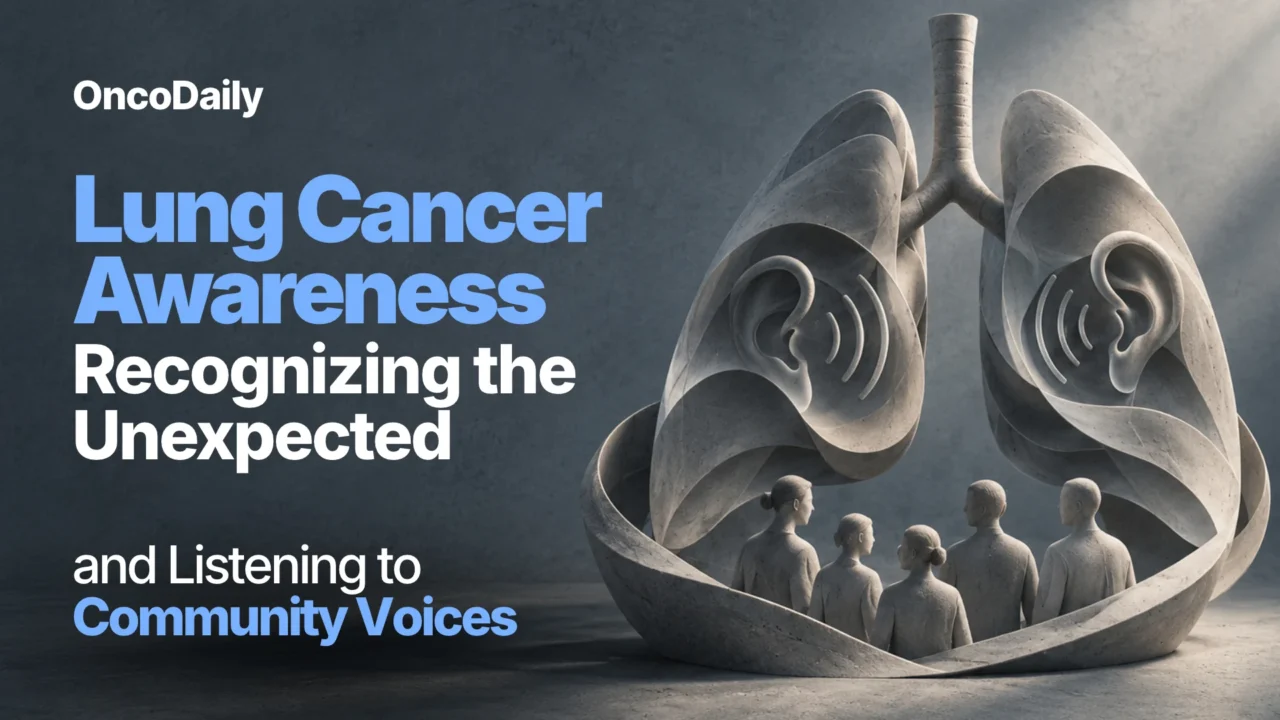
During Lung Cancer Awareness Month, it is important to look beyond statistics and risk factors and listen to the experiences of patients and families. These two patient journeys illustrate how differently lung cancer can be discovered, how family advocacy can influence the care journey, and why cultural understanding matters throughout treatment and end-of-life care.
An Unexpected Diagnosis: When There Are No Obvious Symptoms
One woman interviewed through SICR had never smoked and was not experiencing the symptoms many people associate with lung cancer. She described having no pain, breathing difficulties, or weight loss. Her medical journey began with an evaluation for gallstones and recurring abdominal pain. During that process, imaging revealed a mass in her lung.
Further evaluation and surgery confirmed cancer. She subsequently received four rounds of chemotherapy followed by one year of immunotherapy. Today, she reports doing very well.
Her experience is a reminder that lung cancer is not always discovered because someone develops a persistent cough, chest pain, or difficulty breathing. Sometimes, it is identified unexpectedly while investigating an unrelated health concern.
According to the Centers for Disease Control and Prevention (CDC), approximately 10% to 20% of lung cancers in the United States occur among people who have never smoked or smoked fewer than 100 cigarettes in their lifetime. Other factors, including radon, secondhand smoke, air pollution, workplace exposures, and family history, can also contribute to risk.
This does not mean everyone who has never smoked should undergo routine lung cancer screening. Current U.S. Preventive Services Task Force recommendations for annual low-dose CT screening apply to adults ages 50 to 80 with at least a 20 pack-year smoking history who currently smoke or quit within the past 15 years. However, symptoms or concerning findings should be medically evaluated regardless of smoking history.
When Symptoms Are Not What We Expect: A Family’s Journey Through Advanced Lung Cancer
Another family shared their experience of navigating an advanced lung cancer diagnosis in an elderly family member who had never smoked and continued attending routine medical appointments.
His initial symptoms did not immediately point to lung cancer. He developed double vision, followed by changes in behavior and episodes of confusion. Later, he experienced persistent nausea and vomiting. After initial evaluations did not provide answers, a family member with a healthcare background advocated for further testing. A brain MRI revealed a tumor, and subsequent evaluation identified lung cancer that had spread to the brain.
Molecular testing identified a genetic alteration that helped guide treatment decisions. He received radiation and targeted therapy, but his disease continued to progress. As his condition worsened, he developed fluid around his lungs and required thoracentesis. His care eventually shifted toward managing pain, breathing difficulties, and other symptoms, with hospice support.
This experience illustrates how symptoms associated with advanced lung cancer can initially appear unrelated to the lungs. Double vision, confusion, nausea, and vomiting can have many possible causes. They should not automatically be interpreted as signs of cancer. However, persistent, worsening, or unexplained symptoms deserve medical attention and appropriate follow-up.
The family’s experience also highlights the importance of asking questions, communicating changes in health, and advocating for additional evaluation when concerns remain unresolved.
The Importance of Family Advocacy and Culturally Responsive Care
A cancer diagnosis can involve multiple specialists, appointments, tests, treatment decisions, insurance questions, and care coordination. Patients and families may find it difficult to navigate this process, particularly when they are already coping with fear and uncertainty.
Family members can play an important role by helping communicate symptoms, keeping track of appointments, asking questions, and understanding treatment options. Their involvement should support the patient’s preferences and decisions while helping ensure concerns are heard.
For this family, culturally responsive care also made a difference. Family members explained the significance of Kes, the uncut hair that is one of the articles of faith for many Sikhs. A Punjabi interpreter was available when needed, helping support communication with the healthcare team.
As the patient’s condition declined, the hospice chaplain asked the family about their beliefs and practices. The family was able to perform Ardaas, a Sikh prayer, and follow religious traditions that were important to them. These moments provided comfort and allowed the family to remain connected to their faith during an extremely difficult time.
Culturally responsive care begins with asking respectful questions, listening without assumptions, arranging appropriate language support, and making reasonable efforts to accommodate a patient’s beliefs and preferences.
For many patients and families, their faith can be a source of strength, comfort, and guidance throughout the illness experience.
Making Clinical Research Information More Accessible
Another important part of lung cancer awareness is ensuring that patients understand appropriate care options, including clinical trials when relevant.
In SICR’s community health surveys, 400 individuals responded to questions across several disease areas. Among the 24 respondents who reported being affected by cancer, 90% said they had never heard of clinical trials as a treatment option. This finding reflects a small subgroup within SICR’s survey and should not be interpreted as representative of all Sikh patients or the broader cancer population. However, it highlights an important opportunity to improve awareness.
Clinical trials help researchers evaluate new treatments and improve our understanding of disease. Depending on the study, participation may offer access to an investigational approach, but a trial is not appropriate for everyone and does not guarantee a better outcome. Patients should have the opportunity to discuss potential risks, benefits, eligibility, and alternatives with their healthcare team before making an informed decision.
Information about clinical research should be accessible in languages and formats that patients and families can understand. Education should also address questions about treatment, medication ingredients, diet, religious practices, privacy, and what participation involves.
Listening Is Part of Better Care
These two patient journeys demonstrate that lung cancer does not follow one predictable path. One woman learned of her diagnosis during an evaluation for an unrelated condition and is doing well after treatment. Another family’s experience involved an advanced diagnosis, complex treatment decisions, advocacy, and end-of-life care shaped by faith and family.
Their experiences remind us that awareness must extend beyond recognizing symptoms. It should include listening to patients, supporting families, improving access to understandable health information, and respecting the values that shape healthcare decisions.
At Sikhs in Clinical Research, our work focuses on reducing health disparities through disease awareness, health and research literacy, and opportunities for informed conversations between communities and healthcare professionals. We believe that everything comes back to trust. Trust grows when people feel heard, respected, and included in decisions about their health.
This Lung Cancer Awareness Month, let us encourage people to seek medical attention when something does not feel right, ask questions when answers are unclear, and learn about available care options. Most importantly, let us remember that behind every diagnosis is a person, a family, and a story that deserves to be heard.
- Small Cell Lung Cancer in Algeria in 2026: A Chemosensitive Disease That Leaves Little Room for Delay
- LungÕ 2026: Integrating Care and Advancing Treatment for Locally Advanced Lung Cancer
- Sami Mansfield: Lung Cancer Isn’t Only a Smoking Story. Our System Still Treats It Like One